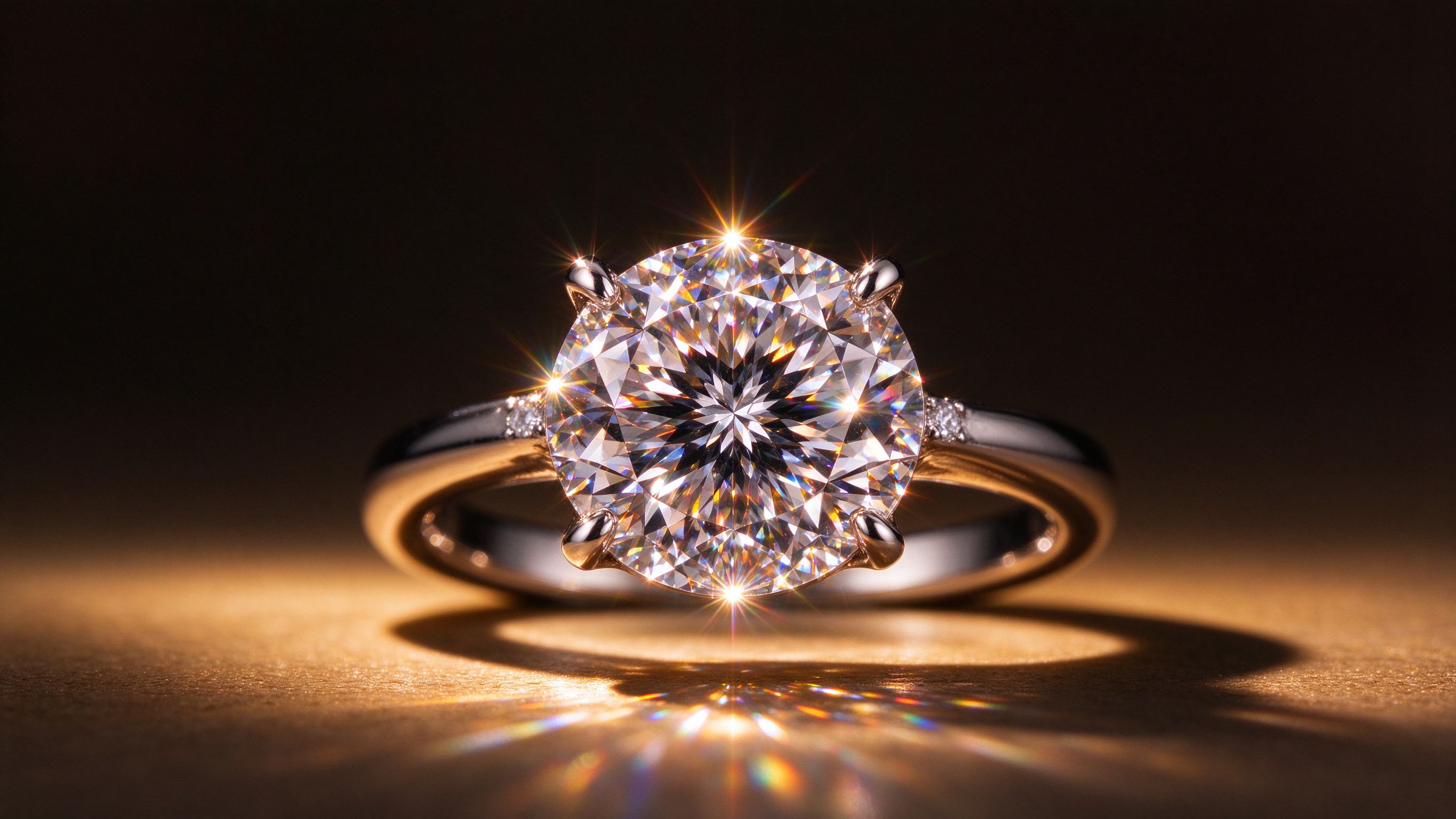
Ring Boxes, Certificates, and Warranty: How Packaging Adds Perceived Value
A ring is not just the ring. It is the box it comes in, the certificate that proves what it is, and the warranty that tells the customer you stand behind it. These three things cost almost nothing to produce, but they change how the customer perceives the piece. A ring that arrives in a plain poly bag feels cheap, even if the ring itself is good. The same ring that arrives in a nice box with a certificate and a warranty card feels like a real piece of jewelry, and the customer will pay more for it. This article explains how packaging, certificates, and warranty add perceived value to a ring, from the factory side, and how a brand can use them to increase the price without increasing the cost.
The customer's experience of a ring starts before they take it out of the box. The unboxing is part of the purchase, and a good unboxing makes the customer feel they bought something special. A bad unboxing, where the ring arrives in a plastic bag in a cardboard envelope, makes the customer feel they bought something cheap, even if the ring is well made. The packaging is the first thing the customer sees, and it sets the tone for how they feel about the purchase. This is why investing in packaging is one of the highest-return things a brand can do.
Why the Ring Box Matters More Than You Think
The ring box is the most visible piece of packaging. A simple, well-made box in a matte finish, with the brand's logo on the lid, tells the customer they bought a real piece of jewelry. A cheap, glossy box with no logo tells them they bought something generic. The cost difference between a good box and a cheap box is small, usually a dollar or two per piece, but the perceived value difference is large. A customer who opens a nice box feels they got more than they paid for, while a customer who opens a cheap box feels they got less.
The ring box also serves a practical purpose. A customer will keep the ring box for years, because it is how they store the ring. Every time they open the box to take the ring out, they see the brand's logo, and they remember where they bought it. This repeat exposure to the brand is free marketing, because the box is a piece of branded material that the customer keeps on their dresser. A brand that invests in a nice box gets years of brand exposure, while a brand that uses a cheap box gets no exposure at all.
For a brand, the ring box is a brand asset, not just packaging. The box should match the brand's aesthetic: a minimalist brand should use a minimalist box, a luxury brand should use a luxury box. The box is part of the product, and it should be designed with the same care as the ring itself. We can source boxes for you, or you can supply your own, and we will pack the ring in them. The cost is small, and the return in perceived value is large.
How Gift Packaging Increases the Average Order Value
Gift packaging is a specific upgrade that many customers want, especially during the holiday season. A gift box, a ribbon, and a handwritten gift note turn a ring purchase into a gift, and the customer is willing to pay extra for it. The cost of the gift box and ribbon is a dollar or two, but the brand can charge 10 to 20 dollars for the gift wrapping service, because the customer is buying a gift and wants it to look nice. The margin on gift wrapping is very high, because the cost is low and the customer pays a premium for the convenience.
The gift wrapping service also increases the average order value, because the customer who is buying a gift often adds extra items to make the gift feel complete. They might buy a second ring, or a pair of earrings, to go with the main gift. The gift wrapping option signals that the brand is set up for gifts, and the customer who is in gift-buying mode will add more items to their order. This is why brands that offer gift wrapping have higher average order values during the holiday season, even though the wrapping itself is a small cost.
For a brand, offering gift wrapping is a simple way to increase revenue during the gift season. The customer selects the gift wrapping option at checkout, adds a gift note, and we pack the ring in a gift box with a ribbon. The process is straightforward, and the margin on the wrapping is healthy. We can source gift boxes for you, or you can supply your own, and we will pack the rings according to the gift wrapping option selected. The cost is small, and the return in average order value is significant.
How the Certificate Builds Trust for Online Sales
For online sales, where the customer cannot touch the ring before buying, the certificate and the warranty are even more important. The customer is buying a ring sight unseen, and they need reassurance that the ring is what the website says it is. The certificate, which lists the metal, the stone, and the brand, is the evidence that the product is real. The warranty, which promises to fix any defects, is the safety net that lets the customer buy with confidence. Without these two things, the online customer is taking a risk, and they may choose a competitor who offers them.
The customer who buys online is also more likely to post about their purchase on social media, because they are used to sharing their online finds. A nice unboxing, a certificate, and a warranty card are all things that look good in a social media post. The customer who posts their unboxing is giving the brand free exposure, and their friends will see the certificate and the warranty, which signals that the brand is legitimate. This social proof is valuable, because it is more trusted than the brand's own advertising.
For a brand, the online sales experience is where packaging and trust matter most. The customer cannot hold the ring, so the packaging has to do the convincing. A nice box, a certificate, and a warranty card tell the customer they are buying from a real brand, not a random seller on a marketplace. The brands that invest in this online experience have higher conversion rates, because the customer feels confident buying from them. The brands that ship rings in poly bags have lower conversion rates, because the customer is not sure they are buying something real.
What a Certificate Adds to the Purchase
A certificate of authenticity is a small card that says what the ring is: the metal, the stone, the carat weight, and the brand. It proves to the customer that the ring is what the label says it is. A customer who buys a moissanite ring wants to see a certificate that says the stone is moissanite, not CZ, because they want proof. A customer who buys a silver ring wants to see a certificate that says it is 925 sterling silver, because they want proof. The certificate is the evidence that the piece is real, and it makes the customer feel confident in their purchase.
The certificate also makes the ring feel like a fine jewelry piece, not a fashion piece. A fashion ring does not come with a certificate. A fine jewelry piece does. The certificate is a signal that the brand is serious about the product, and that they stand behind what they sell. A customer who gets a certificate with their ring feels they bought a real piece of jewelry, not a disposable fashion item. This perception difference lets the brand price the ring higher, because the customer feels they are buying something authentic.
For a brand, the certificate is cheap to produce. We can print certificates for you, or you can design them and send them to us. The certificate can list the brand name, the ring model, the metal, the stone, and the date of purchase. The cost is a few cents per card, and the perceived value it adds is much higher. The customer who gets a certificate will keep it, and they will show it to friends when they talk about the ring. The certificate is a marketing tool, not just a compliance document.
How a Warranty Changes the Customer's Confidence
A warranty is a promise that the brand will repair or replace the ring if something goes wrong. A simple one-year warranty, which covers manufacturing defects, costs the brand almost nothing, because most rings do not come back. But the warranty changes how the customer feels about the purchase, because they know the brand stands behind the product. A customer who buys a ring with a warranty feels confident, because they know they can get help if the stone falls out or the band breaks. A customer who buys a ring with no warranty feels uncertain, because they know they are on their own if something goes wrong.
The warranty also reduces returns, because the customer has a safety net. Instead of returning the ring because they are worried it will break, they keep it and use the warranty if they need to. The warranty is a signal of quality, because a brand that offers a warranty believes in its product. A brand that offers no warranty might have poor quality, because they do not want to stand behind it. The customer reads this signal, and they choose the brand that offers the warranty.
For a brand, the warranty is one of the cheapest marketing tools available. A simple one-year warranty card, included with the ring, costs almost nothing to produce, and it increases the customer's confidence dramatically. We recommend that every brand offer at least a one-year warranty on manufacturing defects, because it is a standard expectation in jewelry, and the cost is minimal. The brands that offer longer warranties, like five years, differentiate themselves from competitors, because they are showing even more confidence in their product.
How the Unboxing Experience Builds the Brand
The unboxing experience is the moment the customer first interacts with the brand's product. If the unboxing is nice, the customer feels excited and valued. If the unboxing is cheap, the customer feels disappointed. The unboxing includes the box, the tissue paper, the certificate, the warranty card, and any extra touches like a small cleaning cloth or a thank-you note. These small details cost almost nothing, but they make the customer feel they bought something special.
Many customers post their unboxing on social media, because they want to share their new purchase with friends. A nice unboxing is shareable, because it looks good in photos. A cheap unboxing is not shareable, because it looks bad. The customer who posts their unboxing on Instagram or TikTok is giving the brand free marketing, because their friends see the brand's packaging and the ring. This is why investing in a nice unboxing is not just about the customer's experience; it is about the social media exposure that comes from it.
For a brand, the unboxing is a marketing asset. A nice box, a branded tissue, a certificate, a warranty card, and a small thank-you note cost a few dollars per piece, but they generate social media posts, word of mouth, and repeat purchases. The customer who has a nice unboxing will remember the brand, and they will buy from them again. The customer who has a cheap unboxing will not remember the brand, and they will not come back. The unboxing is where the brand relationship starts, and it is worth getting right.
How We Pack Rings for Our Brand Partners
When we produce rings for a brand, we pack them according to the brand's specifications. Some brands supply their own boxes and certificates, and we pack the rings in them. Other brands ask us to source the boxes, print the certificates, and include the warranty cards. We can do either, and we will work with you to set up the packaging that matches your brand. The packing process is simple: the ring goes in the box, the certificate and warranty card go next to it, the box goes in a shipping bag, and the order goes out.
For small orders, we pack the rings by hand, because the volume is low. For large orders, we pack them on a packing line, because the volume is high. Either way, every ring is checked before it is packed, because we do not want a defective ring going into a nice box. The QC step happens before packing, so the customer gets a good ring in a nice box, not a defective ring in a nice box. We treat the packing step as part of the quality process, not just a shipping step.
For a brand, the packing step is where the product becomes a brand experience. We will work with you to make sure the packing matches your brand, because we know that the unboxing is part of the product. If you have a specific box design, we will use it. If you need us to source boxes, we will find options in your price range. The goal is to make the customer feel they bought something special, and the packing is the first step in that feeling.
How to Choose the Right Box for Your Brand
Choosing the right box for your brand is about matching the box to the price point and the aesthetic. A brand that sells rings at 50 dollars should use a simple, clean box, because a luxury box would feel out of place. A brand that sells rings at 200 dollars should use a more substantial box, because the customer expects a nicer presentation. The box should not cost more than the product feels like it is worth, but it should also not feel cheap. The sweet spot is a box that looks a little nicer than the price point, so the customer feels they got more than they paid for.
The material of the box also matters. A matte cardboard box is clean and modern, and it works for most brands. A velvet box is more traditional, and it works for engagement rings and wedding bands. A wood box is luxury, and it works for high-end pieces. We can source all of these options, and we will recommend the right one based on your price point and your brand aesthetic. The goal is to make the box feel like it belongs to your brand, not like a generic box from a packaging supplier.
For a new brand, we recommend starting with a simple matte cardboard box, with your logo printed on the lid. This is affordable, looks clean, and works for most price points. Once the brand is established and the price point goes up, you can upgrade to a nicer box. The mistake we see most often is new brands buying luxury boxes for a low price point, which makes the product feel over-packaged and the customer suspicious. The box should match the product, not try to make the product feel more expensive than it is.
Common Questions About Ring Packaging
How much does a nice ring box cost? A good quality ring box, in a matte finish with a logo, costs about 1 to 3 dollars per piece, depending on the material and the quantity. The cost is small compared to the perceived value it adds.
Do I need a certificate for every ring? Yes, especially for rings with stones. The certificate proves what the stone is, and it makes the customer feel confident. For plain bands, a certificate is less important, but it still adds perceived value.
How long should my warranty be? A one-year warranty on manufacturing defects is standard. We recommend offering at least one year, because it is the customer's expectation. Longer warranties, like five years, differentiate you from competitors.
Can I include a cleaning cloth? Yes. A small silver cleaning cloth is a nice touch, and it costs very little. The customer will use it, and they will think of your brand when they clean their ring. It is a small detail that adds perceived value.
How Warranty Claims Actually Work
Many brands worry that offering a warranty will lead to lots of claims, but in practice, warranty claims on silver rings are rare. Most rings do not break, and most customers do not need to use the warranty. When a claim does happen, it is usually a stone that falls out, or a band that breaks after an accident, and the cost of replacing the ring is small compared to the customer's loyalty. The brand that handles a warranty claim quickly and generously gets a customer for life, because the customer remembers the good service. The brand that makes the warranty claim difficult loses a customer and gets a bad review.
For a brand, the warranty should be simple to use. The customer sends a photo of the problem, the brand decides whether it is a manufacturing defect or accidental damage, and they replace the ring if it is a defect. The process should not be complicated, because the customer who has a broken ring is already unhappy, and a complicated process makes them more unhappy. We can help you set up the warranty process, and we can produce replacement rings at a cost that makes the warranty affordable. The warranty is a marketing tool, not a cost center, and it should be easy to use.
The Bottom Line
Packaging, certificates, and warranty are the cheapest ways to add perceived value to a ring. A nice box costs a dollar, a certificate costs a few cents, and a warranty costs almost nothing, but together they make the customer feel they bought a real piece of jewelry, not a disposable fashion item. The unboxing experience builds the brand, generates social media exposure, and turns a one-time buyer into a repeat customer. For a brand that wants to price rings higher without increasing production cost, investing in packaging is the highest-return move you can make. The ring itself is important, but the packaging is what makes the customer feel the value.
If you want to set up packaging, certificates, and warranty for your ring line, send us your brand style and we will source the options. Reach our team at service@holycome.com, and for more on how we produce rings, read our guide to ring finishing, polishing, and plating cost and our breakdown of custom ring design to production ODM workflow.