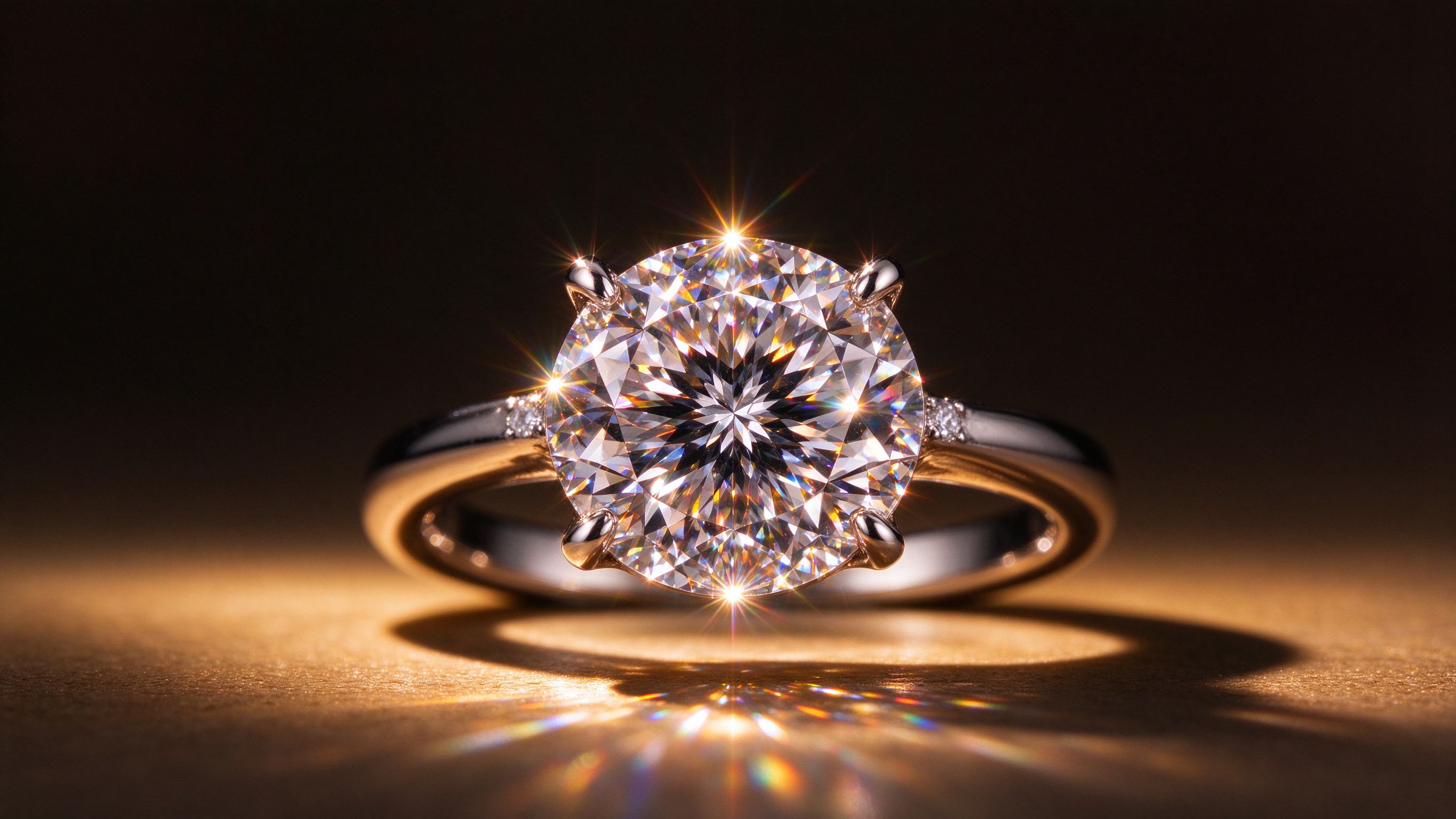
Ring Finishing Touches: Why Polishing, Plating and QC Are Worth Their Cost
A ring's beauty is decided in the final hours, not the first. Polishing, plating, inspection and packing are the finishing touches that transform a cast piece into retail-ready jewellery. This guide explains these steps, their cost, and why they cannot be skipped.
What Happens in the Finishing Stage
After casting and stone setting, a ring enters the finishing stage: hand polishing to a mirror or satin finish, plating for the white layer, prong tightening, and final inspection. This is where raw manufacturing becomes a finished product. Polishing removes casting marks and creates the surface quality; plating delivers the bright white look; the QC step catches defects. Each step is skilled work. A ring that skips finishing looks rough, no matter how good the stone. The finishing stage is where the product's perceived value is created, and it is a real cost in every quote.
Ring tooling is the entry cost of private label. Developing a new die, model or wax pattern for an OEM design is a fixed one-time charge that only makes sense when the order volume spreads it. For repeat ODM catalogues, tooling already exists, which is why off-the-shelf designs price far below fully custom pieces.
Setting method drives labour cost. Prong settings are quick and stone-friendly; bezel settings use more silver and more hours; micro-pav demands the most skilled bench time per stone. When you see a quote jump between two similar-looking rings, the setting method is usually the reason.
Production lead times are planned backwards. A moulded, stock-design ring can move in days; a custom ODM piece with new tooling needs weeks for sampling, approval and bulk casting. We quote the realistic timeline up front so retailers can plan marketing around stock arrival rather than promising dates the floor cannot meet.
Ring weight and material cost move together. Each gram of 925 silver is accounted for, plus the silver lost in casting and polishing. A bulky cathedral setting costs materially more silver than a slim solitaire, and that difference is visible both in the quote and in how the ring feels in the hand.
Finishing touches are a cost centre retailers forget. Hand polishing, rhodium plating, prong tightening, inspection and anti-tarnish packing are real labour and chemistry steps. A factory quote bundles them; a bargain quote that omits them quietly skips them, and the finish you receive will tell the story.
Minimum order quantities exist because of changeover. Switching a line from one ring to another costs setup, plating bath change and tooling alignment, so small runs carry a high per-unit setup charge. Consolidating designs and colours into a planned run is how wholesale buyers bring unit cost down.
Hand Polishing: The Difference It Makes
Polishing is not a quick rub. A finisher works the silver surface through progressively finer abrasives until the desired finish - high polish or matte texture - is achieved. This takes time and attention, especially on detailed settings with crevices. A well-polished ring catches light beautifully; a rushed one shows scratches and haze. The labour invested in polishing is visible to the customer, and it is why two rings of the same design can look quite different. Polishing is one of the clearest signs of quality, and it cannot be automated away without losing the hand-finished look customers pay for.
Matched wedding sets are manufactured as a pair. We cast and finish engagement and band together so the metal tone, width and finish match exactly, rather than hoping two separate orders happen to align. Selling a set raises ticket value and removes the mismatch complaint entirely.
Private label is a workflow, not a sticker. We adapt our existing models to your sizing, plating, engraving and packaging, apply your logo, and produce under your brand name. The moissanite quality and 925 construction stay ours; the customer-facing identity becomes yours.
Quality control on rings is multi-point. Casting inspection for porosity, setting inspection for seat contact, plating thickness by X-ray, and a final prong-tension and polish review. Each gate catches a different defect, and skipping any one gate is how a ring reaches a customer with a stone already working loose.
Pricing logic is transparent once you see the build. Ring price equals silver weight plus stone cost plus setting labour plus finishing and plating plus a share of tooling and overhead. When a buyer understands those five components, negotiating a fair quote becomes a conversation about quantities and processes rather than a haggling contest.
We treat the first sample as the start of a conversation, not a final verdict. Buyers request tweaks, we adjust the model, and we iterate until the design matches the vision. This collaborative loop is why OEM customers end up with rings that feel like their own, not generic catalogue pieces.
Lead times are quoted honestly, including the slowest realistic stage, because a promise the floor cannot keep is worse than a longer but truthful timeline. Buyers plan launches around dates we actually meet. That reliability is a quiet reason brands reorder with the same factory season after season.
Plating as a Finishing Step
Rhodium plating is the final chemical touch that delivers the bright, tarnish-resistant white finish. It requires the cleaned, polished ring to go through the plating line, with measured thickness and proper adhesion. This step adds the rhodium cost and processing time. A ring plated well looks like premium white jewellery; a poorly plated one dulls quickly. The plating step is both aesthetic and protective, and its cost is justified by the finish life it delivers. Buyers should know that plating is a controlled process, not a dip, and its quality determines the ring's long-term appearance.
Bulk runs are quality-checked in samples from start, middle and end of production, so a buyer does not discover that the final rings drifted from the first. Consistency across a run is what makes a wholesale line dependable. We sample-measure plating and sizing on every batch before it ships.
Private label buyers receive the same production quality as our own brand would, because the manufacturing line does not change when the logo does. The only difference is the mark inside the shank. That consistency lets a new brand sell with confidence from its very first order.
The most successful wholesale partnerships grow by sharing data: what sells, what returns, what customers ask for. We use that feedback to refine grades, sizes and designs with the buyer. A factory that listens becomes a product-development partner, not just a supplier, and the range improves together.
Ring tooling is the entry cost of private label. Developing a new die, model or wax pattern for an OEM design is a fixed one-time charge that only makes sense when the order volume spreads it. For repeat ODM catalogues, tooling already exists, which is why off-the-shelf designs price far below fully custom pieces.
Setting method drives labour cost. Prong settings are quick and stone-friendly; bezel settings use more silver and more hours; micro-pav demands the most skilled bench time per stone. When you see a quote jump between two similar-looking rings, the setting method is usually the reason.
Production lead times are planned backwards. A moulded, stock-design ring can move in days; a custom ODM piece with new tooling needs weeks for sampling, approval and bulk casting. We quote the realistic timeline up front so retailers can plan marketing around stock arrival rather than promising dates the floor cannot meet.
Final QC: The Last Line of Defence
Before packing, every ring passes final QC: checking stone security, plating finish, sizing, surface quality and anti-tarnish packing. This inspection catches the defects that would otherwise become customer returns. QC is a labour cost, but it is far cheaper than the returns it prevents. A factory that skips QC to save time ships rings that come back, eroding trust. Our final inspection is the gate that ensures the bulk order matches the approved sample. Buyers who ask about QC standards are asking about the quality discipline that protects their reputation. This step is not optional; it is the assurance of quality.
Ring weight and material cost move together. Each gram of 925 silver is accounted for, plus the silver lost in casting and polishing. A bulky cathedral setting costs materially more silver than a slim solitaire, and that difference is visible both in the quote and in how the ring feels in the hand.
Finishing touches are a cost centre retailers forget. Hand polishing, rhodium plating, prong tightening, inspection and anti-tarnish packing are real labour and chemistry steps. A factory quote bundles them; a bargain quote that omits them quietly skips them, and the finish you receive will tell the story.
Minimum order quantities exist because of changeover. Switching a line from one ring to another costs setup, plating bath change and tooling alignment, so small runs carry a high per-unit setup charge. Consolidating designs and colours into a planned run is how wholesale buyers bring unit cost down.
Matched wedding sets are manufactured as a pair. We cast and finish engagement and band together so the metal tone, width and finish match exactly, rather than hoping two separate orders happen to align. Selling a set raises ticket value and removes the mismatch complaint entirely.
Private label is a workflow, not a sticker. We adapt our existing models to your sizing, plating, engraving and packaging, apply your logo, and produce under your brand name. The moissanite quality and 925 construction stay ours; the customer-facing identity becomes yours.
Quality control on rings is multi-point. Casting inspection for porosity, setting inspection for seat contact, plating thickness by X-ray, and a final prong-tension and polish review. Each gate catches a different defect, and skipping any one gate is how a ring reaches a customer with a stone already working loose.
Why Bargain Quotes Skip These Steps
When a supplier quotes suspiciously low, the saving often comes from skipping finishing: minimal polishing, thin plating, rushed QC. The ring may look acceptable in a photo but deteriorates quickly. A buyer gets what they pay for - and so does the end customer. Understanding that polishing, plating and QC are real, necessary costs helps buyers evaluate quotes fairly. A quote that includes full finishing is not more expensive because of margin; it is more expensive because it includes work that produces a lasting, beautiful ring. Cutting these steps to lower price creates returns that cost more than the saving.
Pricing logic is transparent once you see the build. Ring price equals silver weight plus stone cost plus setting labour plus finishing and plating plus a share of tooling and overhead. When a buyer understands those five components, negotiating a fair quote becomes a conversation about quantities and processes rather than a haggling contest.
We treat the first sample as the start of a conversation, not a final verdict. Buyers request tweaks, we adjust the model, and we iterate until the design matches the vision. This collaborative loop is why OEM customers end up with rings that feel like their own, not generic catalogue pieces.
Lead times are quoted honestly, including the slowest realistic stage, because a promise the floor cannot keep is worse than a longer but truthful timeline. Buyers plan launches around dates we actually meet. That reliability is a quiet reason brands reorder with the same factory season after season.
Bulk runs are quality-checked in samples from start, middle and end of production, so a buyer does not discover that the final rings drifted from the first. Consistency across a run is what makes a wholesale line dependable. We sample-measure plating and sizing on every batch before it ships.
Private label buyers receive the same production quality as our own brand would, because the manufacturing line does not change when the logo does. The only difference is the mark inside the shank. That consistency lets a new brand sell with confidence from its very first order.
The most successful wholesale partnerships grow by sharing data: what sells, what returns, what customers ask for. We use that feedback to refine grades, sizes and designs with the buyer. A factory that listens becomes a product-development partner, not just a supplier, and the range improves together.
How Finishing Drives Customer Satisfaction
The finishing stage is what the customer actually experiences: the smooth polished surface, the bright white plate, the secure stone. A well-finished ring feels premium and lasts, generating satisfaction and repeat business. A poorly finished one feels rough and dulls fast. Because moissanite itself is durable, the customer's long-term experience is largely about the silver finishing. Buyers who invest in proper finishing - and communicate that quality - sell a product customers love. The finishing touches are not hidden costs; they are the product's quality made visible.
Ring tooling is the entry cost of private label. Developing a new die, model or wax pattern for an OEM design is a fixed one-time charge that only makes sense when the order volume spreads it. For repeat ODM catalogues, tooling already exists, which is why off-the-shelf designs price far below fully custom pieces.
Setting method drives labour cost. Prong settings are quick and stone-friendly; bezel settings use more silver and more hours; micro-pav demands the most skilled bench time per stone. When you see a quote jump between two similar-looking rings, the setting method is usually the reason.
Production lead times are planned backwards. A moulded, stock-design ring can move in days; a custom ODM piece with new tooling needs weeks for sampling, approval and bulk casting. We quote the realistic timeline up front so retailers can plan marketing around stock arrival rather than promising dates the floor cannot meet.
Ring weight and material cost move together. Each gram of 925 silver is accounted for, plus the silver lost in casting and polishing. A bulky cathedral setting costs materially more silver than a slim solitaire, and that difference is visible both in the quote and in how the ring feels in the hand.
Finishing touches are a cost centre retailers forget. Hand polishing, rhodium plating, prong tightening, inspection and anti-tarnish packing are real labour and chemistry steps. A factory quote bundles them; a bargain quote that omits them quietly skips them, and the finish you receive will tell the story.
Minimum order quantities exist because of changeover. Switching a line from one ring to another costs setup, plating bath change and tooling alignment, so small runs carry a high per-unit setup charge. Consolidating designs and colours into a planned run is how wholesale buyers bring unit cost down.
Frequently Asked Questions
What is included in ring finishing?
Hand polishing, rhodium plating, prong tightening and final QC. These steps turn a cast piece into retail-ready jewellery and are a real cost in every quote.
Why does polishing matter?
It creates the surface quality customers see. Hand polishing through finer abrasives takes skilled time; rushed polishing leaves scratches and haze.
What does plating add?
The measured rhodium layer gives the bright white finish and tarnish barrier. Proper adhesion and thickness determine how long the ring stays bright.
Why is final QC necessary?
It catches loose stones, thin plating and defects before packing. QC costs labour but is far cheaper than the returns it prevents.
Why are some quotes so much cheaper?
They often skip polishing, plating thickness and QC. A photo may hide it, but the finish deteriorates fast and generates returns.
Conclusion
Polishing, plating and QC are where quality is made visible. They cost real labour, but a ring that receives them feels premium and lasts, while a bargain that skips them dulls and returns. Buyers who understand these steps quote fairly - and sell rings customers love.