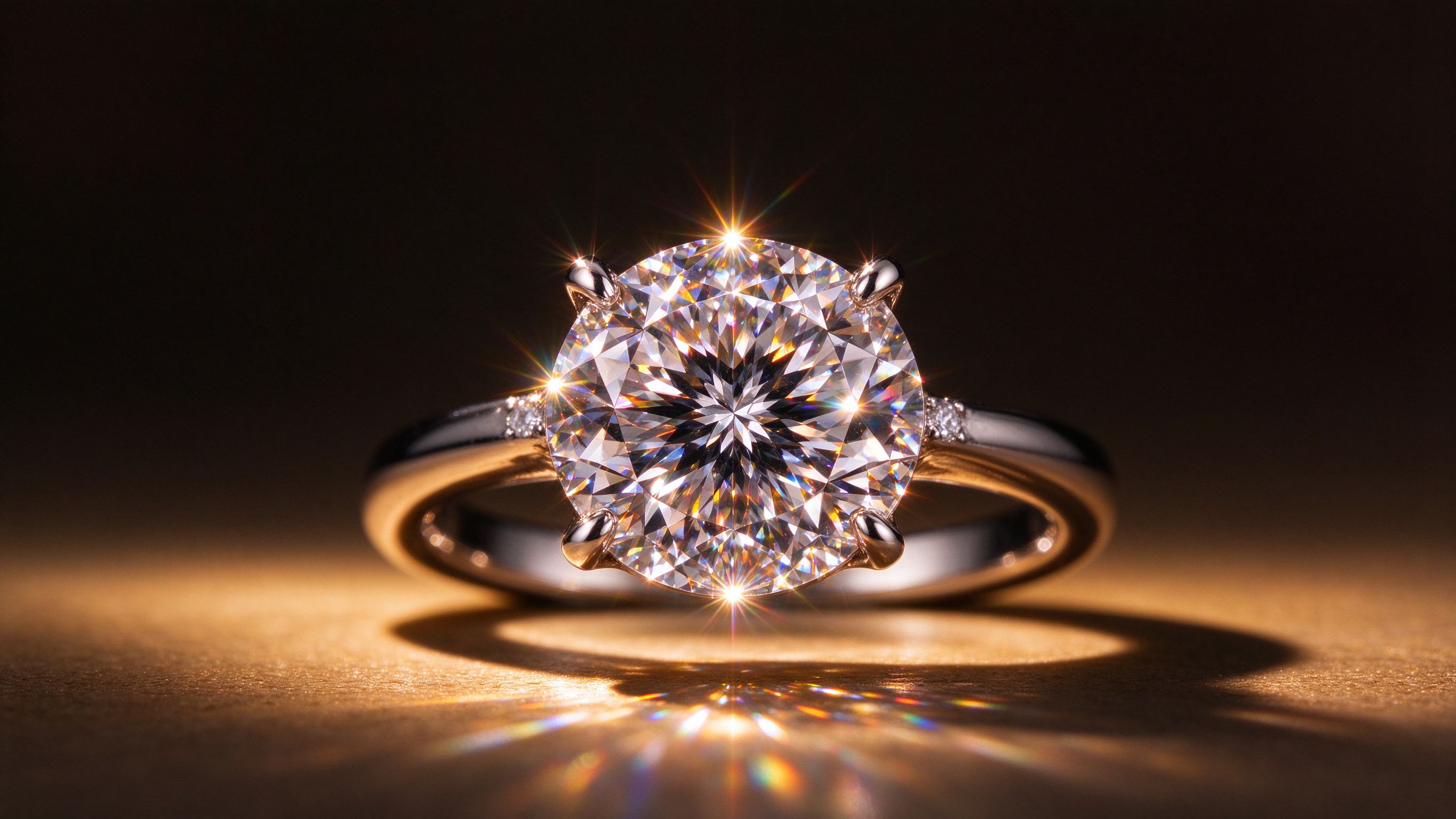
The prongs on a ring are the small metal claws that hold the stone. They are invisible in marketing photos, but they are the part that keeps your stone from falling out. Different prong designs trade off sparkle, protection and cost. Here is what buyers should know before stocking a ring.
Claw (peg) prongs
The classic four- or six-claw setting lifts the stone high and lets light enter from the sides. It maximizes sparkle and makes the stone look larger. The trade-off is that claws catch on things and can bend. Six prongs are safer than four because if one loosens, the others hold.
Bezel settings
A bezel wraps a thin band of metal all the way around the stone. It is the most protective option, ideal for active wearers and rings worn during work. Bezel settings reduce side sparkle but are extremely secure. They also use more metal and take more labor, so they cost a little more.
Basket and halo settings
A basket setting holds the stone from below with a metal grid, often combined with prongs. It adds support and a place for accent stones. It is durable and popular. Cathedral settings lift the stone on two rising shoulders, adding elegance but using more metal.
Durability by lifestyle
- Active hands, manual work: bezel or flush settings.
- Everyday office wear: six prongs, classic.
- Maximum sparkle: four prongs, high setting.
- Children's rings or worry-free wear: bezel.
Cost differences
Claw settings are the cheapest to make. Bezels require more metal and careful fitting. Basket settings fall in between. For wholesale buyers, the difference per ring is small, but the return rate difference is not: poorly set claws cause lost-stone claims. Paying for a well-set ring reduces after-sales cost.
FAQ
How many prongs are best?
Six prongs offer more security than four. Four prongs show more stone and sparkle.
Can prongs be tightened later?
Yes. A jeweler can re-tip or tighten prongs cheaply during cleaning.
Do bezel settings protect the stone?
Yes, they shield the edge of the stone from knocks, which is valuable for softer stones.
Setting quality defines long-term satisfaction. Learn more in Rings Value and Jewelry Care.
How prongs wear in real life
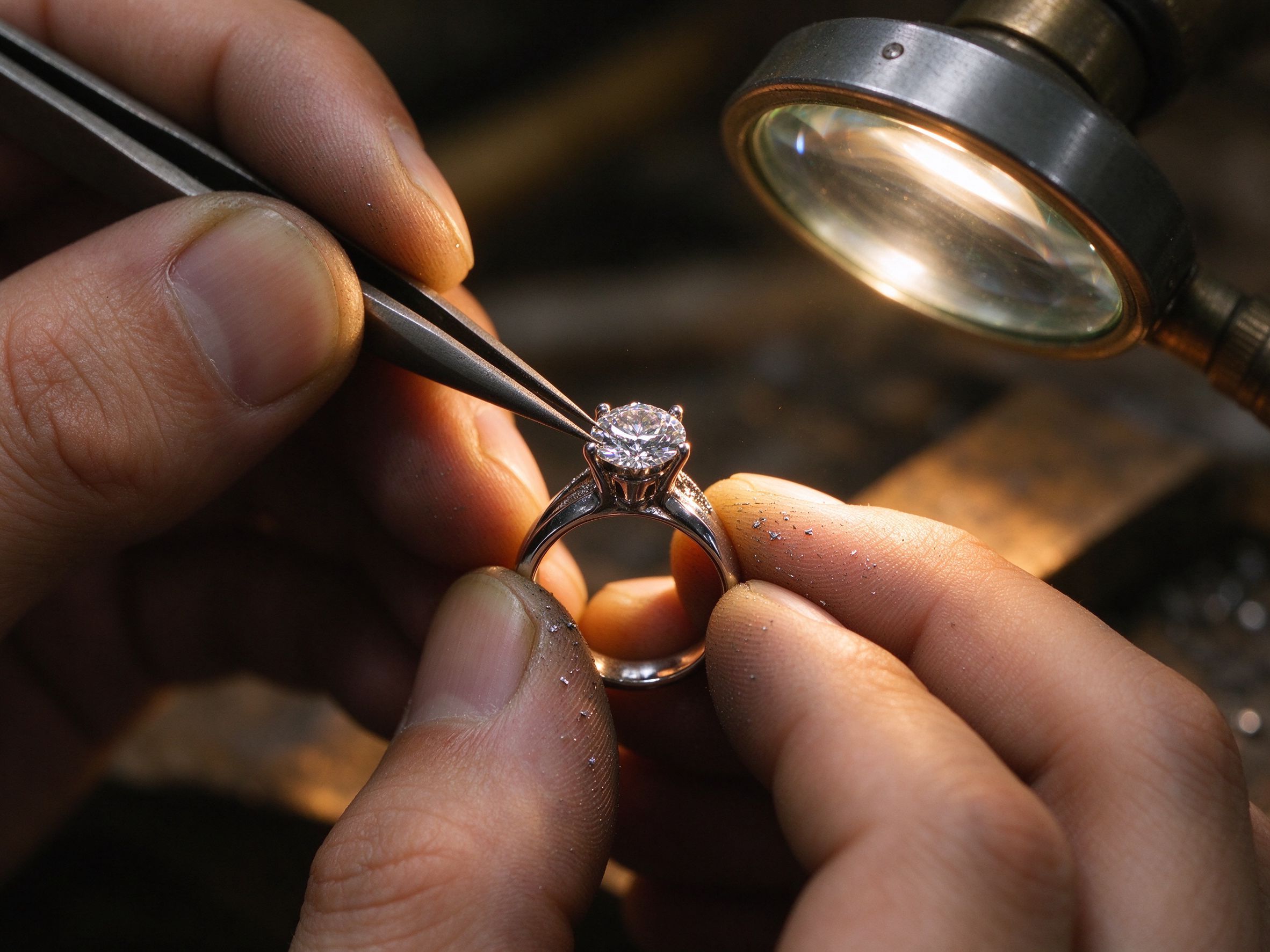
Prongs are small but they carry the whole responsibility of holding the stone. In daily wear, they catch on sweaters, hairbrushes and bedding. Over months, a prong can bend without you noticing, until one day the stone tilts. This is why annual prong checks matter. A jeweler can look at the ring under magnification and see a bent prong long before it becomes a lost stone. The cost of a check is trivial; the cost of a lost center stone is not.
The tip of each prong should be smooth and rounded, not sharp or worn thin. If a prong tip looks flattened or sharp, it is wearing and needs re-tipping. This is a normal, cheap repair. Catching it early keeps the stone secure. Most lost-stone incidents trace back to a prong that wore unnoticed for months.
Choosing setting by lifestyle
Match the setting to how the ring is used. An office worker can wear a delicate four-prong solitaire. A nurse, chef or guitarist needs a bezel or a low six-prong setting that does not catch. A person who never removes their ring should choose the most secure setting. There is no universal best; the best setting is the one that survives that specific wearer. Ask customers about their hands before recommending, and the ring will stay on their finger for years.
Bottom line
Prongs hold the stone, and their design trades sparkle against security. Six prongs are safer than four, bezels are the most protective, and baskets add support. Choose by lifestyle: active hands need a bezel or six prongs, sparkle seekers want four. Check prongs annually, because a tightened prong costs pennies while a lost stone costs the whole ring.
A worked example: a loose prong caught in time
A woman brought in a ring that had been worn daily for a year. During a routine cleaning, the jeweler noticed one prong had bent slightly. The stone was still tight, but the bent prong meant it would have loosened within months. He re-tipped the prong for a small fee. Had she waited, the stone could have fallen out. The lesson is that annual prong checks are cheap insurance. Most lost stones trace back to a prong that wore unnoticed for months. A five-minute look prevents a much larger loss.
Choosing a prong style by lifestyle
Match the prong to how the ring is used. An office worker can wear delicate four prongs and enjoy maximum sparkle. A manual worker or active person should choose a bezel or six prongs that resist catching. People who never remove their ring need the most secure setting. Ask customers about their hands before recommending. A setting chosen for real life stays secure; a setting chosen only for looks may not survive daily wear.
Quick reference checklist
- Six prongs are safer than four.
- Bezel settings are the most protective for active wear.
- Check prongs annually to catch loose tips early.
- Re-tipping a worn prong costs little; losing a stone costs a lot.
- Choose the setting to match the wearer's hands.
Prongs hold the stone, and their design trades sparkle against security. A well-set ring with regular checks stays secure for years. Match the prong style to lifestyle, and inspect them once a year. That simple habit prevents the most common and most expensive jewelry accident: a loose stone falling out.
Protecting the stone is mostly about the prongs. Choose the right design for the wearer, and check them once a year. That routine is cheap, takes minutes, and prevents the loss of a center stone. Treat prong care as normal maintenance and your rings stay secure for decades.
When you resell rings, mention the annual prong check as a free service. It keeps stones secure and brings customers back into contact. A small gesture like this builds a long relationship far beyond the initial sale.