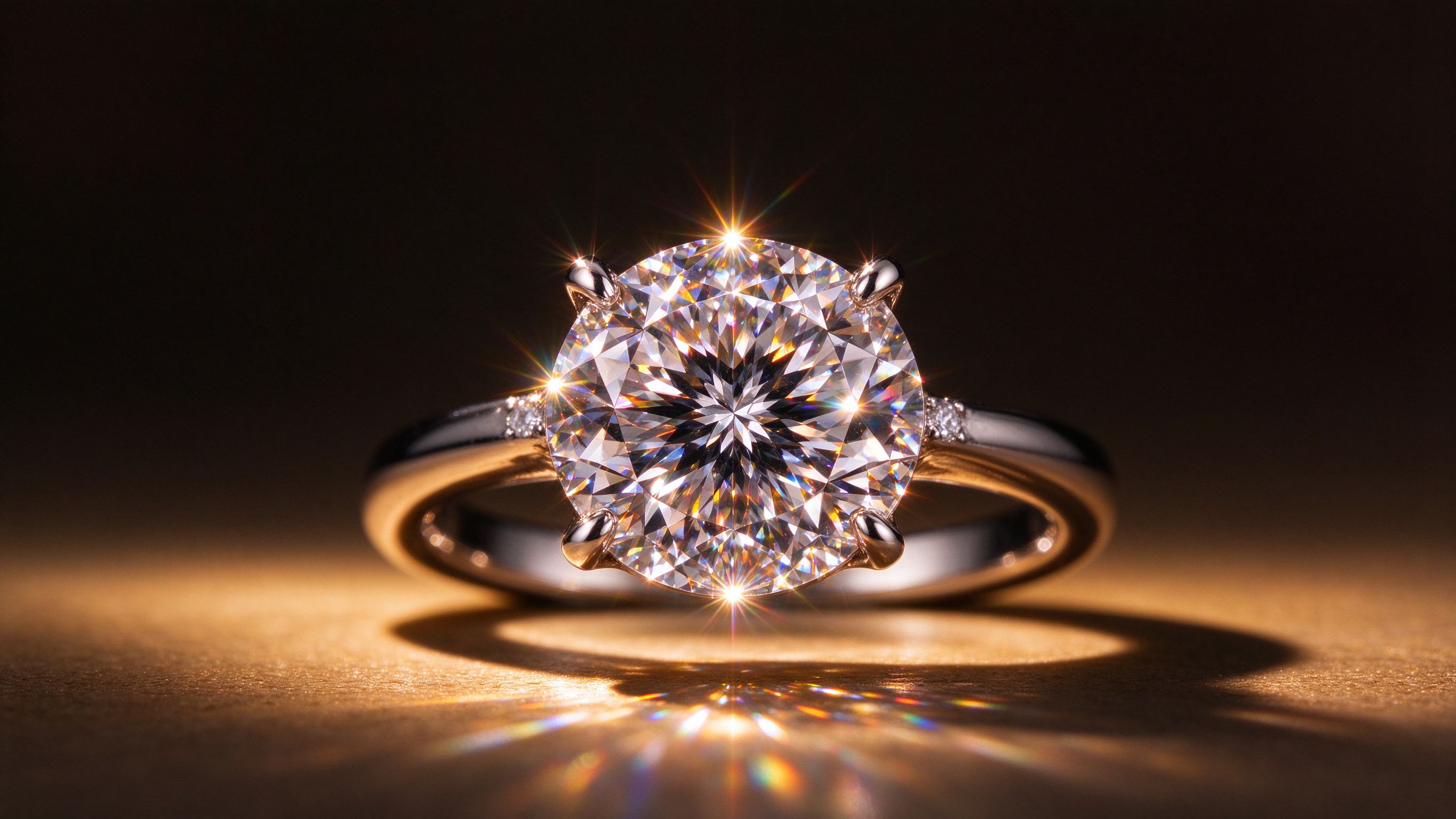
Custom Ring Design to Production: Inside the ODM Workflow
A custom ring moves through a structured journey from idea to finished product. Understanding that workflow helps buyers collaborate effectively, avoid delays and get the design they want. This guide walks through the ODM production process step by step.
Step One: Design Brief and Feasibility
The process begins with a design brief. The buyer shares references, sketches or descriptions, and our team assesses feasibility: whether the design can be cast, how the stones will sit, what the silver weight will be. We advise on practical modifications - for example, suggesting a prong design that secures the stone better. This stage aligns expectations and confirms the design is producible before any cost is committed. A clear, collaborative brief at the start prevents misunderstandings later. The best custom outcomes come from a buyer who describes the vision and a factory that explains what production realistically allows.
Ring weight and material cost move together. Each gram of 925 silver is accounted for, plus the silver lost in casting and polishing. A bulky cathedral setting costs materially more silver than a slim solitaire, and that difference is visible both in the quote and in how the ring feels in the hand.
Finishing touches are a cost centre retailers forget. Hand polishing, rhodium plating, prong tightening, inspection and anti-tarnish packing are real labour and chemistry steps. A factory quote bundles them; a bargain quote that omits them quietly skips them, and the finish you receive will tell the story.
Minimum order quantities exist because of changeover. Switching a line from one ring to another costs setup, plating bath change and tooling alignment, so small runs carry a high per-unit setup charge. Consolidating designs and colours into a planned run is how wholesale buyers bring unit cost down.
Matched wedding sets are manufactured as a pair. We cast and finish engagement and band together so the metal tone, width and finish match exactly, rather than hoping two separate orders happen to align. Selling a set raises ticket value and removes the mismatch complaint entirely.
Private label is a workflow, not a sticker. We adapt our existing models to your sizing, plating, engraving and packaging, apply your logo, and produce under your brand name. The moissanite quality and 925 construction stay ours; the customer-facing identity becomes yours.
Quality control on rings is multi-point. Casting inspection for porosity, setting inspection for seat contact, plating thickness by X-ray, and a final prong-tension and polish review. Each gate catches a different defect, and skipping any one gate is how a ring reaches a customer with a stone already working loose.
Step Two: Prototype and Sample Creation
Once the brief is agreed, we create a prototype - usually a wax or 3D print, then a sample in metal. The sample shows the actual proportions, stone setting and finish, which a rendering cannot. We photograph the sample from multiple angles and send it to the buyer for review. This is the critical checkpoint: the buyer sees the real ring and requests adjustments. Changes at this stage are cheap, because the production mould has not been finalised. Buyers should examine the sample carefully and give specific feedback, because this is the last easy moment to refine the design before mass production.
Pricing logic is transparent once you see the build. Ring price equals silver weight plus stone cost plus setting labour plus finishing and plating plus a share of tooling and overhead. When a buyer understands those five components, negotiating a fair quote becomes a conversation about quantities and processes rather than a haggling contest.
We treat the first sample as the start of a conversation, not a final verdict. Buyers request tweaks, we adjust the model, and we iterate until the design matches the vision. This collaborative loop is why OEM customers end up with rings that feel like their own, not generic catalogue pieces.
Lead times are quoted honestly, including the slowest realistic stage, because a promise the floor cannot keep is worse than a longer but truthful timeline. Buyers plan launches around dates we actually meet. That reliability is a quiet reason brands reorder with the same factory season after season.
Bulk runs are quality-checked in samples from start, middle and end of production, so a buyer does not discover that the final rings drifted from the first. Consistency across a run is what makes a wholesale line dependable. We sample-measure plating and sizing on every batch before it ships.
Private label buyers receive the same production quality as our own brand would, because the manufacturing line does not change when the logo does. The only difference is the mark inside the shank. That consistency lets a new brand sell with confidence from its very first order.
The most successful wholesale partnerships grow by sharing data: what sells, what returns, what customers ask for. We use that feedback to refine grades, sizes and designs with the buyer. A factory that listens becomes a product-development partner, not just a supplier, and the range improves together.
Step Three: Approval and Tooling
After the sample is approved, we finalise the production mould - the tooling. This turns the approved design into a repeatable production asset. The buyer signs off, and the tooling is prepared for casting. At this point, the design is locked: further changes would mean new tooling. We make sure the buyer is fully satisfied with the sample before tooling, because this is the commitment point. Clear final approval avoids the costly situation of discovering a design issue after production begins. Tooling is the bridge from sample to scalable production.
Ring tooling is the entry cost of private label. Developing a new die, model or wax pattern for an OEM design is a fixed one-time charge that only makes sense when the order volume spreads it. For repeat ODM catalogues, tooling already exists, which is why off-the-shelf designs price far below fully custom pieces.
Setting method drives labour cost. Prong settings are quick and stone-friendly; bezel settings use more silver and more hours; micro-pav demands the most skilled bench time per stone. When you see a quote jump between two similar-looking rings, the setting method is usually the reason.
Production lead times are planned backwards. A moulded, stock-design ring can move in days; a custom ODM piece with new tooling needs weeks for sampling, approval and bulk casting. We quote the realistic timeline up front so retailers can plan marketing around stock arrival rather than promising dates the floor cannot meet.
Ring weight and material cost move together. Each gram of 925 silver is accounted for, plus the silver lost in casting and polishing. A bulky cathedral setting costs materially more silver than a slim solitaire, and that difference is visible both in the quote and in how the ring feels in the hand.
Finishing touches are a cost centre retailers forget. Hand polishing, rhodium plating, prong tightening, inspection and anti-tarnish packing are real labour and chemistry steps. A factory quote bundles them; a bargain quote that omits them quietly skips them, and the finish you receive will tell the story.
Minimum order quantities exist because of changeover. Switching a line from one ring to another costs setup, plating bath change and tooling alignment, so small runs carry a high per-unit setup charge. Consolidating designs and colours into a planned run is how wholesale buyers bring unit cost down.
Step Four: Bulk Production
With the mould ready, bulk production begins: casting, stone setting, finishing and plating for the full order. The approved sample becomes the reference standard, and every production ring is checked against it for consistency. We run QC at each stage so the bulk order matches the approved sample. This is where the design scales - the sample's quality is replicated across the run. Buyers can request production progress photos if they wish. The bulk stage is the longest part of the workflow, but it is the most controlled, because the design and process are already proven on the sample.
Matched wedding sets are manufactured as a pair. We cast and finish engagement and band together so the metal tone, width and finish match exactly, rather than hoping two separate orders happen to align. Selling a set raises ticket value and removes the mismatch complaint entirely.
Private label is a workflow, not a sticker. We adapt our existing models to your sizing, plating, engraving and packaging, apply your logo, and produce under your brand name. The moissanite quality and 925 construction stay ours; the customer-facing identity becomes yours.
Quality control on rings is multi-point. Casting inspection for porosity, setting inspection for seat contact, plating thickness by X-ray, and a final prong-tension and polish review. Each gate catches a different defect, and skipping any one gate is how a ring reaches a customer with a stone already working loose.
Pricing logic is transparent once you see the build. Ring price equals silver weight plus stone cost plus setting labour plus finishing and plating plus a share of tooling and overhead. When a buyer understands those five components, negotiating a fair quote becomes a conversation about quantities and processes rather than a haggling contest.
We treat the first sample as the start of a conversation, not a final verdict. Buyers request tweaks, we adjust the model, and we iterate until the design matches the vision. This collaborative loop is why OEM customers end up with rings that feel like their own, not generic catalogue pieces.
Lead times are quoted honestly, including the slowest realistic stage, because a promise the floor cannot keep is worse than a longer but truthful timeline. Buyers plan launches around dates we actually meet. That reliability is a quiet reason brands reorder with the same factory season after season.
Step Five: QC, Packing and Delivery
Before shipping, the order passes final QC: stone security, plating finish, sizing and anti-tarnish packing. We then pack the rings to protect them in transit and ship. The workflow closes with delivery, ideally on the timeline agreed. For repeat orders, the mould is stored, so the next order skips the early stages and moves straight to bulk production. This closing stage is where the buyer receives the finished product, and the QC ensures it matches the approved design. A smooth delivery confirms the whole workflow worked as planned.
Bulk runs are quality-checked in samples from start, middle and end of production, so a buyer does not discover that the final rings drifted from the first. Consistency across a run is what makes a wholesale line dependable. We sample-measure plating and sizing on every batch before it ships.
Private label buyers receive the same production quality as our own brand would, because the manufacturing line does not change when the logo does. The only difference is the mark inside the shank. That consistency lets a new brand sell with confidence from its very first order.
The most successful wholesale partnerships grow by sharing data: what sells, what returns, what customers ask for. We use that feedback to refine grades, sizes and designs with the buyer. A factory that listens becomes a product-development partner, not just a supplier, and the range improves together.
Ring tooling is the entry cost of private label. Developing a new die, model or wax pattern for an OEM design is a fixed one-time charge that only makes sense when the order volume spreads it. For repeat ODM catalogues, tooling already exists, which is why off-the-shelf designs price far below fully custom pieces.
Setting method drives labour cost. Prong settings are quick and stone-friendly; bezel settings use more silver and more hours; micro-pav demands the most skilled bench time per stone. When you see a quote jump between two similar-looking rings, the setting method is usually the reason.
Production lead times are planned backwards. A moulded, stock-design ring can move in days; a custom ODM piece with new tooling needs weeks for sampling, approval and bulk casting. We quote the realistic timeline up front so retailers can plan marketing around stock arrival rather than promising dates the floor cannot meet.
How Buyers Can Keep the Workflow Smooth
The workflow's speed depends on collaboration. Buyers who give clear briefs, respond quickly to samples and give specific feedback keep the process moving. Delays usually come from slow feedback or last-minute design changes after tooling. We recommend buyers designate a decision-maker for approvals and plan their own launch timeline around each stage. When buyer and factory communicate well, custom design to production is predictable and efficient. The workflow is a partnership: the factory handles production expertise, and the buyer provides clear direction and timely decisions.
Ring weight and material cost move together. Each gram of 925 silver is accounted for, plus the silver lost in casting and polishing. A bulky cathedral setting costs materially more silver than a slim solitaire, and that difference is visible both in the quote and in how the ring feels in the hand.
Finishing touches are a cost centre retailers forget. Hand polishing, rhodium plating, prong tightening, inspection and anti-tarnish packing are real labour and chemistry steps. A factory quote bundles them; a bargain quote that omits them quietly skips them, and the finish you receive will tell the story.
Minimum order quantities exist because of changeover. Switching a line from one ring to another costs setup, plating bath change and tooling alignment, so small runs carry a high per-unit setup charge. Consolidating designs and colours into a planned run is how wholesale buyers bring unit cost down.
Matched wedding sets are manufactured as a pair. We cast and finish engagement and band together so the metal tone, width and finish match exactly, rather than hoping two separate orders happen to align. Selling a set raises ticket value and removes the mismatch complaint entirely.
Private label is a workflow, not a sticker. We adapt our existing models to your sizing, plating, engraving and packaging, apply your logo, and produce under your brand name. The moissanite quality and 925 construction stay ours; the customer-facing identity becomes yours.
Quality control on rings is multi-point. Casting inspection for porosity, setting inspection for seat contact, plating thickness by X-ray, and a final prong-tension and polish review. Each gate catches a different defect, and skipping any one gate is how a ring reaches a customer with a stone already working loose.
Frequently Asked Questions
How does custom ring production start?
With a design brief. We assess feasibility, advise on producibility and align on the vision before committing cost. A clear brief prevents later misunderstandings.
What is the sample stage for?
We produce a metal sample showing real proportions and finish, photograph it, and get your feedback. Changes here are cheap, before the mould is locked.
When is the design finalised?
When you approve the sample and we prepare the production mould. After tooling, the design is locked; further changes require new moulds.
How does bulk production ensure consistency?
The approved sample is the reference standard, and every ring is checked against it through staged QC. The sample's quality is replicated across the run.
How can I speed up the workflow?
Give clear briefs, respond promptly to samples, and avoid design changes after tooling. Fast, specific buyer feedback keeps the whole process on schedule.
Conclusion
Custom ring production is a staged workflow: brief, sample, approval, tooling, bulk and QC. Each checkpoint exists to lock in the design before scaling, and smooth collaboration makes it predictable. Buyers who treat the workflow as a partnership get their design right the first time - and repeat orders quickly thereafter.