Rhodium Plating Thickness on Necklaces - HOLYCOME
Two necklaces can look identical the day they arrive in your store, both bright white, both sparkling, both stamped S925. Six months later, one still looks new while the other has gone grey at the clasp and along the bottom edge. The difference is almost never the silver, the stone, or the workmanship. It is the thickness of the rhodium plating, and it is one of the most quietly manipulated variables in wholesale jewelry pricing. As a factory that plates thousands of silver necklaces a month, we want to show you exactly what plating thickness means, how it is measured, why cheap plating fails, and how to spec it so the necklace you sell stays white long enough to earn its price.
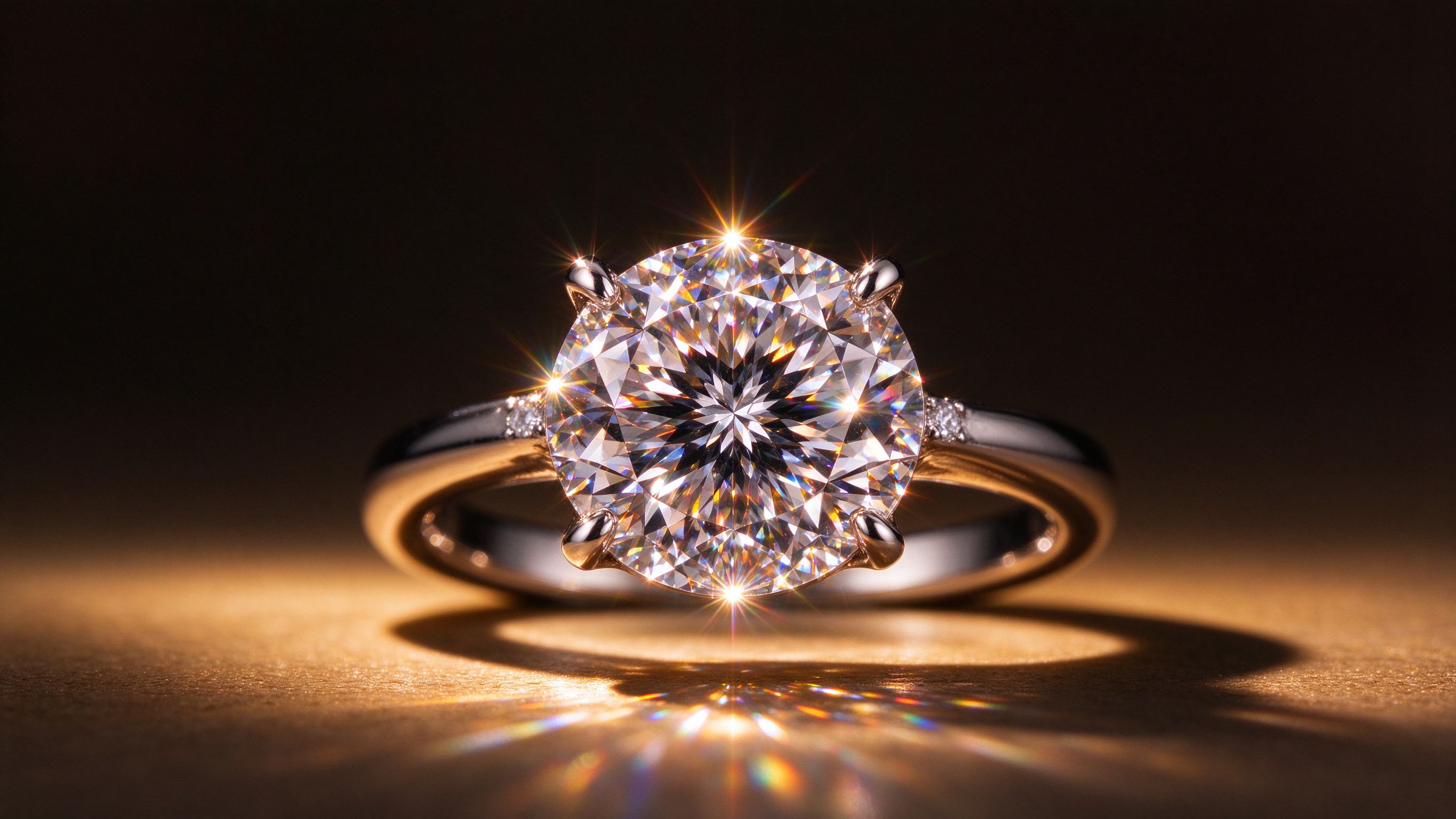
Rhodium plating is the thin, bright, white metal layer that gives sterling silver its diamond-like finish. It is not decoration; it is functional. It seals the silver against tarnish, it hardens the surface against scratches, and it creates the cool white tone that makes a colorless moissanite look its best. But plating is a measured layer, not an on-off switch, and the difference between a two-micron plate and a half-micron plate is the difference between a necklace that holds up for years and one that disappoints in a season. This guide is the plating spec we wish every buyer asked us for.
What Rhodium Actually Does on a Silver Necklace
Before talking thickness, understand why the plate exists at all. Sterling silver on its own is a warm grey metal that tarnishes and scratches, and it does not naturally read as the bright white customers expect from a moissanite pendant. Rhodium, a member of the platinum family, is applied in an electroplating bath where the silver pendant is made the cathode and a tiny amount of rhodium is deposited atom by atom onto its surface. The result is a brilliantly white, hard, tarnish-resistant skin over the silver. That skin is what customers actually see and touch when they put the necklace on, which is why the quality of the plate matters more than the customer ever realizes. We explain the care side in rhodium plating care.
The plate also protects the silver underneath. Silver is relatively soft, and daily wear would scratch and dull it quickly without the hard rhodium layer on top. Rhodium is far harder than silver, so it takes the brunt of friction from clothing, perfume, and skin. When that hard layer wears through, the softer silver underneath starts to show scratches and tarnish, and the necklace looks old even though the pendant itself is structurally perfect. This is why plating thickness is a durability spec, not just an aesthetic one: the thicker the plate, the longer the necklace looks new.
How Plating Thickness Is Measured
Rhodium thickness is measured in microns, a unit most buyers do not deal with day to day, which is exactly where cost-cutting hides. A micron is one thousandth of a millimeter. A typical decorative rhodium plate on fashion jewelry might be half a micron or even less. A proper jewelry-grade plate, the kind that lasts, is closer to one micron or more. The human eye cannot distinguish a half-micron plate from a two-micron plate on day one. Both look identically white and bright. The difference only appears months later, when the thin plate has worn away at the high-friction points and the thicker one is still intact. This invisible difference is why a cheap necklace can pass a showroom inspection and still come back as a complaint.
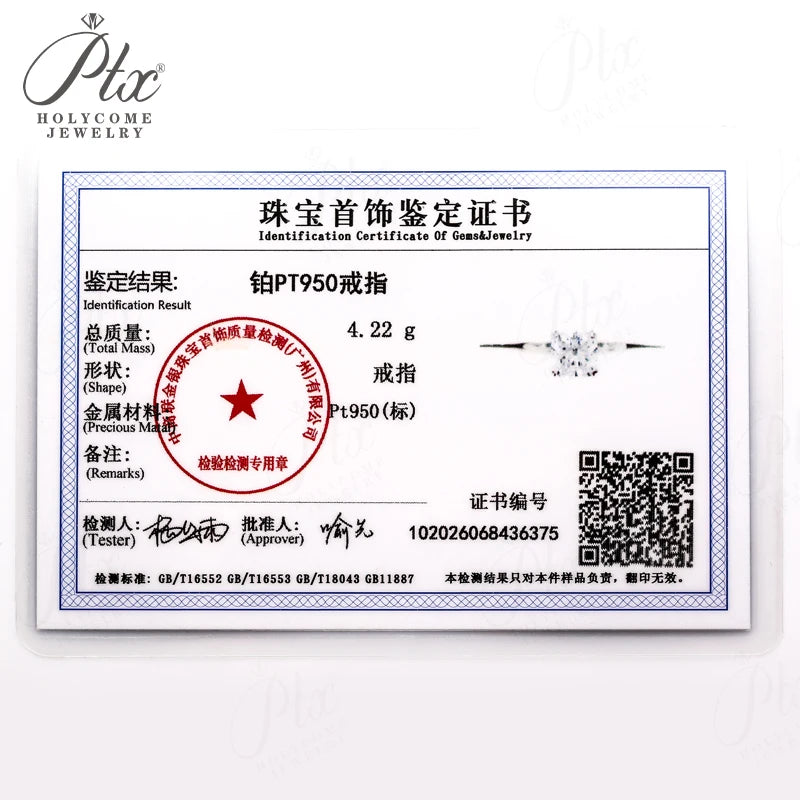
We quote plating thickness on our more detailed orders because we want buyers to know what they are getting, and we measure it with a thickness gauge during quality control. The spec you agree on should be in writing, because without a number there is nothing to enforce. A supplier who will not tell you the plating thickness is usually a supplier who is running a flash plate to save cost, and that saving comes directly out of your product's lifespan. The same principle we describe for earrings in plating thickness on posts and fronts applies to necklaces, where the wear points are the clasp, the bail, and the back of the pendant.
Where a Necklace Wears Its Plating First
Plating does not wear evenly across a necklace, and knowing where it wears tells you where thickness matters most. The clasp is the hardest-worked point, opened and closed every day, rubbed against the chain, so its plating wears first. The bail, where the pendant meets the chain, flexes and rubs constantly. The bottom edge of the pendant, resting against skin and clothing, sees friction from sweat and fabric. The back of the pendant, pressed against the chest, wears from body contact. These are the spots where a thin plate shows grey first, and they are exactly the spots customers notice, because the clasp sits right in front of the mirror when they put the necklace on.
This uneven wear is why a uniform thin plate is a false economy. You could save cost by plating the whole pendant thinly, but the clasp and bail would fail first regardless. The honest fix is to plate the whole piece to a thickness that survives those high-friction zones, because the necklace is judged by its worst-wearing spot. We discuss the plating consistency work that keeps every piece matching in rhodium plating finish consistency, and the wear-point analysis is part of how we set the right spec rather than guessing.
What a Thin Plate Costs You in Returns
The real cost of a cheap flash plate is not the few cents saved at the factory; it is the returns, reviews, and reputational damage that follow when the necklace grey out two months after purchase. A customer who buys a silver moissanite necklace expecting it to stay white, and then watches it turn dull at the clasp, does not understand rhodium wear. She thinks the jewelry is cheap, badly made, or a rip-off, and she leaves the review to prove it. That review costs you far more than the few extra cents per necklace it would have taken to plate properly. In a world where online buying lives or dies on reviews, skimping on plating is one of the most expensive savings a brand can make.
Returns compound the cost. A returned necklace has to be shipped back, inspected, replated or scrapped, and refunded, all of which erases the margin on not just that sale but several others. When we see a buyer choosing the thinnest plate to hit a price point, we warn them that the return rate will likely eat the saving, and the data usually proves us right. We frame the full economics in polishing and finishing costs, and plating thickness is one of the biggest levers in that math.
How Plating Thickness Changes Over the Piece's Life
It helps to picture the timeline. A properly plated necklace, worn daily, will stay bright and white for roughly twelve to twenty-four months before the high-friction points start to show the silver beneath. At that point, the piece is not ruined; it simply needs a refresh. A replate is inexpensive, and it restores the necklace to like-new condition, which is why we position plating as a renewable layer rather than a permanent finish. A thin-plated necklace reaches that same state in three to six months, which means the customer needs a service visit far sooner, or worse, assumes the piece is worn out and stops wearing it. The thicker plate simply pushes that maintenance date out, giving the customer years of wear before any service is needed.
This long lifespan is also a selling point you can use. Telling a customer that her silver necklace can be replated and worn for decades turns a disposable purchase into a lasting one, and it justifies a higher price. We explain how this care relationship builds loyalty in care kits and service, and it starts with choosing a plate thick enough to last between those services. A necklace that needs replating every few months becomes a chore; one that needs it every two years becomes a non-event.
The Silver Underneath Still Matters
No plating thickness fixes a bad substrate. The rhodium sits on top of the sterling silver, and if the silver underneath is thin, porous, or poorly finished, the plate will not hide it. A rough silver surface shows through even a thick plate, because rhodium is thin and follows the contours of what is beneath it. This is why polishing quality before plating is so important: the silver must be brought to a high shine first, so the rhodium simply protects and brightens an already perfect surface. Cutting the pre-plate polishing to save time makes even a thick plate look mediocre, which is why we treat polishing and plating as one integrated step rather than two separate costs.
This is also where cheap suppliers hide another corner. They may plate to a spec on paper, but skip the intermediate polishing stages, so the finished necklace looks faintly dull rather than brilliantly white. The fix is not more rhodium; it is better polishing. When you audit a supplier, ask not only about plating thickness but about how many polishing stages go on before the plate. We lay out the finishing process in pendant casting and finishing, and the pre-plate polish is the step that separates a bright necklace from a cloudy one.
Why We Cannot Plate Thicker on Every Piece
A reasonable question buyers ask is why we do not simply plate every necklace as thick as possible and be done with it. The answer is that thicker plating is not free, and it carries real tradeoffs. Thicker rhodium takes longer in the plating bath, which slows the line and raises the cost per piece. It can also build up unevenly in small crevices, dulling fine detail or filling in tiny pavé settings if not controlled carefully. For a highly detailed pendant, a very thick plate can actually soften the crisp edges the design depends on. The right thickness is a balance: thick enough to last, thin enough to preserve the detail and keep the price honest. This is why we tune the spec to the design rather than defaulting to the maximum, and it is the same balancing act we describe for earrings in plating adhesion on earrings.
There is also a cost ceiling. Rhodium is a precious metal, and the bath chemistry and time needed to build thickness are real expenses. Plating a budget fashion necklace to the thickness of an engagement ring would price it out of its market. The skill is matching the plate to the price point and the expected wear life. A necklace sold as an everyday, affordable piece needs a plate that survives a year or two; a bridal keepsake needs one that lasts much longer. We help buyers set that target rather than over-engineering every piece, because over-plating a cheap necklace is just as much a waste as under-plating an expensive one.
Climate and Skin: Why Some Necklaces Tarnish Faster
Not every necklace wears its plate at the same rate, and the customer's environment is a big reason. Necklaces sold to humid coastal markets tarnish faster than those sold in dry climates, because moisture accelerates silver reaction underneath even the best plate. Customers with acidic skin chemistry, or who use a lot of lotion and perfume, wear plating faster than customers with neutral skin. This is not a defect in the necklace; it is the reality of how jewelry meets individual bodies. We discuss the body chemistry factor in body chemistry and jewelry care, and it matters because it sets realistic expectations.
The practical takeaway for a buyer is to offer care guidance matched to the market. In humid regions, include anti-tarnish packaging and advise customers to store pieces away from moisture. In markets where customers wear heavy skincare, remind them to put necklaces on after applying lotion. A customer who understands that plating wears at different rates for different bodies is a customer who does not blame the jewelry for normal wear. That expectation management costs nothing and prevents a surprising number of returns, and it pairs naturally with the care kits we describe in retail care kits.
How to Audit a Supplier's Plating Before You Order
Because plating is invisible on arrival, verifying it before you commit to a large order is essential. The first step is simply to ask for the micron spec in writing and see how the supplier responds. A factory that can state a thickness comfortably is a factory that controls its process; one that dodges the question or offers a vague answer is likely running whatever plate is cheapest. The second step is to order a small sample and actually wear it, or have someone wear it, for a few weeks in real conditions. A properly plated sample will still look bright after a month of daily wear; a flash-plated one will start to grey at the clasp. That small wear test is the single best due diligence you can do.
The third step is to look at consistency across the sample. Pull several pieces from a batch and compare the clasp plating, the bail, and the pendant edge under a loupe. Plating that is even across every piece indicates a controlled plating rack and process. Plating that varies, bright on one piece and thin on another, signals a rushed bath. We talk through our own inspection workflow in wholesale silver plating care, and the point is that good plating is consistent plating, not just thick plating on a single lucky sample. Audit the batch, not just the showpiece.
The Marketing Value of a White Finish That Stays White
There is a marketing angle to plating that buyers rarely consider. A necklace that stays bright white for years photographs consistently, season after season. A necklace whose plating wears unevenly forces you to reshoot product images constantly, because the piece in the photo no longer matches the piece on the shelf. For an online brand, consistent plating means consistent imagery, accurate listings, and fewer customers complaining that the necklace arrived looking different from the photo. That consistency is part of the perceived quality of your whole brand, not just one necklace. When every piece you ship looks as white as the sample you approved, your customers trust the listing, and that trust drives conversion far more than any discount.
We see this payoff with our repeat buyers. The brands that spec a proper, consistent plate are the ones whose product photos age well and whose reviews repeatedly mention how white and new the necklace looks. The brands that chase the cheapest plate are the ones rewriting descriptions and apologizing in comments. Plating thickness, in this sense, is not just a manufacturing spec; it is a branding decision that shows up in every photograph, every review, and every customer's first impression. Spec it well, and the whole catalog feels more premium, at a cost that barely moves the unit price. It is a small detail with a large payoff, exactly the kind of specification that separates a professional jewelry brand from a reseller who treats plating as an afterthought. When you make the plating spec a fixed part of every order, you stop guessing at why some necklaces age well and others do not, and you give your customers a consistent experience they can rely on. That consistency is worth more than any one-time saving on a cheaper bath, because it is the difference between a customer who trusts your shop and one who quietly moves on. We would rather plate every necklace to a spec we can defend than win an order by shaving a micron the customer will later feel.
Frequently Asked Questions
What plating thickness should I spec for wholesale necklaces? Aim for at least one micron of rhodium on daily-wear silver necklaces, with attention to the clasp and bail. Anything under half a micron is a flash plate that will wear within months and generate returns.
How can I tell if a necklace has a thin plate? On day one you cannot, which is the problem. After a few weeks of wear, grey or yellow showing at the clasp, bail, or pendant edge is the tell. Ask the supplier for the micron spec in writing rather than trusting appearance.
Can a worn rhodium plate be restored? Yes. A professional replating strips and reapplies a fresh rhodium layer, returning the necklace to like-new condition. It is an inexpensive service, and a necklace can be replated many times over its life.
Does thicker plating mean a higher price? Slightly, because thicker plating takes longer in the bath. But the cost is tiny compared with the return savings. A properly plated necklace earns its modest price premium many times over in fewer complaints.
Should I store silver necklaces with anti-tarnish strips? Yes, especially in humid climates. Anti-tarnish strips and silica packs in the packaging slow the silver reaction underneath the plate and extend the time between replating. It is a cheap kitting step that helps the necklace arrive and stay brighter.
Is rhodium plating on silver permanent? No. It wears gradually with friction and must be refreshed over years of daily wear. It is a renewable protective layer, not a permanent finish, and a necklace can be replated repeatedly.
Spec the Plate the Necklace Deserves
The plating on your necklaces is the difference between a product that looks new for a season and one that looks new for years, and that difference is measured in microns most buyers never see. By asking for the plating thickness in writing, insisting on proper pre-plate polishing, and positioning replating as a service rather than a defect, you turn an invisible cost variable into a concrete advantage. Your customers get a necklace that stays white, your return rate drops, and your brand earns the trust that brings the next order.
We plate every necklace that leaves our Wuzhou factory to a spec we are happy to put on paper, and we will walk you through the thickness and polishing stages we recommend for your price point. Reach our team at service@holycome.com, and see our guides on plating consistency and wholesale necklaces to build a line that stays bright. When the plate is right, the rest of the necklace is already done.