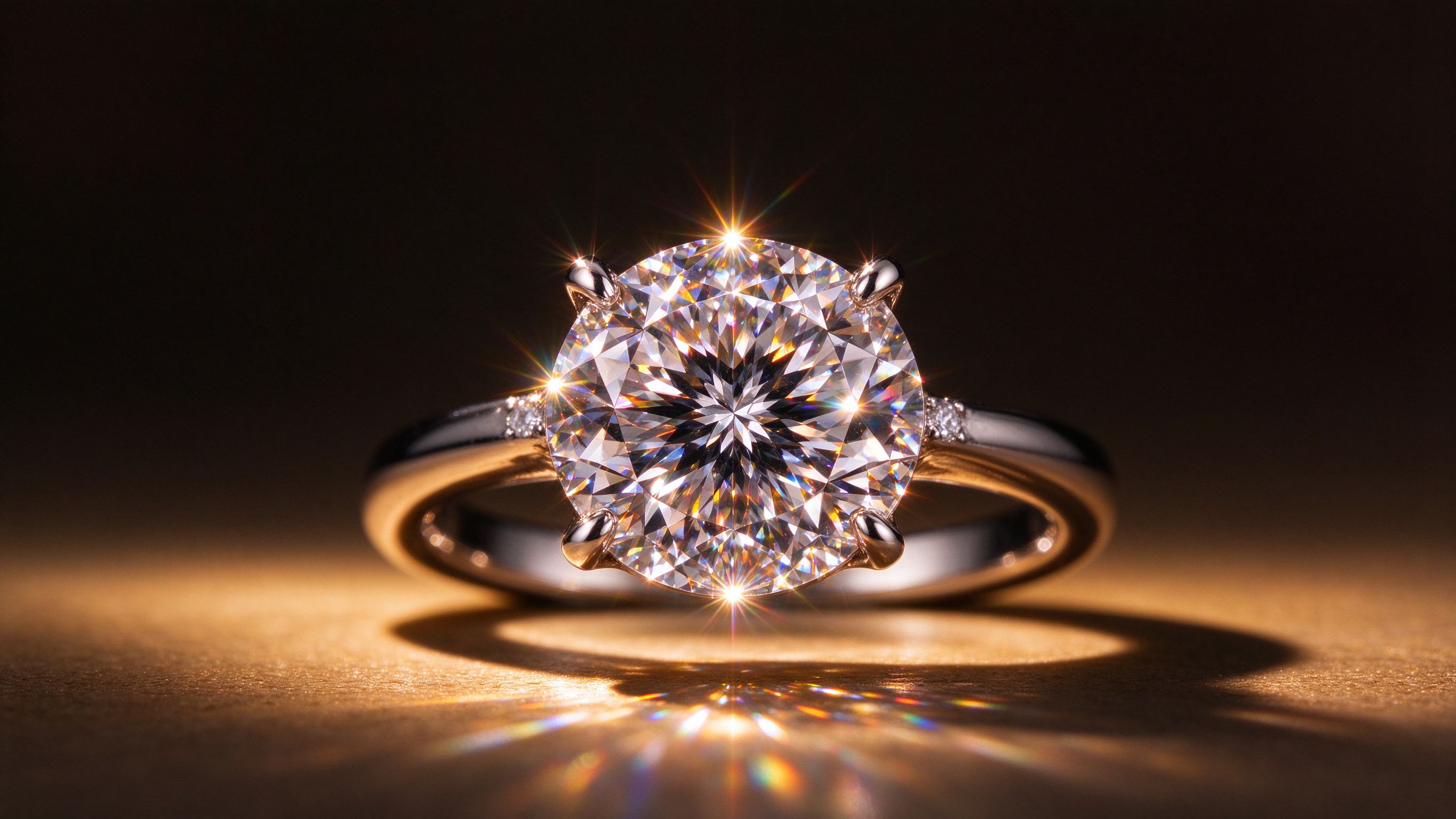
Pregnancy and Jewelry: Body Chemistry Changes and Ring Fit
Pregnancy changes almost everything about how jewelry fits and feels, and rings are the first thing people notice. Fingers swell in the second and third trimester, a previously comfortable band suddenly feels tight, and some women find their skin reacts to metals it tolerated for years. The moissanite in a ring is unaffected by any of this, but the band around it is a different matter. As a moissanite manufacturer, we see questions from pregnant customers and the brands who sell to them about what to do with a ring when the body changes. This guide covers the swelling, the skin reactions, the loosening that can happen afterward, and how to wear a moissanite ring safely through pregnancy and beyond without stressing the setting or the finger.
The reassuring news up front: none of these changes damage the moissanite. A stone does not care whether your finger has swollen, whether your skin pH has shifted, or whether you are sweating more than usual. What changes is the fit and the skin interaction, and both are manageable. Read on for the practical factory perspective on keeping your ring safe and comfortable through months of body change.
Why Fingers Swell During Pregnancy
Pregnancy brings higher blood volume and fluid retention, and those fluids settle in the extremities, the fingers, toes, and ankles. Ring size can go up half a size, a full size, or more, especially late in the day and in warmer weather. A ring that fit perfectly in the first trimester may feel snug by the third, and trying to force it off can panic everyone involved. This is normal, and it is temporary for most people, though some keep a half-size larger ring permanently after pregnancy.
The danger is not the swelling itself. It is a ring that becomes too tight and will not come off. A constricting ring can cut off circulation, and removing a swollen finger from a tight ring is one of the classic jewelry emergencies. Do not wait until the ring is stuck. If it feels snug in the morning, take it off before the swelling peaks later in the day. A ring worn loosely in the morning tightens as the day goes on, so plan ahead rather than reacting at the end of the afternoon.
We tell wholesale customers to expect this question. A pregnancy engagement ring is a meaningful object, and nobody wants to remove it. But the safe advice is to switch to a comfort-fit band, wear it only part-time, or move to a temporary larger-size band for the third trimester. The moissanite and setting are safe; the finger is what needs the room. Many women buy a cheap silicone band to wear during the day and keep the real ring for evenings, which is a perfectly sensible approach.
Skin Reactions: Why a Familiar Metal Suddenly Irritates
Some women develop skin reactions during pregnancy to metals they wore without issue for years. Hormonal shifts change skin pH and sensitivity, and the copper in sterling silver or the nickel in some alloys can start to irritate. This is the same mechanism behind the green-finger discoloration we explain in our article on skin discoloration, but amplified by changing chemistry. The ring is not defective; the skin has changed.
Reactions usually show as a faint green or grey ring around the finger, or a mild rash under the band. If this happens, stop wearing the ring for a few days, keep the area dry, and clean the band thoroughly. Most reactions ease once the pregnancy hormones settle. If the irritation persists, a higher-karat gold or platinum setting is less reactive than sterling silver, and a talk with a dermatologist is reasonable. The moissanite itself is inert and never causes a reaction.
Sweat is heavier during pregnancy, and that sweat sits under the band and accelerates both tarnish and any skin reaction. Clean the ring more often in the final months, and dry the finger and band thoroughly. We cover the wash method in our guide to cleaning moissanite at home. A cleaner band and a drier finger prevent most of the irritation.

What Happens After Pregnancy: The Ring May Feel Loose
The reverse problem arrives after the baby. Once the fluid retention eases, many women find their rings suddenly too big. A band that was tight in the third trimester spins around the finger and may slip off. This is the moment to check the prongs, because a spinning ring knocks against surfaces more and can work a prong loose. If the ring now turns freely, wear it less often until you can resize, and check the stones more frequently.
Resizing after pregnancy is normal and expected. Wait until your finger has stabilized, which is usually a few months postpartum, before committing to a new size. Resizing too early means another resize later, because the body is still settling. A comfort-fit band is more forgiving of the small size fluctuations that persist for months. We produce both standard and comfort-fit bands, and we recommend comfort fit for anyone expecting long-term size changes.
Loose rings also slip off more easily at the worst moments, in water, on a slippery surface, or during sports. A ring that spins is a ring at higher risk of loss, so treat it like the emergency we describe in our article on loose stone and fit issues. Take it off when gardening, washing dishes, or bathing, and do not wear it swimming. A snug ring stays on; a loose one does not.
Caring for the Ring Through Hormonal Changes
Pregnancy does not change how the ring should be cleaned, but it may change how often. Heavier sweat and more hand washing mean the band films faster. Stick to the monthly soapy wash, and if you are washing your hands much more often, rinse and dry the ring with you. The moissanite stays brilliant through all of it, but a film on the surface cuts the sparkle, so a slightly more frequent clean keeps the ring looking its best.
Plating can dull faster during heavy sweat periods, which is normal. If your white ring starts to look grey late in pregnancy, that is the plating, not a reaction. We explain plating lifespans in our rhodium care guide, and the fix is a re-plate whenever you are ready. There is no rush to do it during pregnancy, and many women wait until after the birth for any jewelry appointments.
- Take the ring off before the swelling peaks in the afternoon.
- Keep the finger and band dry to prevent skin reactions.
- Clean monthly in warm soapy water.
- Check prongs more often once the ring spins postpartum.
- Wait for size to stabilize before resizing.
Earrings and Necklaces Through Pregnancy
Rings get all the attention, but earrings and necklaces also change. Earring holes, especially in newly pierced ears, can close faster during hormonal shifts, and a heavy dainty earring may feel more comfortable swapped for studs. Lobules stretch and soften, so heavy drop earrings pull more than they used to. This is a wearable-comfort issue, not a safety one; switch to lighter studs for the heavier months and the heavier pieces can come back afterward.
Necklaces can feel tighter as the neck changes, and the perspiration of later pregnancy films a chain faster. A shorter chain may start to feel snug where a longer one was fine. The practical fix is the same as for rings: clean more often, keep the skin dry, and switch to a length that does not feel restrictive. The moissanite pendants and stones in these pieces are unaffected, as always.
Bracelets, too, can feel snug as the wrists swell. A bangle that slid on easily may now fight past the hand. Do not force it. Bangles that will not pass over the knuckles should wait until the swelling eases, because forcing a stuck bangle is how people bruise their hands. The same rule as rings: if it resists, set it aside, do not fight it.
When to Remove Jewelry Entirely
There are specific moments when every piece comes off, regardless of pregnancy. Sleep is the first: rings catch on sheets and pillows, earrings press into the head, and necklaces twist. Sleeping in jewelry is unnecessary wear, and pregnancy is a good moment to start the habit. A small dish on the nightstand makes it easy. The ring goes there every night, and it is bright and secure in the morning.
The hospital bag is the second. Labor and delivery are not the moment to be wearing rings. IV lines, swelling, and hospital care all happen more easily without jewelry on the hands. Most women already know to remove rings before delivery, but earrings and necklaces should come off too for the same practical reasons. Pack a small pouch for your jewelry in the hospital bag, and put everything in it once you arrive.
Postpartum, the same rules apply to caring for a newborn. Rings scratch delicate skin, and small stones can catch on baby clothes. Many new mothers choose to wear simple studs and no rings during the early months, not out of any damage to the jewelry, but for the baby's comfort and their own. The moissanite ring waits in its pouch, perfectly safe, until the mother is ready to wear it again.
The Factory View on Sizing for Life Changes
From where we sit, ring sizing is not a one-time measurement. It is a snapshot of a finger on a day, and fingers change with weight, weather, activity, and life events. We build comfort-fit bands precisely because fingers fluctuate. A comfort fit has rounded inside edges that slide on and off more forgivingly than a flat inside band, which means a small size change is less annoying. For customers who are expecting, this is the single most useful design choice, and we recommend it whenever a pregnancy is on the horizon.
Resizing a band is straightforward and affordable, which is why we do not treat it as a failure. A band can be made half a size smaller or larger a reasonable number of times before it approaches its limits. The trick is not to resize during a temporary swelling, because you will just resize back later. Measure the finger first thing in the morning, when it is least swollen, and wait until the postpartum settling period is over before committing. That patience saves a second resize.
For wholesale brands, this is a customer-service opportunity. A brand that tells its engagement-ring buyers, your finger may change after pregnancy, here is how to handle it, builds trust that survives the baby. Provide a sizing guide, mention comfort fit, and offer a first resize as part of the purchase. The cost is small, and the goodwill is large. We supply these sizing resources with bulk orders, because we know the question is coming.
The moissanite in the center is sized once, correctly, and it never needs to change. The cut, the setting, the stone are all built to last decades regardless of the band. What flexes around it is the metal, and metal is cheap to adjust. This is why pregnancy never has to mean choosing between your ring and your comfort. Keep the stone, adjust the band, and the ring follows you through the change rather than fighting it.
Frequently Asked Questions
Should I take my engagement ring off during pregnancy? Not necessarily, but take it off when it feels snug, especially late in the day. Many women switch to a temporary band for the third trimester. Never force a ring off a swollen finger.
Why is my ring turning my finger green during pregnancy? Hormonal changes can make skin more reactive to the copper in silver. It is temporary and harmless. Keep the finger dry and the ring clean, and it usually eases after pregnancy.
Will my finger size go back to normal? For most women, it largely does, though some settle at a half size up. Wait a few months postpartum before resizing, because the body keeps changing.
Is moissanite safe during pregnancy? Completely. Moissanite is inert and unaffected by hormones, sweat, or body changes. The only considerations are ring fit and skin reaction, never the stone itself.
The moissanite in your ring does not know you are pregnant. It sits in its prongs, brilliant and steady, through every swollen afternoon and every hormonal shift. What changes is the band around it and the finger under it, and both are manageable with a little patience. Take the ring off when it tightens, keep the skin and metal dry and clean, switch to comfort fit or a temporary band for the tight months, and wait for your finger to settle before resizing. None of this is complicated, and none of it damages the stone.
Most women come out the other side with a ring that fits, a stone that still fires, and a few small habits, sleeping without jewelry, removing rings for the hospital bag, cleaning more often, that they keep forever. Those habits protect the ring through every season, not just pregnancy. The jewelry that survives a lifetime is rarely the one that was never worn; it is the one that was removed at the right moments and put back on, clean and safe, when the time came. Treat your ring with that common sense and it will be there, unchanged, for every photograph, every anniversary, and every hand it holds.
If you are a buyer ordering engagement and wedding rings for customers who may start families, the small details matter. Comfort-fit bands, clear sizing guidance, and a patient attitude toward resizing turn a one-time sale into a relationship. We build rings that are meant to be lived in, and we expect them to be resized, cleaned, and refreshed across a customer's life. That is what jewelry is for.
There is nothing delicate about a moissanite ring. The stone is hard, stable, and chemically inert, and the setting is built to hold it for decades. The only thing that changes around a pregnancy is the human wearing it, and humans are meant to change. The ring does not need to come off and stay off. It just needs to be worn thoughtfully: removed before it gets stuck, kept clean when sweat increases, and resized when the finger settles. Everything else is exactly as it was.
We have shipped rings to women who wore them through full pregnancies, through postpartum weight changes, and through years after, and the only service those rings needed was a clean and an occasional resize. The moissanite fires as brightly on the tenth anniversary as it did on the engagement day, because pregnancy never touched it.
That durability is the whole point of the stone, and it is why a moissanite ring is such a good companion for a life that is about to change. You will not find yourself guarding the ring nervously through the nine months. You will simply wear it, adjust it, clean it, and wear it again, because the stone is built for exactly this kind of ordinary, real life. If you remember only one rule from this guide, let it be this: never force a ring onto a swollen finger. Everything else can wait, but circulation cannot.
The third trimester is when most people reassess. The morning ring no longer slides on by lunch, the knuckles feel fuller, and the thought of a stuck ring crosses the mind. That is the moment to switch strategy rather than wait. A pregnancy band, a silicone spacer, or a move to wearing the ring on a necklace chain keeps the sentimental object present without the circulation risk. We have seen every workaround, and all of them are reasonable. There is no prize for wearing the same sized band through the swelling; there is only the prize of a comfortable finger and a safe ring.
After the birth, give yourself months, not weeks. The hands and feet take time to settle, and a ring that feels loose in week six may fit differently by month six. Measure at the same time of day, in the morning, and average a few readings before you commit to a resize. That patience is what saves the second trip to the jeweler. And throughout, keep cleaning the ring. A clean, dry band is the one thing that never causes a problem, swollen or not. Do that, and the pregnancy months pass without a single jewelry-related worry, because the stone was never the issue and the band was always manageable. Enjoy the season, and wear the ring well. It will still be brilliant when you are ready for it, unchanged and ready to wear, for years to come.
Fit Matters More Than the Stone
Pregnancy is a season of change, and your ring is one of the smaller things that changes with it. The moissanite will stay brilliant through every trimester, every sweatier month, and every swollen afternoon. What needs attention is the band: take it off when it tightens, keep it clean and dry, watch for skin reactions, and wait for your finger to settle before resizing. Treat the fit gently, and the ring will be there, unchanged and bright, on the other side. If you are ordering rings for customers going through pregnancy, comfort-fit bands and slightly flexible sizing guidance go a long way.
If you are a brand buying engagement and wedding rings for customers who may be pregnant, talk to us about comfort-fit options and sizing flexibility. We are a moissanite manufacturer in Wuzhou, China, and we produce rings built to fit through life's changes. Reach our team at service@holycome.com for sizing charts, comfort-fit samples, or OEM production. For skin reactions, start with our discoloration article, and for cleaning, use the home washing guide. We are glad to help, and we look forward to sincerely supporting you through every stage of your journey.