Plating Thickness on Earring Posts vs Fronts - HOLYCOME
When we rhodium-plate a pair of silver earrings, the post and the front are not plated the same way. The front of the earring, which the customer sees, gets a thicker plating, because it has to look bright and white. The post, which goes through the ear, gets a thinner plating, because it only has to be hypoallergenic, not decorative. This difference in plating thickness is not a mistake; it is a deliberate choice, because the front needs the plating to look good, and the post only needs it to be safe. This article explains why we plate posts and fronts differently, how the process works, and what it means for the brand and the customer.
The customer does not see the post, so they do not know how thick the plating is on it. But the customer does see the front, and they expect it to be bright and white. The brands that plate the front thickly have earrings that look good, because the front is bright. The brands that plate the front thinly have earrings that look dull, because the plating is too thin. The post plating is invisible, but it has to be safe, because it touches the skin. The difference in plating is a detail that the customer does not see, but it affects how the earring looks and feels.
Why the Front Needs Thicker Plating
The front of the earring is what the customer sees, and it has to look bright and white. Silver naturally tarnishes, which means it turns yellow and dull over time. The rhodium plating covers the silver, and it gives the earring a bright white finish, which is what the customer wants. If the plating is too thin, it will wear off quickly, and the silver underneath will show through, making the earring look yellow. We plate the front to about 0.5 microns of rhodium, which is thick enough to last for a year or two of wear, before it starts to wear off.
The front also gets more wear, because it touches things. The customer's hair, their clothes, and their hands all rub against the front of the earring, which wears the plating. The thicker plating on the front resists this wear, because there is more rhodium to wear off. The brands that plate the front thickly have earrings that stay bright for longer, because the plating resists the wear. The brands that plate the front thinly have earrings that look dull after a few months, because the plating wears off.
For a brand, the front plating is what the customer sees, and it has to be right. A thin plating means the earring looks dull, and the customer will not buy it, or will return it. A thick plating means the earring looks bright, and the customer will be happy. The few extra cents to plate the front thickly are worth it, because the customer sees the front, and they expect it to be bright. The brands that skimp on the front plating get complaints about dull earrings, and the brands that invest in it have happy customers.
Why the Post Needs Thinner Plating
The post goes through the ear, and it touches the skin. The post has to be hypoallergenic, which means it should not cause irritation. Rhodium is hypoallergenic, so the plating on the post makes it safe. But the post does not need thick plating, because no one sees it, and it does not get worn the way the front does. We plate the post to about 0.2 microns, which is enough to cover the silver and make it hypoallergenic, but not as thick as the front.
The post also has to be rigid, because it goes through the earlobe. If the plating is too thick, it can make the post less rigid, because the plating is soft. A thinner plating leaves the post rigid, which means it goes through the ear easily, and it does not bend. The brands that plate the post thickly have posts that are less rigid, and the customer has a harder time putting on the earring. The brands that plate the post thinly have posts that are rigid, and the customer can put on the earring easily.
For a brand, the post plating is about safety and function, not looks. The customer does not see the post, but they feel it, and they need it to be safe and easy to put on. A thin plating is enough to make the post hypoallergenic, and it keeps the post rigid. The brands that understand this plate the post to the right thickness, because they know the post is about function, not looks. The brands that plate the post too thickly have posts that are less rigid, and the customer has trouble putting on the earring.
How the Plating Process Works
We plate the earrings in a plating bath, where the earring is hung in a solution, and an electric current is passed through it. The rhodium in the solution deposits onto the silver surface, forming a thin layer. The length of time the earring spends in the bath determines the thickness of the plating. We leave the front in the bath longer, to get the thicker plating, and we take the post out earlier, to get the thinner plating. This is done by hanging the earring in a specific way, so the front is deeper in the bath than the post.
The plating process is the same for all our earrings, but the thickness is adjusted based on the part. The front always gets the thicker plating, because it is the visible part. The post always gets the thinner plating, because it is the functional part. We test the plating thickness with a gauge, to make sure it is within the right range. A plating that is too thin, or too thick, is a defect, and we catch it in QC. The QC step ensures that every earring has the right plating thickness, on both the front and the post.
For a brand, the plating process is part of the quality. We plate every earring, and we test the thickness, because we want the front to be bright and the post to be safe. The brands that work with us know that the plating will be right, because we test it. The brands that work with factories that do not test the plating get earrings that are either too thin, and look dull, or too thick, and the post is less rigid. The plating test is a small step, but it catches the defects that would otherwise reach the customer.

How Plating Wear Affects the Earring
The plating on the front will wear off over time, because the front is rubbed by hair, clothes, and hands. After a year or two, the plating on the front will start to wear off, and the silver underneath will show through, making the earring look yellow. This is normal, and the customer should expect it. The earring can be replated, which restores the bright white finish. The brands that tell the customer about replating have happy customers, because the customer knows the earring can be restored. The brands that do not tell the customer get complaints about the earring turning yellow, because the customer did not expect it.
The plating on the post will wear off more slowly, because the post is not rubbed the way the front is. The post plating can last for several years, because it is inside the earlobe, and it is not exposed to the air or the rubbing. The post plating only needs to be replaced if the customer has sensitive skin and the plating wears off, which is rare. The brands that use silver posts, with a thin plating, have posts that last, because the silver underneath is also hypoallergenic.
For a brand, the plating wear is part of the customer experience. The customer buys a bright white earring, and over time it turns yellow. This is normal, and the customer should know that they can replate it. The brands that explain this to the customer have happy customers, because the customer knows what to expect. The brands that do not explain it get complaints about the earring turning yellow, because the customer thinks the earring is defective. The few words of explanation on the product page are worth it, because they set the right expectations.
How Rhodium Price Affects the Plating Cost
Rhodium is one of the most expensive precious metals, because it is rare and it is used in industry. The price of rhodium fluctuates, and when it is high, the cost of plating goes up. We adjust our plating quotes based on the rhodium price, because the cost of the rhodium in the bath is part of the plating cost. The brands that order when rhodium is cheap pay less for plating, and the brands that order when rhodium is expensive pay more. The rhodium price is a factor in the plating cost, and it affects the price of the earring.
The thickness of the plating also affects the rhodium cost, because a thicker plating uses more rhodium. A 0.5 micron plating uses more rhodium than a 0.2 micron plating, because there is more rhodium deposited on the surface. The brands that want a thicker plating pay more, because the rhodium cost is higher. The brands that want a thinner plating pay less, because the rhodium cost is lower. The choice of plating thickness is not just about the look; it is also about the cost, because rhodium is expensive.
For a brand, the rhodium price is a factor in the plating cost. The brands that understand this, and adjust their orders based on the rhodium price, can save money. The brands that ignore the rhodium price, and order regardless, pay more when rhodium is expensive. The key is to know that the plating cost is not fixed; it fluctuates with the rhodium price, and the brand should expect the plating quote to change with the market.
How to Care for Plated Earrings
The customer who buys plated earrings should know how to care for them, so the plating lasts longer. They should not spray perfume or hairspray on the earrings, because the chemicals can wear off the plating. They should take off the earrings when they shower, because the soap and water can wear off the plating. They should store the earrings in a dry place, because moisture can tarnish the silver underneath. The brands that tell the customer how to care for the earrings have customers whose earrings last longer, because the customer takes care of them.
The customer should also clean the earrings gently, with a soft cloth, not with a chemical cleaner. A chemical cleaner can wear off the plating, and it can also damage the stone. A soft cloth is enough to clean the earring, and it will not damage the plating. The brands that tell the customer how to clean the earrings have customers who clean them correctly, and the plating lasts longer. The brands that do not tell the customer get customers who use chemical cleaners, and the plating wears off faster.
For a brand, the care instructions are part of the customer experience. The customer who knows how to care for the earrings will have them last longer, and they will be happier with the brand. The customer who does not know how to care for them will have the plating wear off faster, and they will complain. The brands that include care instructions with their earrings have happier customers, because the customer knows how to take care of the product.
How to Choose the Right Plating for Your Brand
The plating thickness depends on your brand positioning. If you are a fashion brand, selling at an accessible price point, a thinner plating is fine, because the customer expects to replace the earrings after a year or two. If you are a fine jewelry brand, selling at a higher price point, a thicker plating is necessary, because the customer expects the earrings to last. The brands that match the plating thickness to the price point have happy customers, because the customer gets what they expect for the price.
We can adjust the plating thickness based on the brand's request. If the brand wants a thicker plating, we leave the earring in the bath longer. If the brand wants a thinner plating, we take it out earlier. The cost of the plating is small, because rhodium is expensive, but the time in the bath is the main cost. The brands that want a thicker plating pay a little more, because the bath time is longer. The brands that want a thinner plating pay a little less, because the bath time is shorter. The choice is up to the brand, based on their price point and their customer expectations.
For a brand, the plating is part of the product quality. The customer who pays more for a fine earring expects a thicker plating, because they expect the earring to last. The customer who pays less for a fashion earring expects a thinner plating, because they expect to replace it. The brands that match the plating to the price have customers who are happy, because the product matches the price. The brands that skimp on the plating, even for a fine earring, get complaints, because the customer expects more.
How Plating Affects the Stone's Sparkle
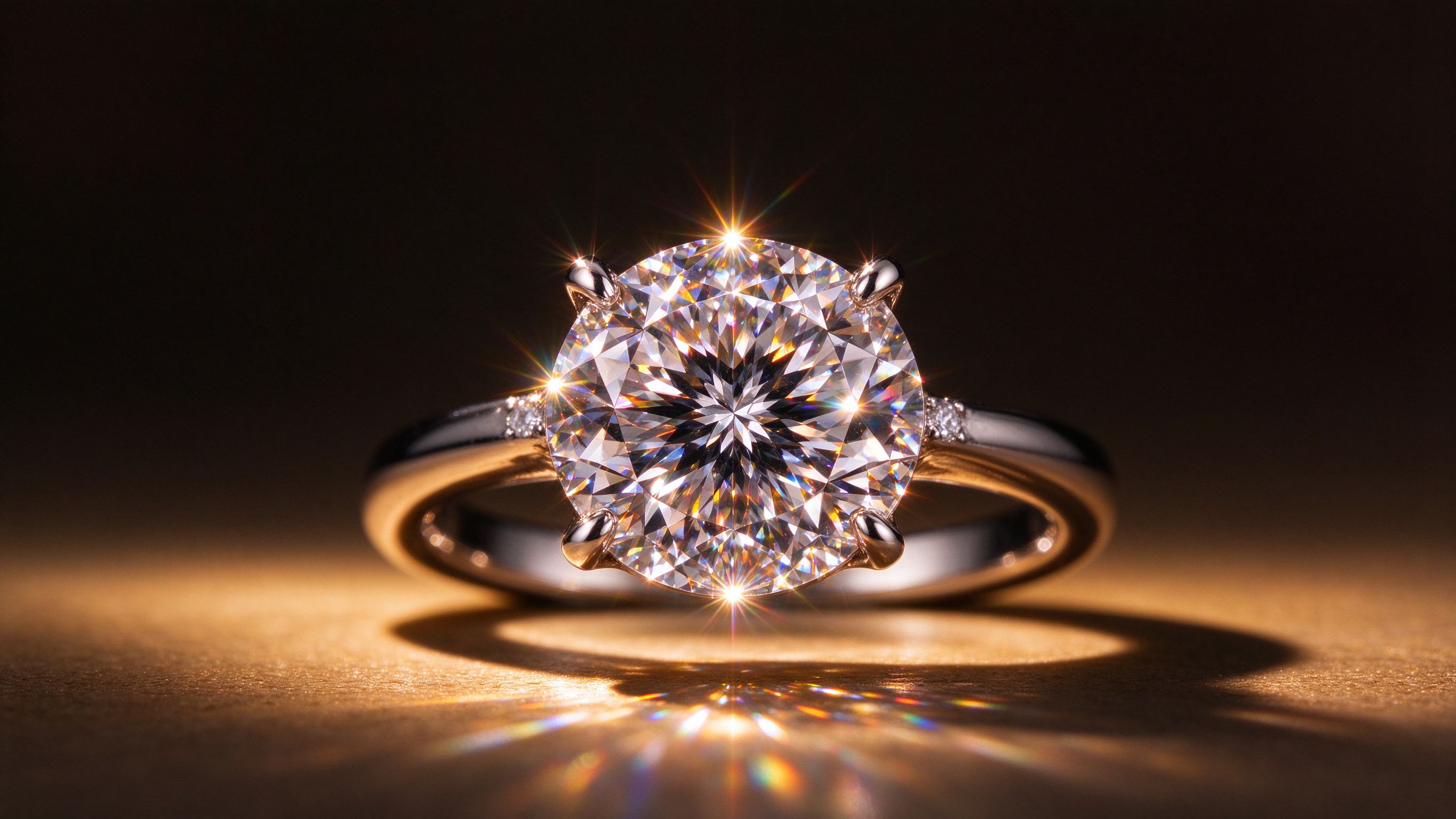
The plating also affects how the stone looks, because the setting around the stone is plated. A bright white setting makes the stone look brighter, because the white setting reflects more light. A dull setting makes the stone look dull, because the setting absorbs light. We plate the setting, so it is bright white, and the stone looks brighter. The brands that plate the setting have stones that look brighter, because the white setting reflects light. The brands that do not plate the setting have stones that look dull, because the silver setting is yellow.
The plating also protects the setting, because it covers the silver, and it prevents tarnish. A setting that is not plated will tarnish, and it will turn yellow, which makes the stone look less bright. A plated setting stays bright, and the stone looks bright. The brands that plate their settings have earrings that stay bright, because the setting does not tarnish. The brands that do not plate their settings have earrings that turn yellow, because the setting tarnishes, and the stone looks dull.
For a brand, the plating on the setting is part of the stone's sparkle. The customer buys the earring because the stone looks bright, and the bright white setting is part of that. The brands that plate the setting have stones that look brighter, and the customer is happy. The brands that do not plate the setting have stones that look dull, and the customer is disappointed. The few cents to plate the setting are worth it, because the stone looks brighter, and the customer gets more sparkle.
Common Questions About Plating Thickness
Why is the post plating thinner than the front? Because the front is visible and needs to look bright, while the post is functional and only needs to be hypoallergenic. The thicker plating on the front lasts longer, and the thinner plating on the post keeps it rigid.
How thick is the plating? The front is about 0.5 microns of rhodium, and the post is about 0.2 microns. This is the standard for sterling silver earrings, and it is enough to last for a year or two of wear.
Can the earring be replated? Yes. When the plating wears off, the earring can be replated, which restores the bright white finish. The customer should expect to replate the earring every year or two, depending on wear.
Does the plating wear off faster on the post? No, the post plating wears off more slowly, because the post is inside the earlobe and not exposed to rubbing. The front plating wears off faster, because the front is rubbed by hair, clothes, and hands.
How to Tell if the Plating Is Worn Off
The customer can tell if the plating is worn off by looking at the front of the earring. If the front is still bright white, the plating is still on. If the front is starting to look yellow, the plating is wearing off, and the silver underneath is showing through. The customer can also feel the earring, because a worn plating will feel slightly rough, while a new plating will feel smooth. The brands that tell the customer how to check the plating have customers who know when to replate, and the earring stays bright.
For a brand, telling the customer how to check the plating is part of the after-sales service. The customer who knows when the plating is wearing off can replate the earring, and it will look new again. The customer who does not know will think the earring is defective, and they will complain. The brands that explain this to the customer have happier customers, because the customer knows what to expect, and they can take care of the earring.
The Bottom Line
The plating on earrings is not the same on the front and the post. The front gets a thicker plating, because it is visible and needs to look bright. The post gets a thinner plating, because it is functional and only needs to be hypoallergenic. This difference is deliberate, because the front needs the plating to look good, and the post only needs it to be safe. The brands that understand this plate their earrings correctly, and the customer gets an earring that looks bright and feels safe. The brands that skimp on the front plating get dull earrings, and the brands that plate the post too thickly get less rigid posts. The plating thickness is a detail that the customer does not see, but it affects how the earring looks and feels, and it is worth getting right.
If you are planning an earring line and want to know which plating thickness works best, send us your price point and we will recommend. Reach our team at service@holycome.com, and for more on how we make earrings, read our guide to rhodium plating thickness on 925 silver and our breakdown of hypoallergenic earring posts.