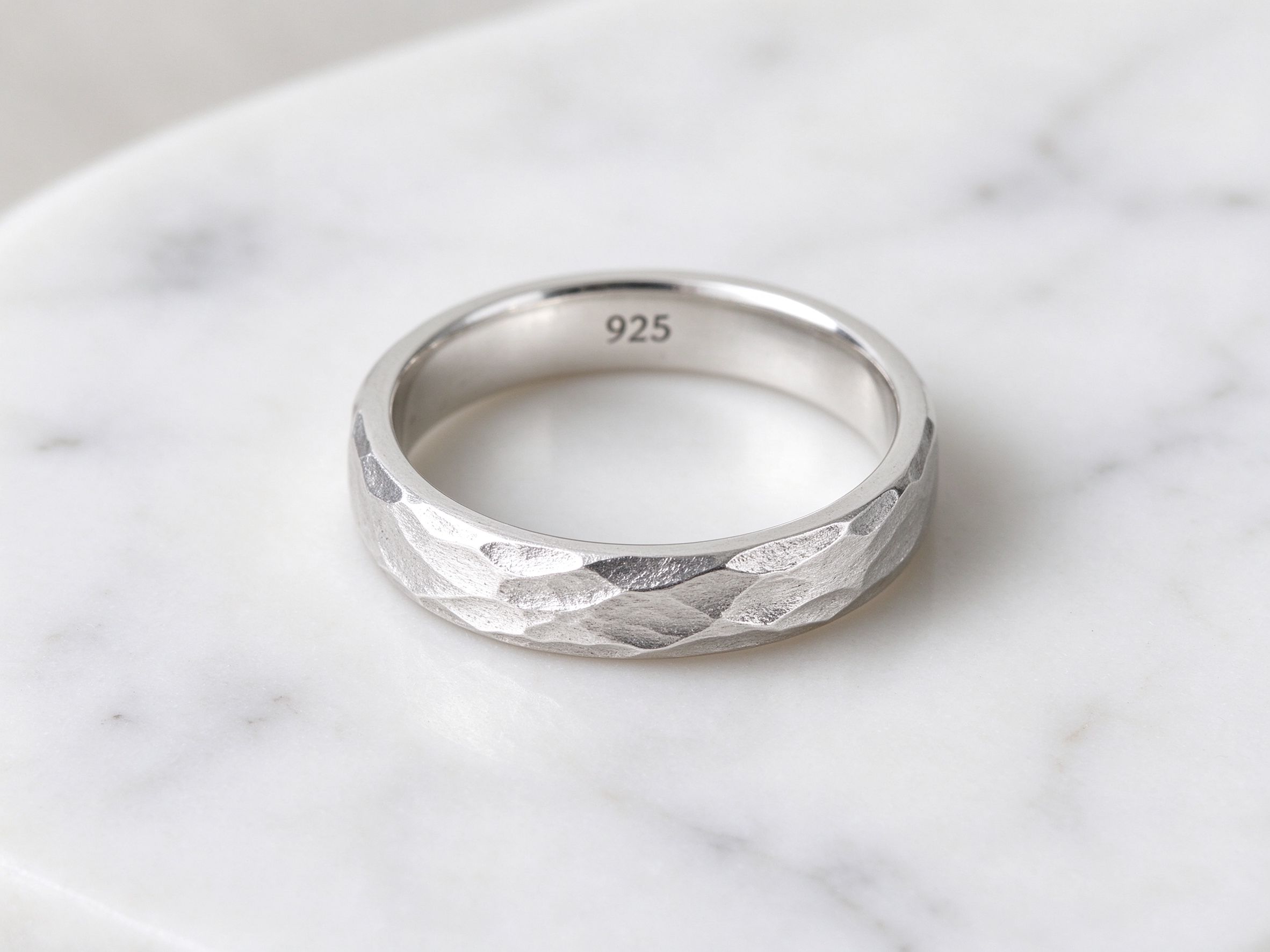
The Cost of 925 Silver Polishing and Finishing: Why Two Pieces Look Different
If you have ever ordered two sterling silver pieces from different factories, at the same weight and the same price, and then noticed that one looks bright, smooth, and expensive while the other looks dull, orange-peeled, and slightly rough, you have seen the finishing gap. The silver in both pieces is the same alloy, the casting is done in the same kind of machine, and the stone if any is identical. The difference is entirely in the bench time: how long the piece spent on a polishing wheel, how many grits of sandpaper it passed through, whether it was tumbled, hand-polished, or plated, and how carefully the QC inspector wiped it down before it went into the bag. Finishing is the single biggest variable in silver jewelry cost, and it is the variable most buyers never see on a quote.
This article walks through the finishing process the way our bench runs it, from the rough casting that comes out of the mold to the bright piece that ships to your customer. We will look at tumbling, sanding, polishing, buffing, plating, and the QC steps between them, and we will show you why a piece that looks identical on the spec sheet can cost two or three dollars more depending on how it is finished. If you are a brand trying to understand why your quotes vary so much between factories, or why some pieces feel cheap the moment a customer picks them up, the answer is almost always in the finishing line.
What a Fresh Casting Actually Looks Like
A fresh sterling silver casting does not look like jewelry. It looks like a small grey statue, covered in a rough oxide skin called casting scale, with visible seams from the mold, a stub of sprue where it was attached to the tree, and a matte, slightly pitted surface. The silver is real, but the surface is covered in a layer of copper oxide and trapped investment material that has to be removed before the piece can be polished. The process of getting from that rough casting to a bright, smooth piece is the finishing line, and it takes far more time than the casting itself.
The first step is gross cleanup. The sprue is sawed off, the seams are filed down, and the piece goes into a vibratory tumbler with steel shot and soap for a few hours to knock off the rough scale. Tumbling is the cheapest bulk finishing step, and it gets the piece to a matte, non-scaly state, but it does not make it bright. A piece that comes straight out of the tumbler looks like pewter, not like sterling silver. It is smooth in the crevices, but the high spots are still slightly rough, and the surface has a dull, uniform sheen.
From there, the piece moves to the polishing bench. A worker holds it against a series of wheels coated with progressively finer abrasive compounds, starting with a coarse greaseless compound that cuts quickly, moving through a medium brown tripoli, and finishing with a white rouge that produces a high shine. Each wheel step is a few seconds of contact, and the worker has to know which parts of the piece to hold against the wheel and which parts to avoid, because pressing too hard on a thin band can bend it, and pressing too little leaves swirl marks. A simple ring might take two or three minutes on the bench. A complex pendant with crevices and details might take ten or twelve.
The Difference Between Hand Polish, Tumbling, and Mass Finishing
There are three levels of finishing we offer, and they correspond to three price points. The cheapest is tumble finishing only, where the piece is cleaned in the vibratory tumbler and then plated without any hand polishing. This produces a matte, slightly satin surface that looks fine in photographs but feels rough to the touch. It is used on very cheap fashion pieces, on pieces that will be oxidised and darkened, and on pieces where the customer wants a deliberately rustic look. It costs almost nothing in labor, but the piece will never look bright.
The middle level is partial hand polish. The piece is tumbled first, then a worker hits the high spots, the edges, and the front face with a polishing wheel, but does not spend time in the crevices or on the inside of the band. This is the most common finish on mid-range silver jewelry, because it produces a bright front face while keeping labor time down. The back of the piece and the inside of the band will still look slightly matte, and a customer who turns the piece over will notice the difference.
The top level is full hand polish, where the piece is tumbled, then worked on every surface by a skilled polisher, including the inside of the band, the back of the setting, and the crevices between stones. This is the finish on engagement rings and high-end pieces, and it produces a uniform bright shine from every angle. It costs three to five times more labor than the tumble-only finish, which is why a fully polished ring can cost two dollars more than a tumbled one even when the silver weight is identical.
Plating as Part of Finishing
Most sterling silver jewelry we ship is rhodium plated, because the plating brightens the silver, prevents tarnish, and gives the piece a consistent white appearance. Plating is technically a separate process from polishing, but it is part of the finishing line, because the piece has to be polished to a high shine before plating, or the plating will lock in any scratches and swirls. A piece that is poorly polished but then plated will look shiny in the plating bath, but the swirls will show through the plating within months, and the customer will return it looking cloudy.
The plating itself is a thin layer of rhodium, measured in microns. A standard plating is about 0.05 to 0.1 microns, which is enough to brighten the piece but will wear off in six to twelve months of daily wear. A heavier plating of 0.2 to 0.3 microns lasts longer, especially on rings that rub against surfaces, but it costs more per piece because the plating bath is precious metal and the line runs longer. We offer both options, and we recommend the heavier plating on rings, because the customer notices when the plating wears off and the silver starts to tarnish.
Gold plating over silver is another common finish, and it follows the same logic. The piece has to be polished first, then plated with a thin layer of gold over the silver. Gold plating wears faster than rhodium on pieces that touch skin, because the sweat and friction abrade the gold layer, and the silver underneath starts to show through. A thick gold plating on silver will still wear off within a year of daily wear, which is why gold-plated silver is positioned as fashion jewelry rather than fine jewelry. The labor cost of gold plating is similar to rhodium, but the customer expectation is lower because they know it is a plating, not solid gold.
Why Two Factories Can Quote the Same Piece at Different Prices
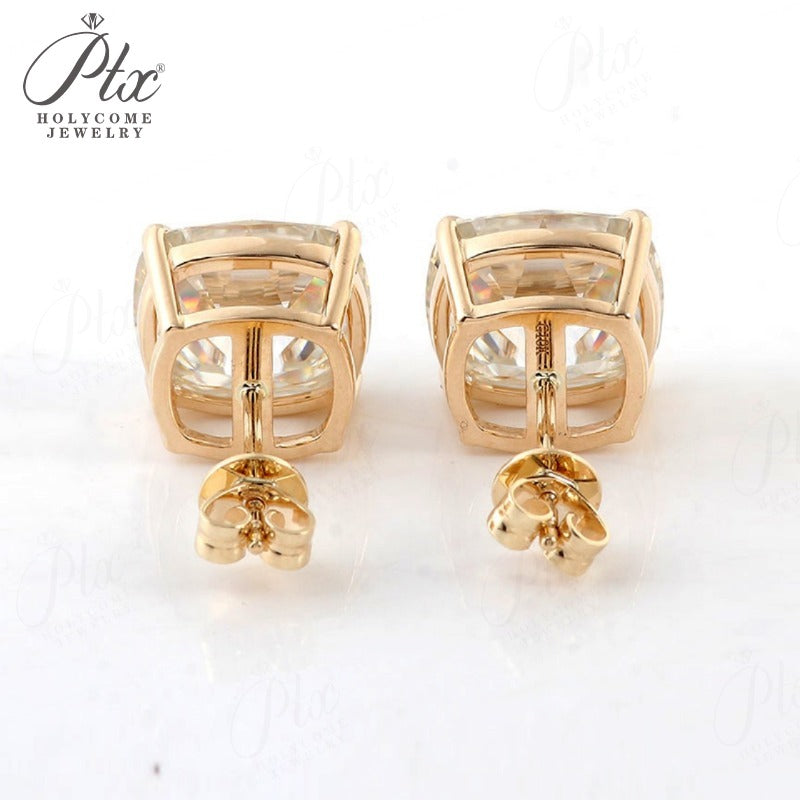
When you compare two quotes for the same silver piece, the silver weight is usually within a few percent, and the alloy is identical. The difference is almost always in the finishing level. A factory that quotes the lower price is likely tumbling the piece and doing only a quick front-face polish, then plating it thin. A factory that quotes a higher price is likely doing a full hand polish, a heavier plating, and a longer QC inspection. The piece looks the same in a product photograph, but the customer will feel the difference within a month of wearing it.
This is not a trick. Some buyers want the cheaper finish because they are selling to a price-sensitive market, and they know the piece will be replaced within a year. Other buyers want the higher finish because they are building a brand, and they know the piece has to feel solid when a customer picks it up. The factory that only offers one finish will push you toward it, regardless of whether it fits your market. We offer both, and we will tell you which finish we recommend for your price point, because we would rather have you happy with the piece than cheap.
You can test the difference yourself. Take two silver pieces, one from a low quote and one from a high quote, and hold them in your hand. The high-quote piece will feel smooth on every surface, the plating will be even, and the inside of the band will be as bright as the outside. The low-quote piece will have a slightly rough spot on the back, a swirl mark near the setting, or a band that feels matte inside. A customer who pays retail will feel that difference, and they will remember which brand it came from.
The QC Step That Most Factories Skip
After polishing and plating, every piece should go through a visual QC inspection under a bright lamp, where a worker checks for swirl marks, plating imperfections, sharp edges, and stone security. This step takes about thirty seconds per piece, and it catches the defects that would otherwise reach the customer. A piece that has a swirl mark on the front, a missed spot on the plating, or a sharp edge on the band is sent back to the bench, not shipped. That rework time is part of the finishing cost, and it is one of the reasons a higher-priced factory has a lower return rate.
Cheap factories skip this step, because they process hundreds of pieces a day and they cannot afford thirty seconds per piece. They pack the pieces straight from the plating line into bags, and the customer finds the defects on arrival. The return rate on those pieces is high, and the brand ends up absorbing the cost of refunds and replacements. The QC step is not optional for a brand that wants repeat customers; it is the cheapest insurance you can buy, because it costs a few cents per piece and prevents a dollar-per-return problem.
We also run a prong security check after QC, where a worker gently wiggles every stone to make sure it is seated. This takes another few seconds, but it catches loose stones before they ship, which is the single most common defect we see returned. A loose stone that reaches the customer usually falls out within a week, and the customer blames the brand, not the factory. The prong check is the reason our return rate for loose stones is under one percent, and it is a step we will never skip, even when a buyer asks us to cut the cost.
How Environmental and Safety Rules Affect Finishing Cost
One hidden cost in the finishing line is environmental compliance. Polishing generates fine silver dust, which has to be captured in dust collectors rather than blown into the air. Plating uses chemicals that have to be treated before they are discharged. Tumbling uses water and soap that has to be filtered. All of these systems cost money to install and maintain, and they add a small overhead to every piece we ship. A factory that ignores these rules can quote lower prices, because they are not paying for the dust collectors, the water treatment, or the proper waste disposal.
For an export brand, this matters more than you might think. A factory that cuts corners on environmental compliance is one inspection away from being shut down, and your order gets caught in the shutdown. We have seen buyers lose weeks of lead time because their cheap supplier got closed by the local environmental bureau. The small premium we charge for compliant finishing is insurance against that kind of disruption, and it is also the reason we can ship to markets that require documented manufacturing standards, including the EU and the US.
The safety of the workers on the bench is another part of the cost. Polishing wheels are dangerous machines, and platers work with acids and rhodium solutions that require protective equipment. A factory that skips safety gear can pay lower wages, but it also has higher turnover, higher error rates, and more workers who are absent due to injury. A stable, protected bench produces a more consistent finish, which is why we invest in ventilation, gloves, and training even though it adds to the labor cost. The brand that buys from a safe, compliant factory gets a more reliable product, even if the unit price is a little higher.
How to Specify Finishing in Your Next Order
When you send us a spec sheet, be explicit about the finish you want. If you want a high-polish rhodium-plated piece, say so. If you want a matte or brushed finish, say so. If you want an oxidised antique look, say so, because oxidising is a separate process that involves dipping the piece in a sulfide solution and then polishing the high spots back to bright. Each finish has a different labor cost, and specifying it up front prevents the factory from defaulting to the cheapest option and surprising you when the pieces arrive.
We also recommend ordering a sample run of twenty pieces before committing to a full production run, because the finish is hard to judge from a description. A sample lets you hold the piece, turn it over, and see how the polish looks in natural light. If the finish is not what you expected, we can adjust the bench time, the plating thickness, or the sanding grit before the full run. The cost of a sample run is trivial compared to the cost of shipping five hundred pieces that have the wrong finish.
For brands that sell online, product photography also matters. A fully polished piece looks best in soft light, while a tumbled matte piece looks better in a slightly darker, more stylized shot. Tell us the finish you are shooting for, and we can recommend the one that will photograph the way you want, because the finish that looks best on camera is not always the same finish that feels best in the hand.
Common Questions About Silver Finishing
Why does my silver piece tarnish so quickly after it arrives? If the piece was thinly plated, the rhodium layer wears off quickly, exposing the silver underneath, which then tarnishes. A heavier plating will last longer, but no plating is permanent, and the piece will eventually need to be re-polished and replated. This is normal for sterling silver, and it is why we recommend heavier plating on rings.
Can I request a matte or brushed finish instead of high polish? Yes. A brushed finish uses a wire brush or a sandblasting cabinet to create a uniform satin texture, and it hides small scratches better than a high polish. It is also cheaper than a full hand polish, because it does not require the buffing wheel steps. We offer brushed, sandblasted, hammered, and oxidised finishes on request.
Why does the inside of my ring look duller than the outside? Most factories only polish the outside of the band, because the inside is hard to reach on the bench and customers rarely see it. If you want a fully polished inside, specify it, because it adds labor time. We do full interior polishing on engagement rings, but most fashion rings default to a tumbled interior.
Does a more expensive finish mean the piece is heavier? No. The silver weight is the same; the labor is different. A fully polished piece is actually slightly lighter than a tumbled one, because the polishing removes a few microns of metal from the surface. The weight difference is tiny, and it is not the reason the price is higher.
Can I send a piece back to be re-polished years later? Yes. A worn piece can be stripped of its old plating, re-polished on the bench, and re-plated, and it will look almost new. This service costs less than buying a new piece, and it is why sterling silver can be kept for decades. We offer this service for brands that want to support customers who own older pieces.
Why do some pieces have orange-peel texture after plating? Orange peel is a sign that the polishing was skipped or done too quickly, and the plating has locked in the rough surface of the casting. A properly polished piece will have a perfectly smooth surface under the plating. If you see orange peel on a production run, send it back, because it is a finishing defect, not a plating problem.
The Bottom Line
Finishing is the hidden cost in sterling silver jewelry, and it is the difference between a piece that feels cheap and a piece that feels expensive. The alloy is the same, the casting is the same, and the stone is the same. The bench time, the sanding grit, the plating thickness, and the QC inspection are what separate a twenty-dollar piece from a forty-dollar piece, and most buyers never see those line items on a quote. The next time you compare prices, ask the factory what level of finish they are including, and then order a sample to feel it in your hand. The difference will be obvious.
If you are planning a silver line and want to see how the finishing level changes the unit price on your own designs, send us the CAD and we will quote you three versions: tumble finish, partial hand polish, and full hand polish. Reach our team at service@holycome.com, and for more on how finishing interacts with plating, read our guide to rhodium plating thickness standards for 925 silver and our breakdown of ring finishing, polishing, and plating cost.