Hypoallergenic Earring Posts: Why Nickel-Free Silver Matters for Sensitive Ears
The customer with sensitive ears is one of the most underserved segments in jewelry, and one of the most loyal. They have spent years buying earrings that turn their ears green, cause irritation, or leave a rash, and they are actively looking for earrings that they can wear without problems. The earring post is the part that touches the skin, and if the post contains nickel or brass, the sensitive customer will react. A nickel-free sterling silver post is the solution, because it does not contain the allergens that cause irritation. This article explains why hypoallergenic earring posts matter, what nickel-free silver actually means, and how a brand can serve the sensitive-ears market.
The sensitive-ears market is large. A significant portion of women have some reaction to nickel, which is the most common allergen in jewelry. Nickel is found in brass, in steel, and in many silver alloys. A customer with a nickel allergy will develop a red, itchy rash where the earring touches the skin, and they will have to take the earring out. This is a frustrating experience, and these customers are always looking for earrings that do not cause the reaction. The brands that serve this market build a loyal following, because the customer has few options that work for them.
What Causes Earring Irritation
The most common cause of earring irritation is nickel. Nickel is a metal that is added to many alloys to make them harder or cheaper. Brass, which is a common base metal in cheap earrings, contains nickel. Stainless steel also contains nickel. Even some sterling silver alloys contain small amounts of nickel, because the silver is alloyed with copper and other metals. When the earring post touches the skin, the nickel leaches into the skin oils, and the customer's immune system reacts, causing a rash.
The reaction is usually a red, itchy rash around the earlobe, and it can be painful. The customer has to take the earring out, and the rash takes a few days to go away. This is why customers with nickel allergies are always looking for earrings that are nickel-free. They know that a nickel-containing earring will cause a reaction, and they avoid them. The brands that sell nickel-free earrings get these customers, because they are the only ones that work.
For a brand, understanding nickel allergy is the first step to serving the sensitive-ears market. You cannot just say your earrings are hypoallergenic; you have to actually use nickel-free materials, because the customer will know if you are lying. A customer with a nickel allergy can tell immediately if the earring contains nickel, because they get the rash. The brands that lie about being hypoallergenic get bad reviews, and they lose the trust of the sensitive-ears market. The brands that actually use nickel-free materials build a loyal following, because the customer knows their earrings will not cause a reaction.
What Nickel-Free Sterling Silver Actually Means
Sterling silver is 92.5 percent silver, and 7.5 percent alloying metal. In traditional sterling silver, the alloying metal is copper, which does not contain nickel. This means that pure sterling silver, alloyed with copper, is naturally nickel-free. The problem is that some factories add nickel to the silver alloy, to make it harder or cheaper, and this makes the silver contain nickel. A nickel-free sterling silver alloy is one that uses copper, zinc, or other non-nickel metals as the alloy, with no nickel added.
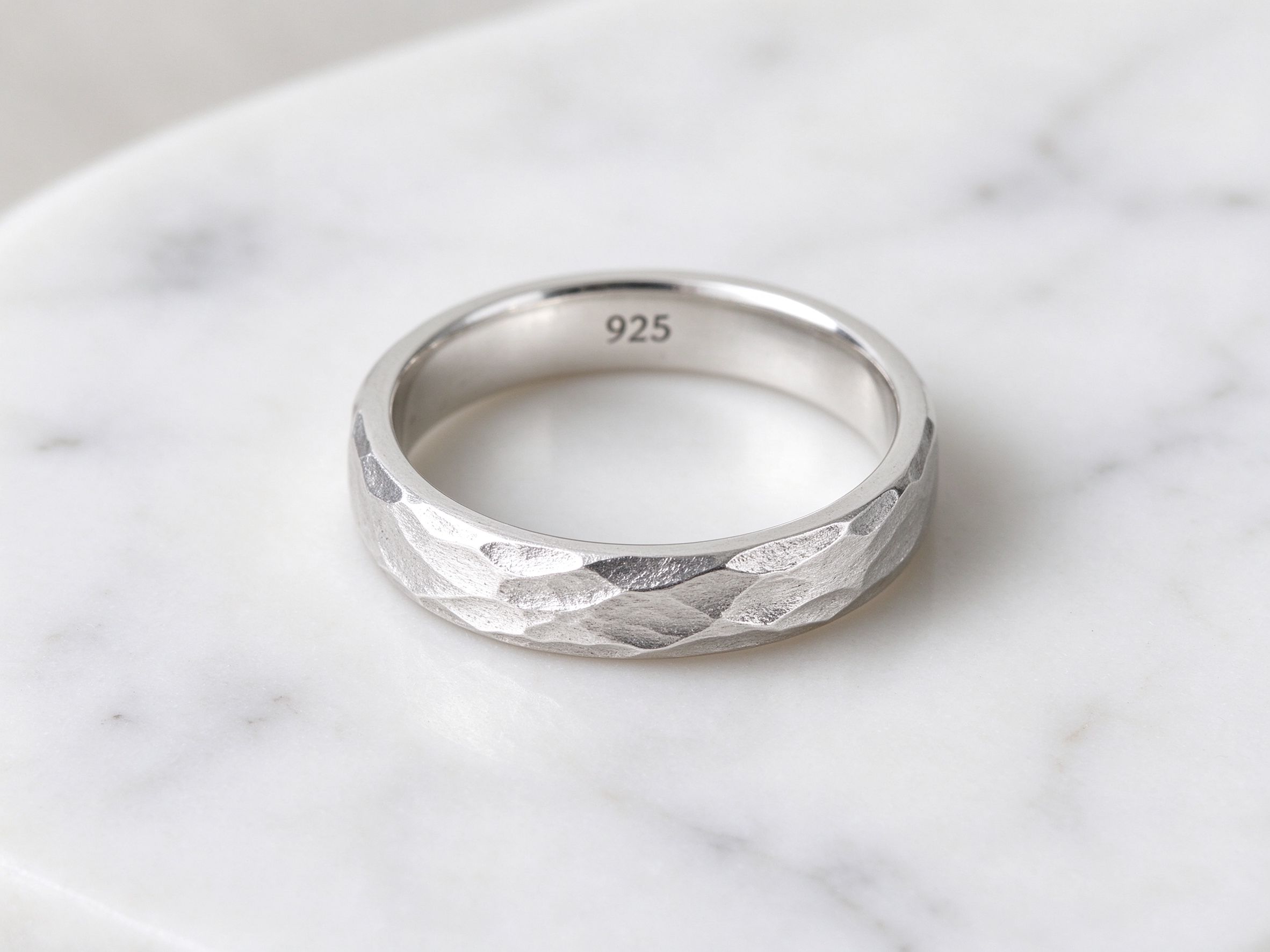
We use nickel-free sterling silver, alloyed with copper, which means our posts are naturally nickel-free. The silver contains no nickel, no brass, and no steel. The post is solid 925 silver, and it is safe for customers with nickel allergies. This is why our brand partners can advertise their earrings as hypoallergenic and nickel-free, because the posts are actually made of nickel-free silver. The customer with a nickel allergy can wear our earrings without getting a rash.
For a brand, the nickel-free claim has to be backed by the actual alloy. You cannot just say your earrings are nickel-free; you have to use a nickel-free alloy, because the customer will know. We can provide assay records that show the silver contains no nickel, which you can use to back up your claim. The brands that provide this documentation build trust, because the customer knows the claim is real. The brands that make the claim without documentation get caught, because the customer gets a rash and leaves a bad review.
How the Post Is the Critical Part
The post is the part of the earring that touches the skin, and it is the part that causes irritation. Even if the front of the earring is made of nickel-free silver, if the post is made of brass or steel, the customer will still get a reaction, because the post is what goes through the ear. This is why we always make the post out of nickel-free sterling silver, even on earrings that have other components. The post is the critical part, because it is what touches the skin, and it has to be nickel-free.
Some brands try to save money by using brass posts on silver earrings, because the post is small and the saving is tiny. But the brass post will cause irritation, and the customer will get a rash, even though the front of the earring is silver. The brand will get complaints, and the customer will blame the brand, not the post. The few cents saved on a brass post is not worth the customer dissatisfaction, because the customer does not care about the cost; they care about whether the earring causes a reaction.
For a brand, the post is not a place to save money. It is a place to invest, because the post is what the customer feels, and it is what causes irritation if it is wrong. A nickel-free silver post costs a few cents more than a brass post, but it makes the earring wearable for sensitive customers. The brands that invest in nickel-free posts can advertise their earrings as hypoallergenic, which opens up the sensitive-ears market. The brands that use brass posts miss this market, because their earrings cause irritation.

How Gold Plating Affects Hypoallergenicity
Many customers think that gold-plated earrings are hypoallergenic, because gold is a noble metal that does not react. But the plating is only a few microns thick, and it wears off where the post touches the skin. Once the plating wears off, the base metal underneath is exposed, and if the base metal contains nickel, the customer will get a reaction. A gold-plated brass post is not hypoallergenic, even though it looks gold, because the brass underneath contains nickel. The plating is just a thin layer, and it does not protect the customer from the nickel in the base.
The exception is gold vermeil, which is gold plating over sterling silver. The base is sterling silver, which is nickel-free, and the gold layer is thicker than standard plating. Once the plating wears off, the silver underneath is still hypoallergenic, because silver does not contain nickel. This is why vermeil is a better option for sensitive customers, because the base metal is safe, even if the plating wears off. A brand that wants to offer gold-colored hypoallergenic earrings should use vermeil, not gold-plated brass, because the base is what matters.
For a brand, the hypoallergenic claim has to be based on the base metal, not the plating. You cannot say a gold-plated brass earring is hypoallergenic, because the brass contains nickel. You can say a vermeil earring is hypoallergenic, because the base is sterling silver, which is nickel-free. The customer with a nickel allergy will know the difference, because they have tried gold-plated brass earrings and gotten a reaction. The brands that offer vermeil as a hypoallergenic gold option will get these customers, because they know the plating will wear off and the silver underneath will still be safe.
How We Source Nickel-Free Silver
We source our silver from reputable refiners, who provide assay records showing the silver is 925 parts per thousand, with no nickel. The silver is alloyed with pure copper, which does not contain nickel, and the whole batch is tested with an XRF scanner before we use it. We do not use recycled silver for our hypoallergenic line, because recycled silver can contain trace amounts of nickel from mixed sources. We use fresh, pure silver and copper, which gives us full control over the alloy composition.
The testing process is simple: we take a small sample from each batch, run it through the XRF scanner, and confirm that the nickel content is below the detectable limit. If the test shows any nickel, we reject the batch and send it back to the refiner. We do not compromise on this, because we know that even trace amounts of nickel can cause a reaction in sensitive customers. The cost of rejecting a batch is small compared to the cost of getting a bad review from a customer who got a reaction.
For a brand, the nickel-free silver is a supply chain choice, not just a production choice. We choose our refiners carefully, because we need to trust that the silver they send is actually nickel-free. We build long-term relationships with our refiners, and we test every batch, because we know that the hypoallergenic claim is only as good as the supply chain. The brands that work with us know that their earrings are actually nickel-free, because we test every batch, and we have the records to prove it.
How We Test for Nickel
We test every batch of silver for nickel, using an XRF scanner, which can detect even small amounts of nickel. The test takes a few seconds, and it confirms that the silver alloy contains no nickel. We keep the test records for every batch, so we can show brand partners that the silver is actually nickel-free. This testing is part of our quality process, because we want to be able to back up the hypoallergenic claim with real data.
The testing is important because some silver alloys that are marketed as nickel-free actually contain trace amounts of nickel, because the silver is recycled and mixed with other metals. Our nickel-free alloy is made from pure silver and pure copper, with no recycled metal that might contain nickel. This means the alloy is truly nickel-free, not just nickel-free in name. We test every batch to make sure, because we know that even trace amounts of nickel can cause a reaction in sensitive customers.
For a brand, the nickel test records are something you can share with your customers, to back up your hypoallergenic claim. A customer with a nickel allergy wants proof that the earring is actually nickel-free, not just a marketing claim. You can show them the test record, and they will trust your brand. The brands that provide this proof build a loyal following of sensitive customers, because they are the only ones who can prove their claim. The brands that just say hypoallergenic without proof get distrust, because the customer has heard it before from brands that were lying.
How to Market to Sensitive-Ears Customers
The sensitive-ears customer is actively looking for earrings that do not cause irritation, and they will seek out brands that advertise hypoallergenic posts. You can market your earrings by saying that they have nickel-free sterling silver posts, which are safe for sensitive ears. You can also mention that the posts are tested for nickel, which backs up the claim. The customer with sensitive ears will respond to this message, because they know the pain of buying earrings that cause a reaction, and they are looking for a solution.
The sensitive-ears customer is also very loyal, because they have few options that work. Once they find a brand that sells earrings they can wear, they will buy from that brand repeatedly, because they do not want to go back to the frustration of buying earrings that cause a reaction. The brands that serve this market build a loyal customer base, because the customer is not going to switch to a brand that might cause irritation. The lifetime value of a sensitive customer is high, because they know a good thing when they find it.
For a brand, the sensitive-ears market is a niche that is worth serving, because the customers are loyal and they actively seek out brands that serve them. You do not need to serve every customer; you just need to serve the sensitive-ears customer well, and they will be loyal to you. The brands that build a reputation for hypoallergenic earrings have a steady stream of customers who come to them specifically because their earrings do not cause irritation. This is a loyal customer base, and it is worth the investment in nickel-free materials.
How to Build Trust With Sensitive-Ears Customers
Sensitive-ears customers have been burned before by brands that claimed to be hypoallergenic but were not. They are skeptical of marketing claims, and they want proof. The way to build trust with them is to be transparent about the materials, show the test records, and use clear language about what is and is not nickel-free. A brand that says our posts are solid nickel-free sterling silver, and here is the test record, will earn the trust of sensitive customers. A brand that just says hypoallergenic without proof will be dismissed, because the customer has heard it before.
You can also share customer reviews from other sensitive customers, which is the strongest form of proof. A review that says I have sensitive ears and these earrings do not cause a reaction is worth more than any marketing claim, because it is from a real customer. The brands that collect and share these reviews build trust, because the sensitive customer sees that other people like them have had a good experience. The brands that do not share reviews are seen as untrustworthy, because the customer has no proof that the earrings actually work.
For a brand, building trust with sensitive customers takes time, but it is worth it, because they are loyal once they trust you. You have to be consistent, use the same nickel-free materials for every batch, and be transparent about the testing. The brands that do this build a reputation as the go-to brand for sensitive ears, and that reputation brings in new customers who are looking for a safe option. The reputation is built over years, but once it is established, it is a moat that competitors cannot cross.
Common Questions About Hypoallergenic Earrings
What makes an earring hypoallergenic? The post has to be made of nickel-free material, usually sterling silver alloyed with copper. Brass and steel posts contain nickel, which causes irritation. A nickel-free silver post is the standard for hypoallergenic earrings.
Are all sterling silver earrings hypoallergenic? No. Some sterling silver alloys contain nickel, because the silver is alloyed with nickel to make it harder. We use nickel-free sterling silver, alloyed with copper, which is naturally hypoallergenic.
Can I get a nickel test record for my earrings? Yes. We test every batch of silver for nickel, and we can provide the test records to you. You can share these records with your customers, to back up your hypoallergenic claim.
Are sensitive-ear customers loyal? Yes. They have few options that work, and once they find a brand that sells earrings they can wear, they will buy from that brand repeatedly. The lifetime value of a sensitive customer is high, because they do not want to go back to the frustration of irritation.
How Earring Backs Also Matter for Hypoallergenicity
The earring back is the other part that touches the skin, and it has to be nickel-free too. A brass back will cause irritation, even if the post is silver, because the back presses against the back of the earlobe. We use sterling silver backs, matching the nickel-free post, so the whole earring is hypoallergenic. The back is small, but it touches the skin, and if it contains nickel, the customer will still get a reaction. The brands that use silver backs, not brass backs, have fully hypoallergenic earrings, because every part that touches the skin is nickel-free.
For a brand, the back is a detail that you should not skimp on. A silver back costs a few cents more than a brass back, but it makes the earring fully hypoallergenic. The customer with a nickel allergy will notice if the back causes irritation, even if the post is fine. The brands that use silver backs can confidently say their earrings are fully hypoallergenic, because both the post and the back are nickel-free. The brands that use brass backs have to qualify their claim, because the back is not hypoallergenic.
The Bottom Line
The sensitive-ears market is large, underserved, and loyal. The customer with a nickel allergy is always looking for earrings that do not cause irritation, and they will be loyal to the brand that provides them. The post is the critical part, because it is what touches the skin, and it has to be made of nickel-free sterling silver. The brands that use nickel-free posts, test for nickel, and back up their hypoallergenic claim with documentation, build a loyal customer base of sensitive customers. The few extra cents per post are worth it, because the lifetime value of a sensitive customer is high, and the market is underserved. For a brand, serving the sensitive-ears market is a profitable niche, because the customers are loyal and they actively seek out brands that serve them.
If you want to add hypoallergenic earrings to your line, send us your product range and we will show you the nickel-free options. Reach our team at service@holycome.com, and for more on our silver alloys, read our guide to nickel-free 925 silver alloy choices and our breakdown of is sterling silver safe for sensitive skin.