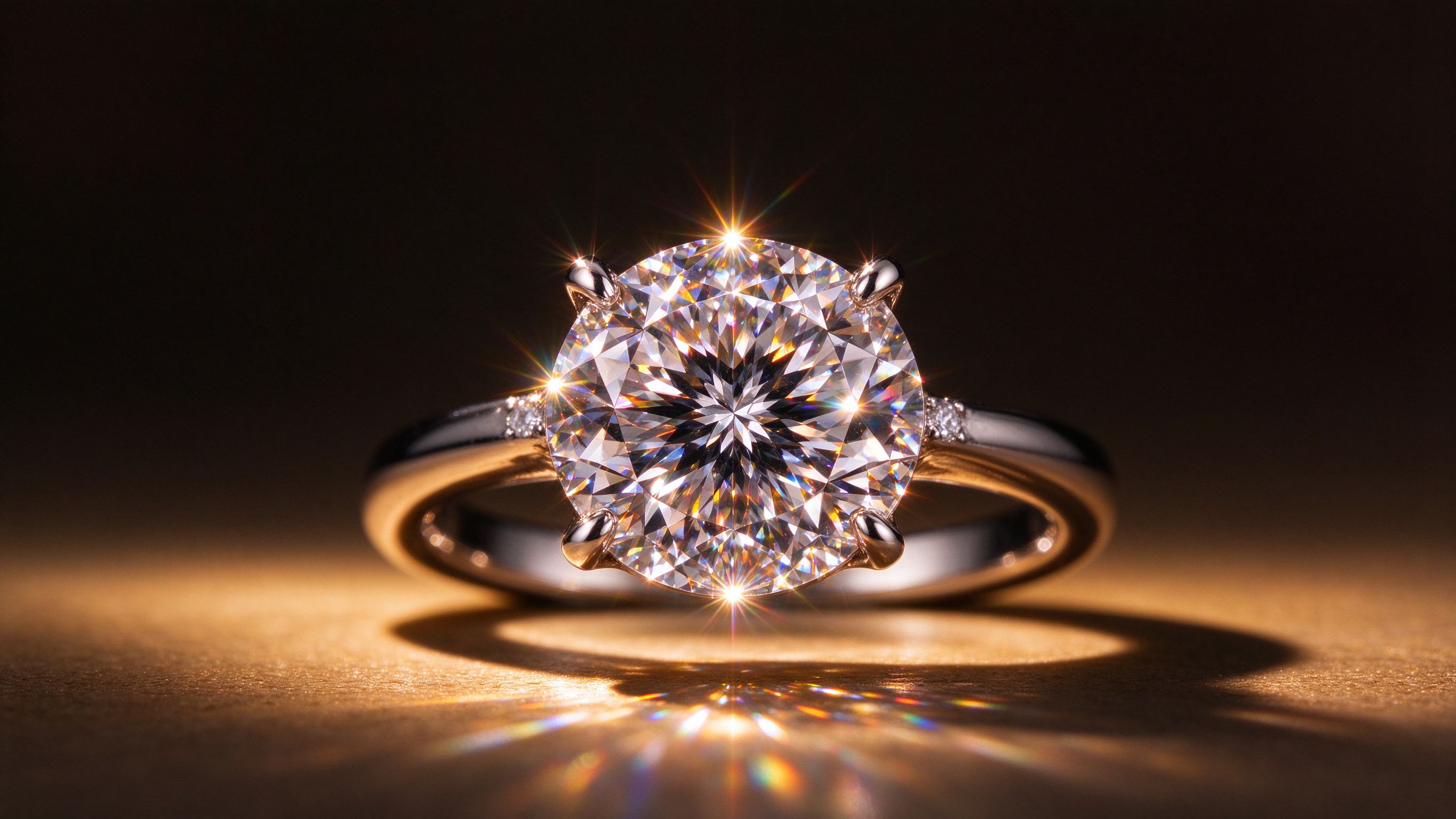
Fancy Shapes and Cutting Yield Cost - HOLYCOME
Round brilliant is the cheapest moissanite shape, and pear, cushion, oval, emerald, and marquise all cost more. If you have ever asked why, the answer is not design preference; it is cutting yield. As a factory that faceted moissanite into every shape, we can tell you exactly where the premium comes from: a fancy shape wastes more of the rough crystal, takes more cutting time, and has a lower yield. This guide explains the manufacturing economics of fancy shapes, why the round is cheap, why the pear costs more, and how the yield math drives the retail price. If you are a wholesale buyer choosing which shapes to stock, this is the guide that tells you which shapes make margin and which ones just look pretty. We will walk through the rough crystal, the cutting, the yield, and the price, so you can see the whole cost chain.
The short answer is this: a round brilliant cut maximizes the number of stones you can get from a rough crystal, so it is cheap. A fancy shape like a pear or cushion has to be cut from a smaller section of the rough, wastes more material, and takes more time, so it costs more. The premium you pay for a pear shape is not because the shape is prettier; it is because the yield is lower and the labor is higher. This is the honest manufacturing reason, and it is the one we use when we quote wholesale prices. Once you understand the yield math, the price difference between shapes stops looking arbitrary, and you can choose which shapes to stock based on margin, not just taste.
We cover the broader manufacturing economics in our guide on why moissanite is cheaper than diamond, and the regional angle in the Wuzhou cluster advantage. This article is specifically about fancy shapes and cutting yield, which is where a lot of the per-stone cost comes from. Read on, and the shape premium will make sense.
The Rough Crystal: Where Yield Starts
Moissanite starts as a crystal boule, a long, hexagonal rod grown in the furnace. The boule is roughly cylindrical, and it is sawn into slices, which are then faceted into stones. The yield—the percentage of the rough that ends up as a finished gem—depends on how the shape is cut from the slice. A round stone is the most efficient shape to cut from a roundish slice, because it fits the slice's natural outline with minimal waste. A fancy shape, like a marquise, is long and thin, and it does not fit the slice naturally, so more of the slice has to be cut away. That waste is lost material, and it raises the cost of every finished fancy stone.
We talk about this in the cutting room all the time. When we process a boule, the sawyer decides which shapes to cut from which slice, based on the slice's shape and size. The round slices go to round stones, because that is the efficient cut. The odd-shaped slices, with nicks or irregularities, might go to fancy shapes that can be oriented to avoid the flaw. But in general, the round stone uses the most of the slice, and the fancy uses less. The yield for a round brilliant is typically higher than for a fancy, which means each round stone costs less, because the waste is spread across more finished stones. This is the root of the shape premium, and it happens before any faceting begins.
This is the same logic that applies to diamonds, by the way. In the diamond trade, round brilliants are the most expensive per carat, because they have the lowest yield from rough, while fancy shapes are sometimes cheaper. With moissanite, the dynamic is reversed, because the rough is cheap and the cutting labor dominates. With moissanite, the round is the cheapest because it is the easiest, most repeatable cut, while the fancy costs more because it takes more skilled work. The yield logic is the same; the price direction is different, because the cost structure is different. This is a factory-specific observation, and it is why our round stones are the entry-level price.
The Faceting Time: Why Fancy Shapes Take Longer
Beyond yield, fancy shapes take longer to facet. A round brilliant has fifty-seven or fifty-eight facets, arranged in a symmetrical pattern that a machine can cut repeatably. We cut thousands of round moissanites on automated faceting machines, and each one takes a known amount of time. A fancy shape—say a cushion cut with its rounded corners and modified facets, or a pear with its curved outline—requires more setup, more hand work, and more checking. The facets have to meet at the curved edges, the symmetry has to be adjusted by hand, and the operator has to watch the cut more closely. This takes more time per stone, and time is money on the bench.
We cover the cutting side in our guide on the Wuzhou manufacturing cluster, and the point is that the cluster exists because the labor is skilled and affordable. But even with skilled labor, a fancy shape takes longer than a round. A cushion cut might take twice the faceting time of a round, because the corners and the curved facets require more attention. An emerald cut, with its long step facets and sharp corners, requires precise alignment, which is slower. This labor time is a real cost, and it shows up in the wholesale price of every fancy stone. The premium is not arbitrary; it is the hours on the bench, times the operator's wage.
This is also why the round brilliant is the workhorse of the moissanite industry. We cut more rounds than any other shape, because they are fast, repeatable, and cheap. We cut fewer pears and cushions, because they are slower and more skilled. The economies of scale apply to the round: the machines are set up for rounds, the operators are practiced, and the QC is fast. The fancy shapes are a smaller production run, with more hand work and more inspection. That inefficiency is part of the price, and it is why a pear moissanite costs more than a round of the same carat. The factory cost structure is simply different for each shape, and we pass that through honestly.
Fancy shapes cut from moissanite rough. Each shape carries its own yield and labor cost, which is why pricing varies by cut.
The Yield Math: Carat Out vs Carat In
Let us put numbers on it. Suppose a rough slice weighs ten carats before cutting. A round brilliant might yield five carats of finished stone, because the round uses the slice efficiently. A pear shape might yield three and a half carats, because more is wasted in the curved outline. The round has a fifty percent yield, the pear a thirty-five percent yield. The cost of the rough slice is the same, but the round produces more finished carats from it, so each finished carat is cheaper. The pear produces fewer finished carats, so each finished carat is more expensive. That is the yield math, and it is the whole reason fancy shapes cost more.
This matters for wholesale buyers, because it means the price per carat varies by shape, even for the same quality. A one-carat round moissanite might cost fifty dollars, while a one-carat pear might cost eighty, because the pear has a lower yield and took more time. If you are buying stones for a line, you have to price each shape accordingly, or you will lose margin on the fancy cuts. We provide our wholesale price list broken out by shape, so brands know exactly what they are paying for each cut. This transparency is part of how we work: the shape premium is visible, not hidden.
The yield also depends on the quality of the rough. A clean, flawless slice yields well, because the cutter can optimize the shape without avoiding inclusions. A flawed slice yields poorly, because the cutter has to cut around the inclusions, which can force a smaller or less efficient shape. This is why we grade our rough before cutting, so we can route the good slices to high-value fancy shapes and the flawed ones to rounds, where the waste is cheaper. This routing maximizes the value of every boule, which is how we keep prices low overall. The fancy shapes that come from clean, high-yield rough are the ones we can price reasonably; the ones that come from flawed rough are the expensive ones, because so much was cut away.
Which Fancy Shapes Cost the Most
Not all fancy shapes are equal in price. Some are closer to the round in yield and labor, and some are far more expensive. The oval and the pear, which are elongated versions of the round, are the next tier up, because they use the slice fairly efficiently and the faceting is not too complex. The cushion, with its rounded corners and modified facets, is a bit more expensive, because the corner work is fiddly. The emerald cut, with its step facets and sharp corners, is more expensive still, because the precision required is high. The marquise, which is long and thin, has the lowest yield and the most labor, so it is often the most expensive fancy shape per carat.
This pricing ladder is visible in our wholesale list, and it follows the yield and labor logic. If you are a brand choosing which fancy shapes to stock, the ovals and pears are the best value, because they offer the fancy look without the top-tier price. The marquise is a niche, expensive shape that sells in small numbers, so stock it lightly. The emerald cut is a classic, but it requires high clarity rough, which makes it pricier. We help brands pick the right mix: stock the value fancy shapes deep, and the premium ones shallow. This is the inventory logic we apply to shapes, just as we apply it to ring sizes in our guide on which half sizes to stock. Match the stock to the demand and the margin.
We also see that some shapes are cyclical in popularity. Pear and oval have been trendy in recent years, so the demand is high, which justifies more stock. Emerald cuts are classic and steady. Marquise comes in and out of fashion. For a wholesale brand, the move is to follow the trend on the value shapes (oval, pear) and keep the classic shapes (emerald, cushion) as evergreens. The marquise is a niche, and you stock it for the customer who specifically wants it, not as a core SKU. This is the product-planning side of fancy shapes, and it is as important as the cutting cost.
Why the Round Brilliant Dominates
Given that fancy shapes cost more, why does the round brilliant dominate the market? Because it is the safest, brightest, most versatile cut. The round maximizes brilliance, because the symmetrical facets return light to the eye. It is the cheapest to produce, as we have explained. It fits any setting, from solitaire to halo. And it is the shape people recognize as a diamond, so it has the broadest appeal. For all these reasons, the round is the default engagement ring shape, and we cut more of them than everything else combined. This is good for customers, because the round is the best value, and it is good for us, because the economies of scale keep it cheap.
We cover the brilliance side in our guide on moissanite versus cubic zirconia, and the round is the shape that shows off moissanite's high refractive index best. The symmetry of the round is what makes the light dance, and it is why a round moissanite looks the most like a diamond. Fancy shapes have their own character—pears look elegant, cushions look vintage—but the round is the safe, bright, cheap choice. If you are buying your first moissanite ring, the round is the smart pick, because it is the best value and the most versatile. Save the fancy shapes for when you know your taste.
For wholesale brands, the round is the core SKU, and the fancy shapes are the line extension. Stock the round deep, because it sells the most. Stock the popular fancies—oval, pear, cushion—moderately. Stock the niche fancies—marquise, heart—lightly. This is the product mix that works, and it mirrors the size curve we describe in our guide on the size inventory curve: core deep, shoulders moderate, niche light. The same inventory logic applies to shapes, because they are SKUs, and each SKU costs money to stock. Match the stock to the demand and the margin, and the line turns profitably.
Setting Cost: Where the Fancy Premium Ends
One thing to understand is that the fancy premium is in the stone, not the setting. A pear-shaped stone might cost eighty dollars, while a round costs fifty, but the setting for both is roughly the same, because the setting is metal and labor, not stone. So the price difference between a pear ring and a round ring at retail is the thirty-dollar stone premium, not a doubling of the whole ring. This is important for brands: you can price a pear ring at a modest premium over the round, because the underlying cost difference is modest. If you mark up the fancy shape too aggressively, you will price yourself out, because the customer knows the difference between a pear and a round is not that big.
We cover the setting side in our guide on setting cost versus stone value, and the point is that the stone is a small part of the ring's total cost, especially for moissanite. So even a fancy stone premium of thirty dollars becomes a small part of the retail ring price, which means the shape premium you charge the customer should also be modest. We see brands try to charge two hundred dollars more for a pear over a round, and it does not sell, because the underlying cost difference is only thirty. Price the fancy shape fairly, based on the real stone cost, and the customer will pay it. Price it like a luxury upgrade, and they will not.
This is the factory perspective on pricing fancy shapes. We know what the stone actually costs, so we can tell brands what a fair retail premium is. The pear costs more than the round, but not two hundred dollars more, and pricing it that way is a mistake. The honest premium is the yield and labor difference, times a reasonable margin. That is the price that sells, and it is the price we help our partners set. We are transparent about the stone cost, so brands can price the whole ring intelligently, instead of guessing. This is the kind of manufacturing partnership that makes a jewelry line profitable.
The Bottom Line on Shape Pricing
When you add it all up, the fancy shape premium is honest, transparent, and modest. The round brilliant is the cheapest because it yields the most from the rough and cuts the fastest on automated machines. The fancy shapes cost more because they waste material and take skilled labor, but the difference is measured in tens of dollars per carat, not hundreds. For a customer choosing between a round and a pear, the price gap is small enough that you should choose the shape you love, not the one that saves you thirty dollars. For a brand, the gap is small enough that you can offer both shapes at a fair premium, and let your customers pick the one that suits their hand. We cut all of them at factory prices, so the shape you want is always within reach, and the price is always honest.
Frequently Asked Questions
Why do fancy shape moissanites cost more than rounds?
Because they have a lower yield from the rough crystal and take longer to facet. A round brilliant uses the slice efficiently and cuts fast on automated machines. A pear or cushion wastes more material and requires more skilled hand work. The premium is the yield loss and the labor time, not a design upcharge.
Which fancy shape is the best value?
The oval and the pear, which are elongated round-like shapes with good yield and moderate labor. They offer the fancy look without the top-tier price. The marquise and emerald cut are more expensive, because the yield is lower and the precision required is higher.
Should I stock many fancy shapes for a wholesale line?
Stock the round deep as the core, then add oval and pear as the value fancies, and cushion and emerald as classics. Keep the marquise and heart shapes as light, niche SKUs. Match the stock to the demand and the margin, and the line will turn profitably.
Is a round moissanite a better value than a fancy shape?
On pure cost, yes. The round is the cheapest, brightest, and most versatile cut, and it is the best value per carat. Fancy shapes cost more because of yield and labor, but they have their own aesthetic appeal. Choose the round for value, or the fancy for the look you want, knowing the premium is real but modest.
Get the Right Shape at the Right Factory Price
We cut moissanite in every shape, from round brilliant to pear, cushion, oval, emerald, and marquise, and we price each one based on the actual yield and labor, not on guesswork. Whether you are a wholesale brand choosing which shapes to stock or a customer choosing the shape for your ring, we will quote you honestly on what each cut costs, and why. Contact us at service@holycome.com with your shape and carat requirements, and we will send you our wholesale price list, broken out by cut. We are a factory, so the shape premium is transparent, and you can price your line or your ring with confidence. Choose the shape that fits your hand, and let us cut it well.