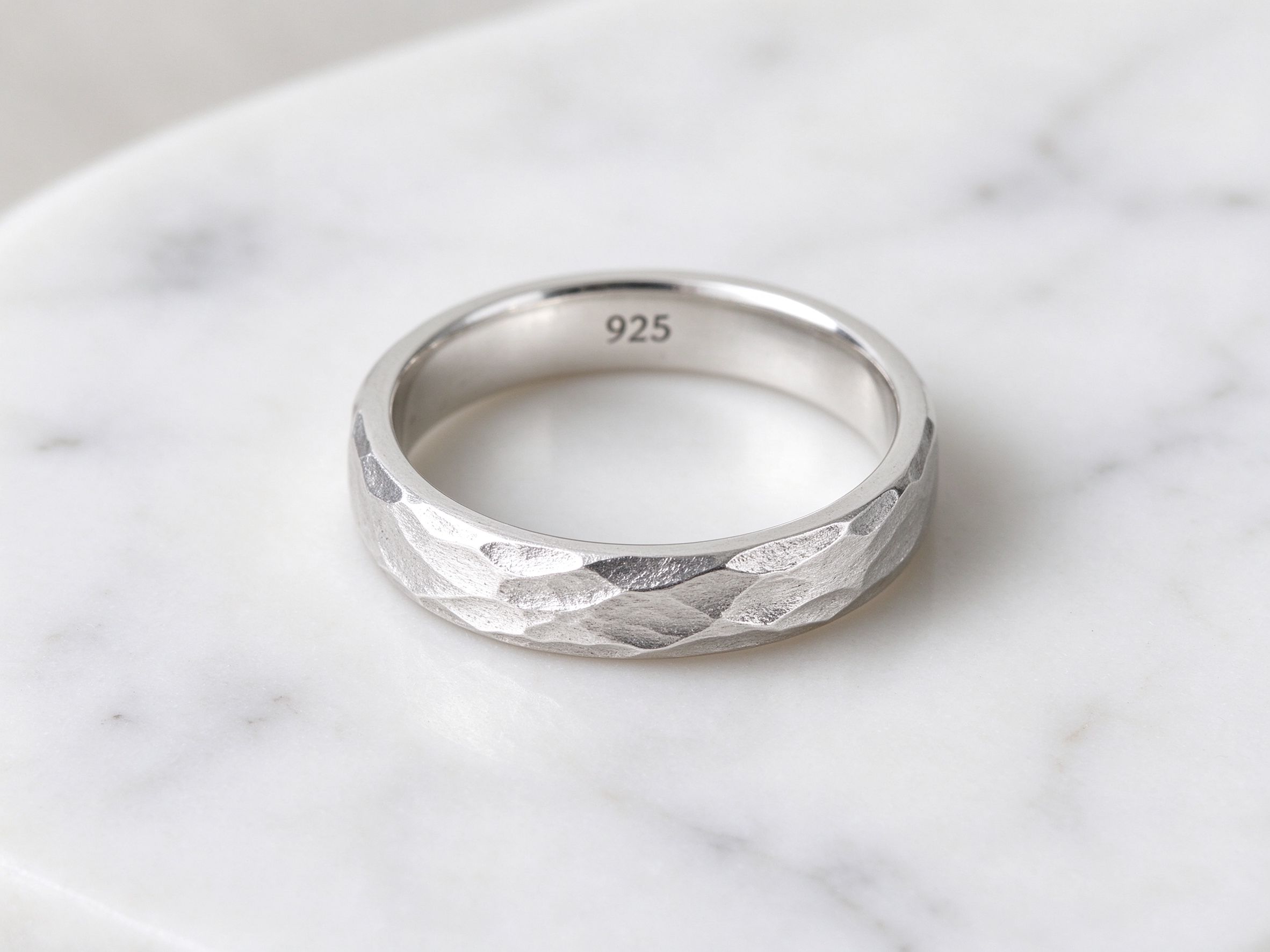
Factory MOQs on Sterling Silver: Why Small Orders Cost More Per Piece
If you have ever asked a jewelry factory for a quote on a small order and received back a price that felt surprisingly high, you have hit the MOQ wall. The minimum order quantity is not an arbitrary number we pull out of thin air. It is the point at which the fixed costs of setting up a production run, opening a casting tree, running the plating bath, and packing the pieces are spread across enough units that the per-piece price makes sense. Below that threshold, the same fixed costs are spread over fewer pieces, and the price per piece climbs. This article explains, from the factory side, how MOQs work on a sterling silver line, why the numbers are what they are, and what you can do as a small brand to get fair pricing even when you cannot meet the full MOQ.
The short version is that casting, plating, and QC are batch processes. A casting tree that holds 50 rings takes the same amount of setup time as a tree that holds 500 rings. A plating bath that is opened for the day costs the same whether it processes 10 pieces or 500. A QC inspector who inspects 10 pieces spends as much time opening the bag as inspecting them. When order volume is low, those fixed costs divide by a small number, and the per-piece price goes up. Understanding this math is the first step to negotiating a fair price for your size.
The Fixed Costs Behind Every Production Run
Every time we run a silver casting for a customer, a list of fixed tasks has to happen before a single piece ships. The CAD model has to be turned into a wax tree, the tree has to be invested in a ceramic mold, the mold has to be burned out, the silver has to be melted and poured, and the casting has to be cooled and broken out. These tasks take hours of machine time and bench time, regardless of whether the tree holds 20 pieces or 200 pieces. The setup cost for the tree is the same. The silver we pour is more, but the labor and machine time are not proportionally higher.
Plating has the same dynamic. The plating bath has to be prepared, the rectifier has to be set, the pieces have to be racked, and the bath has to be run for a set time. A small batch of 10 pieces spends the same amount of time in the bath as a batch of 500, because the plating process is driven by time and voltage, not by the number of pieces. The solution is precious metal, and it costs the same to open the line for a small batch as for a large one. We have to charge enough on the small batch to cover the bath cost, or we lose money on it.
QC and packaging are the third fixed cost. Every piece has to be visually inspected, weighed, prong-checked, and then placed in a poly bag with a card. The first piece in a batch takes as long to inspect as the last, because the inspector has to open the bag, look at the piece, and seal it. On a small batch, the fixed inspection time per piece is high. On a large batch, the inspector gets into a rhythm and processes pieces faster, because the setup per piece drops.
How MOQ Tiers Actually Work on Our Quotes
Most factories, including ours, quote on tiered MOQs. A typical silver ring might be quoted at one price for 50 pieces, a lower price for 200 pieces, and a still lower price for 500 pieces. The silver component of the price stays the same across the tiers, because the silver weight is fixed. What changes is the labor multiplier, the plating charge per piece, and the setup fee. As the volume climbs, the fixed costs spread across more units, and the per-piece price drops.
A typical tier structure looks like this. On a simple silver stud earring, the 50-piece price might be 5.50 dollars per pair, the 200-piece price 4.20 dollars, and the 500-piece price 3.40 dollars. The silver weight is the same, but the setup, plating, and inspection costs drop from about 3.50 dollars per pair at 50 units to about 1.40 dollars at 500 units. That spread is the fixed cost being divided by different denominators. If you are a small brand ordering 50 pairs, you are not being overcharged; you are paying the real cost of running a small batch.
We also have a small-order surcharge for orders below 50 pieces, which covers the cost of interrupting the production line to fit a tiny batch. A 20-piece order might carry a 50 or 100 dollar setup fee on top of the per-piece price, because pulling the line off a larger job to run 20 pieces disrupts the whole schedule. This surcharge is not optional, because the disruption cost is real, and we would rather tell you up front than hide it in the per-piece price.
Tooling and Mold Costs as a Fixed MOQ Driver
One of the largest fixed costs on a custom order is the mold or tooling. A new ring design requires a rubber mold made from a master model, and that mold takes time and material to produce. The mold cost is usually a few hundred dollars, and it is amortized across the production run. On a 50-piece order, that mold cost adds several dollars per piece. On a 500-piece order, it adds less than a dollar per piece. This is the single biggest reason a small custom order looks expensive, and it is the reason we push small brands toward stock designs that already have molds paid for.
We keep the mold after the first order, which means that on a reorder, the mold cost is gone. A reorder of the same design, even at 30 pieces, is much cheaper than the first order at 30 pieces, because the tooling has already been paid. This is one of the reasons repeat customers get better pricing over time, and it is why we encourage brands to reorder rather than introduce a brand new design every season. The mold is an asset, and every reorder of that design is cheaper than the first.
For brands that want a custom design but cannot afford the tooling on a small order, we offer a shared mold program, where we produce the design for multiple brands under different packaging. The mold cost is split across the customers, and the per-piece price drops. This is not private label, because the design is shared, but it is a way to get a custom-looking design at a stock price. We will tell you which designs are available for shared molding, and we will not put two competing brands in the same shared mold at the same time.
How Rush Orders Change the MOQ Math
Sometimes a small brand needs a small order quickly, because a product launch is approaching or a retail account has asked for a sample. Rush orders are possible, but they carry a premium because we have to pull the production line off its normal schedule to fit your pieces in. The rush surcharge is usually a percentage of the order value, not a per-piece number, and it is designed to compensate the bench for the disruption. If you need 50 pieces in two weeks, we can do it, but the price will be higher than if you gave us six weeks.
The rush premium is also a way to discourage small brands from ordering at the last minute, because last-minute orders disrupt the whole production schedule and delay other customers. We would rather you plan ahead and pay the standard price, because that keeps the line running smoothly for everyone. If you truly need a rush order, we will do our best, but we will be honest about the premium, and we will recommend the next time that you give us more lead time.
For brands that want a sample before a full production run, we offer a sample production at a small premium. A sample of one or two pieces of a new design lets you hold the piece, check the fit, and photograph it before committing to 500 units. The sample price is higher than the per-piece price on a full run, because the setup is not amortized, but it is far cheaper than discovering after a 500-piece run that the design is wrong. We recommend sampling every new design before bulk production, because the cost of a wrong design at scale is enormous.
What Small Brands Can Do to Lower the Per-Piece Cost
If you are a small brand that cannot meet the 500-piece MOQ, there are four legitimate ways to bring the per-piece price down without pretending you have more volume than you do. The first is to combine designs into one production run. If you have three designs that use the same alloy, the same plating, and the same ring size range, we can cast them on the same tree and run them through the same plating bath. The fixed cost is divided across the total pieces, not per design, and your per-piece price drops even though each individual design is small.
The second is to accept a longer lead time. If we can fit your small batch into a gap between larger jobs, instead of pulling the line off a priority run, the surcharge drops. A small order that is flexible on timing can often be produced at near-200-piece pricing, because we are filling an idle slot rather than disrupting a schedule. If you need it next week, you pay the rush premium. If you can wait four weeks, you pay the standard rate.
The third is to standardize sizes and finishes. A small order that uses standard ring sizes, a standard finish, and standard plating thickness is faster to produce than one that customizes everything. The setup cost is lower, because we do not have to change settings between batches. If you are a small brand, staying close to our standard options is one of the fastest ways to bring the price down.
The fourth is to use our existing molds. If we have already cast a similar design for another customer, we can use the existing mold instead of cutting a new one, which saves the tooling cost and the setup time. We offer a catalog of stock designs that we can brand with your logo, and the per-piece price on those is lower than a fully custom piece, because the tooling is already paid for. For a small brand, a stock design with your packaging and logo is often the fastest way to get a line to market at a price you can afford.
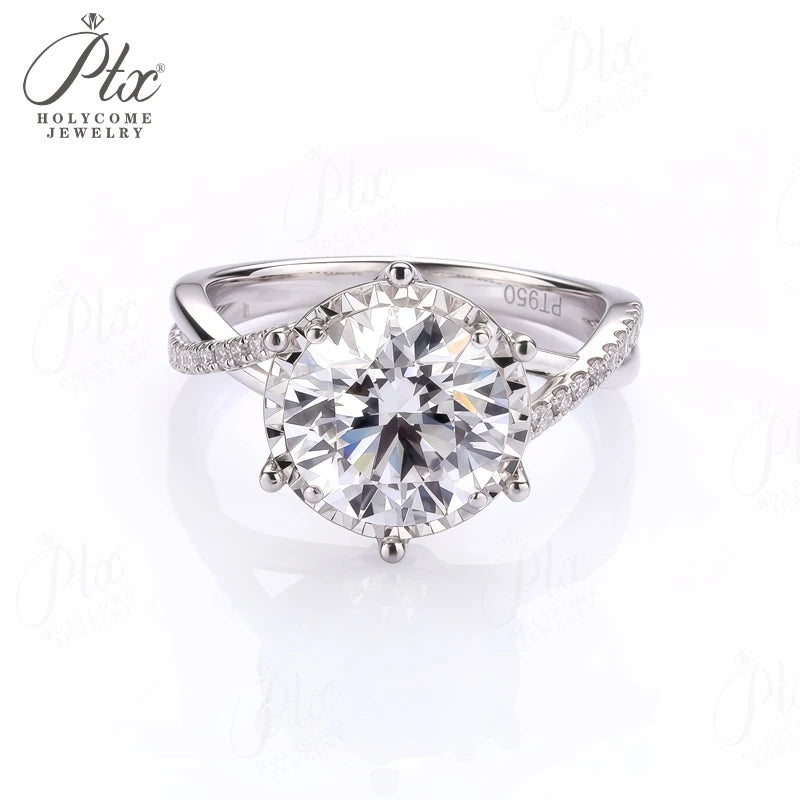
Why We Will Not Quote You a Lower Price on a Tiny Order
Some buyers push back on the MOQ, asking us to quote the 500-piece price on a 50-piece order. We will not do that, because it would mean losing money on the order, and a factory that loses money on small orders eventually goes out of business. The honest answer is that the 500-piece price is only possible because the fixed costs are divided across 500 units. A 50-piece order at that price would mean we are subsidizing your order with money from other customers, which is not sustainable.
What we will do instead is show you the math. We will break down the quote into silver cost, labor cost, plating cost, and setup cost, so you can see exactly where the small-order premium comes from. If you can increase the volume even slightly, say from 50 to 100 pieces, you will see a meaningful drop in the per-piece price, because the setup cost is now divided by twice as many units. If you truly cannot increase the volume, we will suggest ways to combine designs or use stock molds, so that the effective batch size is larger even though your individual SKU count is small.
We have seen small brands grow over the years by starting with a 50-piece order, then reordering at 200, then at 500, as their sales grew. The per-piece price dropped naturally as their volume climbed, and they were able to keep their retail price stable while their margin improved. The MOQ is not a wall; it is a staircase, and every reorder lets you move up a step.
How We Decide Whether to Accept a Small Order
Not every small order we get is one we should accept. We look at three things before we agree to a 30-piece order on a custom design. The first is whether the brand plans to reorder. If this is a one-time order with no prospect of repeat volume, the setup cost is unlikely to be recovered, and we may decline or quote a higher price. The second is whether the design is simple. A simple band with no stones and a standard finish is much faster to set up than a complex pavé ring, and we are more willing to take a small order on a simple design. The third is the relationship. We will often accept a small first order from a brand we believe in, because we know the volume will grow over time, and we would rather earn the business than turn it away.
We also balance small orders against larger jobs on the production schedule. If the line is full of 500-piece orders, we may not have room for a 30-piece order, even if we want to take it. If the line has a gap, we will accept the small order to fill the idle time. This is why lead times for small orders vary more than for large ones. Large orders get scheduled months in advance, while small orders fit into whatever gap is left. We will tell you honestly whether we can fit your small order in the timeline you want, and we will not promise a date we cannot keep.
For a small brand, the practical takeaway is that being easy to work with matters. If you are flexible on lead time, if you order designs that fit our existing molds, and if you communicate clearly, we will go out of our way to make the small order work. If you demand a rush date, a custom design, and a low price all at once, we will have to decline, because the math does not work. The brands that get the best small-order pricing are the ones we want to work with for years, not the ones trying to squeeze one cheap order out of us.
Common Questions About MOQs
What is the minimum order you will accept? For a custom design, our practical floor is about 30 to 50 pieces per SKU, depending on the complexity. Below that, the setup fee makes the price uneconomical for both sides. For stock designs, we can go as low as 10 pieces, because the tooling is already paid for.
Can I mix designs to reach the MOQ? Yes. If you have three designs that use the same alloy and finish, we can run them together and count the total toward the volume tier. You will get the tier price on the combined total, not per design.
Why is the MOQ higher for plated pieces than unplated? Because plating is a batch process with a bath setup cost. A plating line has to be opened and closed regardless of how many pieces go through it, so the fixed cost per piece is higher on small batches. Unplated pieces skip the plating bath, so they have a lower fixed cost.
Do MOQs change if I reorder? Reorders on existing molds can have lower MOQs, because the tooling cost is already paid. A reorder of 30 pieces on an existing design is usually cheaper than a first order of 30 pieces on a new design, because the setup is simpler.
Sample Runs as a Risk-Reduction Tool
Before committing to a full 500-piece run, we strongly recommend a sample run of two to five pieces of the new design. The sample lets you hold the piece, check the weight, test the fit on a customer, and photograph it for your website. The cost of the sample is small, usually a few hundred dollars including the mold, and it prevents the much larger cost of producing 500 pieces that turn out to be wrong. We see brands skip the sample step because they are in a hurry, and we see them regret it when the first production run arrives with a design flaw that the sample would have caught.
The sample run also lets us tune the production process. We can adjust the weight, the finish, the stone size, or the plating thickness based on your feedback before we commit to the full batch. By the time the full run starts, the design is settled, the mold is proven, and the bench knows exactly what to do. This reduces reject rates on the full run, which lowers the effective cost per piece even if the sample itself was expensive. We treat the sample as part of the production process, not as a separate expense, and we will credit a portion of the sample cost against the full run if you proceed.
The Bottom Line
The MOQ is not a negotiating tactic. It is the point at which the fixed costs of casting, plating, and inspection are spread across enough units to make the price fair. Small orders cost more per piece because the setup is divided by a small number, and there is no way around that math. But small brands can lower their effective cost by combining designs into one run, accepting flexible lead times, using stock molds, and growing into larger volumes over time. The factory that is honest about its MOQs is the one you can build with over the long term, because the math is transparent and the price does not hide a surprise.
If you are a small brand trying to figure out the right volume for your first order, send us your designs and your target retail price, and we will walk you through the tier structure. Reach our team at service@holycome.com, and for more on how our production line works, read our guide to wholesale ring MOQ and minimum order quantities and our breakdown of custom ring design to production ODM workflow.