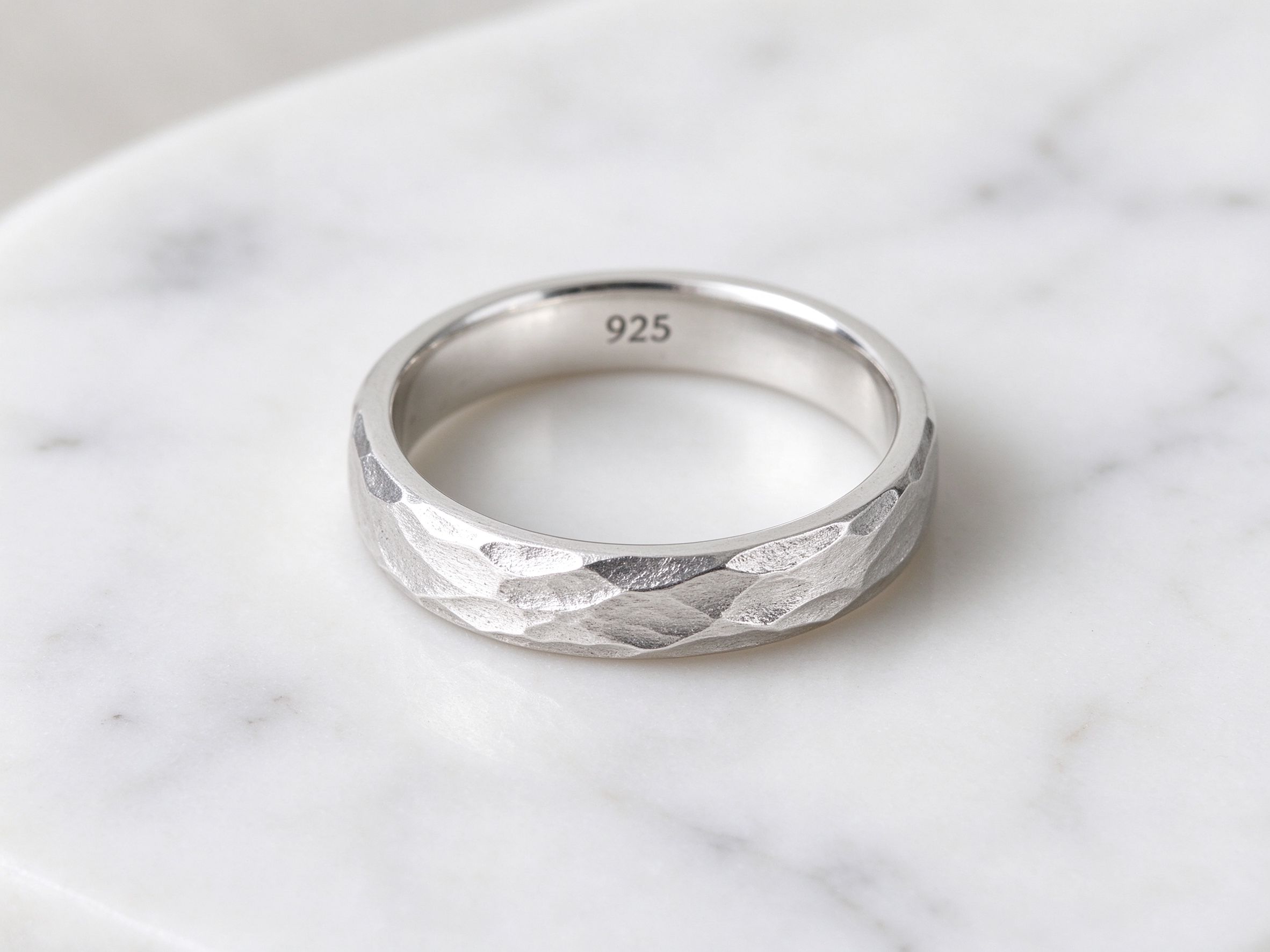
Tarnish is the single most common complaint about sterling silver. Silver reacts with sulfur in the air and on skin, forming a dark layer that customers notice within months. Anti-tarnish treatments promise to slow this down, but not all methods are equal. Here is what buyers should know.
Why silver tarnishes
Tarnish is a chemical reaction between silver and sulfur compounds. It is not dirt and it is not damage. It accelerates with humidity, exposure to wool, rubber, eggs and certain foods, and with skin chemistry. Some people tarnish silver much faster than others, which is why the same piece can look different on two wearers.
Rhodium plating as protection
The most effective anti-tarnish measure in fine silver jewelry is rhodium plating. The bright layer seals the silver away from air and skin. It is not permanent, but while it lasts, tarnish barely forms. This is why most premium silver jewelry is rhodium plated rather than left bare.
Lacquer and anti-tarnish sprays
Thin clear lacquers can be sprayed over silver to seal it. They work for a while, but they chip and wear, especially on rings and bracelets. They are better suited to displayed items than daily-wear jewelry. Reapplying them is messy and rarely done by customers.
What customers can do
- Store silver in anti-tarnish bags or strips.
- Keep pieces dry and away from humidity.
- Remove jewelry before showering, swimming and cleaning.
- Wipe with a soft cloth after wearing to remove skin oils.
What factories should include
Buyers should ask factories whether their silver is rhodium plated to a standard thickness, and whether anti-tarnish strips are packed with the order. A small strip in the jewelry pouch dramatically improves the customer's first impression months later. It also reduces "why does it look old?" complaints.
FAQ
Is tarnish a sign of poor quality silver?
No. All sterling silver tarnishes eventually. It is a natural property of the metal.
Does rhodium plating stop tarnish forever?
It slows it dramatically, but plating wears and must be renewed.
Can I polish tarnish off at home?
Yes, with a silver cloth or mild polish, but over-polishing wears the plating faster.
Tarnish handling is part of silver value. Read more in 925 Silver Value and Jewelry Care.
How skin chemistry changes tarnish speed
Two people wearing the same silver ring can see very different results. Skin chemistry is a real factor. People with more acidic skin, or who sweat more heavily, tarnish silver faster. Diet, medication and even stress can affect skin acidity. This is not a sign that one person's ring is better quality; it is just how their body interacts with the metal. If a customer complains that silver tarnishes on them quickly, reassure them it is normal, and recommend stronger protection: rhodium plating plus an anti-tarnish strip in storage.
The environment matters too. Humid climates, coastal air with salt, and urban air with pollutants all speed tarnish. Someone in a dry inland climate may keep silver bright for years; someone by the ocean may see darkening within weeks. Storage conditions matter more than most customers realize.
Cleaning without accelerating wear
People fight tarnish by polishing aggressively, which actually makes it come back faster. Each polishing removes a microscopic layer and wears the plating. The gentler approach is better: a soft silver cloth for light tarnish, a mild soap wash for grime, and a professional re-plate when the surface wears. Avoid dips and abrasives on plated pieces. Treat tarnish as a surface film to be gently removed, not a stain to be scrubbed out. With gentle care, silver stays bright and the plating lasts.
Bottom line
Tarnish is natural for silver, but rhodium plating and anti-tarnish storage slow it dramatically. Wipe pieces after wearing, keep them dry, and use anti-tarnish strips in humid climates. Gentle cleaning beats aggressive polishing, which strips the plating. When the finish wears, re-plate rather than polish harder. Treat tarnish as a maintenance routine, not a defect.
A worked example: silver that tarnished in a drawer
A customer stored her silver necklace in an open jewelry tray in the bathroom. After a few months it turned dark. She blamed the quality. The real cause was the humid bathroom air plus sulfur from products and moisture. When she moved the necklace to a dry drawer with an anti-tarnish strip and wiped it after wearing, it stayed bright. The silver was fine; the storage was the problem. Tarnish is environmental, and changing the environment fixes it far better than polishing harder.
Building anti-tarnish into your brand
For retailers, include an anti-tarnish strip in every silver order. It costs pennies and dramatically improves how the jewelry looks months later. Print a simple care note: store dry, wipe after wear, keep away from humidity. Customers who follow this keep their silver bright and remember your brand favorably. Over time, fewer "it tarnished" complaints come back, and your pieces keep their shelf appeal. The small strip earns its cost many times over.
Quick reference checklist
- Rhodium plating is the best anti-tarnish protection.
- Store silver dry, away from bathroom humidity.
- Include anti-tarnish strips in humid climates.
- Wipe pieces after wearing to remove skin oils.
- Polish gently; aggressive polishing strips the plating.
Tarnish is natural, but it is controllable. A combination of plating, dry storage and gentle cleaning keeps silver bright. When it does darken, a soft cloth removes the film without damaging the finish. Treat tarnish as routine care, and your silver stays attractive for years.
Tarnish will never disappear from silver, but it is manageable. A little plating, dry storage, a soft cloth and an anti-tarnish strip prevent almost all of it. When it does appear, treat it gently. Silver that is cared for this way keeps its bright white look and satisfies customers for years.
A small care note inside the pouch goes a long way. Tell customers to wipe pieces after wearing and to store them dry. This one step turns complaints about tarnish into compliments about how well the silver keeps its shine. Care instructions are free marketing.