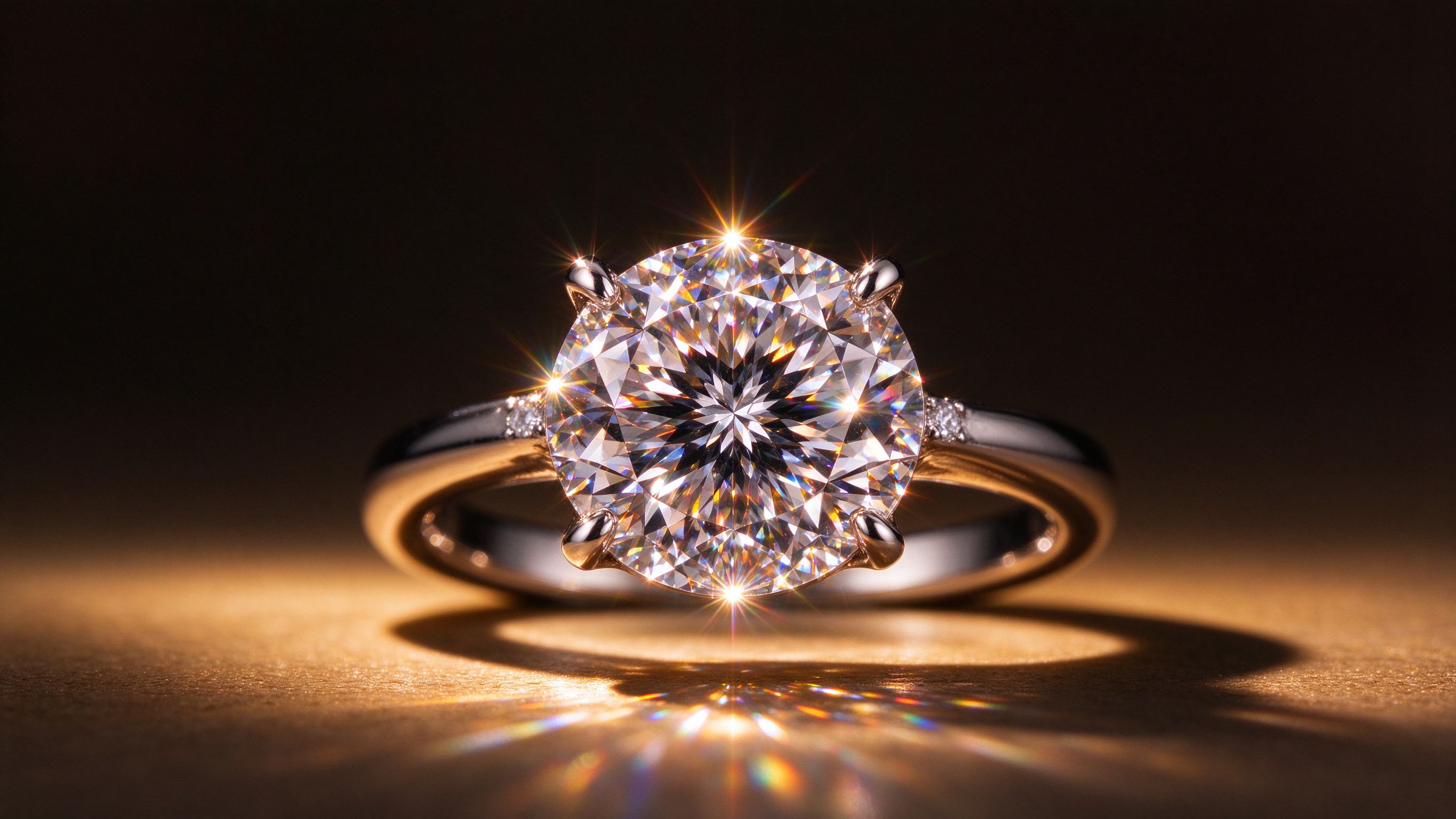
Wholesale Ring MOQ: Minimum Order Quantities, Price Breaks and How to Use Them
Minimum order quantities are the gate between a buyer and factory pricing. Understanding MOQs - why they exist, how price breaks work, and how to meet them efficiently - is key to lowering wholesale ring cost. This guide explains the economics.
Why Minimum Order Quantities Exist
Setting up a production run has fixed costs: preparing the line, adjusting tooling, changing plating baths and calibrating settings. If a buyer orders just a few rings, those fixed costs are spread over almost no units, making each ring expensive. Minimum order quantities ensure the run is large enough to absorb setup. MOQs are not arbitrary; they reflect the economics of production. A factory cannot efficiently produce one custom ring at bulk price. Buyers who understand this see MOQs as a natural threshold, and planning orders to meet them unlocks real unit savings.
Quality control on rings is multi-point. Casting inspection for porosity, setting inspection for seat contact, plating thickness by X-ray, and a final prong-tension and polish review. Each gate catches a different defect, and skipping any one gate is how a ring reaches a customer with a stone already working loose.
Pricing logic is transparent once you see the build. Ring price equals silver weight plus stone cost plus setting labour plus finishing and plating plus a share of tooling and overhead. When a buyer understands those five components, negotiating a fair quote becomes a conversation about quantities and processes rather than a haggling contest.
We treat the first sample as the start of a conversation, not a final verdict. Buyers request tweaks, we adjust the model, and we iterate until the design matches the vision. This collaborative loop is why OEM customers end up with rings that feel like their own, not generic catalogue pieces.
Lead times are quoted honestly, including the slowest realistic stage, because a promise the floor cannot keep is worse than a longer but truthful timeline. Buyers plan launches around dates we actually meet. That reliability is a quiet reason brands reorder with the same factory season after season.
Bulk runs are quality-checked in samples from start, middle and end of production, so a buyer does not discover that the final rings drifted from the first. Consistency across a run is what makes a wholesale line dependable. We sample-measure plating and sizing on every batch before it ships.
Private label buyers receive the same production quality as our own brand would, because the manufacturing line does not change when the logo does. The only difference is the mark inside the shank. That consistency lets a new brand sell with confidence from its very first order.
How Price Breaks Reward Larger Orders
Beyond the MOQ, price decreases as order size grows, because fixed setup costs spread thinner. These price breaks are tiered: order more, pay less per unit. The breakpoints reward planning. A buyer who adds a modest number of units to reach the next tier often saves more per piece than the added stock costs. We show the price breakpoints in quotes, so buyers can decide where to land. Sometimes ordering slightly more than the immediate need - within reason - reaches a lower tier and improves margin on the whole batch. The price break is an incentive to consolidate and plan.
The most successful wholesale partnerships grow by sharing data: what sells, what returns, what customers ask for. We use that feedback to refine grades, sizes and designs with the buyer. A factory that listens becomes a product-development partner, not just a supplier, and the range improves together.
Ring tooling is the entry cost of private label. Developing a new die, model or wax pattern for an OEM design is a fixed one-time charge that only makes sense when the order volume spreads it. For repeat ODM catalogues, tooling already exists, which is why off-the-shelf designs price far below fully custom pieces.
Setting method drives labour cost. Prong settings are quick and stone-friendly; bezel settings use more silver and more hours; micro-pav demands the most skilled bench time per stone. When you see a quote jump between two similar-looking rings, the setting method is usually the reason.
Production lead times are planned backwards. A moulded, stock-design ring can move in days; a custom ODM piece with new tooling needs weeks for sampling, approval and bulk casting. We quote the realistic timeline up front so retailers can plan marketing around stock arrival rather than promising dates the floor cannot meet.
Ring weight and material cost move together. Each gram of 925 silver is accounted for, plus the silver lost in casting and polishing. A bulky cathedral setting costs materially more silver than a slim solitaire, and that difference is visible both in the quote and in how the ring feels in the hand.
Finishing touches are a cost centre retailers forget. Hand polishing, rhodium plating, prong tightening, inspection and anti-tarnish packing are real labour and chemistry steps. A factory quote bundles them; a bargain quote that omits them quietly skips them, and the finish you receive will tell the story.
Meeting MOQs Without Overstocking
Buyers worry that meeting a high MOQ means buying too much stock. There are smart ways around this. Ordering a range of sizes in one design counts toward the MOQ, because they are produced in the same run. Consolidating related designs that share tooling or finishing also builds volume. A buyer does not need hundreds of one ring; they need enough units in a coherent run. We help buyers structure orders - mixing sizes and compatible designs - to meet the MOQ without dead stock. The goal is enough volume for an efficient run, not excess inventory.
Minimum order quantities exist because of changeover. Switching a line from one ring to another costs setup, plating bath change and tooling alignment, so small runs carry a high per-unit setup charge. Consolidating designs and colours into a planned run is how wholesale buyers bring unit cost down.
Matched wedding sets are manufactured as a pair. We cast and finish engagement and band together so the metal tone, width and finish match exactly, rather than hoping two separate orders happen to align. Selling a set raises ticket value and removes the mismatch complaint entirely.
Private label is a workflow, not a sticker. We adapt our existing models to your sizing, plating, engraving and packaging, apply your logo, and produce under your brand name. The moissanite quality and 925 construction stay ours; the customer-facing identity becomes yours.
Quality control on rings is multi-point. Casting inspection for porosity, setting inspection for seat contact, plating thickness by X-ray, and a final prong-tension and polish review. Each gate catches a different defect, and skipping any one gate is how a ring reaches a customer with a stone already working loose.
Pricing logic is transparent once you see the build. Ring price equals silver weight plus stone cost plus setting labour plus finishing and plating plus a share of tooling and overhead. When a buyer understands those five components, negotiating a fair quote becomes a conversation about quantities and processes rather than a haggling contest.
We treat the first sample as the start of a conversation, not a final verdict. Buyers request tweaks, we adjust the model, and we iterate until the design matches the vision. This collaborative loop is why OEM customers end up with rings that feel like their own, not generic catalogue pieces.
MOQs for Stock vs Custom Designs
MOQs differ by product type. Stock ODM designs, with existing tooling, have lower MOQs because setup is minimal. Fully custom OEM designs, requiring new moulds, have higher MOQs because the tooling must be amortised. This is why starting with ODM designs is accessible, while custom lines demand commitment. Buyers should match their order size to the product type: small trials of ODM bestsellers, larger committed runs for custom exclusives. Understanding this distinction prevents a buyer from being surprised by a high MOQ on a custom design they assumed would be cheap to trial.
Lead times are quoted honestly, including the slowest realistic stage, because a promise the floor cannot keep is worse than a longer but truthful timeline. Buyers plan launches around dates we actually meet. That reliability is a quiet reason brands reorder with the same factory season after season.
Bulk runs are quality-checked in samples from start, middle and end of production, so a buyer does not discover that the final rings drifted from the first. Consistency across a run is what makes a wholesale line dependable. We sample-measure plating and sizing on every batch before it ships.
Private label buyers receive the same production quality as our own brand would, because the manufacturing line does not change when the logo does. The only difference is the mark inside the shank. That consistency lets a new brand sell with confidence from its very first order.
The most successful wholesale partnerships grow by sharing data: what sells, what returns, what customers ask for. We use that feedback to refine grades, sizes and designs with the buyer. A factory that listens becomes a product-development partner, not just a supplier, and the range improves together.
Ring tooling is the entry cost of private label. Developing a new die, model or wax pattern for an OEM design is a fixed one-time charge that only makes sense when the order volume spreads it. For repeat ODM catalogues, tooling already exists, which is why off-the-shelf designs price far below fully custom pieces.
Setting method drives labour cost. Prong settings are quick and stone-friendly; bezel settings use more silver and more hours; micro-pav demands the most skilled bench time per stone. When you see a quote jump between two similar-looking rings, the setting method is usually the reason.
The Cost of Ordering Below the MOQ
Ordering below the MOQ is possible but expensive, because setup costs are not spread. A tiny order carries a high per-unit setup fee. Sometimes a buyer needs a small quantity for a test, and we can accommodate it, but the unit price reflects the uneconomic run. The smarter path is either to consolidate a trial to a workable MOQ, or accept the higher cost for a small sample. We advise buyers on the most economical approach - often a small consolidated ODM order rather than a fragmented tiny one. Understanding the below-MOQ cost helps buyers make rational trial decisions.
Production lead times are planned backwards. A moulded, stock-design ring can move in days; a custom ODM piece with new tooling needs weeks for sampling, approval and bulk casting. We quote the realistic timeline up front so retailers can plan marketing around stock arrival rather than promising dates the floor cannot meet.
Ring weight and material cost move together. Each gram of 925 silver is accounted for, plus the silver lost in casting and polishing. A bulky cathedral setting costs materially more silver than a slim solitaire, and that difference is visible both in the quote and in how the ring feels in the hand.
Finishing touches are a cost centre retailers forget. Hand polishing, rhodium plating, prong tightening, inspection and anti-tarnish packing are real labour and chemistry steps. A factory quote bundles them; a bargain quote that omits them quietly skips them, and the finish you receive will tell the story.
Minimum order quantities exist because of changeover. Switching a line from one ring to another costs setup, plating bath change and tooling alignment, so small runs carry a high per-unit setup charge. Consolidating designs and colours into a planned run is how wholesale buyers bring unit cost down.
Matched wedding sets are manufactured as a pair. We cast and finish engagement and band together so the metal tone, width and finish match exactly, rather than hoping two separate orders happen to align. Selling a set raises ticket value and removes the mismatch complaint entirely.
Private label is a workflow, not a sticker. We adapt our existing models to your sizing, plating, engraving and packaging, apply your logo, and produce under your brand name. The moissanite quality and 925 construction stay ours; the customer-facing identity becomes yours.
Negotiating MOQs With a Long-Term Plan
MOQs are negotiable over time. A new buyer may need a trial order; as volume and trust grow, MOQs become flexible. Long-term buyers who commit to recurring volume can negotiate favourable MOQs and price tiers, because the factory values predictable business. We work with growing brands to scale MOQs as their demand proves out. A buyer who communicates their growth plan - expected volumes, seasonal peaks - can arrange terms that support expansion. MOQs are not a wall; they are a starting point that evolves with the relationship. Planning volume together makes the threshold work for both sides.
Quality control on rings is multi-point. Casting inspection for porosity, setting inspection for seat contact, plating thickness by X-ray, and a final prong-tension and polish review. Each gate catches a different defect, and skipping any one gate is how a ring reaches a customer with a stone already working loose.
Pricing logic is transparent once you see the build. Ring price equals silver weight plus stone cost plus setting labour plus finishing and plating plus a share of tooling and overhead. When a buyer understands those five components, negotiating a fair quote becomes a conversation about quantities and processes rather than a haggling contest.
We treat the first sample as the start of a conversation, not a final verdict. Buyers request tweaks, we adjust the model, and we iterate until the design matches the vision. This collaborative loop is why OEM customers end up with rings that feel like their own, not generic catalogue pieces.
Lead times are quoted honestly, including the slowest realistic stage, because a promise the floor cannot keep is worse than a longer but truthful timeline. Buyers plan launches around dates we actually meet. That reliability is a quiet reason brands reorder with the same factory season after season.
Bulk runs are quality-checked in samples from start, middle and end of production, so a buyer does not discover that the final rings drifted from the first. Consistency across a run is what makes a wholesale line dependable. We sample-measure plating and sizing on every batch before it ships.
Private label buyers receive the same production quality as our own brand would, because the manufacturing line does not change when the logo does. The only difference is the mark inside the shank. That consistency lets a new brand sell with confidence from its very first order.
Frequently Asked Questions
Why is there a minimum order quantity?
Production setup has fixed costs - tooling, plating, calibration. MOQs ensure the run is large enough to absorb setup, so per-unit pricing stays economic.
How do price breaks work?
Per-unit price falls as order size grows, spreading fixed costs. Look at the tier breakpoints; adding a few units can reach a lower price across the whole batch.
How can I meet the MOQ without overstocking?
Mix sizes within one design and consolidate related designs that share tooling. The goal is a coherent run, not hundreds of identical rings.
Do custom designs have higher MOQs?
Yes. Custom OEM tooling must be amortised, so MOQs are higher. Stock ODM designs have low MOQs for accessible trials.
Can MOQs be negotiated?
Yes, as volume grows. Long-term buyers who commit to recurring orders negotiate flexible MOQs and better tiers. Share your growth plan with us.
Conclusion
MOQs exist to spread fixed setup costs, and price breaks reward larger planned orders. Buyers who mix sizes, consolidate designs and grow into volume thresholds lower unit cost sensibly. Treat the MOQ as a planning threshold, not a barrier, and wholesale ring pricing improves with every order.