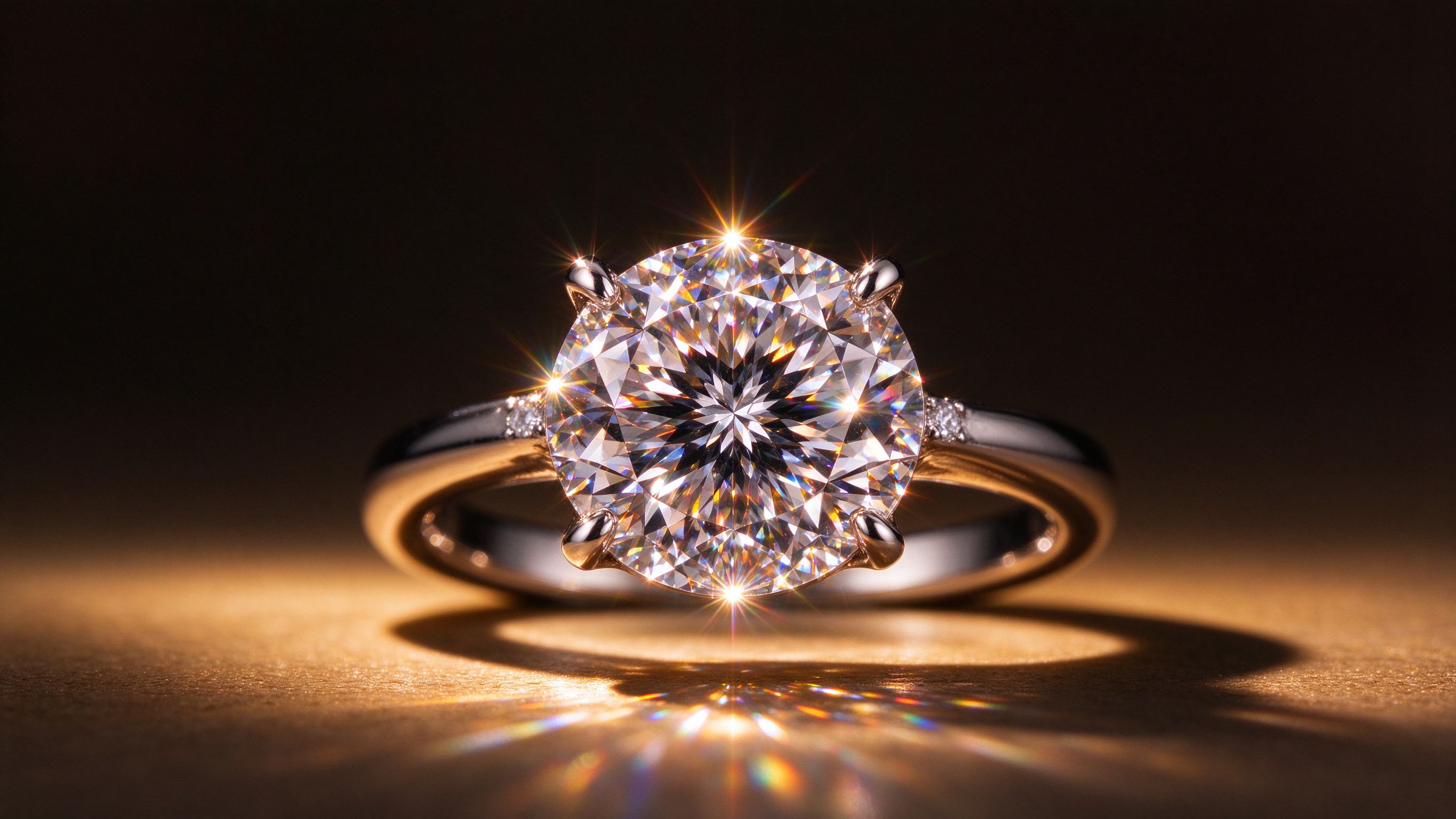
Tennis Bracelet Cost Breakdown - HOLYCOME
A tennis bracelet looks like one continuous line of sparkle on a wrist, but behind that simple line is a surprisingly detailed bill of materials. As a factory that manufactures moissanite tennis bracelets for wholesale brands, we price each bracelet by adding up its parts: the stones, the metal, the settings, the clasp, and the labor to set every stone in a straight line. New buyers often expect a single number and are surprised by how many decisions change that number. This guide breaks the cost of a moissanite tennis bracelet into its actual components, so you can understand what you are paying for, where the price moves, and how to specify a bracelet that hits your target retail price without cutting corners your customer will feel.
We will walk through every line in the factory cost: the number and size of stones, the total carat weight, the metal and chain construction, the setting labor, the clasp, and the finishing. We will show how a half-millimeter change in stone size or a thicker chain moves the price, and why the cheapest quote is often the one that hides a weak clasp or thin chain. By the end, you should be able to read a tennis bracelet quote and know exactly which part of it you are paying for.
What a Tennis Bracelet Actually Is
A tennis bracelet is a flexible chain set with a continuous row of identical stones, usually round, running the whole length of the wrist. Unlike a bangle, which is a rigid circle, a tennis bracelet bends with the wrist and fastens with a clasp. Its whole appeal is that uninterrupted line of sparkle, which means every stone has to match and sit level. That matching and leveling is what makes a tennis bracelet more labor-intensive than it looks. We introduce the category in tennis bracelets overview, and the cost story starts with the fact that this is not a single pendant; it is a small chain of dozens of matched stones.
This is important because the cost scales with the number of stones. A bracelet with twenty stones costs roughly twice the stones of one with ten, and each stone has to be cut, matched, and set. The bracelet that looks simplest on a wrist is actually one of the more complex pieces to make, because the stones must all be identical, level, and securely set along a flexible chain. That complexity is the foundation of its price.
The Stones: Total Carat Weight Drives Cost
The biggest cost driver in a moissanite tennis bracelet is the stones, and the stones are priced by their total carat weight. The more carats across the bracelet, the higher the cost, because moissanite is priced per carat. A bracelet set with larger, heavier stones costs far more than one with smaller stones, even though both may have the same number of stones. This is why two bracelets that look similar on a photo can differ wildly in price: the hidden difference is the millimeter size and total weight of the stones. We explain the carat logic in moissanite pricing per carat.
For a buyer, this means choosing stone size is the single biggest price decision you make. A 1.5-millimeter stone bracelet is affordable and delicate; a 3-millimeter stone bracelet is bold and many times the stone cost. Neither is wrong, but they serve different customers and price points. We help buyers pick the stone size that matches their target retail price, because once you know the carat budget, the rest of the cost is comparatively small. The stone choice sets the ceiling.
Setting and Matching: The Hidden Labor
Here is where a tennis bracelet earns its keep in labor. Every stone must be cut to match its neighbors in size, color, and brilliance, then set securely so the whole row sits perfectly level. If one stone sits higher or lower than the rest, the line looks broken. Matching dozens of stones and setting them in a straight flexible row is slow, precise work, and that labor is part of the price. This is why a cheap tennis bracelet often shows its weakness: the stones are mismatched, the settings are rushed, and the line wobbles. We discuss the matching work in stone matching, and it applies just as much to a bracelet row.
The labor also explains why consistency across reorders matters. A factory that sets its own stones can hold the match and the setting level batch after batch, while a middleman who buys stones elsewhere may struggle to reproduce the same look. When you reorder a tennis bracelet, your customer expects it to look like the first one. That consistency is a manufacturing capability, not an accident, and it is worth paying for rather than chasing the lowest quote that cannot reproduce itself.
The Metal Chain: More Than a Backbone
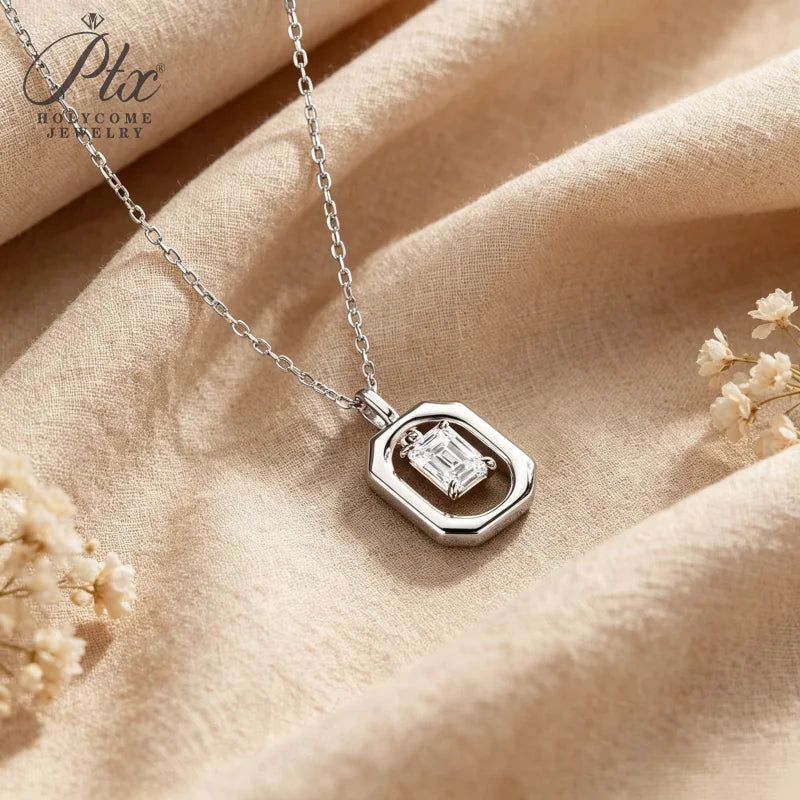
Beneath the stones is the chain that holds them, and its cost and quality matter more than buyers expect. A tennis bracelet chain has to be flexible enough to bend around the wrist but strong enough not to stretch or break, and it carries the settings for every stone. A thin, flimsy chain is the failure point of cheap tennis bracelets: it stretches, the stones loosen, and the bracelet breaks. We specify a chain weight and strength that matches the stones, because a beautiful stone row on a weak chain is a broken bracelet waiting to happen. We discuss chain strength in clasps and closures.
The metal choice also changes the cost. Sterling silver is the standard for affordable moissanite bracelets, and it balances cost, durability, and look. Gold vermeil or solid gold would raise the price significantly, which is why most wholesale moissanite tennis bracelets sit in sterling silver. The silver cost moves with the silver spot price, as we cover in silver spot pricing, and across a chain that carries dozens of settings, the grams add up. A well-built chain is not a place to skimp.
The Clasp: The Part That Protects the Bracelet
If the chain is the backbone, the clasp is the piece that keeps the bracelet on the wrist, and it is the most important safety component. A tennis bracelet set with dozens of stones is worthless if the clasp fails and the whole thing is lost. That is why we use a secure box clasp with side safety latches, not a cheap spring ring. The clasp costs a little more, but it is the difference between a bracelet that stays on and one that drops off and vanishes. We detail this in clasp security, and it is the first place a cheap corner is cut.
When you compare tennis bracelet quotes, look at the clasp. A quote that seems unusually low may be saving money by using a weak clasp that will fail. Asking what clasp is used tells you a lot about how seriously the factory takes loss prevention. A secure clasp costs a few cents more, but losing a bracelet costs the entire piece. This is one of those lines where saving on the part that matters most is the most expensive mistake you can make.
| Cost Component | What Drives It | Easy to Cut Corners? |
|---|---|---|
| Moissanite stones | Total carat weight, stone size | No, this is the product |
| Setting labor | Number of matched stones | Cheap setting shows in wobbly line |
| Sterling silver chain | Weight and strength | Thin chain stretches and breaks |
| Clasp and safety | Clasp type and latches | Weak clasp loses the bracelet |
| Finishing and plating | Polish and rhodium | Thin plating wears fast |
Finishing and Plating
The last cost line is the finishing: the polishing and the rhodium plating that gives the silver its bright, white, diamond-like finish. Good plating makes the bracelet look premium and protects the silver from tarnish, while thin plating wears off within months and leaves the bracelet looking dull. We plate to a thickness that survives daily wear, because a tennis bracelet is an everyday piece that should keep its brightness. We cover plating thickness in plating thickness and value, and the same standard applies to bracelets.
Finishing is also where the bracelet's first impression is made. A well-polished, evenly plated bracelet reads as premium the moment the customer picks it up, while a poorly finished one shows tiny scratches and uneven color. That finish is a small cost in the factory but a large part of the perceived value, which is why we never skimp on the polish. The bracelet that looks bright and even on day one is the one customers trust and wear.
How the Price Moves With Your Specs
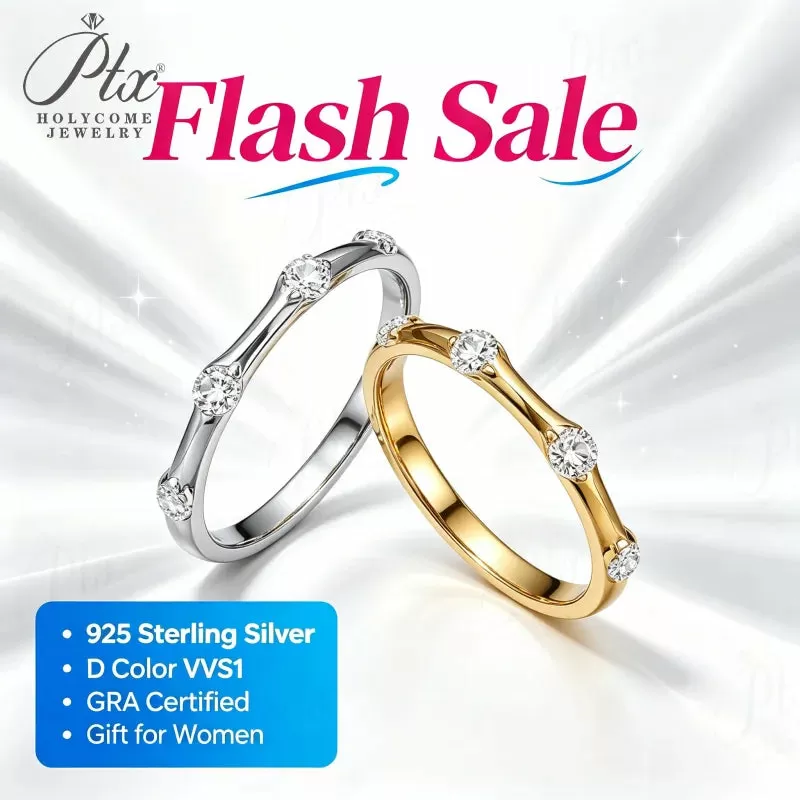
To make this concrete, here is how the price moves as you change the spec. Choose a smaller stone size and fewer total carats, and the bracelet gets noticeably cheaper, because stones dominate the cost. Choose a heavier, stronger chain and a secure clasp, and the price rises slightly, but durability and safety improve. Choose a deeper plating and better matching, and the bracelet looks more premium and lasts longer. The art of specifying a tennis bracelet is spending your budget on what the customer feels, and saving only on what she never sees. We walk through the same tradeoff for rings in cost breakdown.
The buyers who get the best value are not the ones who chase the lowest quote; they are the ones who specify honestly. They spend on the stones, the chain, the clasp, and the finish, because those are the parts that survive and sell. They avoid paying for extras the customer does not need, like an overbuilt chain on a tiny stone bracelet. That balance produces a bracelet that sells at a healthy margin and does not come back broken, which is the real goal of the cost breakdown.
Sizing and the Extra Link
Bracelet sizing quietly affects cost and fit, and it is worth planning before you order. A tennis bracelet that is too tight pinches the wrist and is uncomfortable; one that is too loose slides around and risks catching and breaking. The standard sizes cover most wrists, but offering half sizes or an adjustable extension adds flexibility. Because each extra length means extra stones and chain, longer bracelets cost a little more. We discuss sizing in bracelet sizing, and the cost implication is simple: size runs are part of the spec, not an afterthought.
For a wholesale buyer, carrying a few size options is worth the modest extra cost, because a bracelet that fits sells, while one that does not gets returned. We can supply a range of wrist sizes in one order, so you cover the common wrists without overstocking every size. The cost of that flexibility is small compared to the cost of a return, and it is a detail that separates a professional bracelet line from a casual assortment.
Why Matching Across Reorders Costs a Little More
When you reorder a tennis bracelet six months later, your customer expects it to match the first one exactly. That matching across time is not automatic. Stone batches vary, and reproducing the exact color, size, and setting level requires a factory that keeps your spec on file and reuses the same stones and settings. That consistency costs a little more than a one-off, because we hold your details and check each reorder against your first sample. We explain this in collection matching, and it is worth every cent for a brand that wants its line to look the same every season.
The alternative, cheap quotes that cannot reproduce your design, leave you re-photographing and re-explaining your product every reorder, and the customer notices when the new bracelet looks slightly different. That inconsistency erodes the brand you are building. Paying a little for a factory that holds your spec steady protects the whole line, and it is a cost that pays back in customer trust rather than in any single bracelet.
The Margin the Cost Breakdown Protects
The real reason to understand the cost breakdown is that it protects your retail margin. When you know exactly what each part of the bracelet costs, you can decide what to spend and what to save, and you can price the finished bracelet against a real number rather than a guess. A buyer who understands that stones dominate the cost will not overpay for a fancy clasp, and will not underpay for the chain. That clarity lets you hit a retail price that customers love while still earning a healthy margin. We discuss the margin side in retail margin strategies, and the same logic applies to bracelets.
Buyers who skip the breakdown and just compare total quotes often end up with a bracelet that looks cheap at the price they need to charge, because they unknowingly bought one with thin plating and a weak clasp. The buyers who understand the parts build a bracelet they can stand behind at a price they can defend. That confidence shows in how they sell, and customers respond to it. The cost breakdown is not just factory homework; it is the basis of a profitable, durable bracelet line.
Common Cost Mistakes to Avoid
After pricing many tennis bracelets, we see the same mistakes. The first is choosing the absolute lowest stone size to hit a price, ending up with a delicate bracelet that looks sparse and does not sell. The second is saving on the clasp, which is how bracelets get lost. The third is ignoring the chain weight, producing a bracelet that stretches within months. The fourth is overspecifying a heavy chain on a small, affordable bracelet, pushing the price past what the market will bear. Each of these is a balance error, not a design error, and each is avoided by understanding what drives the cost. We cover the related discipline in construction and value.
The deepest mistake is treating the tennis bracelet as a commodity where the cheapest quote wins. A tennis bracelet is a precision row of matched stones on a flexible chain, and the factory's skill in matching and showing is a real part of the value. The buyers who win treat the quote as a partnership: they tell us their target retail price, and we build a spec that hits it with the right parts where they matter. That collaborative approach beats hunting the lowest number every time.
Sample Before You Commit
Because a tennis bracelet's look and feel are hard to judge from numbers, we always send a sample before production. The sample shows you the actual stone size on a wrist, the chain weight in your hand, and the clasp operation. It is the cheapest way to catch a spec that looks good on paper but feels wrong in person, and we recommend it for every new design. We describe the sample process in OEM workflow, and it is the same careful path we use for bracelets.
A good sample does more than verify quality; it becomes the standard against which the production run is checked. We keep your approved sample and match the mass production to it, so the hundreds of bracelets you receive look exactly like the one you held. That sample-backed consistency is how a wholesale order goes smoothly, and it is why we never let a buyer commit to a run without holding the piece first. The sample is where the cost breakdown becomes a product you can trust. Hold it, wear it, feel the clasp click, and you will know more than any spec sheet could tell you. That confidence is worth the small wait before production, and it is the difference between a wholesale order that ships clean and one that needs fixing after the fact.
Frequently Asked Questions
Why do two similar tennis bracelets have such different prices? The difference is usually the total carat weight of the stones, plus the chain strength and clasp quality. Stones dominate the cost, so a larger stone size doubles the price even if the design looks the same.
What is the most important part not to skimp on? The clasp and chain. A weak clasp loses the whole bracelet, and a thin chain stretches. Spend there even if you save on the non-visible parts.
Is sterling silver the right metal for a moissanite tennis bracelet? Yes, for the wholesale price range. Silver balances cost, weight, and durability, and it pairs with the rhodium finish that makes the stones look their brightest.
How do I hit my target retail price? Start from the stone size and total carat weight, since that sets the cost ceiling, then specify a solid chain and secure clasp around it. We will help you tune the rest to the price you need.
Should I carry several bracelet sizes? Yes. Sizing flexibility costs a little extra in stones and chain, but a bracelet that fits sells, while one that does not gets returned. Cover the common wrist sizes in one order.
Why order a sample before production? Because numbers cannot show how the bracelet feels. A sample lets you check the stone size on a wrist, the chain weight, and the clasp, and it becomes the standard we match production to.
Know What You Are Paying For
A tennis bracelet quote is not a single mystery number; it is the sum of matched stones, a strong chain, a safe clasp, and a careful finish. When you understand those parts, you can specify a bracelet that hits your price point without sacrificing the durability and sparkle that make it sell. The cheapest quote is rarely the best value, because the corners it cuts are exactly the ones your customer will feel. The right quote spends on what matters and saves on what does not.
We manufacture moissanite tennis bracelets in Wuzhou, China, and we will break down the cost of your spec so you can price your line with confidence. Reach our team at service@holycome.com, and read more in our guides on moissanite bracelets for wholesale and tennis bracelets overview.