How Silver Spot Price Moves Your Factory Quote: A Buyer's Hedge Guide
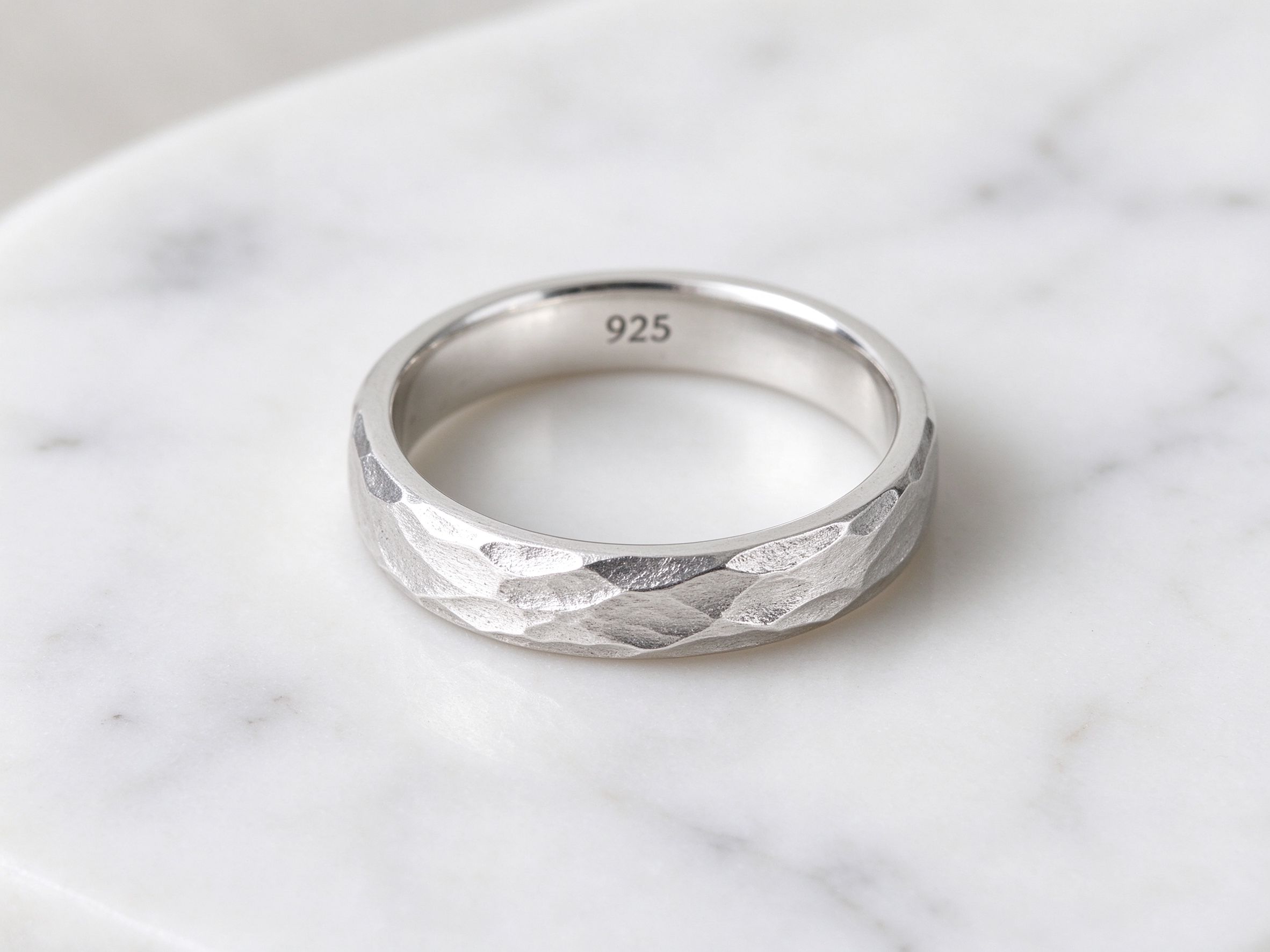
If you have ever ordered silver jewelry on two consecutive months and noticed that the unit price crept up even though nothing in the design changed, you have seen the silver spot price in action. Sterling silver is 92.5 percent silver by weight, and silver is a globally traded commodity with a price that moves every hour the London Metal Exchange, the COMEX, and the Shanghai Futures Exchange are open. When spot silver goes up, the silver component of your piece goes up, and when it goes down, it goes down with it. The labor and finishing components stay the same, but the metal component floats, and over a year of orders that float can add up to a meaningful swing in your cost of goods.
This article explains how we, as a factory, handle that floating price, what it means for you as a buyer, and how to think about locking in your silver cost over a quarter or a year. We will look at how quotes are built, why they expire, what a silver hedge actually does, and how small brands can use the same treasury techniques that large retailers use without needing a trading desk. If you have ever been burned by placing an order right before a silver spike, or by waiting too long for a dip that never came, this guide is for you.
How Our Quote Is Built Around the Spot Price
When we send you a quote, the silver component is pegged to the LME spot price at the moment the quote is issued. We look up the current per-ounce price, convert it to per-gram, multiply by the net silver weight of your piece, and add a small refining and handling charge. That number is the silver material cost. On top of it we add the labor multiplier, the plating charge, the packaging, and the margin. The silver component is the only part of the quote that moves with the market; everything else is fixed by the design and the order size.
This is why a quote is valid for a limited time. We hold silver inventory on our books, and if the spot price moves between the day we quote you and the day you place the order, we either make or lose money on the silver component. Most factories hold quotes valid for seven to fourteen days, because that is long enough for you to get internal approval and send a deposit, but short enough that we are not exposed to a multi-week price swing. If you need a longer quote, we can extend it, but we will add a small price-lock fee that covers the cost of carrying the silver position.
When you place a confirmed PO and send a deposit, we lock the silver price at that day's spot level. From that moment, even if silver spikes ten percent the next day, your unit price does not change, because we have already bought the silver for your order at the locked price. If silver drops ten percent after your lock, you do not get a refund, because we are holding silver we bought at the higher price. The lock is a two-way bet, and it protects both sides.
What Happens When Silver Spikes
A silver spike is the moment every buyer remembers. Silver can move five percent in a day on inflation news, on industrial demand, or on a shift in investor sentiment. When that happens, every factory in the world stops quoting, because quoting against a moving market is how you lose money. We usually pause new quotes for a day or two until the market settles, because we do not want to lock a price that is moving twenty dollars an ounce in a single session.
For a brand that has not locked its silver, a spike means the next order will cost more. If you have a retail price that does not change, your margin compresses. If you try to pass the increase to your customer, you risk losing sales to competitors who locked their silver earlier. This is the situation that treasury teams at large retailers are paid to manage, and it is the reason small brands get squeezed when silver moves fast.
The practical response for a small brand is to place your next order sooner rather than later when you see silver starting to climb. Locking the price on deposit day is the only way to guarantee that your cost does not move, and the cost of locking is small compared to the risk of waiting. If you wait for silver to come back down, you might wait months, and in the meantime your production runs are more expensive.
The Simple Hedge: Buy Ahead on a Rolling Cadence
Large retailers hedge silver by buying futures contracts on the COMEX, which is a financial instrument most small brands do not have access to. But there is a simpler version of the same hedge that any brand can use: buy your next batch of silver jewelry ahead of time, on a rolling cadence, rather than ordering only when your stock runs low. If you know you will need 500 rings in three months, order them now, lock the silver price now, and have us hold the inventory for you or ship it as you need it.
This works because you are effectively pre-buying the silver component at today's price, regardless of what silver does in the next three months. If silver goes up, you are glad you bought early. If silver goes down, you missed the dip, but you also avoided the risk of going without stock. Over a year, the rolling cadence smooths out the spikes and dips, and your average cost per piece is close to the average silver price for the year, not the price on the specific day you happened to order.
We offer inventory holding for brands that want to pre-buy. You pay the deposit, we cast the pieces, we plate them, and we hold them in our warehouse until you need them, shipping batches as you request. The holding cost is a small monthly fee, usually under one percent of the inventory value, and it is far cheaper than the risk of a silver spike. Many of our regular brands use this system, and they tell us it is the single thing that has stabilized their margin over the last few years of volatile silver prices.
The Average Price Agreement
For brands that order every month, we offer an average price agreement. Instead of locking the price on each order, we track the spot silver price every day, calculate the monthly average, and price your order at that average plus our standard handling charge. This means your unit price moves with the market, but it moves smoothly, not in jumps. You do not have to time the market, and you do not have to decide when to place your order, because the average price takes care of the timing for you.
This is the simplest form of hedging, and it is what most of our mid-sized brands use. It is not as good as buying ahead on a dip, but it is much better than ordering at the spot price on the day you happen to send the PO. Over a year, the average price agreement gives you a predictable cost of goods, which makes budgeting and pricing much easier. We can set it up with a rolling three-month average, a monthly average, or a quarterly average, depending on how smooth you want the price to be.
The agreement does not require a minimum order, but it does require a commitment to order every month for at least six months, because we need to know we will have enough volume to make the averaging worthwhile. If you are a small brand ordering once a quarter, the rolling pre-buy approach is better than the average agreement, because it gives you more control over the timing.
Why Silver Volatility Is Different From Gold Volatility
Silver is a much more volatile metal than gold, even though both are traded commodities. The reason is that the silver market is smaller. A large share of silver demand is industrial, coming from solar panels, electronics, and medical applications, and that industrial demand swings with the global economy. Investment demand also moves, because silver is seen as a more accessible version of gold for small investors. When the economy looks uncertain, money flows into silver and gold, and when the economy recovers, money flows out. The result is that silver can move twice as fast as gold in either direction, which is why silver hedging matters more for a small brand than gold hedging does.
For a jewelry brand, this means the silver component of your cost can swing by twenty percent in a year, while the gold component on a gold line swings by ten percent. If you sell both silver and gold lines, the silver line is the one that needs the hedging attention, because it is where the price risk lives. Many small brands ignore silver hedging because they think silver is a cheap metal, but the volatility is higher, not lower, and the absolute dollar swing on a high-volume silver line can be larger than on a low-volume gold line.
The other difference is that silver has more industrial supply coming from mine output that is a byproduct of copper and zinc mining. This means the supply of silver does not respond quickly to price signals, because most silver mines are not silver mines at all, they are copper mines that happen to produce silver. When demand spikes, supply cannot ramp up quickly, and the price moves more. When demand drops, supply keeps coming because the mine is still producing copper, and the price drops further. This structural supply dynamic is why silver volatility is likely to stay high, and why hedging is a permanent part of doing business in silver jewelry.
How Deposit Sizing Affects Your Silver Position
When you place a deposit, we use part of it to buy the silver for your order. The standard deposit we ask for is thirty percent of the order value, which usually covers the silver component plus the tooling. The rest of the payment is due before shipment, when the pieces are finished and ready to go. This split is standard in the industry, and it protects both sides: we have enough cash to buy the silver without going out of pocket, and you are not paying the full balance until you have seen the finished pieces.
For a brand that wants extra price security, we can discuss a larger deposit that lets us buy the silver earlier in the process. If you pay fifty percent up front, we can buy the silver on the day you confirm the PO, rather than waiting for the standard thirty percent. This locks the price earlier, and it gives you more certainty that the unit price will not move. The trade-off is that more of your cash is tied up in inventory before it ships, which is a cash flow decision rather than a price decision.
We do not recommend paying more than fifty percent up front, because you lose leverage if something goes wrong with the production. The standard thirty percent is designed to protect both sides, and it is what most of our brands use. If you want a larger deposit for price security, we can discuss it, but we will usually recommend the average price agreement instead, because it achieves the same smoothing without tying up more of your cash.
When to Lock, When to Wait
A common question is whether to lock the price now or wait for a dip. The honest answer is that no one knows what silver will do next, and trying to time the market is a full-time job that we do not recommend for brand owners. The better approach is to set a rule for yourself: when silver is in the lower third of its twelve-month range, buy ahead. When it is in the upper third, order just enough to cover your immediate needs and wait. When it is in the middle, use the average price agreement.
You can see the twelve-month range on any free silver price chart, and it does not take a finance degree to tell whether the current price is high or low relative to the last year. If silver is at the top of its range, waiting makes sense, because it is more likely to come down than to go higher. If it is at the bottom, buying ahead is a bargain. If it is in the middle, the average agreement smooths it out. This simple rule will not beat the market, but it will prevent you from buying at the top.
The other rule is to never let your stock run so low that you have to order at whatever price the market is that day. Brands that are desperate for stock pay whatever we quote, because they have no time to wait for a dip. Brands that keep a three-month buffer can afford to wait for a good price. The buffer costs a little in working capital, but it is the cheapest hedging tool there is, because it gives you the option to wait rather than forcing you to buy.
Common Questions About Silver Price Hedging
How often does silver move enough to matter? Silver typically moves five to ten percent in a month, and twenty to thirty percent in a year. On a piece where silver is thirty percent of the cost, that translates to a three to nine percent swing in unit cost over a year. For a brand running a thin margin, that swing is the difference between profit and loss.
Can I negotiate the silver component of my quote? No. The silver component is pegged to the public spot price, and every factory in the world is looking at the same number. The thing you can negotiate is the labor multiplier, the plating charge, and the MOQ tiers. Trying to negotiate the silver price itself is like trying to negotiate the price of oil with a gas station.
What happens if silver crashes after I lock? You paid more for your pieces than you would have if you had waited, but you also have inventory in hand, and you avoided the risk that silver went the other way. Over a year of rolling orders, the locks cancel out, and you end up close to the average price. The goal is not to beat the market; it is to make your cost predictable.
Do you offer futures or paper hedging? No. We are a factory, not a financial institution. The hedging we offer is real product: pre-buying, inventory holding, and average price agreements. If you want to trade silver futures, you will need to open an account with a commodities broker, which is a different kind of business.
Can I cancel an order if silver drops right after I lock? No. Once we buy the silver for your order, we are holding that metal, and canceling leaves us with inventory we bought at the locked price. This is why we ask you to confirm the design and the volume before you send the deposit. If you are unsure about the timing, use the average price agreement instead of a hard lock, because it gives you more flexibility.
How often should I review my silver buying strategy? We recommend a quarterly review. Look at the average silver price for the last quarter, compare it to your locked prices, and decide whether to shift more volume to pre-buys or to average pricing. The market changes, and the strategy that worked last year may need adjustment this year.
How Industrial Demand Is Changing Silver Pricing
The silver market over the last five years has been driven less by investors and more by industrial demand, particularly from the solar panel industry, which uses silver paste in photovoltaic cells. Each solar panel contains a few grams of silver, and as the world installs more solar capacity, the industrial offtake of silver has climbed steadily. This structural demand shift means that silver prices are less tied to jewelry demand than they used to be, and more tied to energy policy and manufacturing cycles. For a jewelry factory, this means that even if consumer demand for silver jewelry softens, the spot price can stay high because solar and electronics are still buying. The jewelry market is no longer the price setter, which is one more reason to treat silver as a volatile industrial metal rather than a stable precious one.
For brand owners, the practical implication is that the silver price you see on the chart is not going to relax back to the levels of a decade ago, no matter how fashion demand moves. Budgeting for a higher average silver price than you are used to is the safer assumption, and building your retail price with a silver buffer rather than a silver discount is the way to avoid margin compression. We have helped several brands reprice their silver lines upward by a few percent in the last two years, and the customers absorbed the increase because the whole market was moving in the same direction.
The Bottom Line
Silver spot price is the one component of your jewelry cost that you cannot negotiate, but you can manage. Quotes expire because the price moves, locks protect both sides, and rolling pre-buys and average price agreements smooth out the spikes and dips. You do not need a finance team to use these tools; you just need to decide in advance when to buy ahead, when to wait, and when to let the average do the work. The brands that survive volatile silver markets are not the ones that time the market perfectly; they are the ones that never get stuck ordering at the top.
If you want to set up an average price agreement or a pre-buy program for your silver line, send us your monthly volume and we will build a plan that fits your cash flow. Most of our regular brands use a mix of all three tools: a base level on the average agreement, a top-up on pre-buy when silver looks cheap, and a small buffer of stock so they never have to panic-order at the top. That mix is what keeps their margin stable through a year of volatile silver prices, and it is what we would recommend for any brand that takes silver jewelry seriously.
Reach our team at service@holycome.com, and for more on how silver pricing moves in our factory, read our guide to silver price fluctuation and factory quotes and our breakdown of wholesale sterling silver material costs.