Recycled Sterling Silver: Sustainability and Cost in Modern Jewellery Factories
Sustainability is no longer a niche preference; many customers now ask how their jewellery is sourced. Recycled sterling silver is one of the most meaningful answers. This guide explains how recycled silver works in modern factories, its cost and quality, and how brands can use it as a credible selling point.
What Recycled Sterling Silver Actually Is
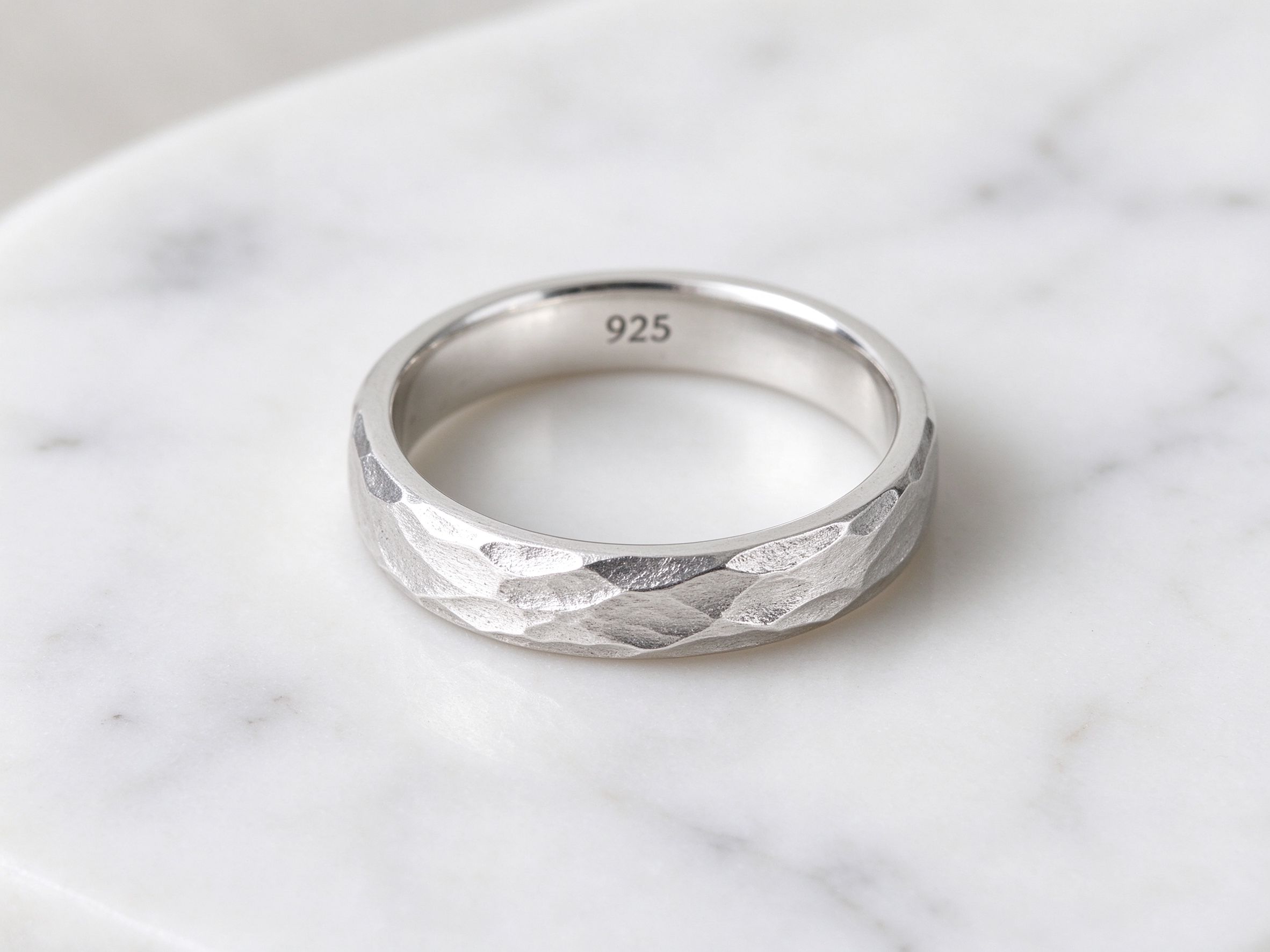
Recycled sterling silver is reclaimed silver - from industrial scrap, old jewellery, manufacturing offcuts - refined back to pure quality and alloyed to the 925 standard. Chemically, recycled silver is identical to newly mined silver; there is no difference in the final metal. The difference is environmental: recycling silver requires far less energy and avoids the disturbance of new mining. Modern refiners process recycled silver to the same purity as mined material, so the 925 setting performs identically. Buyers can specify recycled content without any compromise in the ring's finish or durability.
Casting and stamping are two cost paths. Casting pours molten silver into moulds and suits detailed, three-dimensional designs; stamping presses sheet metal and suits simple, high-volume bands. Each leaves a different weight and price, and a factory chooses the method to match the design rather than forcing every ring into one process.
Silver loss is a real cost line. Filings, sprues, casting gates and polishing dust are recovered and refined, but recovery is never 100 percent. That small loss is baked into the quote, which is why a heavier, more labour-intensive ring carries a material premium beyond the raw silver weight alone.
Rhodium plating thickness on silver is a spec, not a mood. We measure it by X-ray fluorescence and quote the micron build, because a flash plate and a heavy plate look identical on day one but age very differently. Buyers selling daily-wear engagement and wedding rings should specify the heavier build to protect their return rate.
Tarnish resistance starts at the alloy, not just the plate. Well-finished, fully plated, anti-tarnish-packaged silver resists sulphur far longer than a rushed piece. Our finishing line controls the degrease, the plate and the packaging as one system, because a weak link anywhere in that chain shows up as yellowing within months.
Hallmarking and stamping are compliance steps. A legitimate 925 piece carries a stamp of purity and often a maker mark, and for export markets we match the local hallmarking requirements. These marks are inexpensive to apply but they are what let a retailer sell the piece with confidence that it is genuinely sterling.
Electroplating layers are built in sequence. Copper or nickel underlays may improve adhesion, then the silver layer, then the final rhodium top. Each layer adds cost and time, and the number and thickness of layers is why two silver rings at the same weight can quote at noticeably different prices.
Why Factories Already Recycle Most Scrap
Even without a sustainability programme, factories recycle their own production scrap - sprues, filings and offcuts - because recovering valuable silver makes economic sense. The larger shift is sourcing a higher proportion of the incoming silver from recycled rather than mined stock. Responsible factories now buy refined recycled silver for their alloy, both to reduce environmental impact and to meet brand demand. This means the silver in a modern setting is already largely recycled in practice. What is newer is documenting it, so brands can make verified claims rather than vague ones.
Silver spot prices move, and honest quotes reflect it. We lock pricing for a defined validity window and adjust material surcharges transparently when the metal market swings, rather than hiding the change in a fudged stone price. Buyers who understand this rhythm can time larger orders to favourable windows.
Recycled sterling silver is now standard at scale. Responsible factories source refined recycled silver, which lowers environmental impact without changing the 925 specification. For brands marketing sustainability, recycled alloy is a selling point that costs little extra and is documented in the material certificates we supply.
Weight is a feature, not just a cost. A heftier setting feels premium, holds prongs better and resists bending, but it consumes more silver and more polishing time. Buyers choose the weight tier to match their price point: light for fashion turns, solid for engagement and wedding lines that must last years.
We test alloy samples for hardness and finish response before production, because the same 925 stamp can hide slightly different blends. A consistent alloy means consistent plating and setting behaviour. Buyers who work with us over time learn to trust that each batch matches the last, which is the whole point of verified sterling.
Silver pricing is transparent on our quotes, with the metal component broken out so buyers can follow the market. When silver moves, the adjustment is visible rather than buried. This honesty lets professional buyers plan purchases around favourable windows and avoid the surprise cost spikes that come from opaque pricing.
The finish on a silver ring is only as good as the prep beneath it. We degrease and electro-clean every piece before plating, because a clean surface is what lets rhodium bond. This invisible work is why our plated silver stays bright long after a rushed piece has yellowed, and it is a key reason buyers return.
The Cost of Recycled Silver
Recycled silver is not inherently more expensive than mined silver; the refined material trades at essentially the same price. The cost difference comes from certification and documentation - third-party verified recycled content adds a small administrative and auditing cost. But this is modest, and for many brands the sustainability claim justifies it. We supply recycled silver with documentation, so a brand's environmental claims are backed rather than aspirational. Buyers should not expect recycled silver to carry a large price premium; the main added cost is verification, which is small next to the marketing value.
Hallmarking and stamp placement are treated as finishing details, not afterthoughts. A clear, well-placed 925 and maker mark signals quality to the customer. We position stamps discreetly and legibly, so the mark reinforces trust rather than disrupting the design. Buyers notice this attention on the pieces they receive.
Recycled content is documented, not claimed. We can provide material certificates for buyers marketing sustainability, so environmental claims are backed by paperwork. This turns a responsible sourcing choice into a credible selling point that customers can verify rather than just hope for.
925 sterling silver is 92.5 percent silver alloyed usually with copper, a balance chosen because pure fine silver is too soft to hold prongs and survive daily wear. The copper adds hardness and spring, which is exactly what a stone setting needs. Buyers should treat the 925 stamp as a mechanical spec as much as a purity claim.
Casting and stamping are two cost paths. Casting pours molten silver into moulds and suits detailed, three-dimensional designs; stamping presses sheet metal and suits simple, high-volume bands. Each leaves a different weight and price, and a factory chooses the method to match the design rather than forcing every ring into one process.
Silver loss is a real cost line. Filings, sprues, casting gates and polishing dust are recovered and refined, but recovery is never 100 percent. That small loss is baked into the quote, which is why a heavier, more labour-intensive ring carries a material premium beyond the raw silver weight alone.
Rhodium plating thickness on silver is a spec, not a mood. We measure it by X-ray fluorescence and quote the micron build, because a flash plate and a heavy plate look identical on day one but age very differently. Buyers selling daily-wear engagement and wedding rings should specify the heavier build to protect their return rate.
Sustainability as a Credible Selling Point
Customers increasingly care about ethical and environmental sourcing, and recycled silver is a concrete, verifiable claim. Unlike vague green marketing, recycled silver content can be certified, making it a trustworthy part of a brand's story. Combined with moissanite - itself a lab-grown, ethically produced stone - recycled silver completes a sustainable product narrative. A moissanite in a recycled 925 setting tells a coherent story of modern, responsible jewellery. We help brands document and present this, turning a manufacturing input into a genuine marketing advantage that resonates with conscious buyers.
Tarnish resistance starts at the alloy, not just the plate. Well-finished, fully plated, anti-tarnish-packaged silver resists sulphur far longer than a rushed piece. Our finishing line controls the degrease, the plate and the packaging as one system, because a weak link anywhere in that chain shows up as yellowing within months.
Hallmarking and stamping are compliance steps. A legitimate 925 piece carries a stamp of purity and often a maker mark, and for export markets we match the local hallmarking requirements. These marks are inexpensive to apply but they are what let a retailer sell the piece with confidence that it is genuinely sterling.
Electroplating layers are built in sequence. Copper or nickel underlays may improve adhesion, then the silver layer, then the final rhodium top. Each layer adds cost and time, and the number and thickness of layers is why two silver rings at the same weight can quote at noticeably different prices.
Silver spot prices move, and honest quotes reflect it. We lock pricing for a defined validity window and adjust material surcharges transparently when the metal market swings, rather than hiding the change in a fudged stone price. Buyers who understand this rhythm can time larger orders to favourable windows.
Recycled sterling silver is now standard at scale. Responsible factories source refined recycled silver, which lowers environmental impact without changing the 925 specification. For brands marketing sustainability, recycled alloy is a selling point that costs little extra and is documented in the material certificates we supply.
Weight is a feature, not just a cost. A heftier setting feels premium, holds prongs better and resists bending, but it consumes more silver and more polishing time. Buyers choose the weight tier to match their price point: light for fashion turns, solid for engagement and wedding lines that must last years.
Quality and Durability Are Unchanged
A common worry is whether recycled silver is lower quality. It is not. Refined recycled silver meets the same 925 standard, takes the same plating, and holds prongs identically. The mining source of the silver does not affect how the finished ring looks or wears. We verify purity regardless of source, so quality is consistent. Brands can confidently offer recycled silver lines without worrying about durability or appearance. The choice is about sourcing ethics, not metal performance, and the end customer receives the same beautiful, lasting ring.
We test alloy samples for hardness and finish response before production, because the same 925 stamp can hide slightly different blends. A consistent alloy means consistent plating and setting behaviour. Buyers who work with us over time learn to trust that each batch matches the last, which is the whole point of verified sterling.
Silver pricing is transparent on our quotes, with the metal component broken out so buyers can follow the market. When silver moves, the adjustment is visible rather than buried. This honesty lets professional buyers plan purchases around favourable windows and avoid the surprise cost spikes that come from opaque pricing.
The finish on a silver ring is only as good as the prep beneath it. We degrease and electro-clean every piece before plating, because a clean surface is what lets rhodium bond. This invisible work is why our plated silver stays bright long after a rushed piece has yellowed, and it is a key reason buyers return.
Hallmarking and stamp placement are treated as finishing details, not afterthoughts. A clear, well-placed 925 and maker mark signals quality to the customer. We position stamps discreetly and legibly, so the mark reinforces trust rather than disrupting the design. Buyers notice this attention on the pieces they receive.
Recycled content is documented, not claimed. We can provide material certificates for buyers marketing sustainability, so environmental claims are backed by paperwork. This turns a responsible sourcing choice into a credible selling point that customers can verify rather than just hope for.
925 sterling silver is 92.5 percent silver alloyed usually with copper, a balance chosen because pure fine silver is too soft to hold prongs and survive daily wear. The copper adds hardness and spring, which is exactly what a stone setting needs. Buyers should treat the 925 stamp as a mechanical spec as much as a purity claim.
Building a Sustainable Supply Chain Story
For brands serious about sustainability, recycled silver is a starting point, not the end. Pairing recycled silver with lab-grown moissanite, responsible plating and minimal, recyclable packaging builds a coherent low-impact story. We help OEM buyers assemble this narrative, documenting materials so it is credible. Sustainable sourcing is increasingly expected, not optional, and factories that already recycle scrap are well positioned. Brands that can tell a verified sustainability story differentiate themselves in a crowded market. Recycled silver is the tangible, reliable foundation of that story.
Casting and stamping are two cost paths. Casting pours molten silver into moulds and suits detailed, three-dimensional designs; stamping presses sheet metal and suits simple, high-volume bands. Each leaves a different weight and price, and a factory chooses the method to match the design rather than forcing every ring into one process.
Silver loss is a real cost line. Filings, sprues, casting gates and polishing dust are recovered and refined, but recovery is never 100 percent. That small loss is baked into the quote, which is why a heavier, more labour-intensive ring carries a material premium beyond the raw silver weight alone.
Rhodium plating thickness on silver is a spec, not a mood. We measure it by X-ray fluorescence and quote the micron build, because a flash plate and a heavy plate look identical on day one but age very differently. Buyers selling daily-wear engagement and wedding rings should specify the heavier build to protect their return rate.
Tarnish resistance starts at the alloy, not just the plate. Well-finished, fully plated, anti-tarnish-packaged silver resists sulphur far longer than a rushed piece. Our finishing line controls the degrease, the plate and the packaging as one system, because a weak link anywhere in that chain shows up as yellowing within months.
Hallmarking and stamping are compliance steps. A legitimate 925 piece carries a stamp of purity and often a maker mark, and for export markets we match the local hallmarking requirements. These marks are inexpensive to apply but they are what let a retailer sell the piece with confidence that it is genuinely sterling.
Electroplating layers are built in sequence. Copper or nickel underlays may improve adhesion, then the silver layer, then the final rhodium top. Each layer adds cost and time, and the number and thickness of layers is why two silver rings at the same weight can quote at noticeably different prices.
Frequently Asked Questions
Is recycled silver the same quality as mined silver?
Yes. Refined recycled silver is chemically identical and meets the 925 standard, taking plating and holding prongs exactly like mined silver. Source does not affect performance.
Does recycled silver cost more?
The refined material trades at similar prices. The small added cost is third-party verification and documentation, which is modest next to the marketing value.
Can you document recycled content?
Yes. We supply recycled silver with verification, so sustainability claims are backed rather than aspirational.
Why is recycled silver a good selling point?
It is verifiable and pairs naturally with lab-grown moissanite, completing a coherent ethical and environmental story that conscious customers trust.
Do factories already recycle silver?
Yes. Production scrap is recycled for economic reasons; the newer shift is sourcing incoming silver from verified recycled stock and documenting it.
Conclusion
Recycled sterling silver is identical in quality, modestly documented, and a credible sustainability claim. Paired with lab-grown moissanite, it completes an ethical jewellery story. Brands that verify and tell that story differentiate themselves, while customers receive the same beautiful, lasting ring.