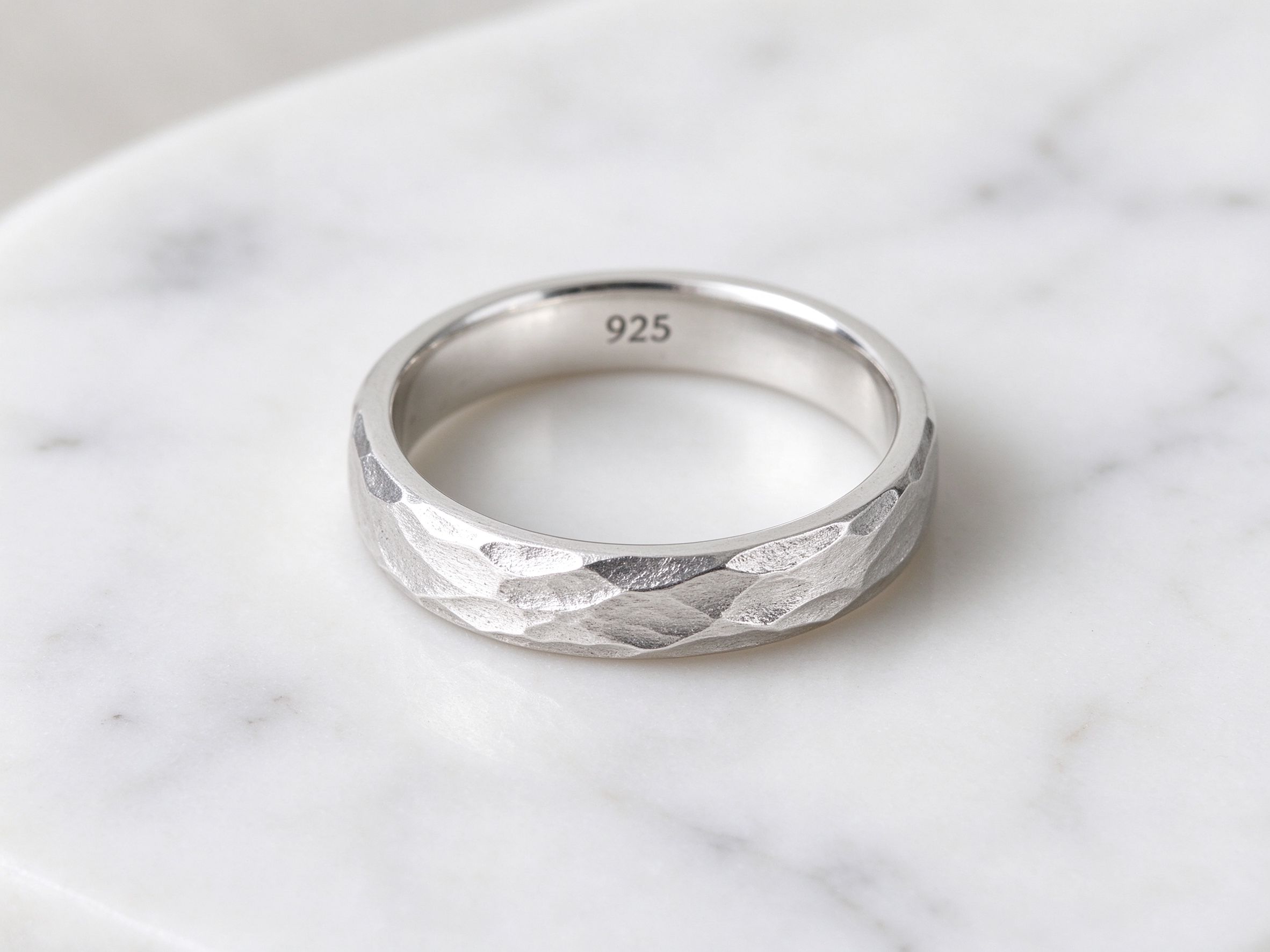
925 sterling silver is the backbone of the fashion jewelry industry. From delicate earrings to statement necklaces, silver offers the perfect balance of beauty, durability, and affordability. But not all silver jewelry is created equal. In this guide, we'll explore what makes 925 sterling silver the industry standard, how to identify quality silver, and what wholesale buyers should look for when sourcing silver jewelry from manufacturers like Holycome.
Understanding 925 Sterling Silver
The "925" in sterling silver refers to its purity: 92.5% pure silver alloyed with 7.5% other metals (typically copper). This specific ratio was established in 13th-century England and remains the global standard for quality silver jewelry.
Why not pure silver? Pure silver (99.9% or "fine silver") is too soft for jewelry. It scratches easily, bends out of shape, and cannot hold gemstones securely. The addition of copper creates an alloy that is: - Hard enough for daily wear - Strong enough for prong settings - Still highly reflective and beautiful - Malleable enough for intricate designs
Other silver grades: - 999 Fine Silver: Too soft for jewelry, used for bullion and investment - 925 Sterling Silver: The jewelry standard - 900 Coin Silver: Used historically for coins, less common in jewelry - 800 Silver: Lower quality, more prone to tarnish, common in some European pieces
Identifying Quality Sterling Silver
Hallmarks: Authentic sterling silver should be stamped with "925," "S925," "STER," or "STERLING." At Holycome, every piece is laser-engraved with the 925 hallmark.
Magnet Test: Silver is not magnetic. If a piece sticks strongly to a magnet, it's likely silver-plated base metal. Note that some clasps may have magnetic steel springs — this is normal.
Acid Test: Professional jewelers use nitric acid to test silver purity. Genuine sterling silver will turn cream-colored; lower grades turn green or black.
Weight: Quality silver jewelry has substantial weight. Thin, lightweight pieces may be hollow or thinly plated.
Price: If a deal seems too good to be true, it probably is. Current silver spot price + manufacturing + margin means genuine 925 silver has a minimum cost.
Tarnish: The Science and Solution
Tarnish is the #1 concern about silver jewelry — and the most misunderstood. Here's the science:
Silver reacts with sulfur compounds in the air (hydrogen sulfide) to form silver sulfide — the dark film we call tarnish. This is NOT corrosion or damage to the silver itself; it's a surface reaction that is completely reversible.
Factors that accelerate tarnish: - High humidity - Air pollution - Contact with sulfur-containing foods (eggs, mayonnaise, mustard) - Wool and felt storage materials - Skin oils and perspiration
Prevention: - Store in airtight containers with anti-tarnish strips - Remove before swimming, showering, and exercising - Wipe with a polishing cloth after each wear - Avoid contact with perfume, hairspray, and cosmetics
Removal: - Silver polishing cloth (gentlest method) - Silver polish liquid or cream (for heavy tarnish) - Baking soda + aluminum foil + hot water (DIY method) - Professional ultrasonic cleaning
Solid Silver vs Silver Plating
| Feature | Solid 925 Silver | Silver Plated |
|---|---|---|
| Silver content | 92.5% throughout | Thin layer over base metal |
| Durability | Lifetime | Wears through in months-years |
| Tarnish | Yes, but polishable | Exposes base metal when worn |
| Hypoallergenic | Yes | Often causes reactions |
| Resale value | Yes | Minimal |
| Wholesale cost | $5-50/piece | $1-10/piece |
For wholesale buyers building a brand, solid sterling silver is the only choice for quality positioning. Plated pieces may have lower upfront cost but lead to returns and reputation damage.
Holycome manufactures exclusively in solid 925 sterling silver, with optional rhodium plating for tarnish resistance and white-gold appearance.
Rhodium Plating on Silver
Rhodium is a precious metal in the platinum family. Plating sterling silver with rhodium provides: - Enhanced tarnish resistance - Brighter, whiter appearance (similar to white gold) - Increased scratch resistance - Hypoallergenic barrier
Rhodium plating typically costs $2-5 per piece at wholesale and lasts 6-12 months with regular wear. It can be re-plated as needed. Holycome offers rhodium plating as an option on all silver jewelry — many of our wholesale partners choose it for engagement rings and bridal pieces.
Wholesale Pricing and Market
Current silver market dynamics (2025):
- Silver spot price: ~$30/oz (fluctuates daily)
- Manufacturing cost: $3-15/piece depending on complexity
- Typical wholesale markup: 2-3x material cost
- Retail markup: 3-5x wholesale
Volume pricing at Holycome:
| Quantity | Discount |
|---|---|
| 1-49 pieces | List price |
| 50-199 pieces | 10% off |
| 200-999 pieces | 20% off |
| 1000+ pieces | 30% off + custom design |
FAQ
Is 925 sterling silver waterproof?
Silver won't be damaged by water, but chlorine and soap can accelerate tarnish. Remove before swimming and showering.
Can I wear sterling silver if I have nickel allergies?
Yes. 925 silver contains copper, not nickel. It's generally safe for sensitive skin. For extra protection, choose rhodium-plated silver.
How long does sterling silver jewelry last?
With proper care, sterling silver jewelry can last generations. Many vintage silver pieces from the 1800s are still worn today.
Does Holycome offer custom silver jewelry design?
Yes. Our OEM/ODM service includes custom design, 3D prototyping, and manufacturing with MOQ starting at 50 pieces for custom designs.
Conclusion
925 sterling silver remains the smartest choice for wholesale jewelry buyers who want quality, durability, and customer satisfaction. Understanding silver purity, identifying quality, and properly caring for silver ensures your inventory maintains its value and appeal. At Holycome Jewelry, every silver piece is manufactured from certified 925 sterling silver, hallmarked, and quality-inspected before shipping. Contact service@holycome.com for our wholesale catalog and custom design services.