Prong vs Bezel vs Pave: How Setting Method Changes Ring Cost
Two rings with the same stone and same silver weight can still quote very differently. The setting method is often the reason. This guide compares prong, bezel and pavé settings, their labour, security and cost, so wholesale buyers understand what drives a ring's price.
Prong Settings: The Balanced Standard
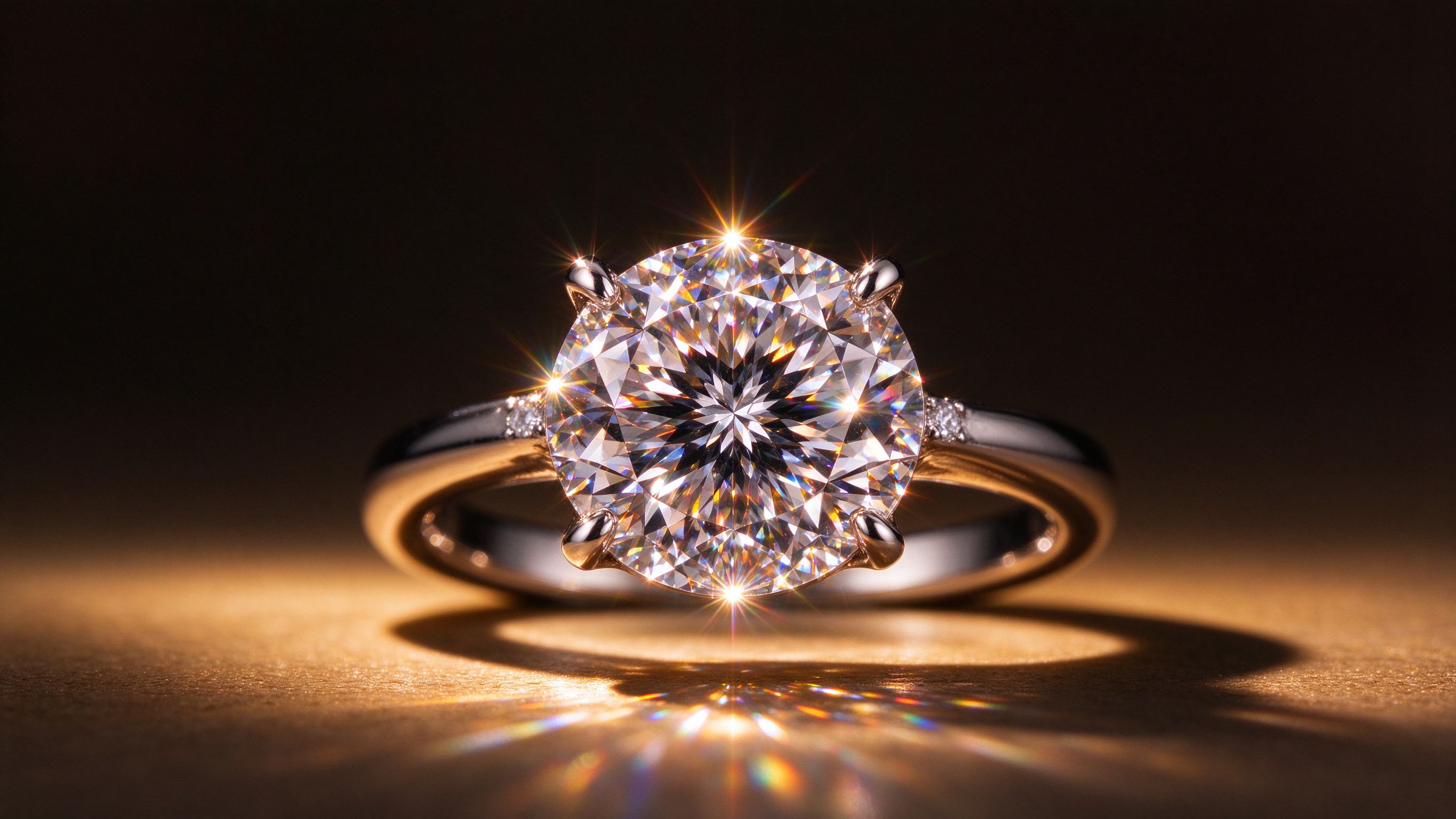
Prong settings use metal claws to hold the stone, lifting it above the band so light enters from all sides. They are the most common solitaire setting because they show the stone beautifully and are relatively quick to produce. A skilled setter closes and burnishes prongs, but the labour is moderate. Prongs are stone-friendly - they let maximum light reach the moissanite - and they are easy to inspect and tighten. Their weakness is that exposed prongs can catch on clothing, which is why we design them low and rounded. For a balance of beauty, security and cost, prong settings are the workhorse of moissanite rings.
The most successful wholesale partnerships grow by sharing data: what sells, what returns, what customers ask for. We use that feedback to refine grades, sizes and designs with the buyer. A factory that listens becomes a product-development partner, not just a supplier, and the range improves together.
Ring tooling is the entry cost of private label. Developing a new die, model or wax pattern for an OEM design is a fixed one-time charge that only makes sense when the order volume spreads it. For repeat ODM catalogues, tooling already exists, which is why off-the-shelf designs price far below fully custom pieces.
Setting method drives labour cost. Prong settings are quick and stone-friendly; bezel settings use more silver and more hours; micro-pav demands the most skilled bench time per stone. When you see a quote jump between two similar-looking rings, the setting method is usually the reason.
Production lead times are planned backwards. A moulded, stock-design ring can move in days; a custom ODM piece with new tooling needs weeks for sampling, approval and bulk casting. We quote the realistic timeline up front so retailers can plan marketing around stock arrival rather than promising dates the floor cannot meet.
Ring weight and material cost move together. Each gram of 925 silver is accounted for, plus the silver lost in casting and polishing. A bulky cathedral setting costs materially more silver than a slim solitaire, and that difference is visible both in the quote and in how the ring feels in the hand.
Finishing touches are a cost centre retailers forget. Hand polishing, rhodium plating, prong tightening, inspection and anti-tarnish packing are real labour and chemistry steps. A factory quote bundles them; a bargain quote that omits them quietly skips them, and the finish you receive will tell the story.
Bezel Settings: Secure but Costlier
A bezel setting wraps a thin rim of metal around the stone's edge, fully enclosing it. Bezels are extremely secure - the stone is protected from knocks - and they have a sleek, modern look. But they use more silver and require more careful labour to fit the rim precisely around the stone. That extra metal and handwork raises the cost. Bezels also slightly reduce the light entering the stone from the sides, which is why they are often chosen for durability and style rather than maximum brilliance. For customers who want a protected, everyday ring, the bezel's security justifies its higher price. It is a deliberate trade-off of cost for safety and aesthetic.
Minimum order quantities exist because of changeover. Switching a line from one ring to another costs setup, plating bath change and tooling alignment, so small runs carry a high per-unit setup charge. Consolidating designs and colours into a planned run is how wholesale buyers bring unit cost down.
Matched wedding sets are manufactured as a pair. We cast and finish engagement and band together so the metal tone, width and finish match exactly, rather than hoping two separate orders happen to align. Selling a set raises ticket value and removes the mismatch complaint entirely.
Private label is a workflow, not a sticker. We adapt our existing models to your sizing, plating, engraving and packaging, apply your logo, and produce under your brand name. The moissanite quality and 925 construction stay ours; the customer-facing identity becomes yours.
Quality control on rings is multi-point. Casting inspection for porosity, setting inspection for seat contact, plating thickness by X-ray, and a final prong-tension and polish review. Each gate catches a different defect, and skipping any one gate is how a ring reaches a customer with a stone already working loose.
Pricing logic is transparent once you see the build. Ring price equals silver weight plus stone cost plus setting labour plus finishing and plating plus a share of tooling and overhead. When a buyer understands those five components, negotiating a fair quote becomes a conversation about quantities and processes rather than a haggling contest.
We treat the first sample as the start of a conversation, not a final verdict. Buyers request tweaks, we adjust the model, and we iterate until the design matches the vision. This collaborative loop is why OEM customers end up with rings that feel like their own, not generic catalogue pieces.
Pave Settings: The Premium Labour Tier
Pavé settings cover the band with many tiny stones held by micro-prongs. This creates a continuous sparkle, but it is the most labour-intensive setting of all. Each tiny stone must be placed and secured individually, and the micro-prongs demand extreme precision. A pavé band takes far more setter time than a solitaire, which is reflected in its price. Pavé also requires more careful maintenance, because tiny prongs can loosen. For a luxury look, pavé delivers unmatched sparkle, but buyers should expect the labour cost and the aftercare requirements. It is the premium setting tier, priced accordingly.
Lead times are quoted honestly, including the slowest realistic stage, because a promise the floor cannot keep is worse than a longer but truthful timeline. Buyers plan launches around dates we actually meet. That reliability is a quiet reason brands reorder with the same factory season after season.
Bulk runs are quality-checked in samples from start, middle and end of production, so a buyer does not discover that the final rings drifted from the first. Consistency across a run is what makes a wholesale line dependable. We sample-measure plating and sizing on every batch before it ships.
Private label buyers receive the same production quality as our own brand would, because the manufacturing line does not change when the logo does. The only difference is the mark inside the shank. That consistency lets a new brand sell with confidence from its very first order.
The most successful wholesale partnerships grow by sharing data: what sells, what returns, what customers ask for. We use that feedback to refine grades, sizes and designs with the buyer. A factory that listens becomes a product-development partner, not just a supplier, and the range improves together.
Ring tooling is the entry cost of private label. Developing a new die, model or wax pattern for an OEM design is a fixed one-time charge that only makes sense when the order volume spreads it. For repeat ODM catalogues, tooling already exists, which is why off-the-shelf designs price far below fully custom pieces.
Setting method drives labour cost. Prong settings are quick and stone-friendly; bezel settings use more silver and more hours; micro-pav demands the most skilled bench time per stone. When you see a quote jump between two similar-looking rings, the setting method is usually the reason.
How Setting Method Drives the Quote
When a buyer compares two rings and sees a price difference, the setting method is often the hidden cause. A prong solitaire is efficient; a bezel uses more silver; a pavé band demands hours of hand setting. These differences compound with silver weight and stone count. We quote transparently, so buyers understand which component is driving the price. Choosing a prong setting for an everyday line and reserving pavé for premium pieces is a smart cost strategy. The setting should match the product's role: efficient where volume matters, ornate where luxury sells. Understanding setting cost prevents buyers from overpaying for labour they do not need, or under-specifying on a premium piece.
Production lead times are planned backwards. A moulded, stock-design ring can move in days; a custom ODM piece with new tooling needs weeks for sampling, approval and bulk casting. We quote the realistic timeline up front so retailers can plan marketing around stock arrival rather than promising dates the floor cannot meet.
Ring weight and material cost move together. Each gram of 925 silver is accounted for, plus the silver lost in casting and polishing. A bulky cathedral setting costs materially more silver than a slim solitaire, and that difference is visible both in the quote and in how the ring feels in the hand.
Finishing touches are a cost centre retailers forget. Hand polishing, rhodium plating, prong tightening, inspection and anti-tarnish packing are real labour and chemistry steps. A factory quote bundles them; a bargain quote that omits them quietly skips them, and the finish you receive will tell the story.
Minimum order quantities exist because of changeover. Switching a line from one ring to another costs setup, plating bath change and tooling alignment, so small runs carry a high per-unit setup charge. Consolidating designs and colours into a planned run is how wholesale buyers bring unit cost down.
Matched wedding sets are manufactured as a pair. We cast and finish engagement and band together so the metal tone, width and finish match exactly, rather than hoping two separate orders happen to align. Selling a set raises ticket value and removes the mismatch complaint entirely.
Private label is a workflow, not a sticker. We adapt our existing models to your sizing, plating, engraving and packaging, apply your logo, and produce under your brand name. The moissanite quality and 925 construction stay ours; the customer-facing identity becomes yours.
Security and Durability Trade-Offs
Each setting method has a security profile. Bezels are the most secure, fully enclosing the stone. Prongs are secure when well burnished but can catch. Pavé is beautiful but its tiny prongs need periodic inspection. Our factory designs for the intended use: a daily-wear engagement ring gets robust prongs or a bezel; a statement piece can feature more delicate pavé. We also design prong shape to minimise catching. Buyers should match the setting's security level to how the customer will wear the ring, because a setting that looks beautiful but loosens in daily use generates returns. The right setting balances aesthetics, security and the customer's lifestyle.
Quality control on rings is multi-point. Casting inspection for porosity, setting inspection for seat contact, plating thickness by X-ray, and a final prong-tension and polish review. Each gate catches a different defect, and skipping any one gate is how a ring reaches a customer with a stone already working loose.
Pricing logic is transparent once you see the build. Ring price equals silver weight plus stone cost plus setting labour plus finishing and plating plus a share of tooling and overhead. When a buyer understands those five components, negotiating a fair quote becomes a conversation about quantities and processes rather than a haggling contest.
We treat the first sample as the start of a conversation, not a final verdict. Buyers request tweaks, we adjust the model, and we iterate until the design matches the vision. This collaborative loop is why OEM customers end up with rings that feel like their own, not generic catalogue pieces.
Lead times are quoted honestly, including the slowest realistic stage, because a promise the floor cannot keep is worse than a longer but truthful timeline. Buyers plan launches around dates we actually meet. That reliability is a quiet reason brands reorder with the same factory season after season.
Bulk runs are quality-checked in samples from start, middle and end of production, so a buyer does not discover that the final rings drifted from the first. Consistency across a run is what makes a wholesale line dependable. We sample-measure plating and sizing on every batch before it ships.
Private label buyers receive the same production quality as our own brand would, because the manufacturing line does not change when the logo does. The only difference is the mark inside the shank. That consistency lets a new brand sell with confidence from its very first order.
Choosing the Right Setting for Your Range
A balanced ring range uses all three methods strategically. Prong solitaires anchor the bridal line at accessible pricing; bezels offer a modern, secure option for everyday wear; pavé bands provide luxury statement pieces. This gives customers choice at different price points without over-specifying every ring. We help buyers select setting methods that match their market and margin goals. A buyer who understands the cost and security profile of each method can design a coherent range: the right labour, the right silver, the right price for each product. The setting is not just aesthetics; it is a cost and security decision.
The most successful wholesale partnerships grow by sharing data: what sells, what returns, what customers ask for. We use that feedback to refine grades, sizes and designs with the buyer. A factory that listens becomes a product-development partner, not just a supplier, and the range improves together.
Ring tooling is the entry cost of private label. Developing a new die, model or wax pattern for an OEM design is a fixed one-time charge that only makes sense when the order volume spreads it. For repeat ODM catalogues, tooling already exists, which is why off-the-shelf designs price far below fully custom pieces.
Setting method drives labour cost. Prong settings are quick and stone-friendly; bezel settings use more silver and more hours; micro-pav demands the most skilled bench time per stone. When you see a quote jump between two similar-looking rings, the setting method is usually the reason.
Production lead times are planned backwards. A moulded, stock-design ring can move in days; a custom ODM piece with new tooling needs weeks for sampling, approval and bulk casting. We quote the realistic timeline up front so retailers can plan marketing around stock arrival rather than promising dates the floor cannot meet.
Ring weight and material cost move together. Each gram of 925 silver is accounted for, plus the silver lost in casting and polishing. A bulky cathedral setting costs materially more silver than a slim solitaire, and that difference is visible both in the quote and in how the ring feels in the hand.
Finishing touches are a cost centre retailers forget. Hand polishing, rhodium plating, prong tightening, inspection and anti-tarnish packing are real labour and chemistry steps. A factory quote bundles them; a bargain quote that omits them quietly skips them, and the finish you receive will tell the story.
Frequently Asked Questions
Which ring setting is cheapest?
Prong settings are the most cost-efficient: they show the stone well and need moderate labour. Bezels use more silver, and pavé demands the most hand setting.
What is the most secure setting?
Bezel settings wrap the stone in a metal rim, offering the best protection. Well-burnished prongs are also secure but can catch on clothing if too exposed.
Why are pavé rings so expensive?
Each tiny stone is set individually with micro-prongs, taking skilled labour. The continuous sparkle is beautiful but labour-intensive, which the price reflects.
Which setting shows moissanite best?
Prongs lift the stone and let in the most light, maximising brilliance. Bezels are sleeker and more secure but slightly reduce side light entry.
How should I choose settings for my range?
Use prong solitaires for value, bezels for modern secure everyday wear, and pavé for luxury statement pieces. Match the method to the product's price point.
Conclusion
The setting method is a cost and security decision, not just style. Prongs balance beauty and price, bezels trade cost for protection, and pavé commands premium labour for continuous sparkle. Designing the right setting per product gives customers choice at every price point - and keeps margin where it belongs.