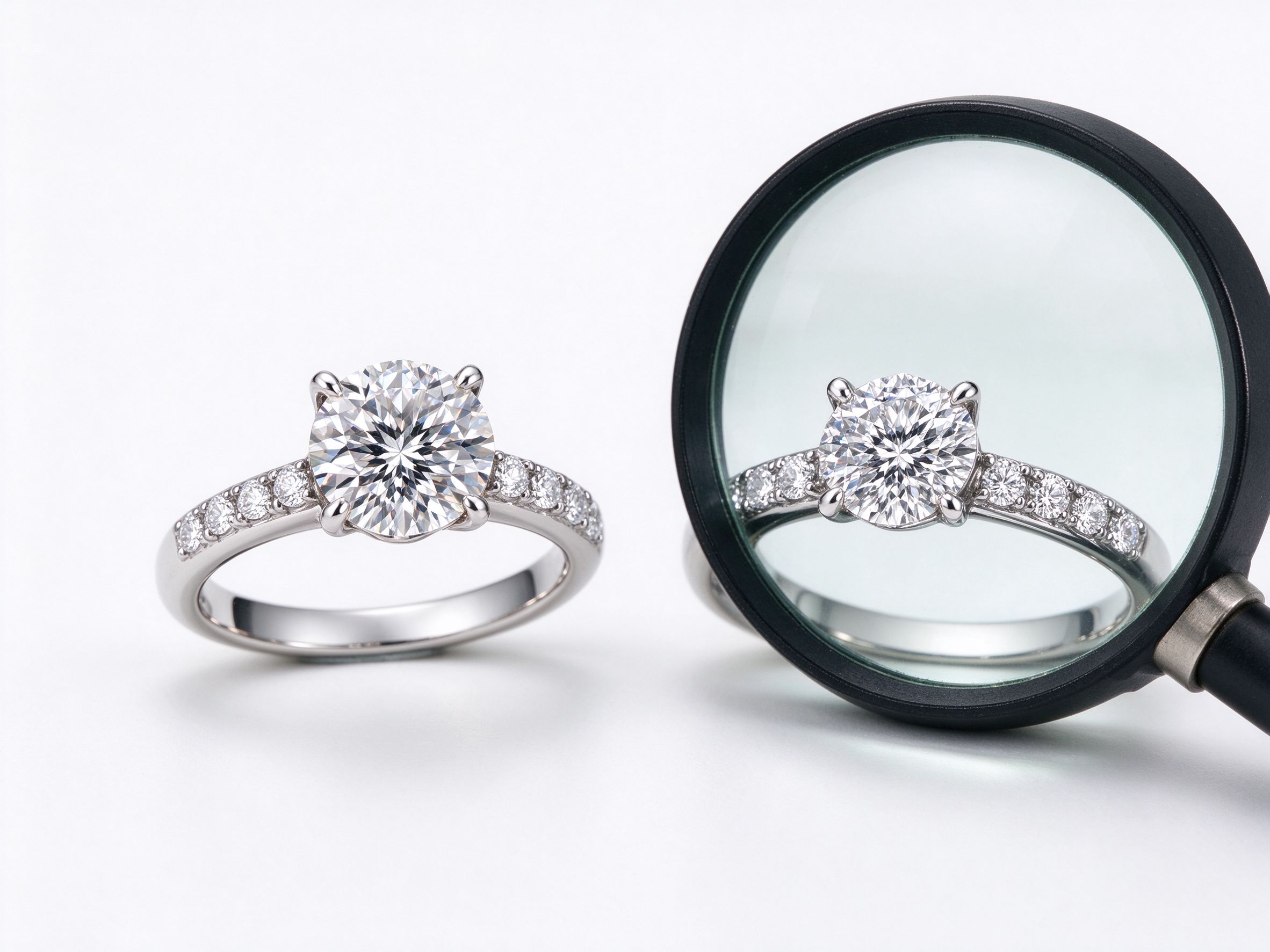
Moissanite Studs vs CZ vs Diamond Value - HOLYCOME
A stud earring is defined by its stone, and the stone can be moissanite, cubic zirconia (CZ), or a natural diamond. Each stone has a different price, a different look, and a different resale value. The customer who buys a pair of studs wants to know which stone is the best value, because the stone is the main part of the earring. This article compares moissanite, CZ, and diamond studs, explains how each holds value, and helps a brand choose which stone to offer. The answer depends on the price point, the customer, and what they want from the earring.
The customer usually starts with CZ studs, because they are the cheapest. CZ studs look good, but they are not durable, and they lose their sparkle after a few months. The customer who wants a better stone moves up to moissanite, which looks like diamond, is durable, and lasts. The customer who wants the best stone buys diamond, which is the most expensive, but it is real and it holds value. The brands that offer all three stones cover every price point, and the customer can choose the stone that fits their budget.
What CZ Studs Are
Cubic zirconia is a lab-made stone that looks like diamond, but it is much cheaper. A CZ stone costs about 1 dollar per carat, while a diamond costs thousands. CZ studs are the cheapest stud earrings, because the stone is cheap. CZ looks good when it is new, but it scratches easily, and it loses its sparkle after a few months of wear. CZ is not durable, because it is soft, and it gets cloudy with wear.
CZ studs are the entry product, for customers who want a cheap pair of earrings. The customer who buys CZ studs does not expect them to last forever; they expect to replace them after a year. CZ studs are fashion earrings, not fine jewelry. The brands that sell CZ studs have customers who want a cheap pair, for everyday wear, and they do not expect the earrings to last. CZ studs are a good product for an accessible price point, because they look good when they are new, and they are cheap.
For a brand, CZ studs are the entry product, because they are cheap and accessible. The customer who starts with CZ studs will eventually move up to moissanite, when they want a more durable stone. The brands that offer CZ studs bring in new customers, who then upgrade to moissanite. The CZ stud is the loss leader, that brings in the customer, and the moissanite stud is the upgrade, that makes the margin. The brands that offer both CZ and moissanite have a range, and the customer can move up.
How the Stone Size Affects the Price
The size of the stone is the biggest factor in the price of a stud. A 4-millimeter stone is small, and it costs less. A 6-millimeter stone is medium, and it costs more. An 8-millimeter stone is large, and it costs the most. The price grows with the size, because a bigger stone is rarer, and it costs more to produce. The brands that offer a range of sizes have customers who can choose the size that fits their budget. The customer who wants a small stud can buy a 4-millimeter, and the customer who wants a big stud can buy an 8-millimeter.
The size also affects the look, because a bigger stone is more visible. A small stud is subtle, and it is good for everyday wear. A big stud is bold, and it is good for making a statement. The brands that offer a range of sizes have customers who can choose the look that fits their style. The customer who wants a subtle stud buys the small size, and the customer who wants a bold stud buys the large size. The range of sizes lets the customer choose the product that fits their style and their budget.
For a brand, the size range is part of the product line. The brands that offer multiple sizes have more products, and they can sell to more customers. The brands that offer only one size have fewer products, and they can only sell to customers who want that size. The size range is a simple way to expand the product line, because the same design can be made in different sizes. The brands that offer a range of sizes have a more complete product line, and they get more sales.
How the Stone Clarity Affects the Price
Clarity is how clean the stone is, and it affects the price. A stone with inclusions, which are small flaws, is cheaper. A stone that is clean, with no inclusions, is more expensive. For moissanite, the stones are lab-grown, so they are very clean, and the clarity is high. For diamond, the stones are natural, and they have inclusions, which makes the price vary based on clarity. The brands that sell clean stones have a higher price, because the stone is more valuable. The brands that sell stones with inclusions have a lower price, because the stone is less valuable.
For most customers, the clarity is not visible to the naked eye, because the inclusions are tiny. The customer who buys a stone with minor inclusions cannot tell, because the inclusions are too small to see. The customer who buys a clean stone pays more, but they cannot tell the difference, because the inclusions are invisible. The brands that sell stones with minor inclusions have a lower price, and the customer gets the same look, because the inclusions are invisible. The brands that sell clean stones have a higher price, and the customer pays more for a difference they cannot see.
For a brand, the clarity is a price factor, but for most customers, it is not visible. The brands that sell stones with minor inclusions have a lower price, and the customer gets the same look. The brands that sell clean stones have a higher price, and the customer pays more for a difference they cannot see. The sweet spot is a stone with minor inclusions, which is cheap, but the inclusions are invisible. The brands that sell this sweet spot stone have a good price, and the customer gets the same look as a clean stone.
What Moissanite Studs Are
Moissanite is a lab-made stone that looks like diamond, but it is much cheaper than diamond. A moissanite stone costs about 10 to 20 dollars per carat, while a diamond costs thousands. Moissanite is durable, because it is hard, and it does not scratch easily. Moissanite keeps its sparkle for years, because it does not cloud or wear. Moissanite looks like diamond, because it has a similar brilliance, and most people cannot tell the difference.
Moissanite studs are the middle product, between CZ and diamond. The customer who wants a durable stone, that looks like diamond, but does not want to pay diamond prices, buys moissanite. Moissanite studs last for years, because the stone is durable, and the customer gets their money's worth. The brands that sell moissanite studs have customers who want a better stone than CZ, but do not want to pay diamond prices. Moissanite is the best value, because it looks like diamond, lasts, and costs a fraction of diamond.
For a brand, moissanite studs are the best product, because they offer the look of diamond at an accessible price. The customer who buys moissanite is happy, because they get a diamond look, without the diamond price. The brand makes a healthy margin, because the moissanite stone is cheap, but the selling price is much higher. The brands that sell moissanite studs have a product that is popular, because customers want the diamond look at an accessible price. Moissanite is the stone that bridges the gap between CZ and diamond, and it is the best value for most customers.
What Diamond Studs Are
A natural diamond is a real stone, mined from the earth, and it is the most expensive. A diamond stone costs thousands of dollars per carat, because it is rare. Diamond studs are the most expensive stud earrings, because the stone is expensive. Diamond is durable, because it is the hardest stone, and it lasts forever. Diamond holds value, because it is a real gemstone, and it can be resold.
Diamond studs are the luxury product, for customers who want a real diamond. The customer who buys diamond studs is paying for the rarity and the prestige, not just the look. Diamond studs are an investment, because they hold value, and they can be passed down. The brands that sell diamond studs have customers who want the best, and they are willing to pay for it. Diamond studs are not for everyday wear; they are for special occasions, and for customers who want luxury.
For a brand, diamond studs are the luxury product, for customers who want the best. The brand that sells diamond studs has a premium image, because they offer real diamonds. The margin on diamond studs is healthy, because the price is high, even though the cost is also high. The brands that offer diamond studs have a product that appeals to luxury customers, and they build a premium image. The brands that do not offer diamond studs miss the luxury market, because some customers only want real diamonds.

How Each Stone Holds Value
CZ does not hold value, because it is cheap and it wears out. A CZ stud that costs 20 dollars is worth 0 dollars after a year, because it is cloudy and scratched. The customer cannot resell CZ studs, because they are not valuable. CZ is a fashion item, not an investment, and the customer expects to replace it. The brands that sell CZ studs have customers who buy them for the look, not for the value.
Moissanite holds some value, because it is durable, but it is not a gemstone. A moissanite stud that costs 50 dollars is worth about 20 dollars if resold, because the silver setting has value, but the moissanite stone is not rare. Moissanite is not an investment, but it lasts, so the customer gets their money's worth from years of wear. The brands that sell moissanite studs have customers who buy them for the durability and the look, not for the resale value.
Diamond holds value, because it is a real gemstone. A diamond stud that costs 500 dollars is worth about 250 dollars if resold, because the diamond has value. Diamond is an investment, because it holds its value over time, and it can be passed down. The brands that sell diamond studs have customers who buy them for the value, not just the look. The customer who buys diamond studs knows they are making an investment, not just a fashion purchase.
For a brand, the value holding is part of the product positioning. CZ is for fashion, moissanite is for durability, and diamond is for investment. The brands that understand this position their products correctly, and the customer buys the product that fits their needs. The brands that try to sell CZ as an investment will disappoint the customer, because CZ does not hold value. The brands that sell diamond as a fashion item will miss the point, because the customer buys diamond for the value.
How to Choose Which Stone to Offer
The choice of stone depends on your brand positioning. If you are a fashion brand, selling at an accessible price point, CZ studs are the right choice. They are cheap, they look good when new, and the customer expects to replace them. If you are a mid-range brand, selling at a moderate price point, moissanite studs are the right choice. They look like diamond, they last, and the customer gets value for money. If you are a luxury brand, selling at a high price point, diamond studs are the right choice. They are real, they hold value, and the customer is paying for prestige.
Most brands start with moissanite studs, because they are the best value. Moissanite looks like diamond, lasts, and costs a fraction of diamond. The customer who buys moissanite is happy, because they get the diamond look without the diamond price. The brand makes a healthy margin, because the moissanite stone is cheap, but the selling price is much higher. The brands that start with moissanite have a product that is popular, and they can add CZ as the entry product, and diamond as the luxury product, as the brand grows.
For a brand, the moissanite stud is the best starting product, because it covers the middle of the market. The brands that offer moissanite studs have customers who want the diamond look at an accessible price, and there are many such customers. The brands that start with CZ have customers who want the cheapest option, but the margin is thin. The brands that start with diamond have customers who want luxury, but the market is small. The moissanite stud is the sweet spot, because it has a big market, and a healthy margin.
How to Market Moissanite Studs to Customers
The customer who buys moissanite studs wants the diamond look, without the diamond price. You can market this directly, by saying that the studs look like diamond, but cost a fraction. The customer who has looked at diamond studs, and seen the price, will appreciate the moissanite option, because they get the same look at a much lower price. The brands that market moissanite as the diamond alternative have customers who buy it, because they want the look without the cost.
You can also market the durability, because moissanite is hard, and it lasts. The customer who has bought CZ studs before, and seen them cloud, will appreciate the moissanite durability, because it lasts for years. The brands that market moissanite as a durable alternative to CZ have customers who upgrade from CZ, because they want a stud that lasts. The moissanite stud is the upgrade from CZ, and the brands that position it that way get the upgrade customers.
For a brand, the marketing of moissanite studs is about the value. The customer gets the diamond look, the durability, and the low price, all in one. The brands that explain this value to the customer have higher conversion, because the customer understands why moissanite is a good choice. The brands that do not explain the value have lower conversion, because the customer does not know why they should choose moissanite over CZ or diamond. The few words of explanation on the product page are worth it, because they help the customer understand the value.
Common Questions About Stud Stones
Which stone is the best value? Moissanite is the best value, because it looks like diamond, lasts for years, and costs a fraction of diamond. It is the middle product, between cheap CZ and expensive diamond.
Does CZ look fake? CZ looks good when it is new, but it scratches and clouds after a few months. It is not as brilliant as diamond, but it is acceptable for a cheap fashion earring.
Can you tell moissanite from diamond? Most people cannot tell, because moissanite has a similar brilliance. A jeweler with a tester can tell, but the average customer cannot.
Are diamond studs worth it? Diamond studs are worth it if you want a real gemstone that holds value. If you just want the look, moissanite is a better value, because it looks the same at a fraction of the price.
How the Setting Affects the Stone's Look
The setting also affects how the stone looks, because a well-made setting holds the stone securely, and it lets the light through. A prong setting, with four prongs, lets the most light through, because the prongs hold the stone from the sides. A bezel setting, which wraps around the stone, blocks some light, because the metal covers the edge of the stone. The brands that use prong settings have stones that look brighter, because more light gets through. The brands that use bezel settings have stones that look slightly darker, because the metal blocks some light.
The setting also affects the security, because a well-made setting holds the stone securely. A poorly made setting, with thin prongs, can lose the stone, because the prongs bend. The brands that use thick prongs have stones that stay in the setting, because the prongs are strong. The brands that use thin prongs have stones that fall out, because the prongs bend. The setting is part of the stone's look and security, and the brand should choose the right setting for the stone.
For a brand, the setting is part of the stone's presentation. The customer buys the stone, but the setting is what holds it, and it affects how the stone looks. The brands that use good settings have stones that look bright and secure, and the customer is happy. The brands that use bad settings have stones that look dark and insecure, and the customer is disappointed. The few extra cents for a good setting are worth it, because the stone looks better, and it stays in the setting.
The Bottom Line
The three stud stones are CZ, moissanite, and diamond, and each is for a different customer. CZ is for fashion, because it is cheap and looks good when new, but it does not last. Moissanite is for value, because it looks like diamond, lasts, and costs a fraction of diamond. Diamond is for luxury, because it is real, holds value, and is for customers who want the best. The brands that offer all three stones cover every price point, and the customer can choose the stone that fits their budget. Most brands start with moissanite studs, because they are the best value, and they have a big market with a healthy margin. The brands that understand the difference between the stones position their products correctly, and the customer buys the product that fits their needs.
If you are planning a stud line and want to see which stone sells best, send us your target market and we will share the data. Reach our team at service@holycome.com, and for more on how we make stud earrings, read our guide to matching pair stone rejection rate and our breakdown of stud earrings as a loss leader.