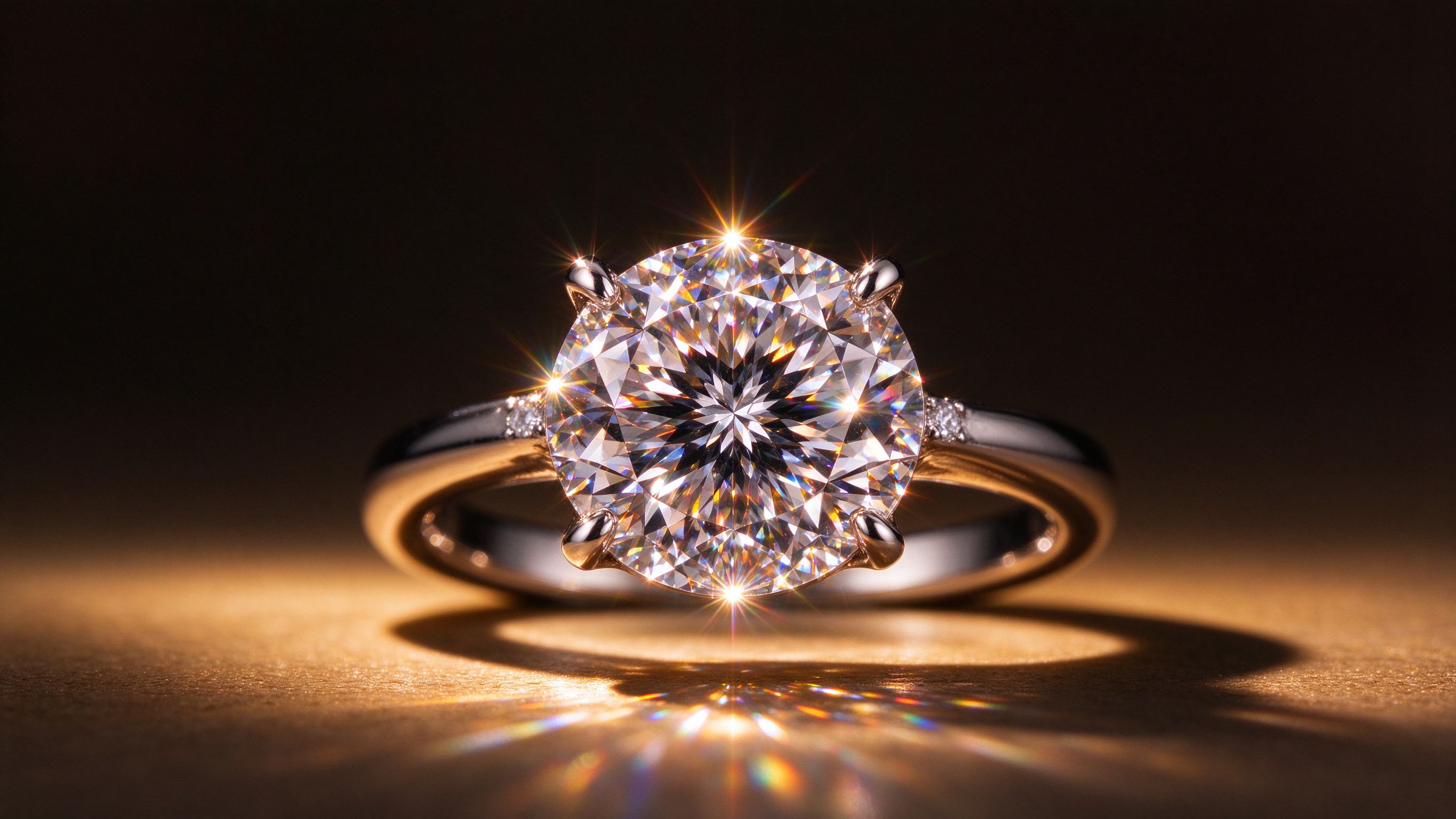
Stud Earrings as a Loss Leader: Why Cheap Studs Bring Customers Back
Most jewelry brands start with stud earrings, because they are the easiest entry product. A small stud earring, with a tiny stone on a silver post, costs a few dollars to produce and retails for 20 to 40 dollars. It is not a high-margin product, but it is the product that brings in new customers, because it is accessible. The customer who buys a pair of stud earrings for 30 dollars is testing the brand, and if they like the studs, they will come back for more expensive pieces. This is why stud earrings are a loss leader: they make little profit on their own, but they bring in customers who buy higher-margin products later.
The stud earring is the customer's first purchase from most jewelry brands. It is small, it is affordable, and it is low-risk. The customer is not committing to a 100-dollar piece; they are trying the brand with a 30-dollar pair of studs. If the studs are well made, the customer trusts the brand, and they come back for a pair of hoop earrings, or a necklace, or a ring. The stud is the door into the brand, and the brands that understand this use studs as a way to build a customer base, not just as a product to sell.
Why Stud Earrings Are the Easiest Entry Product
Stud earrings are the easiest entry product because they are simple to produce, simple to price, and simple for the customer to buy. A stud is a small piece of silver with a stone on top and a post on the back. There is no chain, no clasp, no moving parts. The production is fast, the QC is simple, and the price point is low. The customer does not have to think about size, length, or style; they just choose the stone size and the metal color. This simplicity is why studs are the first product most brands sell.
The price point of studs is also low enough that the customer does not have to think hard about the purchase. A 30-dollar pair of studs is an impulse buy, something the customer adds to their cart without much consideration. A 100-dollar necklace is a considered purchase, where the customer thinks about it for days. The stud is the impulse buy that gets the customer in the door, and the higher-margin pieces are the considered purchases that come later. The brands that use studs as a loss leader understand this funnel: the low-price product brings in the customer, and the high-price product makes the profit.
For a brand, the stud is not a product to make a lot of money on. It is a product to acquire customers. The margin on a stud is thin, because the price is low. But the customer who buys the stud has a lifetime value that is much higher than the stud's margin, because they will come back and buy more pieces. The brands that calculate the lifetime value of a customer, not just the margin on the first purchase, understand why studs are worth selling, even if they make little profit on the stud itself.
How Studs Build Brand Trust
The stud is the customer's first experience with the brand, and that experience determines whether they come back. A well-made stud, with a nice stone, a strong post, and nice packaging, tells the customer that the brand is reliable. A cheap stud, with a flimsy post and a cloudy stone, tells the customer that the brand sells low-quality products. The stud is the brand's first impression, and it is worth investing in, because the customer's opinion of the brand is formed by that first purchase.
The customer who has a good experience with a pair of studs will trust the brand with higher-priced pieces. They will think, if the 30-dollar studs are this well made, the 100-dollar necklace must be even better. This trust is what turns a one-time stud buyer into a repeat customer. The customer who has a bad experience with the studs will not come back, no matter how nice the higher-priced pieces look. The stud is the foundation of the brand relationship, and it is worth getting right.
For a brand, the stud is not a place to skimp on quality. It is a place to invest, because the stud is what the customer uses to judge the brand. A brand that skimps on the stud to save a few dollars per piece will lose customers, because the customer will know the stud is cheap. A brand that invests in the stud, using a good stone, a strong post, and nice packaging, will build trust, and the customer will come back for more. The stud is the first impression, and first impressions are hard to change.
How the Stud Customer Moves Up the Range
The stud customer usually starts with a small pair of studs, then moves up to larger studs, then to hoop earrings, then to necklaces, then to rings. This progression is natural, because the customer trusts the brand more with each purchase. The brands that have a full range of products can guide the customer up the ladder, from the 30-dollar stud to the 200-dollar necklace. The brands that only sell studs cannot guide the customer up, because there is nothing to move up to.
The stud customer is also the most likely to buy gift sets, because they already trust the brand. They will buy a pair of studs for themselves, then buy a pair of studs as a gift for a friend, then buy a necklace as a gift for their mother. The stud customer becomes a repeat buyer of both personal and gift purchases, because they know the brand is reliable. The brands that cultivate the stud customer get a steady stream of gift purchases, because the customer thinks of the brand when they need to buy a small gift.
For a brand, the stud customer is the start of a long relationship. The customer who buys a pair of studs for 30 dollars might spend 300 dollars with the brand over the next two years, buying more studs, hoops, necklaces, and gifts. The brand that only calculates the margin on the first stud purchase will miss the long-term value. The brand that calculates the lifetime value will invest in the stud, because it knows the customer will spend much more over time.

How Studs Work for Gift Purchases
Stud earrings are one of the most common gift purchases in jewelry, because they are small, affordable, and almost everyone wears them. A pair of studs makes a good gift for a friend, a sister, a daughter, or a coworker, because the size is easy to choose, and the recipient does not have to worry about fit. The brands that sell studs well get a lot of gift purchases, especially during the holiday season, when people are looking for small, affordable gifts. The stud is the gift that almost always works, because it is small and safe.
The gift purchase also brings in new customers, because the recipient of the gift will check out the brand. If the studs are nice, the recipient will buy from the brand for themselves, and the brand gets a new customer from the gift. This is how studs spread: one person buys a pair as a gift, the recipient likes them, and they buy more for themselves. The stud is the gift that keeps on giving, because it introduces the brand to new customers through the gift channel.
For a brand, the gift market for studs is a big opportunity. The brands that offer nice packaging for studs, like a small gift box and a card, will get more gift purchases, because the customer wants the gift to look nice. The brands that ship studs in a poly bag will get fewer gift purchases, because the packaging does not feel like a gift. The stud gift packaging is a small investment, but it opens up the gift market, which is a large part of stud sales.
How the Stud Line Evolves With the Brand
A new brand usually starts with a few basic stud designs: a small moissanite stud, a pearl stud, a small hoop stud. As the brand grows, they add more stud designs: colored stones, mixed metal studs, shape studs. The stud line evolves with the brand, because the customer base grows and wants more variety. The brands that keep adding new stud designs keep the stud line fresh, and the repeat customers come back to see the new styles.
The stud line also becomes the brand's steady seller, because studs are always in demand. The brand might launch a new necklace or a new ring, but the studs are the products that sell every month, because they are the entry product and the gift product. The brands that have a strong stud line have a steady revenue stream, because studs sell consistently, even when the trend pieces are slow. The stud line is the foundation of the business, not just an entry product.
For a brand, the stud line is worth investing in over time. The basic designs sell steadily, and the new designs bring in repeat customers. The brands that treat the stud line as an afterthought will have a weak foundation, because the stud is the product that brings in new customers. The brands that treat the stud line as a core category will have a steady stream of new customers, and the lifetime value of those customers funds the rest of the business.
How We Produce Studs Efficiently
Stud earrings are the most efficient product we produce, because the process is repetitive. We cast the small silver setting, set the stone, solder the post, and polish. The whole process takes a few minutes per pair, and we can produce hundreds of pairs per day on a dedicated line. This efficiency is why the per-piece cost of a stud is low, even though the quality is good. The brands that order studs from us get a well-made product at a low cost, because the production is efficient.
The efficiency also means that we can offer a wide range of stud sizes and stone types, because the tooling for each size is cheap. A 4-millimeter stud, a 6-millimeter stud, and an 8-millimeter stud all use the same production line, just different settings. This lets a brand offer a range of stud sizes, from small to large, without a large tooling investment. The customer can choose the size that fits their style, and the brand can offer the whole range.
For a brand, the efficiency of stud production means that the margin on studs can be healthy, even at a low retail price. The production cost is low, and the retail price is 20 to 40 dollars, which gives the brand a good margin. The stud is not a loss leader in the sense that it loses money; it is a loss leader in the sense that it is low margin, and the brand makes more money on the higher-margin products. The brands that use studs as an entry product still make a small profit on each stud, because the production cost is low.
How to Price Studs as an Entry Product
The price of studs should be low enough that the customer does not have to think hard about the purchase, but high enough that the brand makes a small profit. A pair of moissanite stud earrings, 6 millimeters, should retail for 30 to 50 dollars. Below 30 dollars, the customer will assume the studs are cheap, and the brand will not make enough margin. Above 50 dollars, the customer will think more about the purchase, and the impulse buy effect is lost. The sweet spot is 30 to 50 dollars, which is the price range where the customer buys without thinking, and the brand makes a small profit.
The brand should also offer a range of stud sizes, so the customer can upgrade. A 4-millimeter stud at 25 dollars, a 6-millimeter stud at 35 dollars, and an 8-millimeter stud at 50 dollars. The customer starts with the small size, then upgrades to the larger size as they trust the brand. This range gives the customer a reason to come back, because they want the larger studs. The brands that offer a range of stud sizes have higher repeat purchase rates, because the customer upgrades over time.
For a brand, the stud pricing is about the entry point. The customer who buys a pair of 30-dollar studs is entering the brand, and the brand wants them to come back. The price should be low enough to make the entry easy, but high enough to signal that the studs are well made. The brands that get the stud pricing right have a steady stream of new customers, because the stud is an easy first purchase. The brands that price the studs too high lose the impulse buy, and the brands that price them too low lose money and signal cheap quality.
How Studs Work With Social Media Marketing
Stud earrings are one of the most photogenic products for social media, because they are small, shiny, and easy to style. A photo of a model wearing small moissanite studs looks clean and elegant, and it works on Instagram, TikTok, and Pinterest. The customer sees the studs on a model, clicks through, and buys a pair. The stud is the perfect social media product, because it is visually appealing and the price point is low enough that the customer can buy on impulse after seeing the post.
The brands that market studs well on social media have a steady stream of new customers, because the studs are shareable. A customer who buys a pair of studs will post a photo of them wearing the studs, and their friends will see the brand. This word-of-mouth marketing is free, and it brings in new customers who trust the recommendation. The stud is not just a product; it is a marketing tool, because it gets shared on social media.
For a brand, the stud line is the easiest product to market on social media, because it looks good in photos and it is affordable. The brands that post photos of studs on models, in different outfits, in different settings, will get customers clicking through. The stud is the product that introduces the brand to new customers on social media, and those customers will buy other products from the brand once they trust it. The stud is the entry point, both for the product and for the marketing.
Common Questions About Stud Earrings
Are stud earrings a good first product for a new brand? Yes. They are simple to produce, affordable for the customer, and low-risk. Most new brands start with studs, because they are the easiest way to get a product to market.
What stone is best for stud earrings? Moissanite is the best value, because it looks like a diamond, it is durable, and it costs less than a diamond. CZ is cheaper, but it clouds over time. Moissanite studs are the quality entry product.
How should I price my studs? A 6-millimeter moissanite stud should retail for 30 to 50 dollars. This is the sweet spot for impulse buys, and it gives the brand a small margin.
Do studs really bring customers back for more expensive pieces? Yes. The customer who likes your studs will trust your brand, and they will come back for hoops, necklaces, and rings. The stud is the entry point, and the lifetime value of that customer is much higher than the stud's margin.
How to Measure the Lifetime Value of a Stud Customer
When you sell studs as a loss leader, you need to measure the lifetime value of the customer, not just the margin on the stud itself. A customer who buys a 30-dollar stud might spend 300 dollars with you over the next two years, buying more studs, hoops, necklaces, and gifts. The stud's margin is small, but the customer's lifetime value is large. The brands that track this data know that the stud is worth selling, even if it makes little profit on its own.
For a new brand, the lifetime value data comes from tracking repeat purchases. You can see which customers bought studs first, and then what they bought later. If the stud customers come back and buy higher-margin pieces, the stud is working as a loss leader. If the stud customers never come back, the stud is not working, and you need to improve the quality or the follow-up. The data tells you whether the stud strategy is working, and you can adjust based on it.
The Bottom Line
Stud earrings are the entry product for most jewelry brands, because they are affordable, simple, and low-risk. The customer who buys a pair of 30-dollar studs is testing the brand, and if the studs are well made, they will come back for higher-margin pieces. The stud is not a place to skimp on quality, because it is the customer's first impression of the brand. The brands that invest in the stud, price it in the 30 to 50 dollar range, and offer a range of sizes, build a customer base that comes back for more. The stud is the door into the brand, and the brands that use it well have a steady stream of new customers who buy higher-margin products over time.
If you are starting an earring line and want to see which stud sizes sell best, send us your target market and we will share the data. Reach our team at service@holycome.com, and for more on how we produce studs, read our guide to earring post gauge and wire diameter cost and our breakdown of is moissanite worth it, a Wuzhou factory explains.