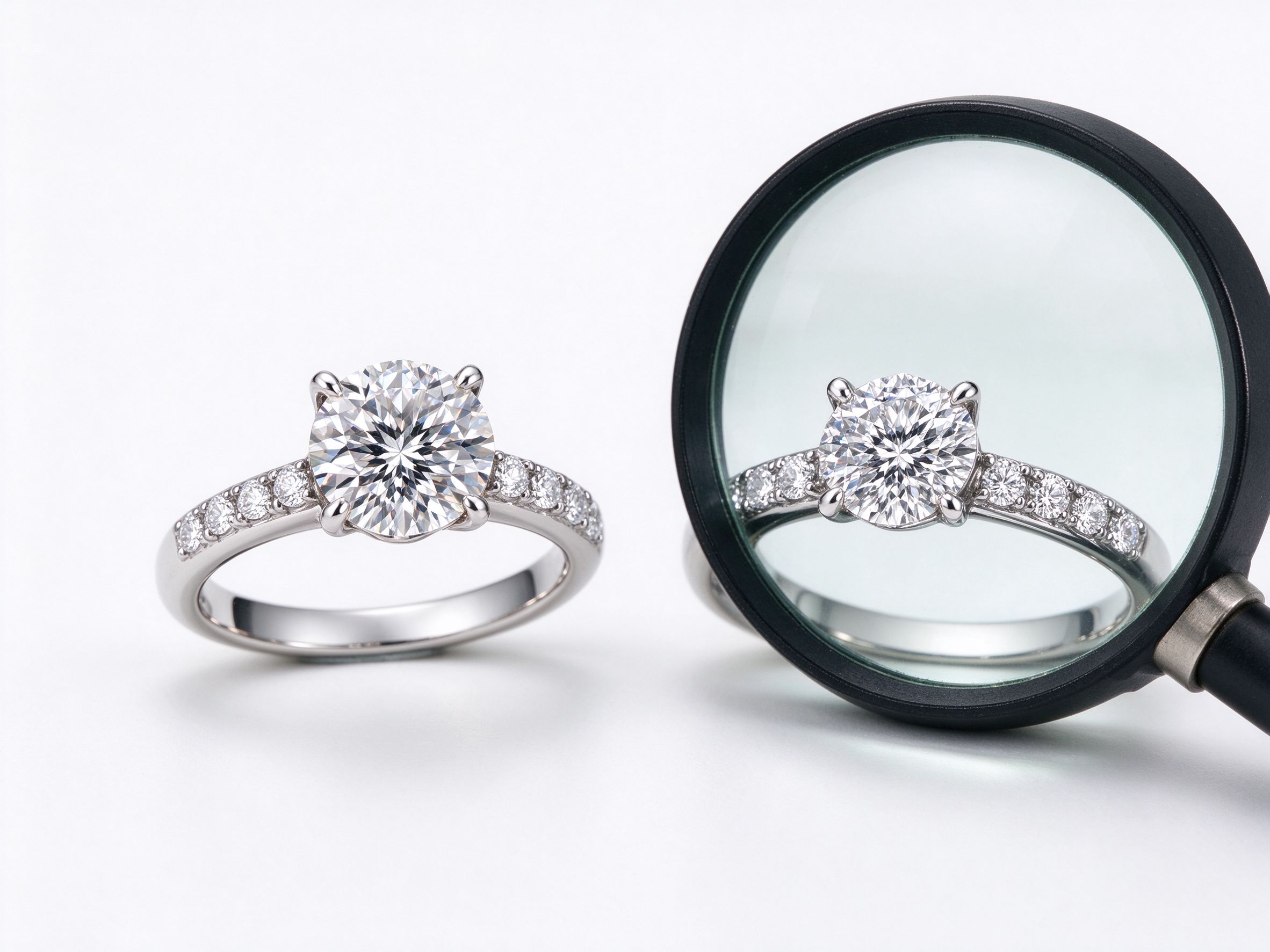
Do Moissanite Pendants Hold Resale Value - HOLYCOME
The question arrives in our inbox at least once a week, usually from a thoughtful buyer who wants to know whether the moissanite pendant they are about to stock will still be worth something next year, or the year after. The honest answer is not a one-word yes or no, because resale value in moissanite jewelry behaves differently from resale value in mined diamonds, and anyone who tells you otherwise is selling something. As a factory that both produces pendants and watches which designs come back for reorder, we can separate what actually holds value from what is marketing hope.
This article gives you the factory version of that answer. We will look at why moissanite pendants are not an investment the way gold bullion is, why a well-made sterling silver moissanite pendant retains far more practical value than a plated fashion piece, what happens at resale in the secondhand market, and how a wholesale buyer should think about value when they are the one holding inventory rather than the one buying a single gift. The short version: moissanite is a value story you sell for the sparkle and the daily wear, not a store-of-value story you sell for appreciation, and there is nothing wrong with that once you price it correctly.
What Resale Value Actually Means for Jewelry
Before we judge moissanite, we need a fair definition. Resale value is what a second buyer will pay for a piece after the first owner is done with it. For most consumer jewelry, that number is a fraction of the retail price, and that fraction depends on three things: whether the material itself has a commodity price, whether the brand is recognized enough to command loyalty, and whether the piece is still structurally and cosmetically whole. Gold and platinum score on the first factor, luxury brands score on the second, and good craftsmanship scores on the third. Moissanite scores strongly on the third and weakly on the first, and that tells you almost everything.
Unlike gold, moissanite is not a traded commodity with a spot price. It is a manufactured gem, and because factories like ours can produce more of it, its price does not rise the way a rare commodity does. That is the good news and the bad news at once. The good news is that moissanite is affordable and consistent, so your customers can buy it without gambling. The bad news is that they should not expect it to appreciate the way a rare colored gem or a designer gold piece might. We make the material comparison explicit in moissanite vs diamond for wholesale buyers.
Why Moissanite Is Not a Diamond Investment
The mined diamond industry built a century of pricing on scarcity, and even that story has weakened in recent years as lab-grown supply grew. Moissanite has no scarcity story to tell, and we would not want one. Our customers buy moissanite because it looks like a top-tier stone at a fraction of the price, because it is durable enough for daily wear, and because it carries an ethical and environmental story. None of those reasons have anything to do with holding a vault investment. If a customer walks in expecting a moissanite pendant to trade like a diamond, they will be disappointed, and the store that sells it that way will earn a return.
The factory view is that you should sell moissanite for what it is: a brilliantly sparkling, hard, affordable centerpiece that a customer can wear every day without anxiety about losing a fortune. That is a stronger selling position than pretending it is an investment. When you position value correctly, your customers are happier, your returns are lower, and the piece still looks like a million dollars ten years from now. We cover the durability side in moissanite durability and daily wear.
The Real Value That Does Hold: Sterling Silver and Craftsmanship
Here is the nuance most resale articles miss. While the moissanite stone itself will not appreciate, the piece it is mounted in can hold meaningful residual value if it is made properly. A solid 925 sterling silver pendant has a metal scrap value that follows the silver spot price, and a well-finished, hallmarked, structurally sound piece will be accepted by secondhand dealers far more readily than a plated brass piece that has turned grey. The silver is the floor under the jewelry, and that floor moves with the commodity market even when the stone does not.
This is exactly why we write so often about sterling silver. A pendant stamped S925, set in a solid mounting, on a real silver chain, is a different category of object from a pendant stamped on plated alloy. The first one can be resold, melted, or reworked. The second one is costume jewelry with a planned obsolescence date. We compare the two worlds in why 925 silver holds resale value better than plated, and the conclusion matters for your inventory planning as much as for your end customer.
What Actually Happens at a Pawn Shop or Resale Buyer
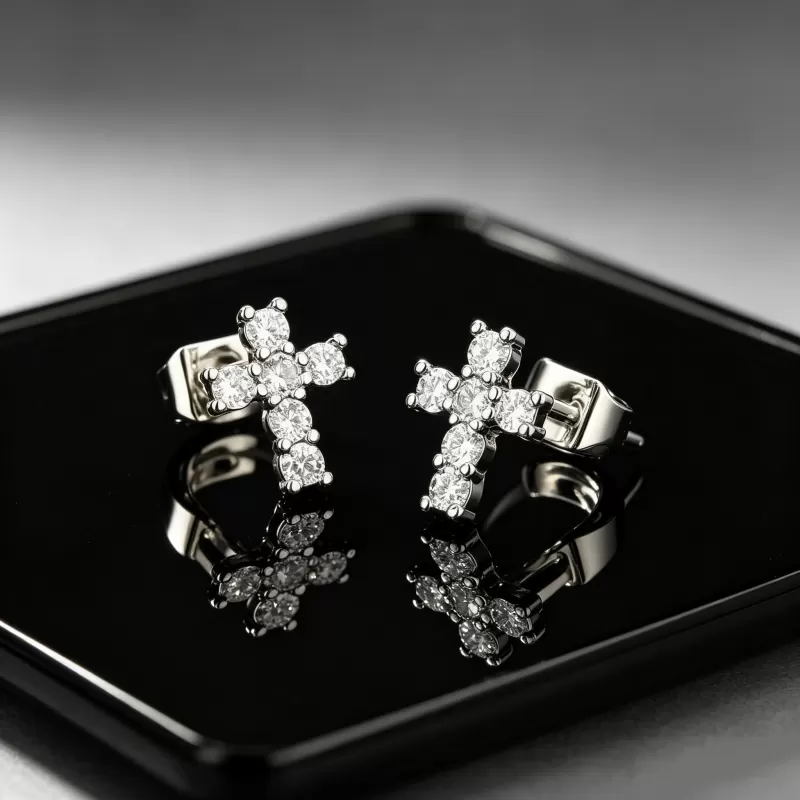
If a customer takes a moissanite pendant to a resale dealer, the dealer is thinking in scrap and reuse, not in retail. They will test the metal, weigh it, and offer a price based on the silver value plus a small margin for the stone if the stone is obviously a good cut and a clean colorless grade. They will not offer you the retail price you paid, because they have to resell it themselves. The gap between what a customer paid at retail and what they get at resale is not unique to moissanite; it is true of almost all jewelry outside a tiny handful of luxury brands. The difference is that a solid silver moissanite pendant still gets a sane offer, while a plated piece gets almost nothing.
For the wholesale buyer, this means the resale story you tell should be modest but honest. You are not selling an investment. You are selling a piece that, if cared for, can be worn for decades and can always be recycled for its silver value. That is a more trustworthy message than a fairy tale about appreciation, and it builds a reputation that brings customers back for their second and third pendants.
How Design Choice Affects Resale Down the Line
Not all moissanite pendants are equal in the secondhand market, and the design choices you make when you buy stock quietly decide how the piece ages. Solitaire pendants with a clean, classic four-prong setting are the most universally resalable because they are timeless and easy to resell to anyone. Trendy, heavily styled pendants with odd shapes or dated finishes sell well in the moment but date faster, and a dated piece resets for less. This is the same logic we describe for rings in why a solitaire holds resale value better than a fashion piece, and it applies to the necklaces category just as strongly.
Metal finish matters too. Rhodium plating is bright and white on day one, but it wears. A pendant that still looks bright years later resells better than one that has worn to grey patches, which is why we push buyers to spec a proper plating thickness rather than a flash. A pendant that has been replated once still looks like new. A pendant that was never plated well looks tired. The resale market rewards maintenance, and maintenance starts with the spec you choose at the factory.
The Wholesale Buyer's Version of Value
Now flip the lens. If you are a brand or a retailer reading this, your concern is not the end customer's resale value; it is whether the pendants you buy from us will sell through and reorder. That is a different and far more useful definition of value for you. A necklace line holds value when it turns over, when it does not get returned, and when your margins are healthy. On that score, moissanite pendants are among the strongest categories we produce.
The reasons are practical. Moissanite pendants have a price point that is accessible enough to impulse-buy but premium enough to carry a real margin. They photograph beautifully, which matters enormously for online stores. They do not break easily, which keeps returns low. And because the stone is consistent, a reorder looks identical to the first batch, so your customers know what they are buying. We talk through the assortment side in moissanite pendants for every neckline.
Moissanite vs CZ vs Diamond on Resale
Customers constantly compare these three, so it is worth laying out the resale math plainly. Cubic zirconia is cheap on day one and worth almost nothing on day two; it is a fashion stone with no residual value. A mined diamond has brand and scarcity weight behind it, but the retail-to-resale gap is so wide that even diamonds rarely come close to holding retail value. Moissanite sits in a sensible middle: the stone itself holds no commodity value, but the solid silver mounting it sits in does, and the piece outlasts CZ by decades. We compare the same trio for earrings in moissanite studs vs CZ vs diamond, and the ranking holds.
| Material | Day-One Cost | Residual Value Source | Realistic Resale Outcome |
|---|---|---|---|
| Sterling silver moissanite | Low to mid | Silver scrap + good cut stone | Modest but real; resellable |
| Plated CZ fashion pendant | Very low | Almost none | Essentially zero secondhand |
| Solid gold diamond pendant | High | Gold scrap + diamond grading | Better floor but wide retail gap |
Read the table as a positioning guide, not a verdict. Moissanite does not need to win on investment. It wins on giving customers the look and the durability at a price they do not fear losing. That is a value proposition plenty of buyers are willing to pay for.

How to Maximize the Value of the Pendants You Buy
Since resale value for moissanite pendants is modest, the smartest move is to maximize the value your customer does feel, while protecting your own margin. Buy solid silver, not plated. Choose classic solitaire and timeless shapes over fads. Spec a proper rhodium plating so the piece stays white. Keep the S925 hallmark and a certificate describing the moissanite grade, because documentation raises both perceived and actual resale value. And price the line as the beautiful everyday jewelry it is, not as a speculative investment. When you do those things, your customers keep the pieces, wear them for years, and come back for more.
From our side, the way we protect your value is consistency. A pendant you reorder in 2026 should match the one you ordered in 2024 in stone color, cut, and finish. That consistency is what lets you build a brand your customers trust, and trust is the only value that compounds in retail jewelry. We cover how we keep that consistency across collections in necklace stone matching across a collection.
It is worth saying plainly that the most underrated value in any jewelry line is repeat business. A customer who buys a pendant in silver moissanite, wears it happily, and returns for a second piece in a different length or shape is worth far more than any single resale margin. When you stop promising appreciation and start promising a piece that looks great and lasts, your customers buy again, and that recurring revenue is the value that actually grows your wholesale account quarter over quarter.
Certification and Grading in Perceived Value
A question we hear often is whether a grading certificate on a moissanite pendant changes what it is worth. The honest answer is nuanced. Unlike a diamond grading report from a major laboratory, which underpins a high-ticket sale, a moissanite certificate is more about verification than about price discovery. It tells a second buyer that the stone is genuine moissanite rather than a look-alike, and that the silver is real 925 rather than plated. That verification has real value in a resale conversation, because it removes the doubt that makes a dealer lowball an anonymous piece. A pendant sold with its certificate and box is easier to resell than the same pendant loose in a drawer.
What the certificate does not do is create appreciation. A colorless VVS grade on a moissanite stone is a quality spec, not a rarity rating, because factories can produce more colorless VVS stones. We explain how moissanite grading actually works in moissanite grading explained, and the practical takeaway for a buyer is to include the certificate as standard kitting rather than as an upsell. It costs little at the factory and it raises both the perceived value at retail and the resale confidence later.
Care Habits That Protect Resale Value
The single biggest lever on resale value is not the price you paid; it is the condition the piece is in when it changes hands. A pendant that has been cleaned weekly, stored separately, and replated once will look far closer to new than a pendant tossed in a jewelry bowl next to a set of keys. Scratched plating, a kinked chain, and a clouded stone all drag a resale offer down, and all three are preventable. We walk owners through the full routine in the jewelry care guide, but the resale-specific habits are simple: clean the stone, keep the chain untangled, and inspect the prongs before a stone goes missing.
For a retailer, this is also an opportunity. Selling a small care card or a polishing cloth with each pendant is a tiny cost that materially improves how the piece ages on the customer, and it quietly protects the resale reputation of your brand. Customers whose pendants still look great after two years are the ones who buy their next one from you. We discuss how care kits build loyalty in retail jewelry care kit suppliers.
Three Resale Myths We Hear From Buyers
The first myth is that a moissanite pendant will be worthless because it is not a diamond. This confuses retail price with residual value. While the stone itself will not fetch a diamond price, a solid silver pendant still has its metal value and can be worn or resold for years. Worthless it is not. The second myth is the opposite, that moissanite is such a bargain that it is somehow a smarter buy than gold. That confuses a good deal with an investment. A bargain on a beautiful piece is still a consumption purchase, and treating it as a vault asset leads to disappointment. The third myth is that a plated fashion pendant is just as good because it looks the same on day one. Day one is the only day it does look the same; within months the plating wears and the residual value is gone.
Walking a buyer through these three myths honestly is one of the most trust-building things a retailer can do. Customers sense when a seller is overpromising, and they respect a supplier who says, plainly, that moissanite is for wearing, not for hoarding. That honesty also protects your margins: you are not competing on a false investment claim, you are competing on design, quality, and service, which is a competition a well-run shop can actually win.
Frequently Asked Questions
Will my moissanite pendant be worth money in ten years? The stone itself will not have appreciated, but a solid 925 silver pendant will retain its silver value and, if kept bright, will still look beautiful and wearable. Think of it as a kept keepsake, not a savings account.
Can I trade my moissanite pendant in for a new one? Many retailers, including factory-direct brands, offer trade-up or upgrade programs where the original purchase value is credited toward a larger piece. Ask your seller whether they offer this; it is often a better deal than a pawn shop.
Does a certificate help the resale value? Yes. A document stating the stone is genuine moissanite, its color grade, and that the setting is S925 silver removes doubt for a second buyer and raises the offer. Keep the card that came with the piece.
Is moissanite a bad investment then? Moissanite was never meant to be an investment. It is an affordable, durable, beautiful gem for daily wear. Expecting investment returns from it would be like expecting them from a nice bicycle: great value for the use, not a store of wealth.
Should I buy a moissanite pendant at all if it will not resell high? Yes, if you want a beautiful, durable pendant you will wear constantly without fearing loss. Most jewelry is bought for wearing, and on that test moissanite is excellent. Only buy it if you were hoping to flip it for profit.
Does solid gold moissanite hold more value than silver? Solid gold adds a metal floor that tracks gold prices, so the piece does hold more commodity value. It also costs far more up front. For an everyday pendant, silver plus moissanite is the better value; for a statement piece, gold changes the value math.
Value You Can Actually Count On
The honest summary is this: moissanite pendants do not appreciate, and they do not need to. What they do is deliver a diamond look at a price a normal customer can afford, mounted in silver that itself holds residual value, built to last decades if it is bought well and kept clean. For a wholesale buyer, the value that matters is turnover, margin, and repeat customers, and on those metrics a well-specified moissanite pendant line is one of the most dependable categories in jewelry.
We manufacture moissanite pendants in Wuzhou, China, and we would rather tell you the truth about value than overpromise a sale. No hidden agendas, no inflated resale claims, just a well-cut stone in a solid silver setting at a fair factory price. If you want to discuss a pendant assortment built for real sell-through rather than investment hype, reach us at service@holycome.com. Browse our guides on wholesale necklaces and pendants and pendant bails and attachments to keep building a line your customers wear every day.