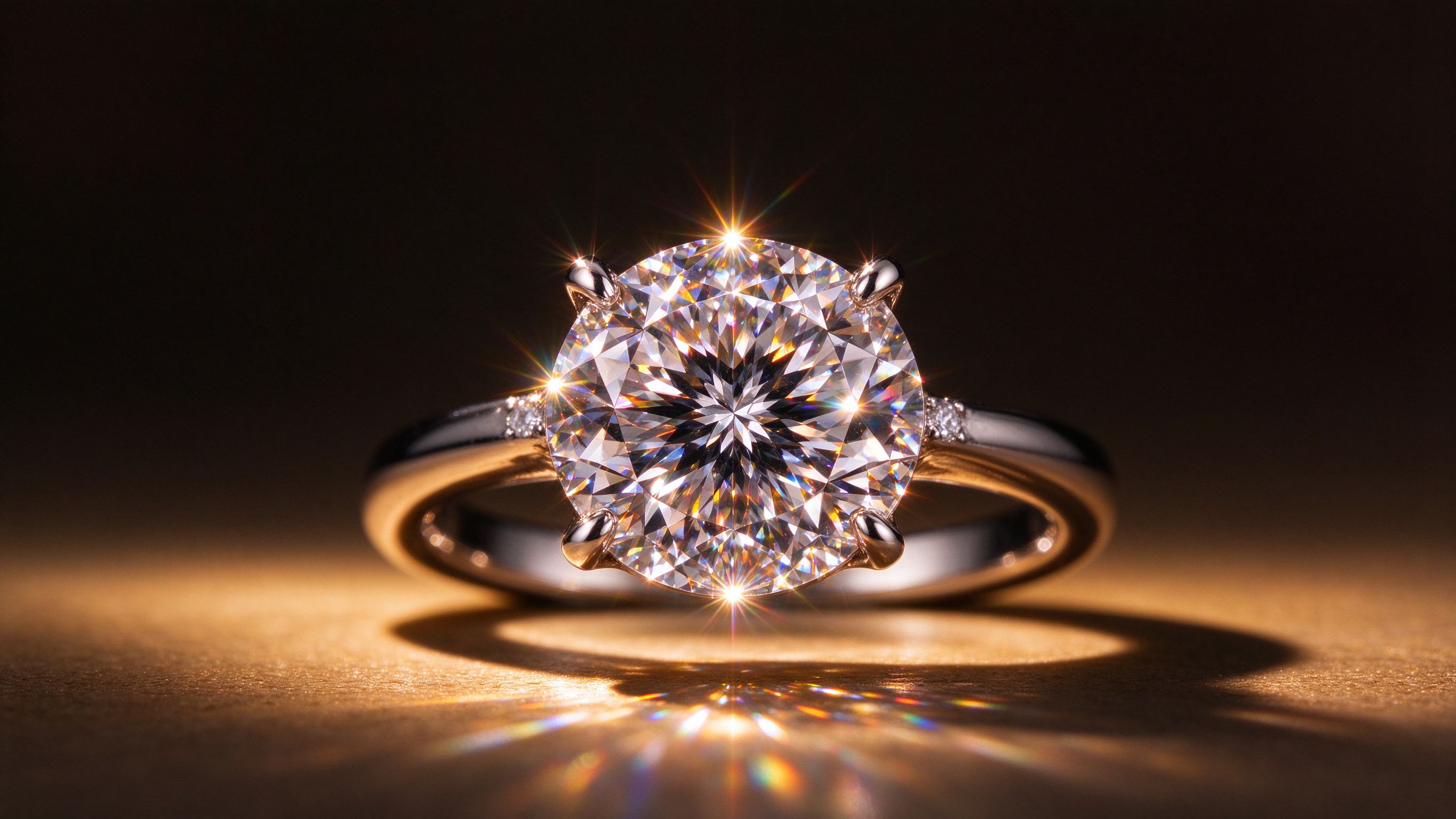
Lab Grown Diamond Upgrade Programs: Trade-In That Builds Loyalty
A couple buys a one-carat lab diamond engagement ring, because it fits their budget. A few years later, they have saved a little more, and they want a two-carat. Where do they go? If their original retailer offers an upgrade program, they come back, trade in the one-carat, and buy the two-carat from the same store. If the retailer offers no upgrade, they may go elsewhere, or just keep the one-carat. The upgrade program is one of the most powerful loyalty tools in lab diamond retail, because it gives the customer a reason to come back, and it turns a one-time engagement sale into a decades-long relationship. We supply lab diamonds to retailers in Hengang, Longgang, Shenzhen, and we help our partners set up upgrade programs that bring customers back. This guide explains how upgrade programs work, how to price them, and why they build loyalty more than any discount.
The idea is simple. When a customer buys a lab diamond ring, the retailer promises a future upgrade: when the customer wants a bigger or better stone, the store will credit the original purchase toward the new one. This gives the buyer confidence, because she knows the ring is not a dead-end purchase. She can start with the stone she can afford today, and upgrade later. This lowers the barrier to the first purchase, because she knows she can move up. We discuss the engagement ring market in our article on engagement rings, and the upgrade promise is what makes the first sale easier.
Commercially, the upgrade program is brilliant because it guarantees the customer comes back. The couple who buys the one-carat today will, in a few years, want to mark an anniversary with a bigger stone. Without an upgrade program, that next purchase is up for grabs. With one, it comes back to you. The upgrade customer is also a warmer sale, because she already trusts you. She is not starting over with a new retailer. She is upgrading with the one she knows. We discuss the repeat purchase in our article on selling loyalty, where the upgrade is the repeat.
How an Upgrade Program Works
A typical upgrade program works like this. The customer buys a ring. The retailer notes the purchase, and tells the customer: when you want to upgrade, we will credit you toward the new diamond. The credit is usually a percentage of the original purchase, or a credit toward the stone only. When the customer returns, she picks a new, bigger lab diamond. The retailer applies the credit, and she pays the difference. The original diamond goes back into inventory, or is reused in a setting. The customer leaves with a bigger ring, and the retailer has made a second sale. We help our partners design these programs. You can read about the structure in our article on program design, where the upgrade credit is the hook.
The credit policy should be clear. The most common approach is to credit the original purchase price toward the new diamond, when the new diamond is at least double the price. This rewards the customer for trading up meaningfully, rather than for a tiny upgrade. Some programs credit the stone only, not the setting. The exact policy is up to the retailer, but it should be written down and given to the customer at the time of purchase. A customer who knows the upgrade terms when she buys is a confident customer. You can read about the policy in our article on pricing the upgrade, where the terms are the promise.
The upgrade program works especially well for lab diamonds, because the customer can get a noticeably bigger stone for the upgrade budget. Lab diamonds cost less per carat than mined, so the original credit goes further. A customer who buys a one-carat today can upgrade to a two-carat in a few years, because lab diamonds are affordable. This makes the upgrade feel attainable, which is the whole point. We discuss the lab diamond affordability in our article on lab diamond cost, where the upgrade is within reach.
Why the Upgrade Program Beats Discounting
A discount pulls a price down today. An upgrade program pulls the customer back tomorrow. Discounting trains customers to wait for the sale. An upgrade program trains customers to come back and trade up. The upgrade is a long-term loyalty tool, while a discount is a short-term price cut. A retailer that offers upgrades builds a base of repeat customers. A retailer that only discounts attracts price shoppers who leave for the next sale. We discuss the loyalty approach in our article on loyalty over discount, where the upgrade program wins the customer for life.
The upgrade customer also buys more than the stone. When she comes back to upgrade, she may also buy a new setting, a wedding band, or earrings. The upgrade visit is a full jewelry visit, not just a stone swap. The retailer who invites the upgrade customer back can sell her the whole updated look. This is why the upgrade program is worth more than the stone margin. It brings the customer into the store for a broader sale. You can read about the broader sale in our article on engagement upgrades, where the visit expands.
The upgrade program also makes the first sale easier. A customer who is hesitant to buy a one-carat today, because she worries she will want bigger later, is reassured by the upgrade promise. She can start where she can afford, knowing she can move up. This removes the hesitation and closes the first sale. The upgrade promise is a selling point, not just a loyalty tool. We mention the upgrade program at the point of sale, because it closes the hesitant buyer. You can read about the point-of-sale reassurance in our article on closing the sale, where the upgrade promise gives confidence.
| Program Feature | Typical Policy |
|---|---|
| What is credited | Original purchase toward the new diamond |
| Upgrade threshold | New diamond at least 2x the original price |
| Credit timing | At trade-in, applied to the new purchase |
| Original stone | Returned to inventory or reused |
| Best for | Engagement rings, anniversary upgrades |
Handling the Returned Stone
When a customer trades in her original lab diamond, that stone comes back. What do you do with it? A lab diamond in good condition can be reused in a new setting, or sold as a pre-owned lab diamond. Because lab diamonds are durable and the grading report travels with the stone, a traded stone can be re-marketed. This means the upgrade program does not waste the original stone. It re-enters the inventory. We help our partners handle traded stones, because the re-use keeps the program economical. You can read about re-marketing in our article on pre-owned lab diamonds, where the traded stone has a second life.
The grading report on the traded stone is still valid, because the stone itself has not changed. The laser inscription on the girdle identifies it. This makes the traded stone easy to re-sell, because the buyer knows exactly what it is. A traded one-carat lab diamond with its report can be set in a new ring and sold. The upgrade program therefore creates a secondary inventory of known, report-backed stones. We discuss this in our article on certification, where the report makes the traded stone reusable.
Be honest with the customer about what happens to the traded stone. She should know the original ring will be re-used or re-marketed, and that the credit reflects that. Honesty about the trade-in builds trust. A customer who understands the program buys with confidence, knowing the terms are fair. We recommend our partners explain the trade-in clearly at the point of sale. You can read about honest trade-ins in our article on honest trade-ins, where clarity keeps the customer.
Building the Upgrade Habit
To make the upgrade program work, remind customers of it over time. Around anniversaries, send a friendly note: "ready to upgrade?" This prompts the customer who has been thinking about a bigger stone. The anniversary is the natural upgrade moment, and a gentle reminder brings her in. We help our partners with this, because a customer who has forgotten about the upgrade program will not come back on her own. You can read about the reminder in our article on anniversary outreach, where the upgrade prompt brings the customer back.
Make the upgrade feel like a celebration, not a trade. Frame it as a milestone: your first ring, now your anniversary upgrade. The customer is not returning a ring. She is marking a life moment with a bigger stone. This framing makes the upgrade a joyful occasion rather than a transaction. We help our partners celebrate the upgrade, because the emotional moment is what the customer remembers. You can read about the celebration in our article on milestone jewelry, where the upgrade is a celebration.
The upgrade program is the loyalty loop that keeps a customer with you for decades. She buys the engagement ring, upgrades for the anniversary, and returns for the wedding band and the next milestone. Each time, she stays with the retailer who promised the upgrade and kept it. That is the relationship a discount cannot build. We help our partners set up this loop, because we know the upgrade customer is the most valuable customer in the lab diamond business. Offer the upgrade promise at the first sale, remind them at anniversaries, and celebrate the trade-in. Do that, and the customer grows with you, one stone at a time.
There is a quiet competitive advantage here that many retailers miss. When a customer is choosing where to buy her engagement ring, the upgrade program is a reason to pick you over the store down the street. Both stores sell similar lab diamonds. But you offer a path to upgrade, and the other store does not. A customer who is starting with a smaller budget will lean toward the store that promises she can move up later. The upgrade program is therefore not just a loyalty tool after the sale. It is a sales tool before the sale, because it reassures the buyer that her choice is not final. We train our partners to mention the upgrade promise early in the conversation, not at the very end, because it lowers the hesitation that holds back the first purchase. You can read about the pre-sale reassurance in our article on closing the engagement sale, where the upgrade promise removes the biggest objection. The customer who worries she will regret a smaller stone buys with you, because she knows the regret can be traded in for a bigger one. That confidence is worth more than a discount, because it wins the sale that would otherwise walk to the store that offers a lower price today.
The upgrade program also generates word-of-mouth, because customers tell each other about the store that let them upgrade. A woman who traded in her one-carat for a two-carat at the same jeweler tells her engaged friend, who then comes to you. This referral engine is powerful, because the upgraded customer is visibly happy, and her story is credible. She did not just buy a ring. She grew with a retailer. That story brings in new engaged couples who want the same path. We see this in our partner stores, where the upgrade program quietly becomes the main source of referral business. You can read about the referral effect in our article on word of mouth, where the happy upgrade customer sends the next couple. The store that only sells rings does not get these referrals. The store that grows with the customer does. Over a few years, this turns a small engagement department into the place couples go, because everyone knows you can start small and upgrade later. That reputation is the most valuable asset a lab diamond retailer can build, and it starts with the simple promise that the first ring is not the last one.
The upgrade program also deserves a clear, written policy that the customer receives at the first sale, because a verbal promise forgotten is a promise broken. When the customer buys the engagement ring, she should leave with a small card or a line on her receipt explaining exactly how the upgrade works: what is credited, what minimum upgrade applies, and how long the offer is open. This does two things. It sets her expectations honestly, so there are no arguments years later. And it reminds her, every time she finds that card, that she can come back. We have seen retailers write these terms vaguely and then regret it when a customer expects full credit and the store expected half. A short, fair, written policy prevents that. It also makes the upgrade feel like a real program rather than a sales line, which is what makes the customer trust it enough to plan around. The upgrade promise is only as strong as the paper it is written on, and a store that takes the time to put it in writing is a store that will actually honor it.
There is a quiet margin benefit to the upgrade loop that many retailers do not price in. When a customer trades in a one-carat for a two-carat, she is not just buying a bigger stone. She is often choosing a new setting, a new band, and a whole updated look, and that broader sale is more profitable than the original engagement purchase. The upgrade visit is a high-momentum moment, because the customer is already in buying mode and already trusts the store. A retailer who treats the upgrade as a simple stone swap is leaving money on the table. The retailer who welcomes the customer back, shows her the new setting options, and celebrates the milestone, turns a trade-in into a full redesign. We support our partners with matched settings and band options for exactly this reason. The upgrade program is therefore not just a loyalty gesture. It is a repeat-selling machine, and the stores that run it well find that the anniversary upgrade becomes one of their most profitable and most joyful sales of the year.
The timing of the upgrade also lines up beautifully with how life actually unfolds. Most couples buy a smaller, more affordable engagement ring when they are young, and several years later, after raises and milestones, they want to mark an anniversary with something bigger. That is exactly the moment the upgrade program exists for. The retailer does not have to convince anyone to upgrade. The customer's own life is doing the convincing. The program simply makes it easy and rewarding to come back to the same store, rather than shopping around. We see anniversaries as the natural upgrade trigger, and we encourage our partners to reach out gently around them. A friendly note saying it might be time to look at a bigger stone, with the original purchase credited, is a welcome message, not a sales pitch. It reminds the customer of the promise you made at the beginning, and it turns an anniversary into a celebration that happens in your store.
There is also a margin nuance to the upgrade that is worth understanding. The upgraded stone is usually a bigger, better, more expensive sale than the original, which means the upgrade visit is often the highest-value transaction in the whole relationship. The original engagement sale may have been modest. The anniversary upgrade can be the biggest purchase the customer ever makes with you. This is why the upgrade program deserves real attention and a generous, fair credit. A retailer who nickel-and-dimes the trade-in loses the customer's trust right at the moment she is ready to spend the most. A retailer who honors the upgrade generously earns a large, joyful sale and a customer for life. We build our pricing to support fair trade credits, because we know the upgraded customer is the most valuable customer in the lab diamond business. The first sale opens the door. The upgrade is where the relationship truly pays off, for both sides.
Promote the upgrade promise from the very first conversation, because it is one of the most reassuring things a nervous engagement buyer can hear. It tells her that this purchase is not a one-way door. She can start where she is comfortable and grow into something bigger. That reassurance closes sales that would otherwise stall. We train our partners to mention the upgrade program early, not at the very end, because it removes the biggest fear young couples have: that they are buying the ring they are stuck with forever. Once they know they can trade up, the hesitation melts away, and the first sale becomes the start of a long relationship rather than a single transaction.
Frequently Asked Questions
What is a lab diamond upgrade program? A promise that when the customer wants a bigger stone later, the original purchase is credited toward the new one.
Why offer an upgrade program? It closes the first sale by removing the fear of outgrowing the ring, and it guarantees the customer comes back for the next purchase.
What happens to the traded stone? It is re-used in a new setting or re-sold as a pre-owned lab diamond, with its grading report.
How is the credit set? Commonly, the original purchase is credited toward a new diamond at least double the price. Write the terms down at the first sale.
When do customers upgrade? Often around anniversaries, when they want to mark the moment with a bigger stone.
A lab diamond upgrade program promises the customer that her first purchase will be credited toward a bigger stone when she is ready. It closes the first sale, brings the customer back for anniversaries, and turns a one-time engagement purchase into a decades-long relationship. The traded stone is re-used, and the customer grows with you.
We are a lab grown diamond supplier in Hengang, Longgang, Shenzhen, supporting our retail partners with upgrade-program stock and grading reports. If you want to set up an upgrade program or see our wholesale pricing, email service@holycome.com and we will send details. You can also read our guide to engagement rings and our notes on private label programs.