Lab Grown Diamond Inventory Turnover: Stocking Without Overstocking
A retailer hears that lab grown diamonds are the future, so they load up on inventory. They buy ten solitaire rings in one carat, five in two carats, and a few in three carats. Six months later, the one-carat rings have sold, the two-carat ones are sitting, and the three-carat ones have not moved. Cash is tied up in stones that are not selling, and the retailer panics. This is the classic lab grown diamond inventory trap. Lab diamonds are not a one-size-fits-all stock. They turn over at very different rates by size, price, and shape, and stocking them like a uniform product leaves you with dead inventory. We supply lab grown diamonds to retailers in Hengang, Longgang, Shenzhen, and we help our partners stock by turnover rather than by guesswork. This guide explains which lab diamonds sell fast, which sit, and how to build an inventory that turns without tying up cash.
The core principle is that not all lab diamonds sell at the same speed. A one-carat round solitaire, at an accessible price, turns over quickly, because it is the entry point for engagement rings. A two-carat stone turns more slowly, because fewer buyers can afford it. A three-carat stone turns slowly of all, because it is a luxury purchase. If you stock equal quantities of each, you overstock the slow sizes and understock the fast ones. The fix is to stock by turnover: deep in the fast sizes, light in the slow sizes. We discuss the lab diamond market in our article on lab diamond pricing, and turnover is the stocking layer on top.
The reason turnover matters so much in lab diamonds is that prices move. Lab diamond prices have fallen over the years, as production scaled. A stone you bought this year may be worth less next year, because the wholesale price has dropped. This means slow inventory is not just dead cash. It is inventory that is losing value while it sits. A stone that turns over fast is sold before the price moves. A stone that sits for a year may have to be discounted to move. This is why turnover is survival in the lab diamond business. We discuss the price decline in our article on lab diamond cost, and stocking fast is the defense.
Which Lab Diamonds Turn Over Fast
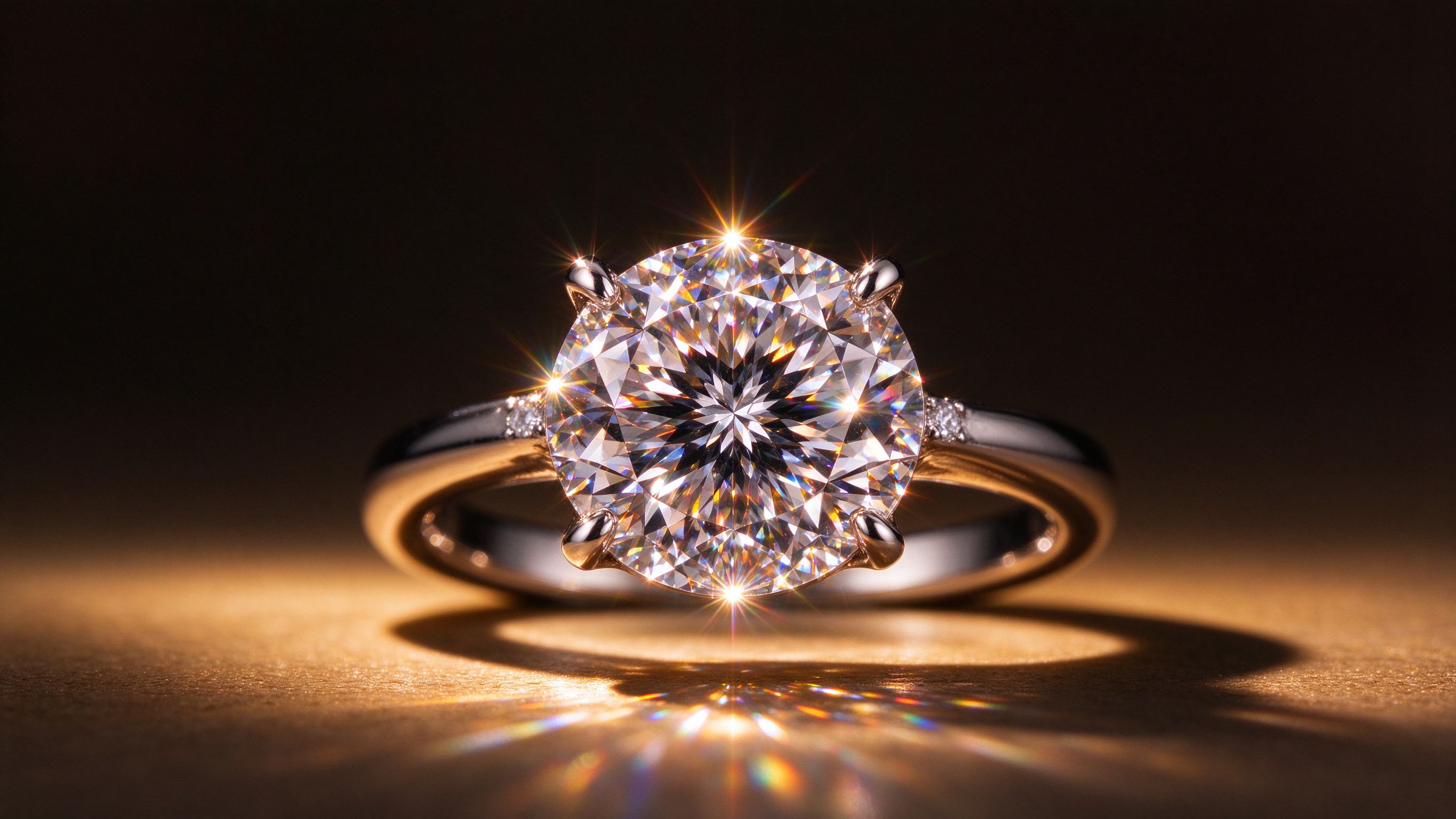
The fast movers are the accessible, classic pieces. A one-carat round brilliant solitaire, in a good color and clarity, at an accessible price, is the fastest turning lab diamond. It is the entry engagement ring, the price point most couples land on. It sells in volume. A one-and-a-half-carat round is also fast, as the upgrade for couples who want a little more. These accessible rounds should be stocked deep, because they reorder often. We keep these sizes in ready stock for our partners, so they can reorder fast. You can read about the fast sizes in our article on lab diamond grades, where the accessible round is the workhorse.
The mid-speed movers are the fancy shapes and the two-carat range. An oval, an emerald, or a cushion in the one-to-two-carat range sells to customers who want a less classic look, but in lower volume than the round. These sell steadily but not in the same volume. Stock a moderate quantity, so the customer who wants an oval can see one, but do not overstock. The slow movers are the large stones, over two carats, and the very high grades that carry a premium. These are luxury purchases, made by a small share of customers. Stock one or two, so the customer who wants a large stone can see it, but do not tie up cash in five. We discuss the shape split in our article on what to stock, where the round is the volume and the fancy shapes are the variety.
The entry-price lab diamond is also a fast mover. A lab diamond at an accessible price, compared to mined, sells well because the value proposition is clear. Customers come to lab diamonds for the price, and the accessible stones sell fastest. The premium lab diamonds, at near-mined prices, sell more slowly, because the value case is weaker. This is why the fastest turning lab diamonds are the accessible ones, priced clearly below mined. We discuss the price positioning in our article on lab pricing, where the accessible price point is the seller.
Why Overstocking the Slow Sizes Hurts
The cost of overstocking is not just the cash tied up. A slow lab diamond sits on the shelf for months, and while it sits, prices fall. When you finally discount it to move it, you sell it for less than you paid. The stone that should have been a profit becomes a small loss. Multiply that across five slow two-carat stones, and the damage is real. The retailer who overstocked the slow sizes has to discount to clear, which teaches customers to wait for the sale. We discuss the price decline in our article on cost trends, and the slow inventory is where that decline bites.
The cash tied up in slow stones is also cash you cannot use for fast stones. A retailer who bought five slow two-carat stones has no cash left to reorder the fast one-carat rounds that are selling out. They run out of the fast seller, lose those sales, while the slow stones gather dust. This is the worst outcome: out of stock on the fast mover, overstocked on the slow one. The turnover approach prevents this, because it keeps the cash in the fast sizes that reorder. You can read about the cash flow in our article on inventory cash, where the fast turnover funds the business.
The display space is also limited. A showcase that is full of slow two-carat stones has no room for the fast one-carat rounds. When a customer comes in wanting an accessible solitaire, the retailer has nothing to show, because the case is full of slow luxury stones. The display should match the demand: the fast sizes front and center, the slow sizes in a smaller section. We help our partners plan their showcase by turnover, so the fast sellers are what the customer sees. You can read about the display in our article on selling lab diamonds, where the fast stock is the front display.
| Stone Type | Turnover | Stock Depth |
|---|---|---|
| 1ct round, accessible | Fast | Deep, reorder often |
| 1.5ct round | Medium-fast | Moderate |
| Fancy shapes 1-2ct | Medium | Small range |
| 2ct+ large stones | Slow | One or two samples |
The Sample-Stone Approach for Slow Sizes
For the slow sizes, you do not need to keep inventory. You need a sample. A customer who wants a two-carat oval wants to see and feel the size, but she will not buy one off the shelf every week. Keep one sample two-carat oval, so the customer can try it on, and order the specific stone to order when she buys. This is the sample-stone approach: show the size, order the stone. You tie up cash in one sample, not in five stones sitting on a shelf. We discuss the sample approach in our article on sample programs, where the display sample does the selling without the inventory cost.
This is a game-changer for the slow sizes. A retailer used to have to stock five two-carat ovals to offer the size, tying up thousands. Now they keep one sample, show the customer, and order the exact stone she wants. The customer gets the two-carat oval in her chosen grade, and the retailer holds almost no inventory. The sample is the showroom. The order is the supply. This is how you offer the full size range without tying up cash. We help our partners set up this sample-and-order system, because it makes the slow sizes profitable. You can read about the system in our article on stocking smart.
The fast sizes, by contrast, should be kept in stock. A customer who comes in for a one-carat round wants to walk out with it, not wait for an order. These fast sellers are kept in the case, ready to go. The sample-and-order approach is for the slow sizes, where the customer expects a wait. The fast sizes are for immediate sale. This split, stock the fast, sample the slow, is the core of lab diamond inventory. We discuss the split in our article on inventory split, where the fast stock and the sample display work together.
Reorder Signals: Know When to Restock
A good inventory system tracks the reorder point. When your stock of a fast one-carat round drops to two pieces, reorder. Do not wait until you are out. The reorder point keeps the fast seller in stock without overstocking. We help our partners set reorder points for each fast size, so they never run out. The slow sizes do not need a reorder point, because they are samples ordered on demand. This simple system, stock the fast to a reorder point, sample the slow, keeps the shelf moving. You can read about the reorder system in our article on inventory control, where the reorder point prevents stockouts.
Track what actually sells, not what you hoped would sell. A retailer who thought ovals would sell and stocked them may find rounds are what move. Review the sales monthly, and shift the stock to what is actually selling. The oval you thought would be a hit may sit, while the round you understocked sells out twice. Let the sales data, not the trend prediction, drive the stock. We help our partners review their sales mix, because the market tells you what to stock. You can read about the data review in our article on market data, where actual sales beat predictions.
Lab diamond prices fall over time, so the cost of the reorder is lower than the last one. This means the fast turnover is even better: you sell the stone at today's price, and reorder the next one at a lower cost. The margin stays healthy, and the falling cost is a benefit to the fast-turning retailer. The slow stocker, by contrast, bought at a higher price and now has to sell at a lower one. This is why turnover is not just about cash. It is about buying at the right time in the price curve. We discuss the price curve in our article on price trends, where fast turnover rides the curve.
Building a Lab Diamond Line That Turns
To build a lab diamond inventory that turns, stock deep in the fast one-to-one-and-a-half-carat rounds, sample the slow large and fancy stones, set reorder points for the fast sizes, and review the sales monthly. Do not overstock the slow sizes just because they look impressive in the case. The impressive display that does not sell is a cash sink. The modest display that turns fast is a growing business. We help our partners design this inventory, and you can read about it in our article on building a line, where the turnover plan is the strategy.
The payoff is a business that feels easy. The fast stones sell, the cash comes back, and you reorder. The slow stones are shown as samples and ordered on demand. No dead inventory, no cash tied up, no panic discounting. The lab diamond business stops feeling like a risky bet and starts feeling like a steady stream. This is what a turnover-based inventory gives you: control over the cash, and confidence that the shelf is working. You can read about the steady business in our article on steady sales, where the inventory plan removes the stress.
Lab diamonds are not a uniform product that you stock by intuition. They turn at very different speeds by size, shape, and price. Stock the fast one-carat rounds deep, sample the slow large stones, reorder before you run out, and let the sales data guide the rest. Do that, and you avoid the trap of overstocked slow stones and out-of-stock fast ones. The cash stays moving, the prices fall in your favor, and the shelf turns. That is the difference between a lab diamond business that ties up money and one that flows.
The engagement ring season also drives turnover, and your stock should follow the calendar. Proposals peak in the weeks before Christmas and around Valentine's, with another bump in spring. In the months before these peaks, build up the fast one-carat rounds, because demand will surge. In the quiet months, let the stock run lean, because fewer people are shopping. A retailer who stocks evenly all year overbuilds for the quiet months and underbuilds for the busy ones. We help our partners time their reorders to the engagement calendar, so the fast sellers are on the shelf just before the rush and the cash is not tied up in the off-season. You can read about the seasonal demand in our article on market peaks, where the proposal season drives the fast turnover. Stocking ahead of the peak means the fast seller is in the case when the couples walk in, rather than out of stock during the busiest weeks of the year.
There is also the question of the matching wedding band. When a couple buys a lab grown solitaire, they often return months later for a matching wedding band. This repeat sale is easier to serve if you keep the wedding band in stock, because it is a simple, repeatable product. The solitaire stone turns over, and the band reorders easily. We build matching bands for our solitaire settings, so a partner can sell the solitaire and then the band without special ordering. The band is a fast, repeat add-on that funds the next solitaire. You can read about the band add-on in our article on matched sets, where the solitaire leads and the band follows. The inventory plan should therefore include the matching bands as a fast reorder item, because the couple will come back for them, and having them in stock turns the second sale as easily as the first. This is how the lab diamond line builds a repeat stream, not just one solitaire at a time.
One way to smooth the cash flow without overstocking is to build a small relationship with a supplier who holds fast stock in the fast sizes and can ship quickly. You do not need to keep ten one-carat rounds on the shelf if your supplier can send two more within a few days. What you need is enough on hand to cover the immediate sale, plus a trusted reorder path that does not leave you empty for weeks. This is the middle path between a giant, risky inventory and a store that has nothing to show. We keep our popular one-carat and one-and-a-half-carat sizes in ready stock specifically so our partners can run lean, reordering just in time rather than betting on a big buy. The retailer who masters this turns her inventory over many times a year, which is far healthier than owning a small mountain of slow stones. The cash moves, the prices fall in her favor on each reorder, and the case always has a fresh, popular piece in it.
The cash-flow benefit of fast turnover deserves to be stated plainly, because it is the whole reason to stock this way. When a one-carat stone sells quickly, the money comes back and you buy the next one. Over a year, that same pile of cash turns several times, funding several sales rather than sitting frozen in a single slow stone. A retailer who turns her inventory four times a year makes four times the gross profit on the same capital, compared with one who turns it once. This is why the slow luxury stones are so dangerous: they do not just sit, they stop the cash from working. The fast-turning retailer can afford to be generous on service and marketing, because her capital is constantly replenishing itself. The slow retailer tightens up, because her money is trapped in stones that will not move. Stocking for turnover is therefore not just about avoiding dead stock. It is about keeping the business liquid and alive.
Keep the fast sizes on a reorder cycle, review the slow sizes as samples, and never let a slow luxury stone sit and lose value. That discipline is what keeps a lab diamond business healthy year after year.
Frequently Asked Questions
Which lab diamonds sell fastest? Accessible one-to-one-and-a-half-carat round solitaires. They are the entry engagement ring and turn over quickly.
Should I stock many large two-carat stones? No. Keep one sample to show, and order to demand. Large stones sell slowly and tie up cash while prices fall.
Why does slow inventory hurt more for lab diamonds? Lab prices fall over time. A stone that sits for a year may have to be sold below what you paid.
What is the sample-stone approach? Keep one sample of a slow size to show customers, then order the exact stone to order. No dead inventory.
How do I avoid stockouts on fast sellers? Set a reorder point. When your fast one-carat rounds drop to two, reorder before you run out.
Lab diamonds turn over at very different speeds. Accessible one-carat rounds sell fast and should be stocked deep. Large and fancy shapes sell slowly and should be shown as samples, ordered on demand. Track reorder points for the fast sizes, review the sales monthly, and do not tie up cash in slow stones that lose value while they sit.
We are a lab grown diamond supplier in Hengang, Longgang, Shenzhen, supplying ready stock in fast sizes and sample-and-order for slow ones. If you want our turnover-based stocking plan or wholesale pricing, email service@holycome.com and we will send our reorder guide and price list. You can also read our guide to lab diamond pricing and our notes on what to stock.