925 Silver vs Stainless vs Gold Filled Chains - HOLYCOME
The chain is the part of a necklace customers never think about until it breaks, and as a jewelry factory we spend a surprising amount of time explaining why one chain feels expensive and another feels disposable. If you stock necklaces for a brand, the base metal of the chain is one of the quietest but most consequential value decisions you will make. It changes how the pendant hangs, how the piece ages, whether the customer can wear it in the shower, and what the necklace is worth when the novelty wears off. Three options dominate the market: 925 sterling silver, stainless steel, and gold-filled. Each has a loyal following, and each is the wrong choice for certain customers.
This guide compares those three chain metals the way we cost them on our production floor: by material cost, by how they finish, by how they tarnish or rust, by how comfortable they feel against skin, and by the resale and return behavior we see after years of shipping. We will tell you where each metal wins, where it loses, and which value story you should actually be selling. If you have been buying whatever chain came cheapest and wondering why your returns cluster around green necks and broken clasps, this is the article for you.
Why the Chain Metal Matters More Than It Looks
A pendant is the visual star, but the chain is the structure that determines whether the necklace survives contact with real life. The chain carries the pendant's weight, flexes with every turn of the neck, washes with every shower, and rubs against clothing eight hours a day. A beautiful moissanite pendant on a chain that kinks in a month is a returned pendant, because customers blame the whole piece. This is why we push buyers to treat the chain as a co-star rather than an accessory. We break down the constructions themselves in chain types explained, but before the link shape comes the material, and the material decides everything downstream.
The value difference between chain metals is not only about price. It is about how the metal behaves over years. Silver can tarnish but can be polished back to new. Stainless steel will never tarnish but cannot be resized or easily repaired. Gold-filled carries real gold on its surface but has a thickness ceiling. Once you understand those behaviors, choosing a chain becomes a deliberate match to your customer rather than a gamble on a few cents saved per piece.
925 Sterling Silver Chains: The Value Workhorse
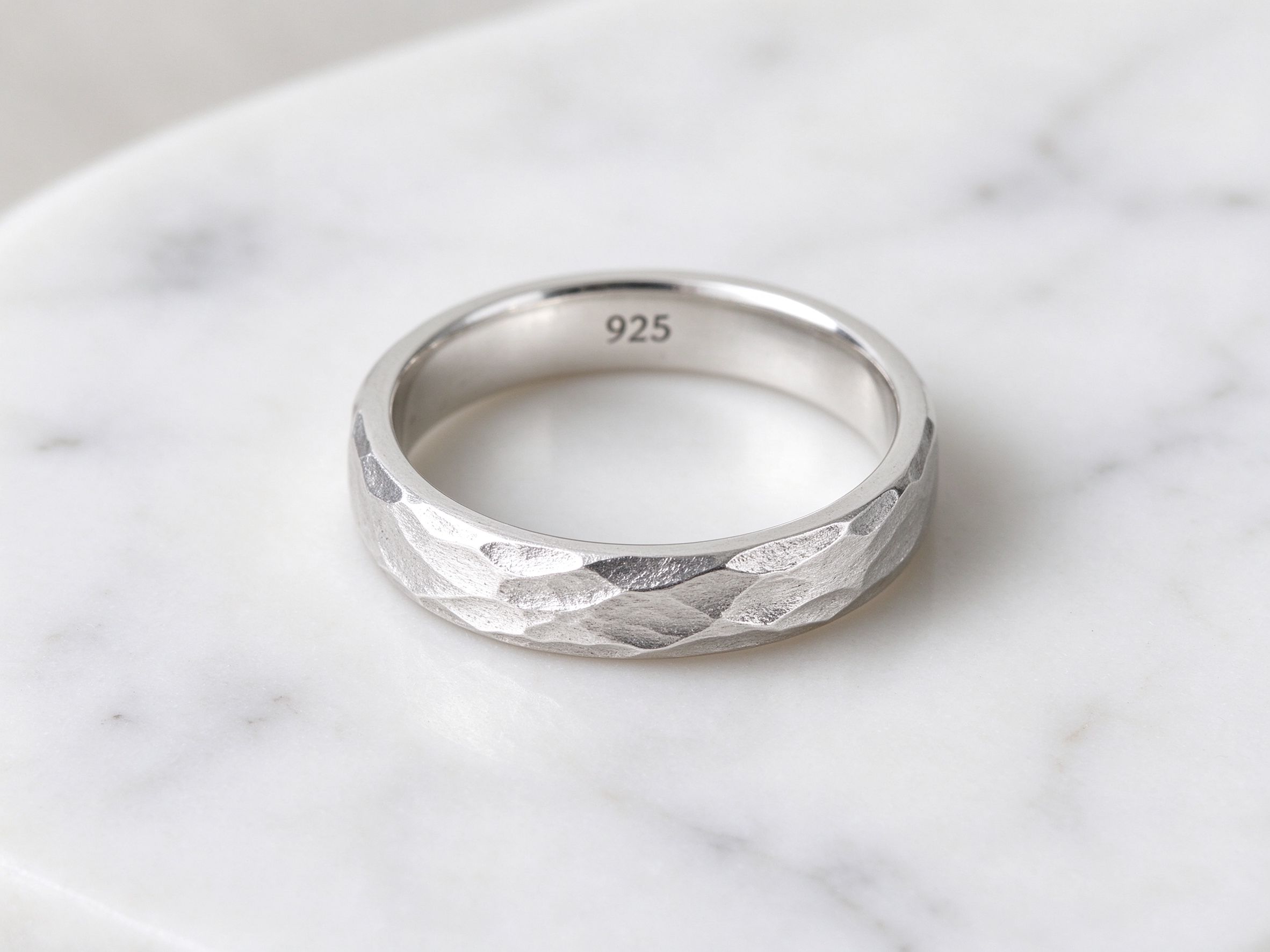
Sterling silver is the chain metal we use for the majority of our moissanite pendants, and for good reason. Silver is precious enough to feel special, soft enough to work into fine detail, and warm against skin. It takes rhodium plating beautifully, which is why our silver chains arrive that bright white color customers associate with fine jewelry. And crucially, silver has a real commodity floor: when the necklace is finally worn out, the metal still has value, which we explain in why 925 silver holds resale value.
The tradeoff is tarnish. Silver reacts with sulfur in the air and in certain cosmetics, and over months it dulls. This is not damage; it is a surface reaction that a polishing cloth removes in seconds. For a wholesale buyer, tarnish is a manageable expectation, not a defect, as long as you tell customers how to care for it. We cover the prevention side in sterling silver tarnish causes and removal. The other tradeoff is price: silver chains cost more than stainless steel chains at the factory, and that difference shows up in your landed cost.
What Makes a Silver Chain Good Value
Not every silver chain is equal. A well-made silver chain uses proper wire gauge, soldered links, a sturdy lobster clasp, and a clean rhodium plate. A cheap silver chain uses thin wire, unsoldered links that open, and a flash plating that vanishes in weeks. The value is in the build quality, not just the silver content. When you buy from us, the chain spec is part of the quote, so you know exactly what gauge and clasp you are getting rather than discovering it after a customer returns a broken necklace.

Stainless Steel Chains: The No-Maintenance Option
Stainless steel chains have exploded in popularity because they solve the two complaints people have about silver: tarnish and fragility. Stainless never tarnishes, never turns skin green, survives sweat, showering, and even chlorinated water without a scratch, and it costs a fraction of silver. For an active customer who wants a necklace they never think about, stainless is the practical winner. It is also the default for men's jewelry, where heavy, dark, never-upkeep chains sell strongly. We see this demand in men's accessories trends, and the same logic applies to chains.
The value tradeoff is that stainless is not a precious metal. It has no resale floor; a stainless chain is worth what someone will pay for the design and the pendant, not for the material. It also feels colder and stiffer against the skin, and because it is hard, it cannot be soldered or resized the way silver can. A broken stainless chain is usually a broken necklace, not a quick repair. For a fashion-forward, low-price, no-care line, that is an acceptable tradeoff. For a fine-jewelry positioning, it reads as cheaper on the touch, even when it looks the same online.
Gold-Filled Chains: The Gold Look Without Gold Pricing
Gold-filled sits between the two. A gold-filled chain has a layer of real gold mechanically bonded over a brass core, and that layer is far thicker than the plating on a gold-plated piece. It will not flake like cheap gold plating, it holds color for years, and it carries the warm tone customers associate with gold jewelry without the four-figure price of solid gold. For brands that want a warm, premium look at an accessible price, gold-filled is a strong value choice, and we compare it directly to solid silver in the silver purity guide.
The limits matter. Gold-filled is not solid gold, so it has a thinner value floor, and over many years the gold layer can eventually wear through at high-friction points like the clasp. It is also not as hardy as stainless in a chlorine pool, and it can tarnish less predictably than silver because the brass core reacts if the surface ever scratches. Position it as a beautiful, durable, affordable gold option, not as solid gold, and your customers will love it. Position it as forever gold and you will get complaints in year three.
| Chain Metal | Relative Cost | Tarnish / Rust | Resale Floor | Best For |
|---|---|---|---|---|
| 925 Sterling Silver | Mid | Tarnishes, polishes back | Real silver value | Fine, giftable, repairable |
| Stainless Steel | Low | None | None | Active, mens, no-care |
| Gold-Filled | Mid | Slow surface wear | Partial gold value | Warm gold look, affordable luxury |
| Gold-Plated Brass | Very low | Plating flakes | Almost none | Short-trend fashion only |
How the Metal Drives the Perceived Value
Here is a subtle point most buyers miss: the chain metal changes how the moissanite pendant above it is perceived. A colorless moissanite on a rhodium-plated silver chain reads as cool, bright, and diamond-like. The same stone on a warm gold-filled chain reads as romantic and bridal. The same stone on a black stainless chain reads as modern and masculine. The stone has not changed, but the metal has reframed the whole piece. This is why building a collection across chain metals is more valuable than building ten pendants on identical chains: you multiply your customer reach without multiplying your tooling cost, because the same pendant mold can hang on three different chains.
That reuse is a factory value insight we want you to have. When you design a pendant, ask us which chain metals we can pair it with, and stock the pendant across two or three of them. The casting and setting tooling is paid once, and the chain is swapped at assembly. You get three distinct retail products from one development cost, which is the kind of margin efficiency we cover in private label brand building applied to necklaces.
Allergies and Skin Compatibility
Skin reactions are a hidden value killer, because a necklace that turns a customer's neck green does not get a gentle review, it gets a return. Sterling silver in its pure 925 form is generally well tolerated, but the copper used in the alloy can react with very sensitive skin over time. Stainless steel, particularly the 316L grade used in jewelry, is the most hypoallergenic option and is the standard for medical implants, which is why it dominates sensitive-ear and sensitive-neck jewelry. Gold-filled is usually well tolerated because the gold layer seals the brass core away from the skin, as long as the layer is intact.
If your customer base skews sensitive, stainless or high-quality silver with a good plating is the safe choice, and we discuss the alloy science in hypoallergenic jewelry guide. The practical rule is simple: never sell a plated brass chain to a customer who might have a reaction, because the nickel and copper in brass are exactly what cause it. The few cents saved on the chain are dwarfed by the cost of a return and a bad review.
Shipping, Weight, and Landed Cost
Metal choice quietly changes your logistics bill too. Stainless steel is denser than silver, so a stainless chain can actually weigh more than a silver chain of the same look, which raises international shipping and dimensional weight. Silver is lighter, and gold-filled sits in between. For a brand shipping direct to consumer, the weight difference on a single necklace is pennies, but across a thousand orders it shows up in your freight invoice. We help buyers model this landed cost in import duty and landed cost, and the chain metal is one of the variables in that math.
The other logistics factor is packaging. Silver chains need anti-tarnish strips or silica packs in humid climates, while stainless and gold-filled do not. Those small kitting items are cheap, but they are part of the spec, and omitting them is how a batch of silver chains arrives tarnished after a long ocean crossing. We build the right anti-tarnish packaging into every silver shipment, and we can advise you on it based on your destination climate.
Chain Gauge and Weight: The Hidden Quality Dial
Once you have chosen a metal, the next value decision is gauge and weight, and this is where suppliers quietly cut corners. Gauge refers to the thickness of the wire drawn into the chain, and a thinner gauge means a cheaper, lighter chain that feels flimsy and breaks sooner. Two silver chains can both be stamped S925 and still feel completely different in the hand: one is a sturdy chain that sits flat, the other is a wisp that tangles the moment you pull it from the box. The customer feels the difference instantly, even if she cannot name it, and that feeling is what decides whether she pays your full price or returns the necklace as cheap.
We specify chain gauge on every quote because it is a value variable, not a constant. For a pendant of one to three grams, a fine chain is fine and appropriate. For a heavier pendant, you need a chain that carries the weight without stretching, and that means a thicker gauge. Buying a chain too thin for the pendant is one of the most common mistakes we see from new buyers, and it shows up three months later as a stretched or snapped necklace. We help you match chain gauge to pendant weight at design stage, which is part of the engineering work described in pendant bail strength engineering.
Clasps and Findings: The Part That Fails First
If a necklace is going to fail in real life, it almost never fails at the pendant or the stone. It fails at the clasp. The lobster clasp is the most stressed component on the whole chain, opened and closed every single day, and a cheap clasp springs open or breaks its spring within months. We see this so often that we now treat clasp quality as a non-negotiable spec. A good clasp snaps shut with a firm click and holds. A bad clasp feels mushy and can release if it snags on clothing, which is how necklaces get lost unnoticed throughout the day.
The jump ring that connects the clasp to the chain and the bail that connects the pendant are the other two failure points. Jump rings should be soldered closed, not left open, because an open jump ring is a slow-motion necklace loss. When you compare quotes, ask your supplier not only about the chain metal but about the clasp grade and whether the jump rings are soldered. Those details cost almost nothing at factory scale, and they are the difference between a necklace that lasts and one that comes back in the return pile. We cover the same logic for bracelets in bracelet clasp security.
Repair and End-of-Life Value
A value story most buyers never plan for is what happens when the necklace reaches the end of its first life. Sterling silver chains are repairable: a broken link can be soldered, a worn clasp replaced, a stretched chain shortened, and the whole piece repolished and replated. That repairability extends the necklace's life by years and means a customer can hand the piece down rather than throw it away. Stainless steel, by contrast, is almost impossible to repair at the small scale of a fine chain; a broken stainless necklace is usually recycled, not fixed. Gold-filled sits in between, repairable in theory but limited by the thin gold layer.
For a wholesale brand, repairability is a quiet competitive advantage. When you can offer a repair service on your silver necklaces, you turn a one-time sale into a long-term customer relationship, and you justify a higher price point. This is the same reason we push solid construction over flimsy costume build: a necklace you can repair is a necklace your customers keep trusting. We discuss the repair economics in factory resizing and repair services, and the principle carries straight across to chains.
How We Spec Chains on the Factory Floor
When a buyer sends us a pendant design, we do not attach a random chain. We run through a short checklist: how heavy is the pendant, what neck length does the customer wear, what is the target retail price, and which skin types will wear it. From those answers we recommend a chain metal, a gauge, a clasp type, and a finish. We source chains in bulk from specialized chain makers, because drawing fine wire is a craft in itself, and we inspect every batch for soldered links and clasp tension before the pendants are attached. That inspection step is cheap insurance, and it is why our return rate on chains stays low.
We also keep a library of proven chain pairings, so if you want a pendant that sells well, we can tell you which chain has sold best with it in other markets. That accumulated data is the real value of working with an experienced factory: you are not guessing at a chain, you are choosing one with a track record. We cover how we manage this across a catalog in consistency across a collection.
Frequently Asked Questions
Which chain metal gives the best long-term value? For fine, giftable jewelry, 925 sterling silver with good rhodium plating. It has a real resale floor, polishes back to new, and feels like fine jewelry. For active no-care wear, stainless steel wins on durability despite having no resale value.
Can I shower with each chain metal? Stainless steel yes, without worry. Silver yes, but soap film and hot water dull the plating faster, so we recommend taking it off. Gold-filled cautiously; repeated soap and hard water shorten its surface life.
Is gold-filled the same as gold-plated? No. Gold-filled has a much thicker, mechanically bonded gold layer that lasts years. Gold-plated brass is a thin flash that wears off in weeks and is the source of most green-skin complaints.
Can I mix chain metals in one order? Absolutely, and we recommend it. The same pendant can ship on silver, stainless, or gold-filled chains to cover different customers, and you only pay the pendant tooling once.
Which chain is best for a gift? For a gift that should feel special, 925 silver. It arrives beautifully white, carries a real value, and can be polished and replated over the years. Stainless is the safer gift for someone active or hard on jewelry.
Do soldered jump rings matter that much? They matter more than almost any other small detail. An unsoldered jump ring can open over months of flexing, and that is how a pendant falls off and is lost. Always ask for soldered connections.
Choose the Chain the Customer Will Actually Keep
The right chain metal is the one that matches how your customer lives, not the one that saves you the most cents per unit. Silver for the customer who wants a keepsake she can polish and love for a decade. Stainless for the customer who swims, works out, and never wants to think about her jewelry. Gold-filled for the customer who wants warm gold at an honest price. When you match the metal to the wearer, your pendants stay sold, your returns stay low, and your brand earns the trust that brings the next order.
We cut and set moissanite pendants in Wuzhou, China, and we stock all three chain metals so you can build one pendant across several finishes. Tell us your customer and your price point, and we will spec the chain that fits both, gauge and clasp included, so the first order feels as good as the tenth. Reach our team at service@holycome.com, and explore our guides on wholesale necklaces and chain sourcing cost for OEM to plan your next collection.