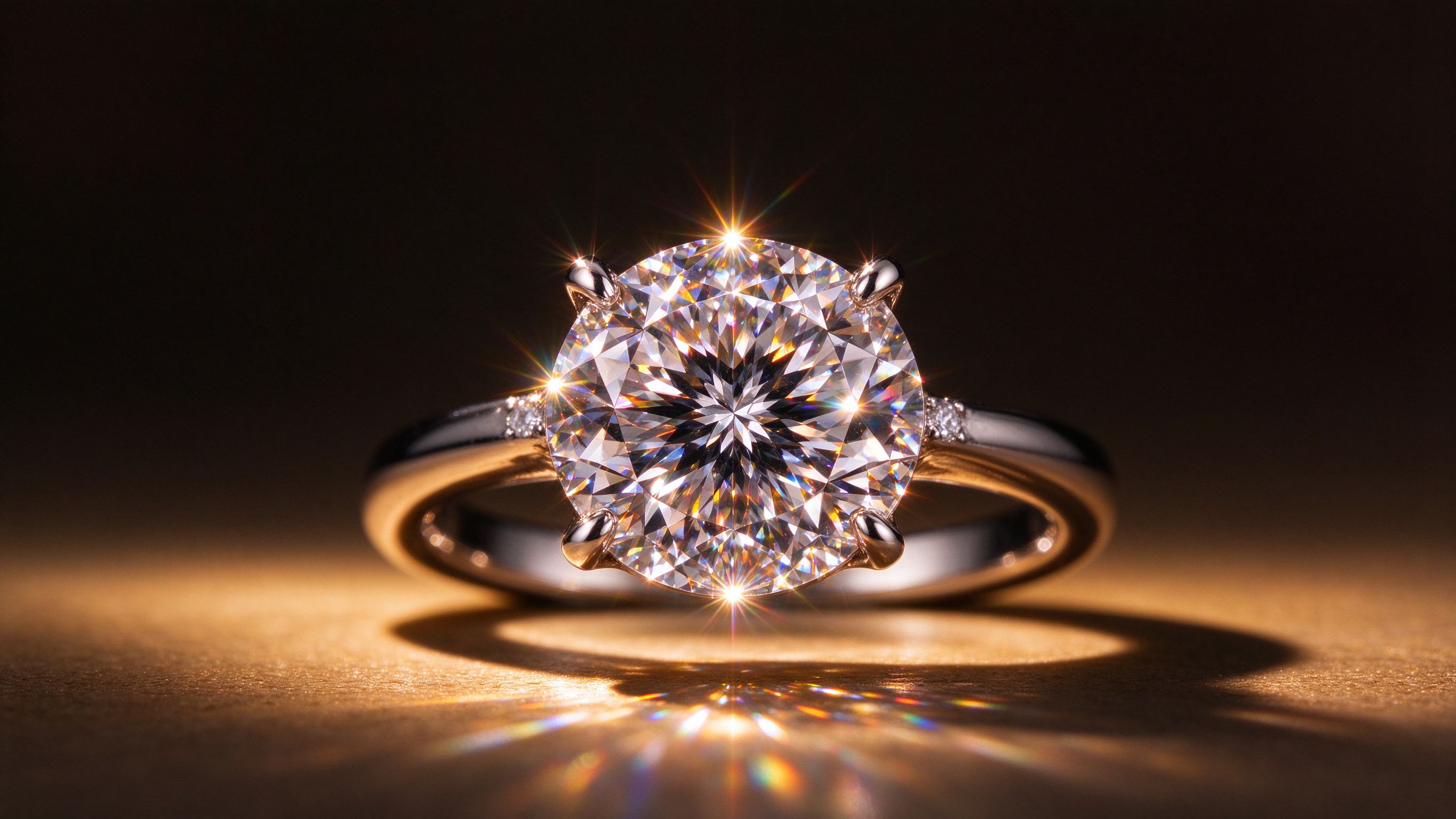
Private Label Ring Programs: How Brands Build Their Own Line Over Time
Most jewelry brands do not start by designing their own rings from scratch. They start by picking existing designs from a factory's catalog, putting their own label on them, and selling them under their own brand. This is the private label model, and it is how most successful jewelry brands begin. The brand does not have to invest in tooling, design, or production; they just pick the designs that fit their market, put their brand on them, and sell. Over time, as the brand grows, they add custom designs that are unique to them, and the line evolves from private label to custom. This article explains how the private label model works from the factory side, how brands use it to build a line, and when to move from private label to custom.
The private label model is attractive because it lets a brand start with low investment. The brand does not have to pay for tooling, because the designs already exist in the factory's catalog. The brand does not have to pay for design, because the designs are already proven to sell. The brand just chooses the designs that fit their aesthetic, puts their brand stamp on them, and starts selling. This is how many brands go from an idea to a product line in a few weeks, rather than a few months. The private label model is the fastest way to get a ring line to market, and it is the starting point for most brands.
How Private Label Works in Our Factory
Our private label program works like this: we have a catalog of existing ring designs, in various styles and price points. A brand looks through the catalog, picks the designs they want to sell, and tells us the quantity. We produce the rings, stamp them with the brand's maker's mark, and ship them to the brand. The brand sells them under their own name, and the customer never knows the rings came from our factory. This is the private label model in its simplest form.
The cost of private label is lower than custom, because the tooling already exists. The brand does not have to pay to create the mold, because the mold is already there. The brand also gets the benefit of our experience, because the designs in the catalog are the ones that have sold for other brands. We know which designs work, because we have produced them for other customers, and the brand gets to leverage that knowledge without paying for it. The private label model is low-risk, because the designs are proven, and the brand can test the market without a large investment.
For a new brand, the private label model is the best way to start. You can pick ten designs from the catalog, order 50 pieces of each, and have a full line in a few weeks. You do not have to design anything, you do not have to invest in tooling, and you do not have to guess which designs will sell. The designs are already proven, and you just have to pick the ones that fit your aesthetic. This is how most of our brand partners started, and it is how they got their first products to market quickly.
When to Move From Private Label to Custom
As a brand grows, they will eventually want designs that are unique to them, because the private label designs are available to other brands too. A brand that has been selling a private label solitaire for a year will notice that other brands are selling the same solitaire, and they will want something that sets them apart. This is the point where the brand moves from private label to custom, where they work with the factory to design a ring that is unique to them.
The move to custom usually happens when the brand has enough volume to justify the tooling cost. A custom design requires a new mold, which costs a few hundred dollars, and the brand needs to sell enough pieces to recover that cost. If the brand is selling 100 pieces of a design per month, the tooling cost is recovered quickly, and the custom design is worth it. If the brand is selling 20 pieces per month, the tooling cost is not worth it, and they should stick with private label.
For a brand, the move to custom is a sign that the business is growing. It means the brand has enough volume to invest in unique designs, and it means they are building a brand identity that is more than just reselling existing designs. We work with our brand partners through this transition, helping them design custom rings that build on the private label designs they already sell. The goal is to keep the proven designs that sell well, and add custom designs that set the brand apart.
How We Help Brands Build Their Line Over Time
We work with brand partners over the long term, not just on a single order. We track which designs sell for each brand, we recommend new designs that fit their market, and we help them add custom designs as they grow. The private label catalog is the starting point, but the brand's line evolves as they learn what their customers want. We are a partner in that evolution, not just a factory that produces what they order.
For a new brand, we start by recommending designs from the catalog that fit their price point and their aesthetic. We know which designs sell in which markets, because we have produced them for other brands, and we share that knowledge. The brand picks the designs, orders the first batch, and starts selling. After the first batch, we review which designs sold, and we recommend adjustments for the next order. This iterative process builds a line that is tailored to the brand's customers, rather than a generic line picked from a catalog.
For an established brand, we help them add custom designs that are unique to them. We work with the brand's designer, or we help them design from scratch, to create a ring that fits their brand identity. We produce a sample, the brand approves it, and we add it to their line. The custom design becomes the brand's signature piece, and it sets them apart from competitors who are still selling private label designs. The brands that do this well build a loyal following, because customers come to them for the unique designs they cannot get anywhere else.
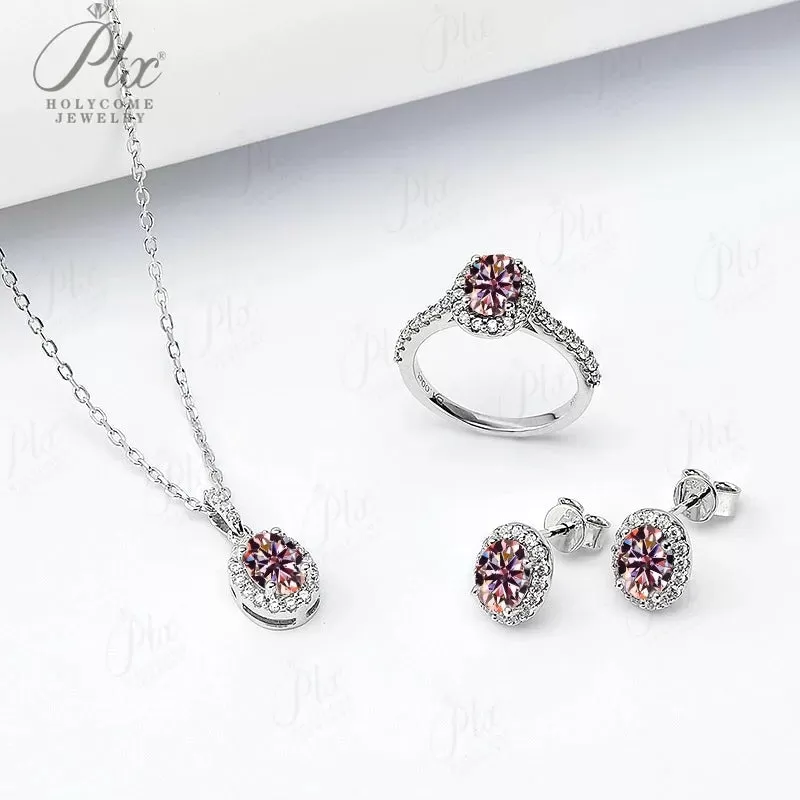
How the Sample Process Works for New Brands
Before a brand commits to a full order, we always recommend getting samples. The sample process is simple: you pick the designs you are interested in from the catalog, we produce two to three pieces of each, and we ship them to you. You hold the rings, check the weight, test the fit, and see if the quality matches your expectations. The cost of samples is small, usually a few hundred dollars including shipping, and it prevents the much larger cost of ordering 500 pieces that turn out to be wrong. We see brands skip the sample step because they are in a hurry, and we see them regret it when the first production run arrives.
The sample also lets you photograph the rings for your website, before you commit to a full order. You can test the product photos, see how the rings look on a model, and get feedback from your audience. If the samples sell well in your pre-launch, you can confidently order the full run. If the samples do not resonate with your audience, you have only spent a few hundred dollars, not a few thousand. The sample is the cheapest market research you can do, and we strongly recommend it for every new brand.
For a brand, the sample process is part of the relationship building. We want you to be happy with the quality, and the sample lets you verify that before you commit. We also use the sample step to learn your preferences: how you like the finish, what weight you expect, what packaging you want. By the time the full run is produced, we know exactly what you want, and the production run matches your expectations. The sample step is not a delay; it is an investment in getting the product right.
How We Scale With Growing Brands
When a brand starts with us, they might be ordering 100 pieces per design. As they grow, they might order 500 pieces per design, then 2,000, then 5,000. We scale with them, because we have the capacity to handle both small and large orders. The small orders let us build the relationship, and the large orders let us give better pricing, because the fixed costs are spread over more pieces. A brand that grows with us gets better pricing over time, because their volume increases, and we can amortize the tooling and setup costs over more pieces.
We also help brands manage the complexity of scaling. When a brand goes from 10 designs to 50 designs, the inventory management becomes more complex. We help them track which designs sell, which designs are slow, and which designs to reorder. We also help them plan production schedules, so they have stock when they need it, without over-ordering. The brands that scale with us have a partner who understands their business, not just a factory that produces what they order.
For a brand, scaling with a factory that knows your business is much easier than switching factories every time you grow. A new factory would have to learn your preferences, your quality standards, and your packaging, which takes time and causes mistakes. We already know our brand partners' preferences, and we can produce consistently as they grow. This consistency is one of the quiet benefits of working with the same factory over the long term, and it is why most of our brand partners stay with us for years.
What Private Label Does Not Do
Private label is a starting point, but it is not a long-term strategy for building a brand. If a brand only sells private label designs, they are selling the same designs as every other brand that uses our catalog, and they have no unique identity. The customer can buy the same ring from any brand, and they will choose the cheapest one. The brand that only sells private label designs is competing on price, not on brand, and price competition is a race to the bottom.
The brands that last are the ones that use private label as a starting point, then add custom designs that are unique to them. They keep the proven private label designs that sell steadily, and they add custom designs that build their brand identity. This mix of proven and unique designs is what makes a brand stand out, and it is what keeps customers coming back. The private label designs are the steady sellers that fund the business, and the custom designs are the signature pieces that build the brand.
For a brand, the goal is to eventually have a line that is mostly custom, with a few private label designs as the steady sellers. The custom designs are what the customer remembers, and the private label designs are what pay the bills. The brand that gets this mix right has a sustainable business, because they are not just competing on price; they are competing on brand identity. The brands that never move past private label are the ones that fade away, because they have no reason for customers to choose them over a cheaper competitor.
How We Protect Brand Designs
When a brand commissions a custom design, we do not sell that design to other brands. The custom design is exclusive to the brand that paid for it, and we will not produce it for anyone else. This is how brands build a unique line, because their custom designs are not available to competitors. We keep track of which designs are exclusive to which brands, and we do not cross them over.
For private label designs, the design is available to any brand that wants it, because the tooling is already paid for. The brand that sells a private label design knows that other brands might sell the same design, and they compete on brand, not on the design itself. This is why private label is a starting point, not a long-term strategy. The brand that wants exclusivity has to move to custom, because that is the only way to get designs that no one else has.
For a brand, the exclusivity of custom designs is the main reason to invest in tooling. The brand that has a custom design that no one else sells can charge more for it, because the customer cannot get it anywhere else. The margin on a custom design is higher than on a private label design, because the brand is not competing on price. This is why the move to custom is worth the investment, because it lets the brand build a line with unique products and higher margins.
How We Help Brands With Pricing
One of the questions new brands ask most is how to price their rings. We help them figure it out, because we know the cost structure, the retail price points that work, and the margins that brands need to be profitable. We will tell you the wholesale price of each design, we will recommend a retail price range, and we will explain why that range works. The goal is to help you price the ring so that you make a healthy margin, and so that the customer feels the price is fair.
The pricing recommendation is based on the product, the market, and the competition. A simple silver band should retail at a certain price, a moissanite solitaire at a higher price, and a custom design at a premium price. We know the retail price points that work in each market, because we see what other brands sell. We will give you a range, and you can choose the price that fits your brand positioning. The brands that price correctly sell through, and the brands that price too high or too low struggle.
For a new brand, the pricing step is where we add value beyond just producing the rings. We are not just a factory; we are a partner who has seen what works and what does not. We will tell you honestly if a price is too high for the product, or too low for the brand. The goal is to help you build a profitable business, not just to sell you rings. The brands that listen to the pricing guidance sell through, and the brands that ignore it end up discounting to clear inventory.
Common Questions About Private Label Ring Programs
What is the minimum order for private label? We can start with 50 pieces per design, because the tooling already exists. For a new brand, 10 designs at 50 pieces each is 500 rings, which is enough to start selling. We will recommend more designs as the brand grows.
Can I put my own brand stamp on private label rings? Yes. We stamp every ring with the brand's maker's mark, so the customer sees the brand, not the factory. The brand stamp is included in the private label price, with no extra tooling cost.
When should I move to custom designs? When you have enough volume to sell 100 pieces per month of a design, and you want something unique to set you apart. The tooling cost for a custom design is recovered quickly at that volume, and the custom design becomes your signature piece.
Do you protect my custom designs from competitors? Yes. Custom designs are exclusive to the brand that paid for them, and we will not produce them for other brands. We track which designs are exclusive, and we honor that exclusivity.
How the Relationship Evolves Over Time
The relationship between a brand and a factory evolves as the brand grows. At first, the brand is a new customer, placing small orders and testing the market. Over time, as the brand grows, the orders get larger, and the factory learns the brand's preferences. Eventually, the brand and the factory are working as partners, with the factory anticipating the brand's needs and suggesting new designs. This long-term relationship is valuable for both sides, because the brand gets consistent quality and pricing, and the factory gets a steady customer.
The brands that last the longest are the ones that treat the factory as a partner, not just a supplier. They communicate clearly, they give feedback on the designs, and they collaborate on new ideas. The factory that is treated as a partner will go out of its way to help the brand succeed, because the brand's success is the factory's success. The brands that treat the factory as a transactional supplier will never get the same level of service, because the factory has no reason to invest in the relationship.
The Bottom Line
Private label ring programs are the fastest way for a new brand to get to market, because the designs are proven, the tooling already exists, and the investment is low. But private label is a starting point, not a long-term strategy. The brands that last are the ones that use private label to start, then add custom designs that are unique to them, building a line that mixes steady sellers with signature pieces. We work with brands through this evolution, helping them pick private label designs that sell, then adding custom designs that build their brand identity. The goal is a line that is both proven and unique, and that is how a brand builds a lasting jewelry business.
If you are starting a ring brand and want to see the private label catalog, send us your price point and aesthetic, and we will recommend designs. Reach our team at service@holycome.com, and for more on how we work with brands, read our guide to custom ring design to production ODM workflow and our breakdown of wholesale ring MOQ and minimum order quantities.