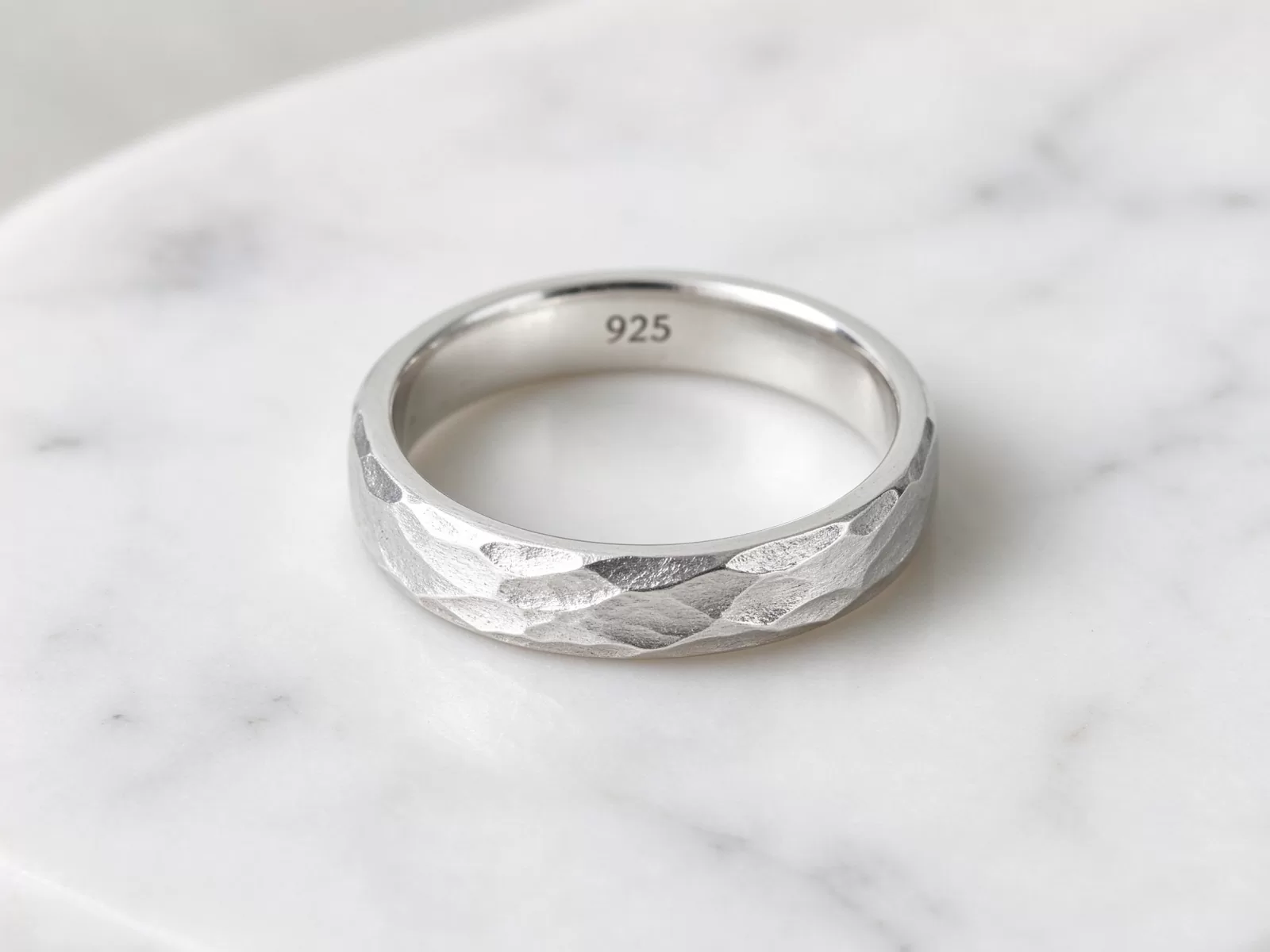
01Why Stone Grading and Color Consistency Define a Good 925 Sterling Silver Program
For wholesale buyers, the two issues that generate the most returns and reorders disputes in the 925 Sterling Silver category are stone grading and color consistency across a production run. A ring that looks bright in the sample can arrive duller in bulk, and a moissanite that graded well in one batch can vary in the next.
This article walks through the practical decisions you face when sourcing silver jewelry with set stones: how stones are graded, what paperwork to request, how metal color is controlled, and how to structure sampling and quality checks so your bulk order matches what your customers saw first.
02Stone Grading Basics for Silver Jewelry Buyers
Most 925 Sterling Silver styles in the wholesale market are set with lab-created stones, with moissanite being the most common diamond alternative. Moissanite is a lab-created gemstone, not a natural or real diamond, and your product listings should describe it that way. Graded stones arrive with either a GRA paper or an IGI paper, and the difference matters for how you position the product.
GRA Papers versus IGI Papers
A GRA paper reports the stone's characteristics based on the grader's own measurement standards, while an IGI paper comes from an established independent gemological institute with globally recognized grading procedures. For silver jewelry at wholesale volumes, IGI paperwork generally carries more weight with retail buyers who check credentials, while GRA papers are common on higher-carat moissanite pieces.
Ask your supplier which paper accompanies each style before you commit to a purchase order, and confirm that the stone number on the paper matches laser inscriptions on the goods where applicable.
What the Grading Report Should Tell You
Read the report for three data points: color grade, clarity description, and carat weight. Color consistency across a run depends on the supplier drawing stones from the same graded lot. If a 30-piece custom order mixes stones from two different color lots, your retail customers will notice the variation when pieces sit side by side in a display case.
Request that the supplier source stones from a single graded batch for any custom production run and note this requirement on the order confirmation.
Loose Stones Sold by the Carat
Loose stones are sold by the carat, which lets you buy graded moissanite separately and set it locally if you work with your own bench. Pricing per carat applies here, while finished pieces are priced per piece. When buying loose, ask that each parcel include its grading papers so you can verify color match before releasing the stones to your setter.
Most 925 Sterling Silver styles in the wholesale market are set with lab-created stones, with moissanite being the most common diamond alternative. Moissanite is a lab-created gemstone, not a natural or real diamond, and your product listings should describe it that way. Graded stones arrive with either a GRA paper or an IGI paper, and the difference matters for how you position the product.
03Color Consistency in the Metal, Not Just the Stones
Color problems in silver jewelry come from two places: the plating or finish on the metal and the stones themselves. 925 Sterling Silver has a bright white base color, but many styles are finished with gold plating, rhodium, or left as polished silver. Each finish has its own tolerance range, and inconsistency usually appears when a supplier plates batches in separate sessions without controlling bath chemistry.
Setting a Color Standard Before Production
The practical fix is a physical master sample. Approve one sample that represents the exact metal color you expect, keep it in your office, and require the factory to match it at the pre-shipment stage. Photographs are not reliable enough for plating color because screen rendering varies. For two-tone styles, approve a master for each metal color on the piece.
Plated, Vermeil, and Solid Gold: Naming the Metal Correctly
Your product descriptions must name the true metal. Gold plated means a base metal or silver core with a plated layer. Gold vermeil means a sterling silver core with a heavier gold plating. Solid gold means 10K, 14K, or 18K gold through and through, which is a different material and a different price structure. Never market plated or vermeil goods as solid gold, and make sure your supplier's invoice states the correct material so your compliance documentation lines up.
04How Sampling Locks In Grading and Color
Sampling is where you eliminate most grading and color risk. Sample production takes 7 to 10 days, which gives the factory time to pull stones, set them, and finish the metal under normal working conditions rather than rushed conditions. Bulk production runs 15 to 25 days after you approve the sample, so the total timeline from decision to shipment is roughly three to five weeks.
What to Check When Your Sample Arrives
Inspect the sample against the grading paper it ships with. Verify the carat weight on a scale, check the stone color in daylight and under store lighting, and compare the metal finish against any reference pieces you already stock. If the sample carries an IGI or GRA paper, confirm the report number matches any inscription on the stone. Approve only after all three checks pass, because bulk production will follow the approved sample, not your email descriptions.
Sampling for Custom Orders versus Stock Styles
Stock styles carry a minimum order quantity of 1 piece, so you can order a single unit as an informal sample before committing volume. Custom work requires a 30-piece minimum, which makes the formal sample stage more important: a color mismatch discovered after a 30-piece run is a costly problem, while the same mismatch caught at sampling costs one revision cycle.
05Quality Control Across a Bulk Run
Consistency in a 925 Sterling Silver order depends on a structured inspection process rather than spot checks at the end. A three-stage quality control system covers incoming material inspection, in-process checks during setting and finishing, and a pre-shipment AQL inspection before goods are packed. Each stage catches a different class of problem.
The table below summarizes how the three stages map to the risks discussed in this article.
| QC Stage | What Is Checked | Risk It Catches |
|---|---|---|
| Incoming inspection | Silver stock and graded stones with papers | Wrong color lot or off-grade stones |
| In-process checks | Stone setting, plating color, polish | Metal color drift between batches |
| Pre-ship AQL | Finished goods against approved sample | Mixed batches and missing paperwork |
After the pre-ship AQL inspection, the factory should confirm that every graded stone in the shipment has its matching paper packed with the goods. DDP delivery to the US takes 5 to 8 days, so paperwork gaps found after departure add another week to your timeline. Ask for a packing list that ties stone papers to order lines before the cartons are sealed.
06Pricing and Payment Structure for Graded Silver Programs
Pricing is quoted per piece for finished silver jewelry and per carat for loose stones, which keeps cost comparisons straightforward when you evaluate suppliers. Payment terms follow a standard structure: T/T with a 30 percent deposit and the 70 percent balance before shipment, while sample orders can be paid through PayPal. This structure protects both sides: the deposit covers materials including graded stones, and the balance is due only after the pre-shipment inspection confirms the goods match your approved sample.
When comparing quotes, ask what grading paperwork is included in the per-piece price. Two quotes at similar prices can differ significantly once you account for IGI papers on every stone versus papers on select pieces only. Get the paper policy in writing on the quotation so there is no ambiguity at the packing stage.
Order Terms for Wholesale Buyers
MOQ is 1 piece for stock styles and 30 pieces for custom work, and loose stones are sold by the carat. Sampling takes 7 to 10 days, and bulk production runs 15 to 25 days after the sample is approved. Pricing is quoted per piece or per carat depending on the item. Payment is T/T with a 30% deposit and the 70% balance before shipment, and PayPal is accepted for sample orders.
07Frequently Asked Questions
Do all moissanite stones in a silver order come with grading papers?
Graded stones come with either a GRA paper or an IGI paper depending on the stone and the style. Confirm the paper type for each style before ordering, and request that papers be matched to stones by report number. Loose stones sold by the carat should also ship with their papers so you can verify color before setting.
How do I keep metal color consistent across repeat orders?
Keep an approved master sample and require every new production run to match it at the pre-shipment stage. Ask the supplier to plate all pieces in a single plating session where volume allows. For repeat custom orders, referencing the original approved sample in the purchase order keeps the standard in place across seasons.
Can I order one piece first to test quality?
Yes. Stock styles carry a minimum order quantity of 1 piece, so you can evaluate stone grading and metal color on a single unit. Custom work requires 30 pieces, so for custom programs use the 7 to 10 day sampling stage to verify quality before bulk production begins.
What is the difference between gold vermeil and solid gold on silver designs?
Gold vermeil is a sterling silver core with a heavier gold plating, while solid gold means 10K, 14K, or 18K gold throughout the piece. Both can be offered on similar designs, but the material, pricing, and marketing language differ. Describe each accurately in your listings to stay compliant.
How long does a full order take from sampling to my door?
Sampling takes 7 to 10 days, bulk production runs 15 to 25 days after sample approval, and DDP delivery to the US takes 5 to 8 days. Plan for roughly four to six weeks total for a custom program. Stock styles ordered in single or small quantities move faster since they skip the production stage.
08Build a Consistent Silver Program with the Right Process
Stone grading and color consistency are controllable when you put the right checks in place: request GRA or IGI papers on graded stones, approve physical master samples for metal color, confirm single-lot stone sourcing on custom runs, and rely on the three-stage QC process from incoming material through pre-ship AQL inspection.
Combine that with clear material naming, per-piece or per-carat pricing, and T/T terms with a 30 percent deposit, and your 925 Sterling Silver program can scale without the returns and disputes that come from inconsistent goods.
To go deeper on grading paperwork, finish standards, and order terms, visit our knowledge base for wholesale jewelry buyers. You can also learn about our factory, quality control process, and team, and review how buyer information is handled in our privacy policy before requesting your first sample.
Sources: Grading references: GIA gem education and GIA laboratory information.