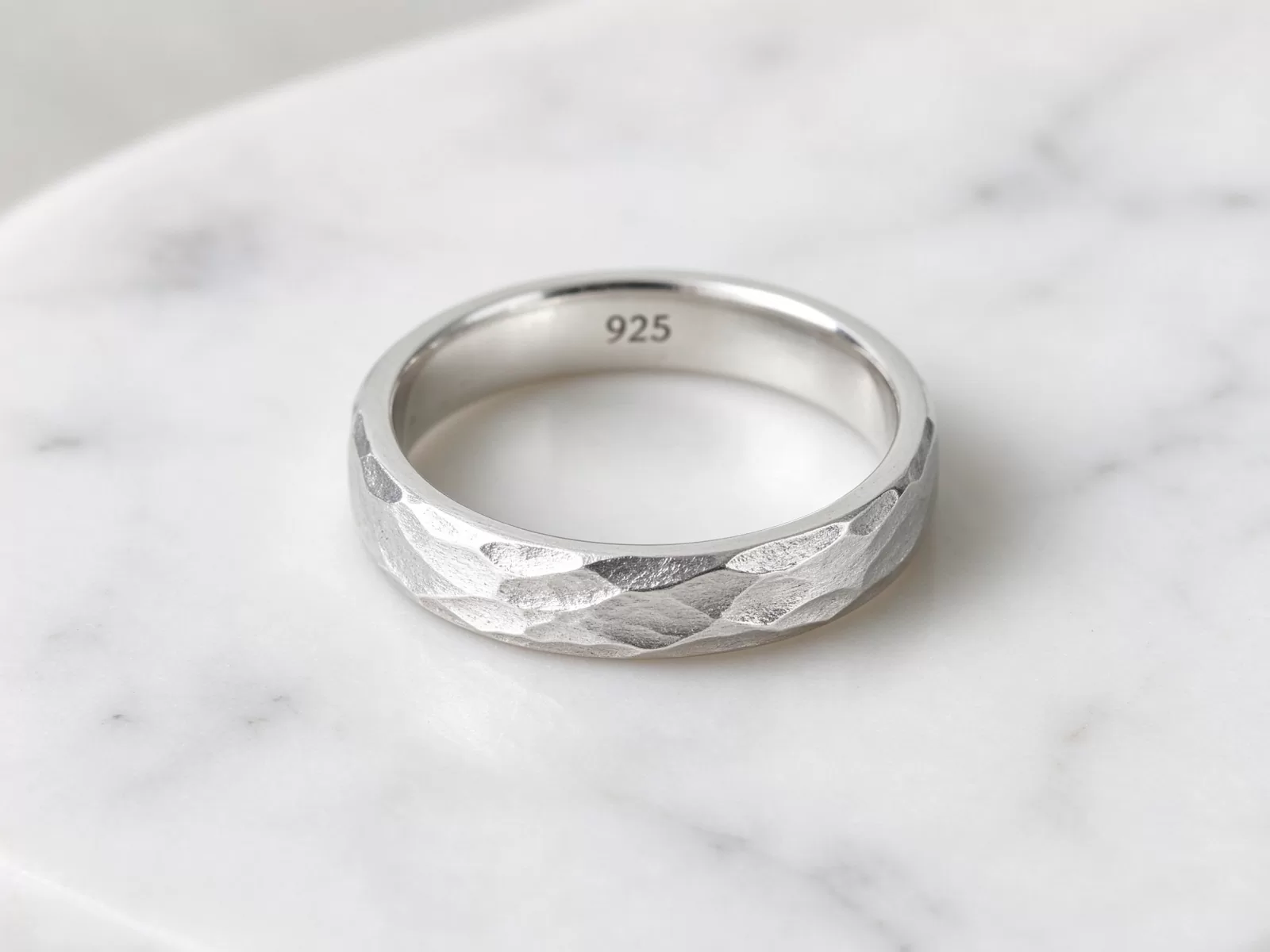
01Why Stone Grading and Color Consistency Define a Good 925 Sterling Silver Order
When you source 925 Sterling Silver jewelry for the US wholesale market, the metal is rarely where problems start. The alloy content is standardized, and factories shipping to American retailers understand the 92.5 percent silver requirement. What actually separates a smooth reorder cycle from a wave of customer returns is how well the stones are graded and how consistently the color matches across the batch.
A buyer who locks down stone grading and color tolerance before production begins avoids most of the disputes that surface later at the retail counter.
This matters because 925 Sterling Silver settings are usually paired with moissanite, lab-created stones, or natural gemstones of varying quality. Unlike the metal, stones are graded item by item, and color is judged by the human eye unless you set measurable standards in advance.
The sections below cover the decisions you face as a wholesale buyer: which grading papers to require, how color matching works in practice, what your inspection checkpoints should cover, and how to write these requirements into the purchase order so they are enforceable rather than aspirational.
02Stone Grading: What to Require From Your Supplier
Graded stones should arrive with documentation, not just a verbal grade. For moissanite and diamond-alternative stones set into 925 Sterling Silver, ask whether the supplier provides GRA or IGI papers. GRA reports are common for moissanite, while IGI papers cover a broader range of lab-created and natural stones.
A grading report gives you an independent reference point: if a retail customer questions a stone, you have paper to present, and if a supplier substitutes lower-grade material on a reorder, you have a documented baseline for comparison.
What a Grading Report Actually Tells You
A report typically covers carat weight, color grade, clarity grade, and cut characteristics. For moissanite, the color grade is the field you care about most, because it directly affects whether stones across a batch look the same when placed side by side. Clarity on moissanite tends to be high across the board, so color and cut consistency drive the visible difference between an average lot and a strong one.
Remember that moissanite is a lab-created diamond alternative, not a natural diamond, and your product descriptions should reflect that accurately to your retail partners.
Loose Stones Versus Set Stones
Loose stones are sold by the carat, which makes grading straightforward: you evaluate and price the material before anything is set. Once a stone is mounted in 925 Sterling Silver, regrading becomes harder and rework becomes expensive. If your program involves significant stone value, consider buying loose stones graded first, then commissioning setting as a separate production step. This lets you reject off-grade stones before they are committed to a finished mount.
When Ungraded Stones Are Acceptable
Not every order needs papers. Lower-priced fashion pieces where the stone is decorative rather than the selling point may not justify per-stone grading costs. The mistake to avoid is leaving the decision ambiguous. State in your purchase order whether grading applies to every stone, to stones above a certain carat size, or not at all. Ambiguity is where substitution happens.
Graded stones should arrive with documentation, not just a verbal grade. For moissanite and diamond-alternative stones set into 925 Sterling Silver, ask whether the supplier provides GRA or IGI papers. GRA reports are common for moissanite, while IGI papers cover a broader range of lab-created and natural stones.
03Color Consistency: The Most Common Wholesale Complaint
Color inconsistency is the issue that triggers the most reorders in silver jewelry with stones. Two stones can both be sold as near-colorless and still look noticeably different side by side. In a necklace with multiple stones, or in a matched earring pair, that difference is obvious to the consumer even if each stone passed its own grade on paper.
Matched Pairs and Multi-Stone Settings
Earrings are the highest-risk category because customers compare the two stones directly. Ask your supplier whether pairing is done by eye under standardized lighting and what tolerance is applied. For multi-stone pieces such as tennis bracelets and pavé bands, the question becomes whether the factory sorts a production lot by color before setting or simply draws stones from mixed inventory.
Sorting adds handling cost, but it is the only reliable way to keep a multi-stone 925 Sterling Silver piece visually uniform. Confirm the sorting step in writing before bulk production starts.
Metal Color and Stone Color Must Be Planned Together
Stone color does not exist in isolation. The same near-colorless stone reads differently against rhodium-plated silver, warm gold vermeil, or gold plated finishes over a silver base. If your assortment includes both silvery and gold-tone versions of the same design, ask whether the same stone lot is used across both, and request photos of both versions taken under the same light.
A stone that looks balanced on bright white metal can appear warmer on yellow metal, and your retail buyers will notice the difference when the styles sit in the same display case.
04How Production Timelines Affect Grading and Matching
Grading and color sorting take time, and that time needs to be built into your schedule. Sampling runs 7 to 10 days, which is your window to check stone color, metal finish, and overall look before approving anything. Bulk production takes 15 to 25 days after approval. If you add a stone-sorting requirement mid-production, expect delays, because the factory may need to source additional matched material. The practical sequence looks like this:
- Approve a sample that already reflects your target stone color and grading level.
- Confirm in the purchase order that bulk stones must match the approved sample.
- Allow the full 15 to 25 day production window, without compressing it for large stone counts.
- Plan for DDP delivery to the US, which takes 5 to 8 days after shipment.
Buyers who treat the sample as the color standard, rather than a rough draft, end up with far fewer matching disputes at the pre-ship stage. The sample approval is also the moment to confirm pricing, since pricing is quoted per piece or per carat depending on the item, and stone grade directly affects that number.
05Inspection Checkpoints: Where Grading and Color Get Verified
A supplier with a three-stage quality control process gives you natural checkpoints for the standards you have set. Each stage catches a different class of problem, and knowing what happens where helps you write a sensible inspection clause.
Incoming Material Inspection
At the incoming stage, stones and metal components are checked before assembly. This is where grading papers should be verified against the actual loose stones and where a color sort of the production lot should occur. If your order specifies GRA or IGI papers, confirm that report numbers can be matched to the stones delivered, at least for larger stones.
In-Process Checks During Setting
During production, in-process checks catch stones damaged during setting, mixed lots after a component change, and color drift if the factory opens a second stone parcel partway through. Ask whether the same stone parcel is reserved for your entire order. If a second parcel must be opened, your purchase order should require color comparison against the approved sample before the new stones are set.
Pre-Ship AQL Inspection
The pre-ship stage uses AQL inspection on finished goods. This is your last practical checkpoint before DDP shipment to the US. Write your color consistency criteria into the AQL acceptance standard: for example, earrings inspected as matched pairs under defined lighting. Without that clause, an AQL pass may only verify workmanship and function, leaving color matching unmeasured even though it is the defect your retail customers will report first.
06Pricing and Payment Structure for Graded Stone Orders
Grading and sorting add cost, and a clear commercial structure keeps those costs predictable. Pricing is quoted per piece or per carat depending on the item, so a stone-heavy 925 Sterling Silver design may be quoted with a per-carat component that rises with a tighter color sort. Get the grade level, the sorting tolerance, and the documentation requirement priced together as one package rather than negotiating each element separately after production.
On payment, standard terms are T/T with a 30 percent deposit and a 70 percent balance before shipment, while sample orders can be paid through PayPal. This structure works in your favor on graded orders: the sample paid through PayPal establishes the color and grading standard, and your balance payment is due only after pre-ship AQL inspection confirms the bulk goods meet the approved standard.
Keep documentation copies with your payment records so any future dispute has a paper trail on both sides.
Comparing Your Requirements Before You Order
The table below summarizes the decisions a wholesale buyer should settle before signing a stone-set 925 Sterling Silver order. Each row is a decision, not a suggestion, and leaving any of them blank invites the supplier to default to the cheapest option.
| Decision | Option A | Option B | What to Confirm |
|---|---|---|---|
| Stone documentation | GRA or IGI papers | No papers | Which stones qualify |
| Stone supply form | Loose, by carat | Set in finished piece | Grading before setting |
| Color matching | Sorted production lot | Mixed inventory | Tolerance standard |
| Sample role | Binding color standard | Reference only | Match clause in PO |
| Final check | AQL includes color | AQL workmanship only | Defined lighting |
Once each row is filled in, send the completed requirements back to your supplier and ask for written confirmation. A short confirmation email attached to the purchase order is enough to convert these points from conversation into commitment.
Order Terms for Wholesale Buyers
MOQ is 1 piece for stock styles and 30 pieces for custom work, and loose stones are sold by the carat. Sampling takes 7 to 10 days, and bulk production runs 15 to 25 days after the sample is approved. Pricing is quoted per piece or per carat depending on the item. Payment is T/T with a 30% deposit and the 70% balance before shipment, and PayPal is accepted for sample orders.
07Frequently Asked Questions
Do all stones in a 925 Sterling Silver order need GRA or IGI papers?
No. Graded stones use GRA or IGI papers, but applying papers to every small accent stone is rarely practical. Most buyers require documentation for center stones or stones above a defined carat size, and specify the rest by grade level against an approved sample. The key is to state the split clearly in the purchase order.
How is moissanite described correctly in my product copy?
Moissanite is a lab-created diamond alternative. It should never be described as a natural or real diamond in catalogs, listings, or packaging. Accurate wording protects your retail accounts and keeps your product claims consistent with what the grading papers actually state.
Why do matched earrings cost more than the same stones sold separately?
Pairing requires sorting a larger stone lot to find two stones within a tight color tolerance, which consumes more material and handling time. The price difference reflects that selection work. For multi-stone pieces, the same logic applies across every stone in the design.
Can I change stone requirements after the sample is approved?
You can, but bulk production takes 15 to 25 days after approval, and a mid-production change to stone grade or sorting will extend that timeline and change pricing. Settle grading and color requirements during the 7 to 10 day sampling window, when changes are still inexpensive.
What happens at pre-ship inspection if colors do not match?
If color consistency is written into your AQL acceptance criteria, mismatched goods are flagged before shipment and the balance payment is not released until the issue is resolved. If color was never added to the criteria, the inspection pass may not cover it, which is why the clause matters more than the inspection itself.
08Put These Standards Into Your Next Silver Order
Stone grading and color consistency are controllable variables when you define them before production instead of arguing about them after shipment. For reference material on grading terms, inspection practices, and order structures, visit our jewelry knowledge base. To understand how our factory handles sampling, three-stage quality control, and DDP delivery to the US, read more about our company and production process. Details on how order data and payment records are handled are covered in our privacy policy.
Bring your next 925 Sterling Silver requirements to us and we will confirm grading, color tolerance, and timeline in writing before the first piece is made.
Sources: Grading references: GIA gem education and GIA laboratory information.