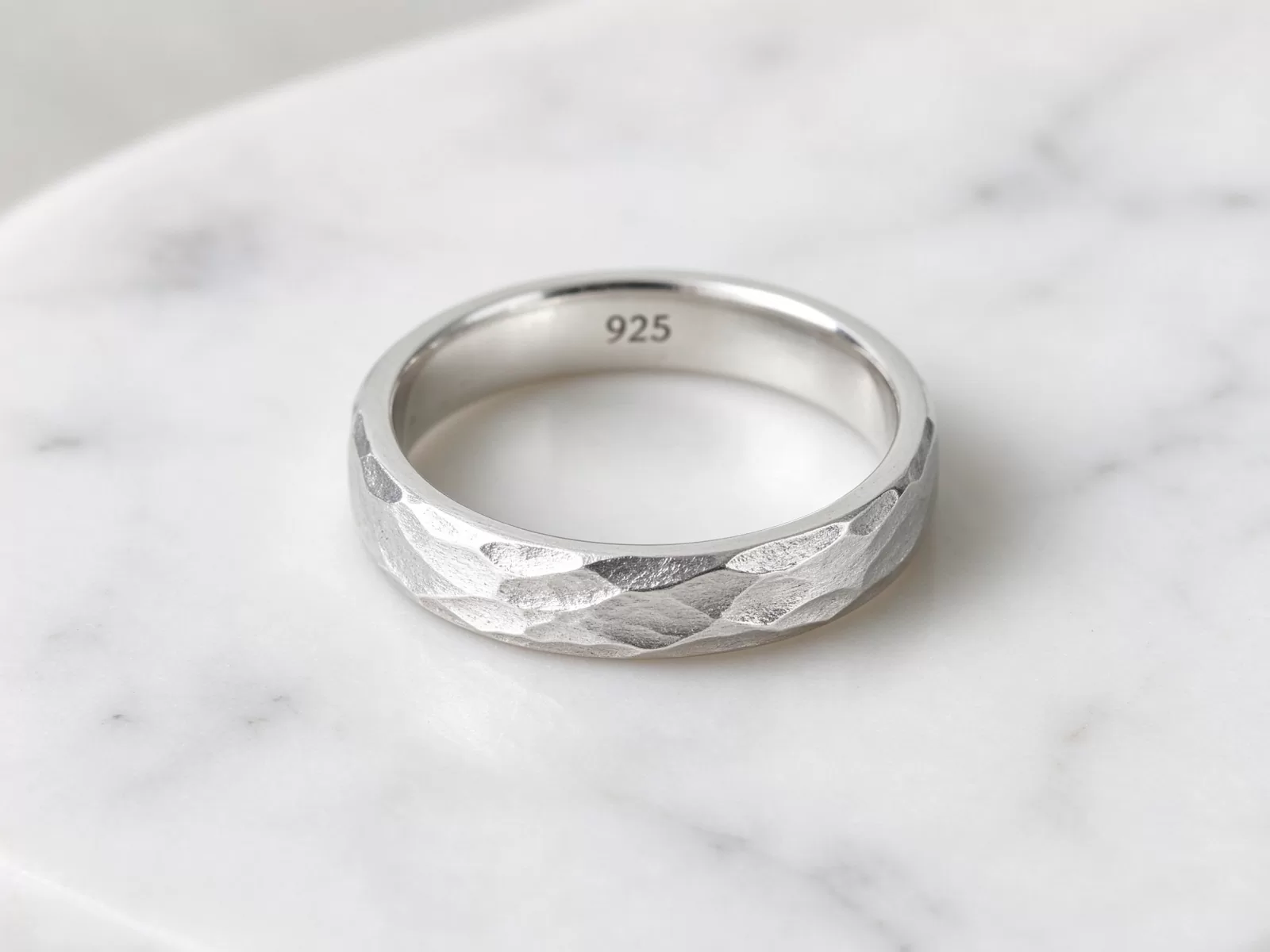
01Why Stone Grading and Color Consistency Decide Your Sterling Silver Program
For wholesale buyers sourcing 925 Sterling Silver jewelry, the two factors that most often determine whether a collection sells through or gets returned are stone grading and color consistency across the line. A buyer can accept an attractive unit price, but if one batch of stones reads warmer than the last, or if grading paperwork does not match what arrives in the cartons, reorders stall and margins suffer.
This article walks through the practical decisions you face on both fronts, from choosing between GRA and IGI papers for moissanite set in 925 Sterling Silver, to specifying color standards so your tenth production run matches your first.
02Understanding What 925 Sterling Silver Actually Means for Your Inventory
The 925 stamp indicates 92.5 percent silver content by weight, with the remaining alloy typically copper. That composition matters to a wholesale buyer for three reasons. First, it defines the legal description you can use in your own product listings: the metal is 925 sterling silver, not solid gold and not vermeil, even when pieces carry a gold tone plating. Second, the alloy composition affects tarnish behavior, which influences how you advise retail customers on care.
Third, the base metal interacts with the plating layer and with the setting, so consistency of alloy from one production run to the next supports consistency of final appearance.
When your catalog mixes metal families, describe each one precisely. A piece made of 925 sterling silver with a gold tone finish should never be described as solid gold. If a client asks for solid gold options, those exist separately in 10K, 14K, and 18K solid gold, alongside gold vermeil and gold plated lines. Keeping these descriptions accurate protects your store from compliance complaints and returns.
How the Base Metal Affects Stone Presentation
Sterling silver has a bright white tone under any plating, which makes it a strong backdrop for near-colorless stones. The setting geometry, particularly around pavé and halo work, determines how much light returns through the stone. Because the base is consistent in color, the visual differences between batches come mostly from the stones themselves and the finishing, which is why grading and color control deserve most of your attention.
The 925 stamp indicates 92.5 percent silver content by weight, with the remaining alloy typically copper. That composition matters to a wholesale buyer for three reasons. First, it defines the legal description you can use in your own product listings: the metal is 925 sterling silver, not solid gold and not vermeil, even when pieces carry a gold tone plating. Second, the alloy composition affects tarnish behavior, which influences how you advise retail customers on care.
03Stone Grading Papers: GRA and IGI Explained for Wholesale Buyers
Graded stones in this category are documented with either a GRA paper or an IGI paper. These are the two grading documents used for the lab-created stones set in the silver line, and knowing the difference helps you match paperwork to your market segment.
Moissanite is a lab-created diamond alternative. It is not a natural diamond and should never be marketed as one, but it delivers near-colorless brilliance at a price point that works for silver settings. GRA papers are common for moissanite and cover the characteristics buyers care about: color grade, cut, clarity designation, and carat weight.
IGI papers are the choice when a program needs a certificate from a widely recognized independent gemological institute, which some retail channels and marketplaces require before listing jewelry.
Choosing Between GRA and IGI for Your Channel
If you sell through marketplaces that accept GRA documentation, GRA papers keep unit costs lean and still give your customers a certificate with each stone. If you supply boutiques or retail chains with stricter documentation policies, IGI papers justify their place in the spec sheet. Either way, the paperwork should travel with the goods, and you should spot-check that the carat weight on the paper matches the loose stone before setting.
Loose stones are sold by the carat, so grading papers protect you on weight claims in both directions.
What to Verify When Papers Arrive With a Bulk Order
On receipt of a bulk run, compare a sample of papers against the physical pieces. Check that the color grade listed falls within the range you specified, that carat weights match your order sheet, and that the stone in the setting matches the stone described. A three-stage quality control process covers this: incoming inspection of raw materials and stones, in-process checks during setting and polishing, and a pre-ship AQL inspection on finished goods.
Request the pre-ship AQL report before balance payment so you know defect rates before goods leave the factory.
04Color Consistency Across a Silver Jewelry Line
Color consistency has two dimensions buyers sometimes conflate. The first is stone color: whether the moissanite in one batch reads the same near-colorless tone as the previous batch. The second is metal color: whether the silver tone, or the gold tone plating over 925 sterling silver, matches across styles in the same collection. Both need to be written into your purchase specification.
For stones, agree on a color range rather than a single grade, because natural variation exists within any production lot. Then request that stones for one order be matched within that range before setting. For metal, confirm the plating thickness and tone reference for gold plated and gold vermeil items, and confirm bare 925 sterling silver finishes against an agreed reference. Consistency here is a specification issue, not luck.
Building a Color Standard Into Your Purchase Order
The most effective tool is a simple approved standard: a sealed sample from your first production run, or a stones-and-metal reference set agreed before bulk production begins. When you place a reorder, the factory matches against the standard rather than against memory. Include in your specification the stone color range, the metal finish reference, and the plating specification if applicable. This one-page standard prevents the majority of color-mismatch disputes.
Sampling: Your Chance to Lock Color Before Bulk
Sampling takes 7 to 10 days, and this is when you should evaluate color under the lighting conditions your customers will actually use. Approve the sample only when stone tone and metal tone both meet your standard, because bulk production runs 15 to 25 days after approval and proceeds against that approved sample. Changing color specifications after sample approval resets the timeline, so treat the sample stage as your final color decision point.
05Pricing, Ordering, and Payment Structure for Graded Silver Jewelry
Pricing in this category is quoted per piece for finished jewelry and per carat for loose stones. The minimum order quantity is 1 piece for stock styles and 30 pieces for custom work, which lets you test a stock design with a single unit before committing to a custom run. Payment terms are T/T with a 30 percent deposit and the 70 percent balance before shipment; sample orders can be paid through PayPal.
Delivery to the US under DDP terms takes 5 to 8 days, with duties and shipping handled so goods arrive at your door without surprise charges.
Matching Order Size to Your Color Risk
Because custom work carries a 30-piece minimum, buyers testing an unproven color specification often order a stock style first at the 1-piece minimum, confirm the tone works for their market, then move to a custom run. This sequencing keeps color risk low: the stock piece becomes part of your approved standard for the later custom order.
06Quality Control Stages That Protect Grading and Color Claims
A structured three-stage quality control process is what turns grading and color specifications into delivered reality. Each stage catches a different class of problem, and knowing what happens at each stage lets you ask informed questions before placing an order.
| QC Stage | What Is Checked | Buyer Benefit |
|---|---|---|
| Incoming inspection | Silver alloy, stones, and papers on arrival | Rejects off-grade stones before setting |
| In-process checks | Stone matching and metal tone during production | Catches batch drift early in the run |
| Pre-ship AQL | Finished goods sampled against AQL standards | Defect rates documented before shipment |
Ask which stage covers stone-to-paper verification and which covers color matching against your approved standard. A supplier who can answer both, and who supplies the pre-ship AQL report with each bulk order, gives you documentation you can pass along to your own customers and marketplace reviewers. The table above summarizes how each stage maps to the concerns covered in this article.
Documentation to Request With Every Bulk Order
For a typical 925 Sterling Silver order with graded stones, request the grading papers for the stones, the pre-ship AQL inspection report, and photos of finished goods under neutral lighting. These three documents together substantiate your grading claims and your color consistency claims, and they cost you nothing to request at the time of ordering.
07Practical Checklist Before You Place Your First Order
Before committing budget, run through a short checklist. Confirm the metal description for each style is written as 925 sterling silver, or as gold plated or gold vermeil over sterling, and never as solid gold unless the piece is 10K, 14K, or 18K solid gold. Confirm the grading paper type, GRA or IGI, for the stones in your program. Confirm your color range for stones and your metal tone reference in writing.
Confirm the sample timeline of 7 to 10 days and the bulk timeline of 15 to 25 days fits your launch calendar. Finally, confirm the payment structure works for your cash flow: 30 percent deposit by T/T, balance before shipment, with PayPal available for samples.
Buyers who formalize these points at order stage report fewer disputes and faster reorder cycles. The specification becomes the shared reference between you and the factory, and every later conversation about color or grading starts from the same document rather than from recollection.
Order Terms for Wholesale Buyers
MOQ is 1 piece for stock styles and 30 pieces for custom work, and loose stones are sold by the carat. Sampling takes 7 to 10 days, and bulk production runs 15 to 25 days after the sample is approved. Pricing is quoted per piece or per carat depending on the item. Payment is T/T with a 30% deposit and the 70% balance before shipment, and PayPal is accepted for sample orders.
08Frequently Asked Questions
Can I order a single sample piece before committing to bulk?
Yes. Stock styles carry a minimum order of 1 piece, so you can evaluate stone grading and color tone on a real unit before any larger commitment. Custom work requires a 30-piece minimum, which is why testing on a stock style first is a common approach.
Which grading paper should I choose, GRA or IGI?
GRA papers are widely used for moissanite and cover color, cut, clarity designation, and carat weight at a lean cost. IGI papers suit programs supplying boutiques or chains that require certification from a recognized independent gemological institute. Match the paper to your sales channel's documentation requirements.
How do I keep color consistent between reorder batches?
Establish an approved standard from your first run, covering stone color range and metal tone, and require reorders to match against it. Combine this with the factory's in-process checks and pre-ship AQL inspection so any drift is caught before goods ship. Photos under neutral lighting with each bulk order add another layer of verification.
What are the payment and delivery terms for US buyers?
Payment is T/T with a 30 percent deposit and the 70 percent balance before shipment, while sample orders can be paid via PayPal. Delivery to the US under DDP terms takes 5 to 8 days, with duties handled so landed cost is predictable. Bulk production runs 15 to 25 days after sample approval.
How should I describe moissanite set in sterling silver to my customers?
Describe moissanite as a lab-created diamond alternative with its own brilliance and durability, and describe the metal as 925 sterling silver, plated or unplated as applicable. Do not present moissanite as a natural diamond, and do not describe plated or vermeil pieces as solid gold. Accurate descriptions reduce returns and platform compliance issues.
Start Your Sterling Silver Program With a Sample Run
Stone grading and color consistency are manageable when you put the right specification, papers, and inspection stages in place before money moves. Review the knowledge base for buying guides and gemstone education to go deeper on grading documents and color standards, then visit our company background and production capabilities to see how the three-stage quality control process works in practice.
Details on how your order data and documents are handled are covered in the privacy policy explaining how buyer information is protected. Begin with a 1-piece stock sample, lock your color standard, and scale into a custom 30-piece run when the numbers and the tone both work for your market.
Sources: Grading references: GIA gem education and GIA laboratory information.