Moissanite Pendant Size Guide - HOLYCOME
If you have ever stared at two moissanite pendants that look almost identical and wondered why one costs nearly twice the other, the answer almost always comes down to one number: the diameter of the center stone. In moissanite, size is expressed in millimeters rather than carats, and that millimeter number drives both the visual impact and the factory price more than any other single choice. As a cutting factory, we see buyers overbuy size and underspend on quality as often as the reverse, and both mistakes cost them sales. This guide is about matching the stone size to the customer, the neckline, and the price point so you buy exactly the value you intend and not a millimeter you do not need.
We will walk through how moissanite sizes map to familiar diamond carat equivalents, how the price climbs as the stone gets larger, at what size the extra millimeters stop reading as bigger on a real neck, which sizes are the quiet bestsellers for wholesale, and how the setting has to scale with the stone or the whole piece looks off. By the end, you should be able to look at a target retail price and a customer profile and pick the right pendant diameter on purpose, instead of defaulting to the largest stone a quote will allow.
How Moissanite Is Sized: Millimeters, Not Carats
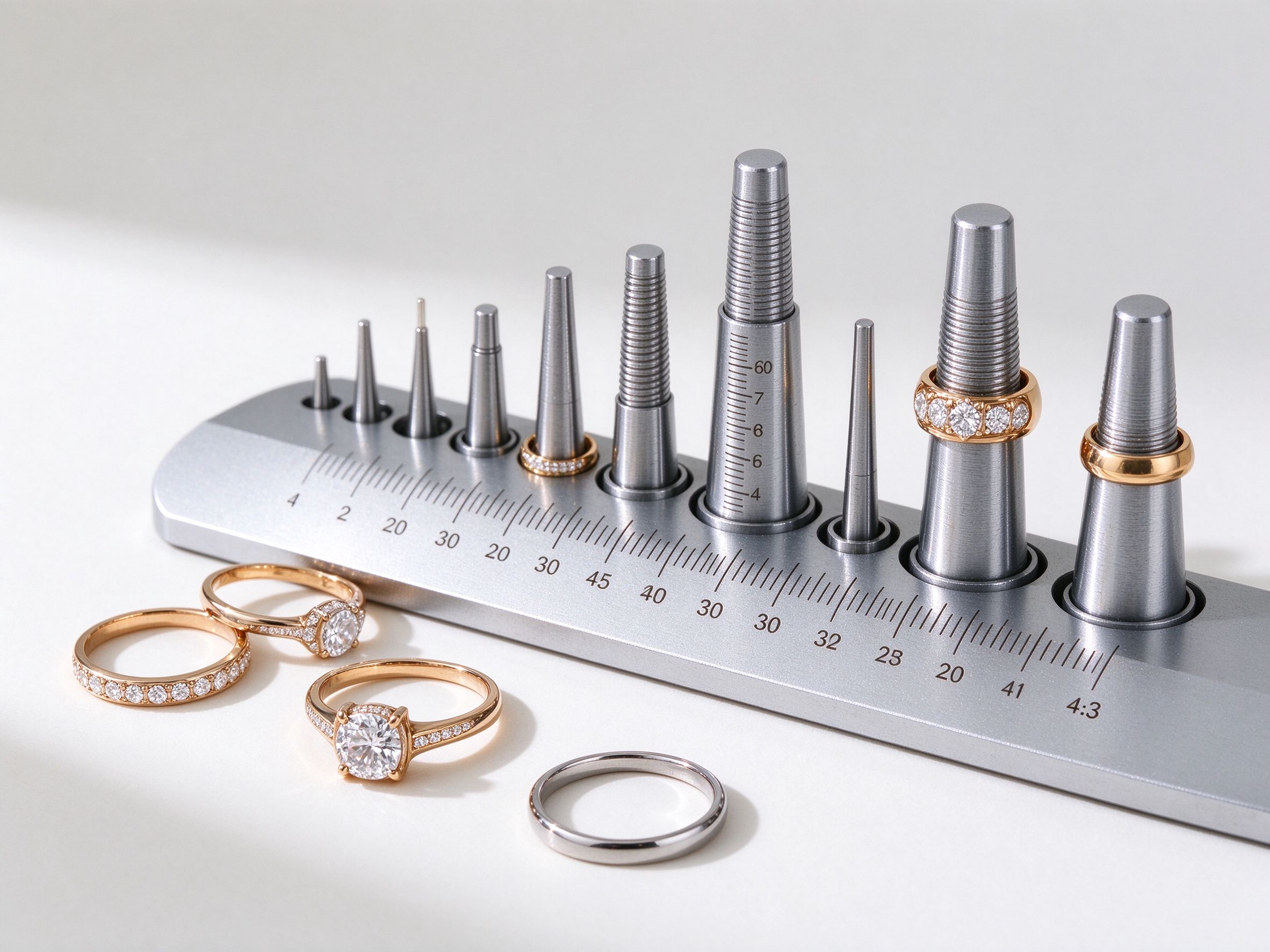
Unlike mined diamonds, which are sold by carat weight, moissanite is manufactured to a diameter specification. That is because moissanite is produced from lab-grown material that we cut to exact measurements, and the millimeter is the honest unit of what the customer actually sees. A 6.5 millimeter round is the closest equivalent to a one-carat diamond, an 8 millimeter sits around 1.5 carats, a 9 millimeter around two carats, and so on. We cover the grading system behind these sizes in moissanite grading explained, and the practical point is simple: when you buy by diameter, you know exactly what you are getting, with no weighing tricks.
This matters for your photography and your listings. Customers shop by the visual size they remember from diamonds, so listing a pendant by its diamond-equivalent carat helps them compare, but you should also state the millimeter. The millimeter is what your factory controls, and it is the number that stays consistent between your first sample and your ten-thousandth reorder. If a supplier quotes you a carat range rather than a diameter, push back, because a range hides the inconsistency that will ruin a matched collection.
How Price Climbs With Size
Here is the core economics. The cost of a moissanite stone does not climb linearly with diameter; it climbs faster than that. A 6.5 millimeter stone is not half the price of a 13 millimeter stone just because it is half the diameter. Larger stones require larger, more carefully selected rough, a higher rejection rate during cutting, and more time at the polishing wheel. By the time you reach a large statement size, the per-stone cost has risen steeply, and that cost is the dominant line in the pendant price. We break the full price stack down in moissanite wholesale pricing.
The practical consequence for a buyer is that size is the most expensive lever you can pull. If you are tempted to jump from a 6.5 to an 8 millimeter stone for a slightly bolder look, you should know that the marginal visual gain may not justify the marginal cost, especially at an entry price point. Often the smarter move is to keep the stone size and spend the difference on a better chain, a heavier mounting, or nicer packaging, all of which the customer also feels. We show the cost math for each size tier in the real cost of 1ct, 2ct, and 3ct moissanite.
The Visual Sweet Spot on a Real Neck
A stone looks different on a screen than it does on a real neck. On a product photo, a 10 millimeter stone can look glamorous. On a 45 centimeter chain resting against a collarbone, that same stone can read as heavy, costume-y, or simply too large for daily wear. The visual sweet spot for an everyday pendant is surprisingly modest: between 6 and 8 millimeters. That range is visible, sparkling, and appropriate for office, dinner, and weekend wear, which means it sells to the widest possible customer. It is the workhorse size we recommend for a first necklace order.
Above 8 millimeters, you move into statement territory. A 9 or 10 millimeter pendant is for customers who want attention, for evening wear, or for gifting a real centerpiece. Those sizes sell, but to a narrower audience, and they carry the higher price we described. The mistake is stocking only large stones because they look impressive on your website, then finding they sit in inventory because they are too bold for everyday buying. We help brands balance the assortment in pendants for every neckline, and the ratio of everyday to statement stones is a key part of that balance.
The Setting Must Scale With the Stone
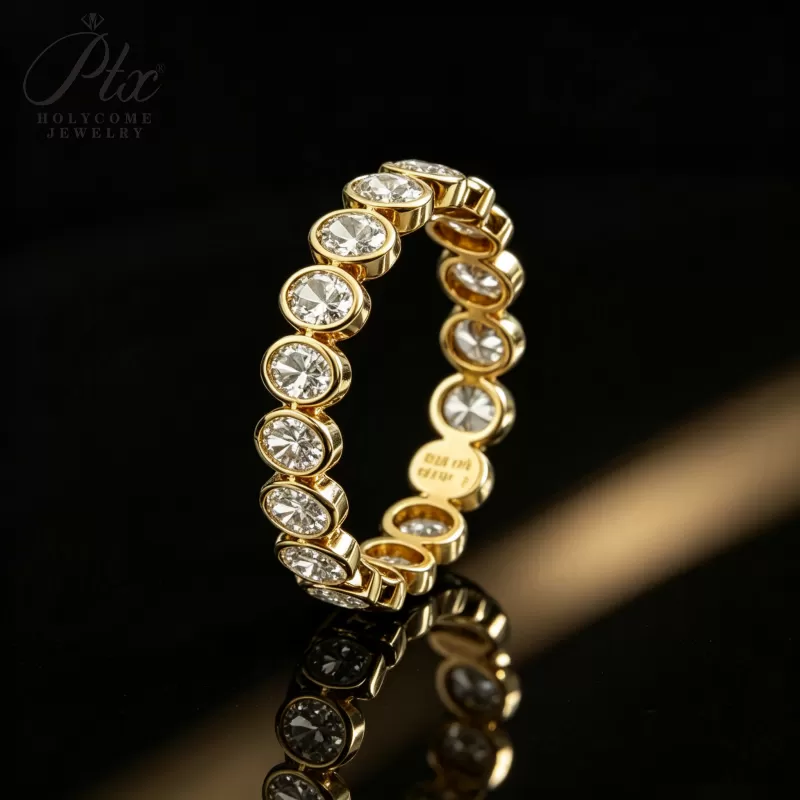
A stone that is too large for its mounting looks wrong, and customers notice even when they cannot say why. The prongs have to be sized to grip a larger stone securely, the bail has to carry the extra weight, and the back of the mounting has to be proportional. Dropping a 9 millimeter stone into a mounting designed for a 6.5 millimeter creates a cramped, unbalanced look where the metal disappears under the stone. We engineer this balance deliberately, as we describe in pendant bail strength engineering, and it is why a larger pendant costs more beyond just the stone: the whole mounting has to grow with it.
This is also a safety issue. A larger stone has more leverage on the prongs, so it needs a more secure setting or it risks loosening with daily wear. A small stone on a flimsy prong is annoying; a large stone on a flimsy prong is a lost stone. When you upsell a customer to a bigger pendant, make sure the price you pay reflects a properly scaled setting, not just a bigger stone jammed into a cheaper mount. The setting is what keeps the stone in the piece for the next decade.
Shape Changes the Perceived Size
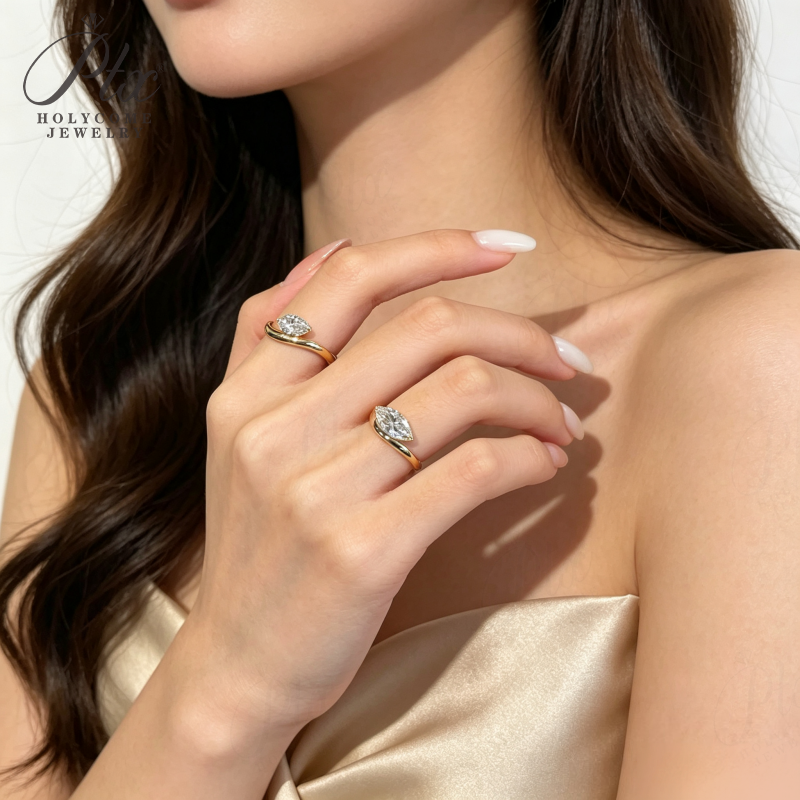
Two pendants of the same millimeter diameter can read as very different sizes depending on their cut. An oval or a marquise-shaped stone looks larger than a round of the same width, because its elongated shape spreads more light and more visible area across the neckline. A cushion or a princess cut looks smaller and more compact. This is a free value lever: if you want a bolder visual at a moderate cost, a slightly smaller oval can read larger than a round, without the price of stepping up to the next round diameter. We compare all the cuts in moissanite cutting styles.
Shape also changes the character. Rounds are the safest, most universally flattering, and cheapest to cut. Ovals and pears feel more contemporary and bridal. Cushions feel softer and vintage. When you build a collection, offer the round as the reliable bestseller and use the fancy shapes as the premium tier that draws attention to your brand. You do not need to choose one; you need to know which one carries which customer.
Matching Sizes to Necklines and Chain Lengths
Size does not exist in isolation; it pairs with chain length and neckline. A small pendant on a long 70 centimeter chain reads as delicate layering jewelry, which is exactly what a customer stacking necklaces wants. A medium pendant on a 45 centimeter chain sits at the collarbone, the classic everyday position. A large statement pendant belongs on a shorter chain or a higher neckline so it is the focus. We cover the length choices in the necklace length guide, and the pairing matters because a pendant that clashes with its chain length looks off no matter how good the stone is.
For wholesale buyers, this pairing is an opportunity to sell coordinated sets. A customer who buys a small pendant for layering can be sold a second medium pendant for everyday wear, and the two share the same brand language. Building your size range around how pendants actually layer and sit is more useful than picking sizes in isolation, and it naturally increases your average order value, as we discuss in the layering necklaces trend.
What the Data Says About Bestselling Sizes
Across the orders we ship, a few sizes consistently outperform. The 6.5 millimeter round is the volume leader because it hits the one-carat look at an accessible price and suits almost every customer. The 8 millimeter is the upgrade tier for customers who want a bit more presence. The 5 to 6 millimeter sizes sell strongly as dainty, everyday, layering pendants, especially to younger buyers. Above 9 millimeters, sales are steadier but narrower, driven by statement and bridal purchases. Stocking these tiers in proportion gives you coverage of most of the market without overcommitting to slow-moving large stones.
That proportion advice matters because overstocking the wrong size ties up your cash. A few large statement pendants create desire and premium positioning, but your turnover should come from the everyday sizes. We help buyers model this ratio based on their channel, because an online store, a boutique, and a market stall all have different sweet spots, and the size mix that works for one will not work for another. This is the same inventory-yield thinking we explain for rings in factory yield and size distribution.
Color and Clarity: Do They Matter More Than Size?
When buyers are choosing a pendant, they often pit size against grade and ask whether it is better to have a larger near-colorless stone or a smaller colorless VVS one. At pendant sizes, sitting away from the eye against the neck, the answer leans toward size for most customers. A pendant is viewed at conversation distance, not under a jeweler's loupe, and the faint warmth in a near-colorless stone at that distance is invisible to anyone who is not looking for it. What they do see is the size and the sparkle. For an everyday pendant line, stepping down a grade to afford a slightly larger stone is often the smarter retail value call, because the size sells and the grade goes unnoticed.
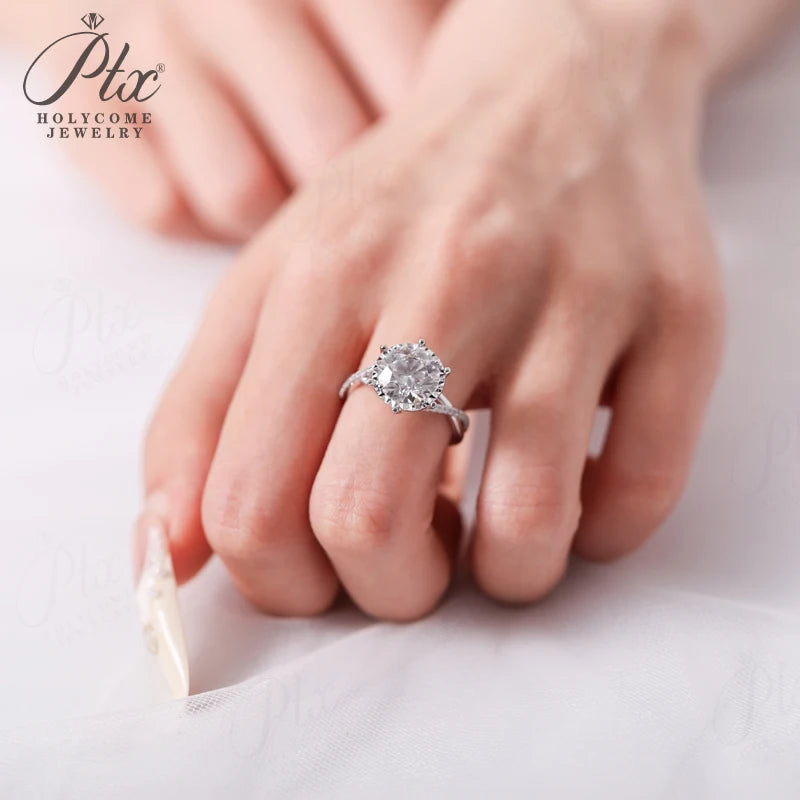
Where the grade does matter is solitaire pendants bought as engagement or bridal pieces, where the customer is comparing the stone mentally to a diamond and will look closely. In that context, a colorless VVS stone is worth the premium, because the emotional stakes are high and the piece is examined carefully. We explain the color tiers in colorless vs near-colorless moissanite, and the rule is simple: save the premium grade for the pieces customers will inspect, and use the value grade for the everyday pendants they will wear and forget to compare.
Weight, Shipping, and the Cost of Bigger Stones
A larger stone does not only raise the stone cost; it raises the whole piece's weight, and weight quietly compounds. A heavier pendant needs a heavier bail, a sturdier chain, and a slightly more robust mounting, all of which add metal. Heavier pieces also cost more to ship, both because of the actual weight and because a pendant that feels substantial is more likely to be insured for its value. For a direct-to-consumer brand, these pennies add up across thousands of orders. We help model the full landed bill in import duty and landed cost, and the pendant diameter is one of the variables that moves that bill.
The flip side is that weight also sells. A pendant that feels solid and good in the hand justifies a higher retail price than one that feels insubstantial, even if the stone is the same. There is a balance to strike: too light and it feels cheap, too heavy and it costs too much to ship and pulls uncomfortably on the neck. We tune the mounting weight to the stone size so the piece feels right without wasting metal, which is the same optimization we describe for rings in weight and material cost balance.
The Trap of Oversized Fashion Pendants
One mistake we see repeatedly is the buyer who sees a large, bold, statement pendant at a trade show and falls in love with it, then orders a big stock of it for a market that mostly buys everyday jewelry. Statement pendants photograph wonderfully and feel exciting to buy, but they are a slow-moving niche. They work as a small premium assortment that gives your catalog a wow factor, but they should not be the backbone of your inventory. The buyers who stay in business stock the everyday sizes in depth and treat the large sizes as seasoning, not as the main course.
This is not to say statement pendants are bad. A well-chosen large pendant can be your most talked-about product and can pull customers into your store who then buy a small everyday piece. The value is in the mix. We help brands set that mix based on their channel and their customer profile, because an online audience that loves bold fashion can carry a higher ratio of statement pieces than a conservative bridal boutique. The principle, from what wholesale buyers should stock, is to let data drive the size ratio, not emotion.
How Pendant Size Drives Your Margin
Beyond what the customer sees, the pendant size quietly shapes your margin, and this is where factory experience pays off. Entry-sized pendants have a lower absolute margin in dollars but a high margin in percentage terms, because the mounting and chain costs are spread over an affordable stone. Large statement pendants have a higher absolute dollar margin per piece, but they sell more slowly and tie up more capital per unit. A healthy necklace line mixes both: the affordable sizes pay the overhead and keep the cash turning, while the large sizes deliver the profit per sale that makes the line genuinely worth running. Getting this balance wrong is the difference between a busy store and a profitable one.
We see brands that stack everything on the largest, highest-margin pendants, then wonder why the cash flow stalls. Conversely, brands that only stock the cheapest pendants compete on price and give away the margin they could have earned. The manufacturers who thrive offer the full size ladder, using the everyday sizes as the volume engine and the larger sizes as the profit engine. We help you build that ladder when you start a collection, because the size tiers you choose on day one become the skeleton of your catalog for years. You can read more about this margin thinking in retail margin strategies, and the logic transfers directly to pendants.
Layering Several Small Stones Instead of One Big One
A final value strategy worth knowing is the layered necklace set. Instead of buying one large pendant, many modern customers buy two or three small pendants at different chain lengths and wear them together. This is excellent news for a wholesale buyer, because three small pendants carry a combined price and margin that often beats one large statement piece, while costing less in stone waste and sitting comfortably in everyday fashion. Small pendants also have a gentler rejection rate in cutting, so the factory cost per piece stays predictable. If your audience skews young and trend-led, a layering set of small stones may outsell any single large pendant, and we explain that trend in layering necklaces.
Frequently Asked Questions
What pendant size looks best for everyday wear? A 6 to 7 millimeter round on a 45 centimeter chain. It is visible, sparkling, and appropriate for almost every setting without looking overdone.
Does a bigger moissanite pendant always cost more? Usually yes, and disproportionately so, because larger stones waste more rough and reject more during cutting. The jump from 6.5 to 8 millimeters costs more than the visual jump alone suggests.
Can an oval look bigger than a round? Yes. An elongated oval spreads light and area across the neckline, so it reads larger than a round of the same diameter. It is a good way to get presence without paying for a bigger stone.
Should I stock only the most popular size? No. Lead with the bestseller for turnover, but keep smaller sizes for layering and one or two large sizes for statement sales. A balanced range serves more customers.
Is a colorless grade worth paying extra for on an everyday pendant? Usually not. At neck distance, near-colorless is indistinguishable, and the saving is better spent on the chain and mounting. Reserve colorless VVS for bridal and close-view solitaires.
What diameter matches a one-carat diamond? A round 6.5 millimeter moissanite is the closest visual equivalent to a one-carat diamond. Around 8 millimeters reads as 1.5 carats, and 9 millimeters as two carats.
Buy the Size That Fits the Wearer, Not the Ego
The biggest value mistake in pendant buying is treating size as a status contest. The right size is the one that suits the customer's neckline, her daily life, and her budget, and that is almost always in the modest everyday range rather than the maximum the quote allows. When you match size to the wearer, your pendants get worn, complimented, and reordered, which is the real measure of a successful jewelry line.
We cut and set moissanite pendants in Wuzhou, China, and we can show you the size tiers that sell in your market before you commit. If you want a size-matched assortment built around your price point, reach our team at service@holycome.com, and we will send a sample kit of the best-selling diameters so you can feel the difference before you commit to a full order. Browse our guides on wholesale necklaces and moissanite cutting styles to plan a collection that fits every neck and every budget, and we will help you place the first order with confidence.