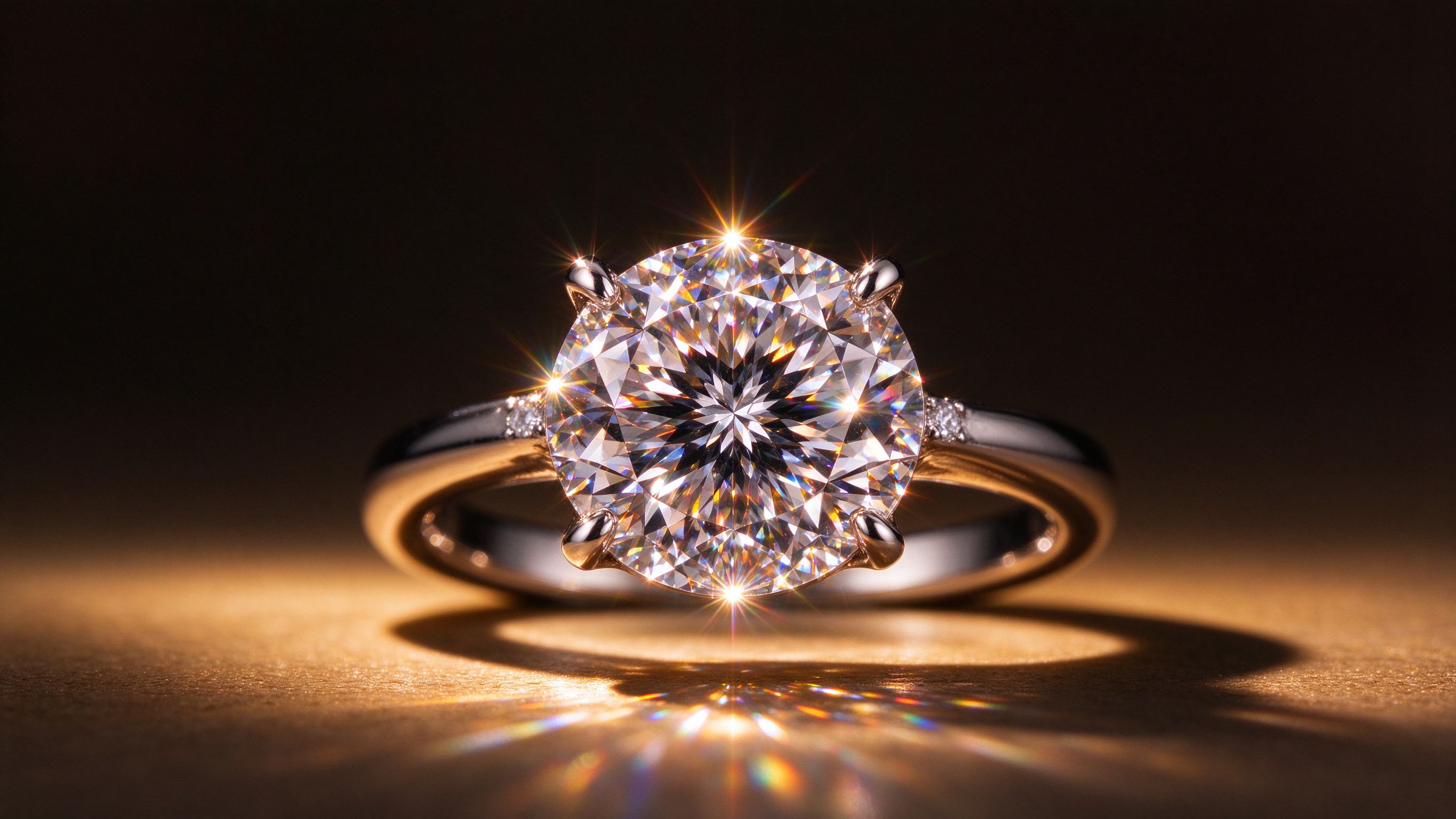
CVD vs HPHT Lab Grown Diamonds: Which Should You Stock?
A retailer buying lab grown diamonds hears two letters thrown around: CVD and HPHT. She knows these are the two ways lab diamonds are made, but she is not sure which she should stock. Does it matter? Will her customers care? The answer is that while both produce real diamond, they have different characteristics, costs, and best uses. Understanding the difference helps a retailer stock the right stones for her market. We grow and supply lab diamonds using both methods from Hengang, Longgang, Shenzhen, and we help our partners choose between them. This guide explains what CVD and HPHT are, how they differ, which sells best, and how to stock both without overcomplicating your offer.
HPHT stands for high pressure, high temperature. It is the older method, recreating the conditions deep in the earth that grow natural diamonds, using a press, a carbon source, and a diamond seed. CVD stands for chemical vapor deposition. It is a newer method, growing a diamond layer by layer from a carbon-rich gas in a chamber. Both produce real, crystalline diamond. The difference is the process, and it leads to small differences in the resulting stones. We explain both in our article on how lab diamonds are made, where the two methods are broken down.
For the retailer, the practical question is not which method is "better," but which stones serve customers and sell at a good margin. Both methods produce graded, beautiful diamonds. The customer usually cannot tell which method grew her stone, and she usually does not care. What she cares about is the look, the grade, and the price. The retailer's job is to stock stones that meet those at a good cost. We discuss the stocking decision in our article on what to stock, where the method is a means to an end.
How the Two Methods Differ
HPHT grows diamond under immense pressure and heat, often producing stones that can be on the whiter side, and it has historically been associated with certain shapes and sizes. It is a proven, mature method. CVD grows diamond in a vacuum chamber from carbon gas, layer by layer, and it has become the dominant method for high-quality, color-controlled stones. Modern CVD can produce very clean, well-colored diamonds. Both methods have advanced, and the old stereotypes about which is better have faded. We discuss the process in our article on growth methods, where both are explained.
The stones from both methods are real diamond, graded by the same labs. A CVD diamond and an HPHT diamond are both graded for color, clarity, and cut by IGI or similar labs. To the customer wearing the ring, they look the same. The growth method is noted on some reports, but it does not change the diamond's beauty or durability. We discuss the grading in our article on certification, where both methods are graded the same way.
The cost structure differs. Depending on the year and the production, one method may be more cost-effective for certain sizes and grades than the other. A smart supplier, like us, uses whichever method produces the best stone at the best cost for each order. The retailer does not need to choose a method. She needs to choose the stones that look great and cost well, regardless of how they were grown. We discuss the cost in our article on lab diamond pricing, where the method is chosen for value.

What Customers Actually Notice
The honest answer is that customers do not usually notice the growth method. They notice the size, the shape, the sparkle, and the price. A customer buying a one-carat solitaire wants it to look bright, be a good size, and fit her budget. She does not ask whether it was CVD or HPHT. This means the retailer should not overcomplicate the sale by explaining the method unless the customer asks. Focus on the look, the grade, and the value. We discuss the customer focus in our article on explaining to customers, where the method is rarely the question.
If a customer does ask, explain it simply. Say: "Lab diamonds are grown by one of two methods, both producing real diamond. We source the best stones from whichever method gives us the color and clarity you want. The result is the same beautiful diamond." This honest, simple answer reassures without over-technical detail. We give our partners this plain script, because the method question is rare and easy to answer. You can read about the plain answer in our article on simple explanation.
The grading report may note the growth method, and that is fine. Some customers like to see the details. The report is a document of transparency, and it shows the stone was properly assessed. We provide the report with every stone, method noted, so the customer has the full picture. You can read about the transparent report in our article on transparent grading, where the method is recorded.
| Factor | CVD | HPHT |
|---|---|---|
| Process | Gas chamber, layer by layer | Pressure and heat press |
| Stone type | Real diamond | Real diamond |
| Customer notice | Rarely | Rarely |
| Best stocked for | Well-colored, clean stones | Mature, proven growth |
| Grading | Same labs, same standards | Same labs, same standards |
Which Stones to Stock
The practical stocking answer is to stock by the stone, not the method. Choose the stones that look bright, are well-graded, and cost well, whether they came from CVD or HPHT. A one-carat round that is clean and near-colorless, at a good cost, is a fast seller, regardless of how it was grown. We select stones this way for our partners, picking the best-looking, best-priced stones from our production. You can read about the stone-first approach in our article on turnover, where the stone sells, not the method.
That said, modern CVD has become a major source of high-quality, color-controlled stones, especially in the popular sizes. If you are building a range of well-colored, bright one-carat stones, a good share will be CVD-grown. HPHT remains a proven method for certain sizes and stones. A supplier who offers both can match the method to the stone. We grow using both, so we can offer the best of each. You can read about our dual production in our article on our process, where both methods serve the order.
Do not pay a premium for one method over the other, unless there is a clear, visible reason. Customers do not pay more for a CVD stone versus an HPHT stone, because they cannot tell them apart and do not care. Price the stones by their size, shape, color, and clarity, not by the growth method. We discuss the pricing logic in our article on stone pricing, where the grade sets the price.
Keeping It Simple for the Customer
The biggest mistake a retailer can make is over-explaining CVD and HPHT to a customer who just wants a beautiful ring. Too much technical detail confuses her and plants doubt. Keep the focus on the diamond: the size, the sparkle, the grade, the value. Mention the growth method only if she asks. We train our partners to lead with the look and the value, not the process. You can read about the simple sale in our article on simple selling, where the customer buys the diamond, not the method.
Trust your supplier. A reliable supplier sources good stones by whichever method produces them, inspects them, and backs them with a grading report. You do not need to become a growth-method expert. You need a supplier who sends you clean, bright, well-graded stones at a good cost. We work to be that supplier, selecting the best stones from both methods. You can read about trusting the supplier in our article on choosing a supplier, where the result matters more than the process.
CVD and HPHT are two ways to grow real diamonds, and both produce graded, beautiful stones that customers cannot tell apart. The smart retailer stocks by the stone, not the method: choose the bright, clean, well-graded stones at a good cost, whether they grew in a gas chamber or a pressure press. Keep the sale focused on the look and the value, and mention the method only if the customer asks. That is how you stock a lab diamond range that sells, without overcomplicating it.
There is a treatment point worth knowing, because it affects which stones you stock and how you talk about them. Both CVD and HPHT stones are sometimes treated after growth, to improve color or clarity, and the grading lab will note those treatments on the report. A treated stone can still be a fine, affordable piece, but it is not the same as an untreated one, and the customer should know. This is where trusting your supplier matters more than understanding the growth chemistry. We disclose treatments on every stone we supply, so the retailer can be honest with the customer. You can read about treatment disclosure in our article on color and clarity, where the treatment is recorded. A customer who buys an untreated, clearly reported stone gets a more reliable piece than one who buys an unmarked treated stone at the same price. The growth method and the treatment history are both details that belong on the report, and a retailer who sells only report-disclosed stones avoids the awkward conversations later. The point is not that treated stones are bad. It is that the customer should choose with full information, and the report is where that information lives.
The long-term trend also matters for how you think about stocking. Lab diamond production has scaled year after year, and both CVD and HPHT have become more efficient, which is why prices have fallen and the stones have gotten better. A retailer who stocked lab diamonds five years ago was buying a different product than the one on offer today. Modern production, by both methods, produces cleaner, whiter, more consistent stones at lower cost. This means the old debates about which method was better have largely been settled by better engineering on both sides. We discuss this trend in our article on market trends, where production keeps improving. The practical takeaway for the retailer is to keep refreshing her stock, because the stones available this year are better and cheaper than last year's. A stone that looked like a great buy two years ago may now be matched or beaten by a newer, cleaner stone at a lower price. Do not stock up on a huge pile and sit on it. Keep the inventory turning, so the stones you sell are the current, well-produced ones. That is the safest way to sell lab diamonds in a market that keeps getting better and cheaper, and it is why we recommend a light, turning stock over a deep, static pile. Whether the stone grew by CVD or HPHT, the fresher, better-produced, honestly reported stone is the one your customer will be happiest wearing.
If you are asked to go a little deeper with a knowledgeable customer, the honest position is that both methods have matured, and the old reputations have mostly faded. Early lab diamonds, whether CVD or HPHT, sometimes showed visible growth features or needed heavy treatment to look their best. Today, modern production on both sides produces clean, well-colored stones that are graded and sold on their own merits. The customer does not need to choose a method. She needs to choose a stone that looks right on her hand at a price she is happy with. We say this plainly, because repeating outdated myths about one method being inferior only confuses people. A well-selected modern CVD stone can outshine a poorly chosen HPHT stone, and vice versa. The grade on the report is what matters, not the acronym on the origin line. This is the message that builds trust, because it does not oversell or undersell either process. It simply tells the customer the truth: we grow them well, grade them honestly, and let the stone speak for itself.
There is also a stocking angle that follows from this. Because the two methods converge in quality, a retailer does not need to tie herself to one producer or one process. She should source from a supplier who is free to choose the best-growing method for each order, rather than one limited to a single technology. That flexibility is what lets the supplier offer the customer the right stone at the right price, whether that means a clean CVD one-carat or a well-grown HPHT fancy shape. We keep both production paths open precisely so that we are never forced to push a method that is not the best fit for a given size, color, or budget. For the retailer, this means she is not locked into a single product line. She gets the best of both worlds, chosen order by order. That flexibility is worth more than any loyalty to one method, and it is why a supplier with both CVD and HPHT capacity is the more reliable long-term partner for a lab diamond range.
If a customer asks which method is more ethical or more sustainable, the honest answer is that both are far less disruptive than mining, and neither is meaningfully greener than the other in a way the buyer can act on. Both use energy in a controlled setting, and neither involves excavation, land disturbance, or the ethical concerns attached to mined stones. We do not overclaim sustainability, because exaggerated green marketing tends to backfire. The simple truth is that a lab diamond, however it is grown, avoids the environmental and ethical footprint of mining, and that is enough. A retailer who says this plainly, without pretending one chamber is carbon-neutral and the other is not, is the retailer the customer trusts. The growth method is an engineering detail. The ethical advantage of choosing lab over mined is the real story, and that story holds for both CVD and HPHT alike.
When it comes to pricing, a supplier with both methods in production can usually offer a better value than one locked to a single process, because the supplier chooses the most efficient method for each stone. A retailer who sources from a one-method producer is sometimes paying a little more, because that producer cannot switch when one process becomes cheaper or yields better. We keep both lines running precisely so that we are never forced to push a stone that is not the best value. For the retailer, this means the stones you buy from us are already optimized for quality and cost, and you do not need to be an expert in crystal growth to get a good deal. Trust the supplier to pick the method, and focus your energy on the customer, the setting, and the sale. That division of labor is what lets a small store compete with the big chains on lab diamonds without becoming a technical laboratory herself.
At the end of the day, the customer buys a diamond, not a process. She buys the way it looks on her hand, the confidence that it is real, and the value for her budget. Whether it grew in a chamber or a press is a detail she will never need to worry about, and neither should you. Choose a supplier who handles that choice behind the scenes, and put your energy where it matters: with the customer. The best lab diamond retailers do not become amateur metallurgists. They become expert guides, and they leave the growth science to the factory. That division of labor is what lets a small store offer a sophisticated lab diamond range without the overhead of understanding every technical line on the report. Your customer does not care how it grew. She cares that it is beautiful, honest, and fairly priced, and that is entirely within your control.
Let the supplier worry about the chamber and the press. Your job is to match the right stone to the right customer, and a well-chosen, honestly reported lab diamond does that whether it grew by CVD or by HPHT. The customer never sees the difference, and she never needs to.
The method is a means to an end. The end is a beautiful, honest, well-graded diamond that the customer loves to wear, and a supplier with both CVD and HPHT capacity will choose the best route to that end for every order. You do not need to understand the chamber to sell the result.
Frequently Asked Questions
What is the difference between CVD and HPHT? CVD grows diamond in a gas chamber; HPHT grows it under pressure and heat. Both produce real diamond.
Can customers tell which method grew their diamond? No. To the eye and on the hand, both look identical. The customer usually does not know or care.
Which should I stock? Stock by the stone, not the method. Choose bright, well-graded stones at a good cost, whichever method produced them.
Should I explain the method to customers? Only if they ask. Keep the sale focused on the look, grade, and value.
Is one method more expensive? Pricing is set by size, shape, color, and clarity, not by growth method. Do not pay a method premium.
CVD and HPHT are the two methods of growing real lab diamonds, and customers cannot tell them apart. Stock by the stone rather than the method: choose bright, clean, well-graded diamonds at a good cost. Keep the sale on the look and value, and explain the method only if the customer asks.
We are a lab grown diamond supplier in Hengang, Longgang, Shenzhen, growing stones by both CVD and HPHT and selecting the best-graded, best-priced stones for our retail partners. If you want our current stock or wholesale pricing, email service@holycome.com and we will send details. You can also read our guide to how lab diamonds are made and our notes on certification.