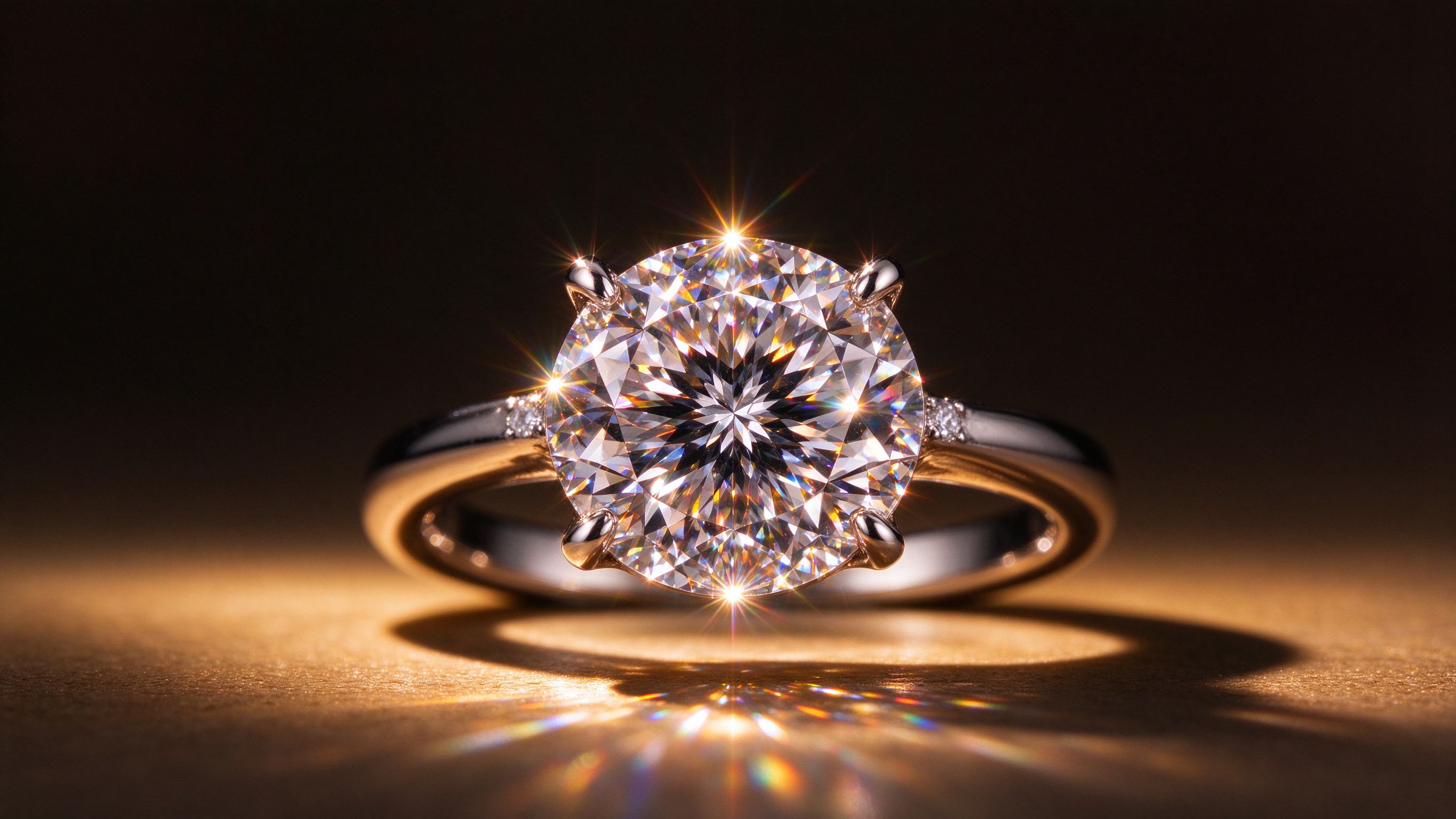
Lab Grown Diamond Sample Programs: Offer Stock Without Tying Up Cash
A small jewelry store wants to add lab grown diamonds, but the owner hesitates. She knows that holding a full lab diamond inventory would tie up thousands of dollars, and she is not sure how many she will sell. She wants to offer lab diamonds, but not at the risk of a big inventory bet. This is exactly the problem that a sample stone program solves. Instead of stocking every stone, she keeps a few sample stones in the case, shows customers what lab diamonds look and feel like, and orders the specific stone when a customer buys. The sample does the selling, and the supplier does the inventory. We run sample programs for retailers from Hengang, Longgang, Shenzhen, and they let small and mid-sized stores offer lab diamonds without the cash risk. This guide explains how sample programs work, what to keep, and why they are the lowest-risk way to enter lab diamonds.
A sample program is simple. The supplier provides a set of demonstration stones, usually in the most popular sizes and shapes, at a low or refundable cost. The retailer puts these samples in the display case. When a customer wants to buy, she tries on the sample to see the size and look, then picks her exact grade and size. The supplier ships the chosen stone, the retailer sets it, and the customer leaves with her ring. The retailer holds samples, not a full inventory. We discuss the inventory approach in our article on lab diamond turnover, and the sample program is the lightest version.
The appeal for a small retailer is obvious. She can offer lab diamonds, the fastest-growing category, without tying up her cash in stones that may sit. The samples cost a fraction of a full inventory, and they are often refundable against future orders. This de-risks entering the category. She can test lab diamonds with her customers, and scale up only if they sell. We discuss the low-risk entry in our article on entering lab, where the sample program is the foot in the door.
What a Sample Set Includes
A good sample set covers the sizes and shapes customers actually ask for. It includes a one-carat round, the entry engagement size. It includes a one-carat oval, the most popular fancy shape. It may include a one-and-a-half-carat round, the upgrade size, and an emerald or cushion sample. The samples show the range, so the customer can try on a one-carat round, a one-carat oval, and a larger stone, to feel the sizes. We assemble sample sets around the popular sizes, because those are what customers want to see. You can read about the sample range in our article on sizes that sell, where the samples match the demand.
The samples are often real lab diamonds, not simulants. This matters, because a customer wants to see the real thing. A real one-carat lab diamond in the case shows the brilliance, the size, and the look. The customer tries it on, and she sees exactly what she will get. A simulant sample would mislead her. We use real lab diamonds in our sample sets, so the try-on is honest. You can read about the real samples in our article on real lab vs simulant, where the honest sample sells.
The sample set also includes the educational materials: a lab diamond brochure, a card explaining CVD and HPHT, and a comparison guide. The customer who tries the sample also learns what a lab diamond is. This education closes the sale, because the customer understands what she is buying. We provide the education materials with our sample sets, because we know the informed customer buys. You can read about the education in our article on how lab diamonds are made, where the brochure answers the questions.
How the Order Works After the Sample
When a customer picks a stone, the retailer orders the exact stone from the supplier. The customer chooses the carat, color, clarity, and shape, and the supplier ships a matching stone with a grading report. The retailer sets it and delivers the ring. The whole process takes a short lead time, often a week or two. The customer gets the exact stone she wants, and the retailer holds no inventory. We discuss the order process in our article on order to delivery, where the sample leads to the order.
The retailer makes the margin on the stone and the setting. Even though she did not stock the stone, she marks it up from the supplier's wholesale price. The sample program does not reduce her margin. It just reduces her inventory risk. She earns the same margin per stone, without the cash tied up. This is the beauty of the model. You get the margin of a lab diamond sale, without the inventory cost. We explain the margin in our article on lab diamond margin, where the sample program earns the same spread.
The customer benefits too. She gets to choose from the full range of sizes and grades, not just what the store happened to stock. A store with samples can offer any carat, any grade, any shape, because it orders to demand. The customer is not limited to the shelf. She gets exactly what she wants. This is a better experience than the limited selection of a fully-stocked small store. You can read about the customer benefit in our article on selling to demand, where the order gives the customer the full range.
| Step | What Happens |
|---|---|
| 1. Sample | Customer tries real sample stones in the case |
| 2. Choose | Customer picks carat, shape, color, clarity |
| 3. Order | Retailer orders the exact stone from supplier |
| 4. Set | Stone arrives, retailer sets it in the chosen ring |
| 5. Deliver | Customer leaves with her finished ring |
Why the Sample Program De-Risks the Lab Diamond Move
The biggest risk of entering lab diamonds is overbuying inventory that does not sell. The sample program removes that risk. You spend a small amount on samples, and you find out whether your customers want lab diamonds. If they do, you scale up with confidence. If they do not, you are out only the small sample cost, not a warehouse of stones. This low-risk test is how a cautious retailer enters a category without betting the business. We discuss the risk in our article on entering the market, where the sample test is the safe move.
The sample program also lets the retailer learn the category without pressure. She shows the samples, answers questions, and watches which sizes and shapes her customers prefer. Over a few months, she learns her market: do they want one-carat rounds, or ovals? Then she can stock a little inventory in the sizes that actually sell. The samples teach her what to stock, turning a guess into data. We help our partners use their sample experience to plan their first real inventory. You can read about the learning in our article on learning what sells, where the samples guide the stocking.
For a retailer with limited cash, the sample program is the only realistic way to offer lab diamonds. A full inventory is out of reach. A sample set is affordable. This means the small store can compete in the lab diamond category, not just the big chains. The sample program levels the playing field. We make sample programs affordable for small stores, because we want every retailer to offer lab diamonds. You can read about the accessible entry in our article on small store lab, where the sample set opens the category.
Making the Sample Program Work
To make the program work, keep the samples clean and bright. A dusty sample in a dark case does not sell. Keep the samples lit, clean, and displayed at eye level. The customer should see the sparkle when she walks in. We send display stands with our sample sets, because we know the lighting sells. You can read about the display in our article on sample display, where the lit case sells.
Train the sales staff on lab diamonds. When a customer tries the sample, the staff should explain what a lab diamond is, how it compares to mined, and the value. The sample and the explanation together close the sale. We provide staff training materials with our sample sets, because we know the staff sells the diamond, not just the stone. You can read about the training in our article on sales training, where the staff turns the try-on into the sale.
The sample program is the lowest-risk way to offer lab diamonds. You keep a few real samples, show customers what the stones look and feel like, and order the exact stone when they buy. No big inventory, no dead stock, no cash tied up. You learn what your customers want, and you scale up only when the sales come. For a small or cautious retailer, this is how you enter the fastest-growing jewelry category without betting the business. We make sample sets affordable, refundable, and ready to display, so you can start selling lab diamonds this month.
There is a lead-time question that every customer asks, and the sample program has to answer it honestly. When a customer tries the one-carat round sample and falls in love, she wants to know when she can walk out with the ring. The honest answer is that the exact stone will be ordered, set, and ready in a short lead time, usually a week or two. This wait is not a problem for most engagement-ring customers, because they are used to waiting for the perfect ring. But it is important to set the expectation clearly at the try-on, so the customer is not surprised. We tell our partners to be upfront about the lead time, and to frame it as the cost of getting exactly the stone she wants. You can read about setting expectations in our article on managing the wait, where honesty about the lead time prevents disappointment. A customer who knows she is waiting two weeks for her exact oval, in her exact grade, is happy to wait. A customer who expected to leave with the ring that day and then hears about the wait feels misled. The sample program works best when the staff explains the order process up front, before the customer falls in love with the sample.
Over time, the sample program naturally graduates into a light inventory. Once a retailer has sold a few one-carat rounds through the order process, she notices that this size reorders again and again. At that point, it makes sense to keep one or two of those fast-moving stones in the case, so she can sell them immediately on the busy days. The samples have done their job of teaching her what sells, and now she stocks the proven fast sizes while keeping the slower shapes as order-only. This is the graceful path from sample program to a real lab diamond line, without ever making a risky bet. We help our partners make this transition, reviewing their order history each quarter and suggesting which sizes to start stocking. You can read about the graduation in our article on growing the line, where the sample sales become the stocking plan. The retailer never has to guess what to buy first. The sample program shows her, stone by stone, as her customers choose. That data-driven growth is far safer than loading up on inventory based on a trend article, and it is why the sample program is the smartest first move for any store that is serious about lab diamonds but cautious about its cash.
A sample program also changes how a staffed store spends its time. Instead of tying up cash in stones that may or may not sell, the team spends its energy learning customers and showing them what is possible. The sample case becomes a conversation starter rather than a warehouse. A couple trying on a one-carat oval sample, then a one-and-a-half round, starts talking about what she actually wants, and the salesperson guides them to the exact order. That consultative sale is worth more than pushing a boxed stock piece, because the customer feels she was advised rather than sold to. We see this in our partner stores: the ones who use the samples as a discussion tool close more, at better margins, than the ones who simply keep a crowded case. The sample is not a compromise. It is a better way to sell, because it lets the staff focus on the customer rather than on clearing inventory.
For a retailer who is worried about looking small, the sample model also lets her offer a range that would normally belong to a much bigger store. A customer who wants a two-carat emerald can see a sample, try it, and order her exact stone. Without the sample approach, a small store could not honestly offer that size at all. With it, she competes with the large chains on range, while holding a fraction of the inventory. This is especially powerful for boutique jewelers who want to offer lab diamonds without the capital burden. The sample set is the great equalizer. We price it to be accessible, because we want every jeweler, large or small, to be able to enter the lab diamond market. Over time, as a store's confidence and sales grow, she can graduate from samples to light stock in the proven fast sizes, but she never has to make a risky leap. The sample program meets her where she is.
For the retailer, the sample program also makes pricing simpler. Because you order the exact stone to demand, you can quote the customer a firm price based on her chosen grade, without worrying about whether you priced the shelf stock correctly months ago. There is no stale inventory priced at an old cost. Every sale is priced at today's wholesale, so the margin stays clean and current. This is especially valuable in lab diamonds, where prices move over time. A retailer holding old stock has to either sell below the new market price or watch the stone sit. The sample-and-order retailer always buys at the current price and sells at the current price, which keeps the margin healthy and avoids awkward discounting. We discuss the price trend in another article, but the practical point here is that ordering to demand protects you from the falling-price trap. You are never stuck holding a stone you bought at a price the market has since moved below.
The display of the samples also tells customers what is possible, which is its own quiet marketing. A case with a few beautifully lit lab diamonds signals that this store takes lab diamonds seriously, even if the full range is ordered. A customer who walks past a case with no lab diamonds assumes the store does not sell them. A customer who sees even a small sample display knows she can ask. The samples are therefore a way to advertise the category without a big investment, and they generate inquiries that turn into orders. We give our partners advice on lighting and stands for this reason, because a well-lit sample display pulls in customers who did not know they were interested. The sample does not just help the customer who came in asking. It creates the customer who walks in curious. That curiosity, once awakened, is where the lab diamond business grows.
For a brand-new store that has never sold lab diamonds, the sample program is also the lowest-pressure way to learn the category. You can show customers, answer questions, and place orders without committing to a single size or style that might not work. Over the first few months, the orders themselves tell you what to stock next. There is no guesswork, no boardroom bet on what the market wants. The market tells you, one order at a time. That is a far safer way to grow than loading up on inventory based on a trend article. We have watched small retailers go from a single sample set to a full lab diamond case in under a year, and every step was guided by actual sales. The sample program meets you where you are, grows at your pace, and never asks you to risk more than you are comfortable with. That is why it is the ideal entry point, and why we recommend it to every cautious retailer.
Frequently Asked Questions
What is a lab diamond sample program? A supplier provides demonstration stones to display, and the retailer orders the exact stone when a customer buys. No full inventory.
Are the samples real lab diamonds? Yes. Real samples let the customer see and feel the actual stone she will buy.
Does the sample program reduce my margin? No. You still earn the wholesale-to-retail margin. You just avoid the inventory cost.
What if lab diamonds do not sell? You are out only the small sample cost, not a full inventory. The program is low-risk.
How does the customer get her stone? After she tries the sample, she picks her exact grade, and the supplier ships a matching stone with a grading report.
A lab diamond sample program lets a retailer offer the full lab diamond range without holding a full inventory. Real sample stones in the case let customers try on sizes and shapes, then order their exact stone to demand. It is the lowest-risk way to enter the category, with the same margin and none of the dead-stock risk.
We are a lab grown diamond supplier in Hengang, Longgang, Shenzhen, offering affordable, display-ready sample sets with grading reports and staff training materials. If you want a sample set or wholesale pricing, email service@holycome.com and we will send details. You can also read our guide to what to stock and our notes on inventory turnover.