Lab Grown Diamond Appraisals and Insurance: What Retailers Should Know
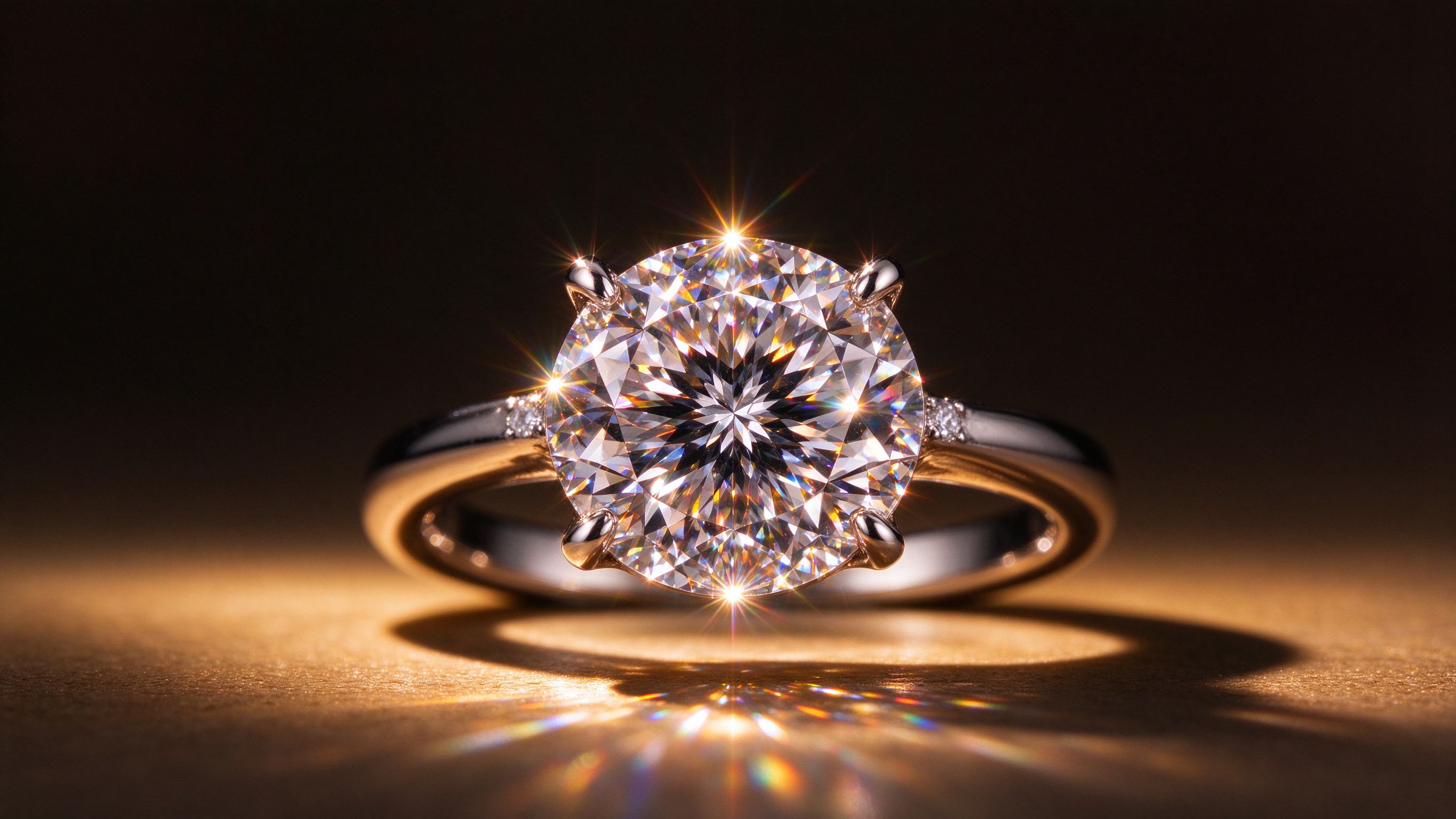
A customer buys a lab grown diamond engagement ring and asks, "can I insure this?" The salesperson pauses, because they have heard that lab diamonds hold little resale value, and they are not sure what the insurance company will say. This is a common moment of uncertainty. The truth is that lab grown diamonds can be insured, just like mined diamonds, but the appraisal has to be done right, and the customer needs to understand what the insurance covers. An appraisal is not just a piece of paper. It is the document that establishes the ring's value for insurance, and it is part of the sale that builds trust. We supply lab grown diamonds to retailers in Hengang, Longgang, Shenzhen, and we help our partners provide the documentation customers need. This guide explains how appraisals and insurance work for lab diamonds, what retailers should provide, and how to answer the customer's questions confidently.
An appraisal is a document that states what the piece is worth, based on the retail replacement value. For insurance, the insurer uses the appraisal to decide how much to pay if the ring is lost or stolen. A lab diamond ring, like any jewelry, can be added to a homeowner's or renter's insurance policy, or to a separate jewelry policy. The appraisal gives the insurer a value to work with. The key is that the appraisal should reflect the actual retail replacement value, not the wholesale cost, and not an inflated number. We discuss the value question in our article on lab diamond value, and the appraisal is the formal version of that value.
The reason retailers should care is that the customer who can insure her ring is more confident buying it. She knows that if something happens, she is covered. That confidence closes the sale. A retailer that offers a clear appraisal, and can explain how insurance works, removes the customer's worry. A retailer that cannot answer the insurance question leaves the customer uncertain. We help our partners provide the right documentation, because we know the appraisal is part of the product. You can read about the selling side in our article on selling lab diamonds, where the insurance answer closes the deal.
What an Appraisal Actually States
A good appraisal lists the details of the piece: the metal, the setting, and the diamond itself. For the diamond, it lists the carat weight, the color grade, the clarity grade, the cut, and the certification lab, like IGI. It then states the retail replacement value, which is what it would cost to replace the ring at retail. This is the number the insurer uses. The appraisal should be signed by a qualified jeweler or appraiser, and it should describe the piece accurately. We provide the diamond grading report from the certifying lab, which the appraiser uses to write the appraisal. You can read about the certification in our article on lab diamond certification, where the report feeds the appraisal.
The appraisal should not overstate the value. Some retailers inflate the appraisal, so the customer feels she got a deal. But an inflated appraisal causes problems. The insurer charges a premium based on the value, so the customer pays more. And if the ring is lost, the insurer may pay the appraisal value, but they may also investigate and find the true replacement cost. Honest appraisals, at the real retail replacement value, are the right practice. We recommend our partners appraise at the true retail value, because honest appraisals build long-term trust. You can read about honest valuation in our article on lab diamond value, where the honest number is the right number.
For a lab diamond, the appraisal should note that the diamond is lab grown. The insurer needs to know, because lab diamonds are valued differently than mined ones. The retail replacement value of a lab diamond is based on what a comparable lab diamond costs at retail, not on mined diamond prices. This is the honest approach. An appraisal that values a lab diamond as if it were mined is misleading. We recommend our partners state clearly that the diamond is lab grown, and value it at the lab diamond retail price. You can read about the lab vs mined value in our article on lab vs mined, where the valuation reflects the real market.
How Insurance Actually Covers the Ring
Jewelry insurance works like this. The customer adds the ring to her homeowner's or renter's policy, or buys a separate jewelry policy, and pays an annual premium based on the ring's value. If the ring is lost, stolen, or damaged, the insurer pays the replacement value, minus a deductible. The appraisal establishes that value. The customer usually needs a recent appraisal, because values change. We tell our customers to keep the appraisal updated, so the coverage matches the current replacement cost. You can read about the insurance process in our article on insurance and value, where the appraisal is the starting point.
There is a difference between insurance and resale. Insurance covers loss, and it pays the retail replacement value. Resale, by contrast, is what the customer gets if she sells the ring, and lab diamonds have a limited resale market. These are two different things, and customers often confuse them. We explain the difference. Insurance is peace of mind against loss, and it works. Resale value is limited, and that is a separate matter. A customer who understands the difference buys with confidence, knowing her ring is covered if lost, without expecting it to be an investment. You can read about the resale reality in our article on resale value, where the distinction matters.
The customer should also keep the grading report and the appraisal in a safe place. If the ring is lost, the grading report helps identify the replacement diamond, because it lists the laser inscription number. The appraisal establishes the value. These documents are the insurance claim. We give our partners the grading report with every lab diamond, so the customer has the documentation she needs. A retailer who hands over the grading report and explains the appraisal process is a retailer the customer trusts. You can read about the documentation in our article on grading reports, where the paper is part of the sale.
| Question | Answer |
|---|---|
| Can I insure a lab diamond? | Yes, like any jewelry, with an appraisal. |
| What does insurance pay? | The retail replacement value if lost or stolen. |
| Is lab diamond insurance expensive? | Premiums are based on value, modest for most rings. |
| What is the appraisal based on? | The real retail replacement cost of a comparable lab diamond. |
| Do I keep the grading report? | Yes, it identifies the diamond for a claim. |
What Retailers Should Provide
When you sell a lab diamond ring, provide the grading report from the certifying lab, like IGI. This is the document that lists the diamond's grades and the laser inscription number. It is the foundation of the appraisal. With this report, the customer or her insurer can establish the diamond's identity and value. We include the IGI report with every lab diamond we supply. You can read about the report in our article on certification, where the paper travels with the stone.
Provide an appraisal, or direct the customer to one. Some retailers write the appraisal themselves, using the grading report. Others send the customer to an independent appraiser. Either works, as long as the appraisal is honest and recent. We recommend our partners offer an appraisal service, because it makes the purchase complete. A customer who leaves with the ring, the grading report, and an appraisal is fully covered and confident. You can read about the appraisal service in our article on selling complete, where the paperwork closes the sale.
Explain the insurance process in plain language. Tell the customer to add the ring to her homeowner's policy, or a jewelry policy, and to expect a modest annual premium based on the value. Tell her to keep the grading report and appraisal safe. This simple explanation removes the uncertainty. A customer who understands the process buys with confidence. You can read about the plain-language explanation in our article on explaining lab diamonds, where clarity builds trust.
Why Honest Appraisals Build the Brand
An honest appraisal is a trust-builder. When the customer insures the ring, and later makes a claim, the honest appraisal holds up. The insurer pays without dispute, because the value was real. The customer remembers that the retailer dealt honestly. If the appraisal was inflated, the claim gets disputed, and the customer feels let down. The honest appraisal is worth more than a inflated one, because it protects the customer in a real moment of need. We recommend honest appraisals for this reason. You can read about the trust in our article on brand trust, where honest paperwork is part of the brand.
The appraisal also differentiates you from the discount seller. A discount seller hands over the ring with no paperwork. A full-service retailer hands over the ring, the grading report, and an appraisal, and explains the insurance. The customer pays a little more for the service, but she leaves covered and confident. This service is worth a margin, because it is what the customer needs. We support our partners with the documentation, so they can offer this service. You can read about the service margin in our article on full service, where the paperwork is part of the value.
The customer who buys a lab diamond engagement ring is making an important purchase, and she wants to know it is protected. An appraisal and insurance are how you protect it. Provide the grading report, offer an honest appraisal at the real retail value, and explain how insurance works in plain language. Do that, and the customer leaves confident that her ring is covered, and she remembers the retailer who helped her. The paperwork is not an afterthought. It is part of the ring, and it is part of the trust that turns a one-time buyer into a customer for life.
There is a common misunderstanding worth clearing up, because it stops customers from insuring. Some people have heard that lab diamonds are "worthless" and assume insurance will not cover them. This confuses resale value with insurance value. Resale value is what you get if you sell the ring back, and lab diamonds do have a limited resale market. Insurance value is what it costs to replace the ring at retail if it is lost, and that is a real, payable amount. A homeowner's insurer does not care whether the diamond was grown in a lab or mined in the ground. They care what it costs to replace the ring, and a comparable lab diamond has a clear retail price. We explain this distinction plainly to customers, because once they understand that insurance covers replacement rather than resale value, the worry disappears. You can read more about the resale side in our article on resale reality, and the two ideas should never be mixed up. The ring is not an investment, but it is a possession worth insuring, and the insurer will treat it like one.
The timing of the appraisal also matters. An appraisal is a snapshot in time, and lab diamond prices have moved downward over the years. This means an appraisal from a few years ago may overstate the current replacement value, and the customer is paying a higher premium than she needs. We recommend our partners refresh the appraisal every few years, so the insured value tracks the current market. This is a small touch that saves the customer premium money and keeps the coverage accurate. When a customer comes back to have her ring cleaned, we suggest updating the appraisal at the same time. This is another reason the full-service retailer wins: not only do we sell the ring, we help the customer keep the paperwork right over the years. You can read about the long-term relationship in our article on after the sale, where the updated appraisal is a touchpoint. A retailer who remembers to refresh the appraisal is a retailer the customer trusts with her next ring, and with her friends' rings as well. That ongoing service is worth far more than the appraisal itself, because it keeps the customer walking through the door long after the original purchase.
It helps to separate three ideas that customers constantly mix together, because untangling them is most of the sale. There is the price the customer paid for the ring. There is the appraisal value the insurer uses. And there is the resale value if she ever sells it. These three numbers are not the same, and a customer who thinks they are the same will be confused or disappointed. The price she paid is what she chose to spend. The appraisal is what it would cost to replace the ring today, and that is what the insurance is based on. The resale value is what she might get if she sold it privately, which is typically much lower. Once you walk her through the difference, she stops worrying that she overpaid, because she understands she is buying a piece to wear and protect, not an asset to trade. We give our partners a simple one-page explanation of this distinction, because it answers the unspoken doubt behind many of the questions customers ask. The customer who leaves understanding the difference is a calm customer, and a calm customer buys.
Another practical point that reassures buyers is that insurance for a lab diamond is usually affordable relative to the ring, because the annual premium is a small percentage of the insured value. A customer who spent a few thousand on a ring often pays only a modest amount each year to cover it, which is a small price for the peace of mind. We mention this early in the conversation, because the fear of expensive insurance sometimes holds a customer back. Once she hears the premium is reasonable, the last objection fades. We also recommend she add the ring to her existing homeowner or renter policy rather than buying a separate one, because it is usually simpler and cheaper. The retailer does not need to become an insurance agent. She just needs to point the customer in the right direction, hand over the grading report and the appraisal, and let the customer call her insurer. That small amount of guidance is enough to close the sale, and it is another reason the full-service retailer wins over the discounter who just hands over a bag.
Another reassurance customers need is that the grading report stays with the diamond for life, not just at the moment of sale. If the ring is ever resized, cleaned, or repaired, the stone's laser inscription and report number remain unchanged, so the identity travels with the piece. This means the customer never has to worry that her diamond will lose its documentation over decades of wear. We explain this, because the worry that the paperwork will become meaningless is a quiet one. A diamond is forever, and the report that describes it is built to last just as long, because the inscription is on the stone itself. When a customer understands that her ring is identified by its own etched number, not by a loose paper that could be lost, she relaxes. The ring is self-documenting, and that is a comfort no mined-diamond buyer ever quite gets in the same way.
For the retailer, offering an appraisal is also a quiet way to add perceived value at almost no cost. You are already selling the ring. Handing the customer a short, honest appraisal alongside the grading report makes the purchase feel complete and professional, and it justifies a slightly fuller margin. The customer leaves with a ring, a report, and an appraisal, and she feels she has bought a properly documented piece, not just a loose stone from a tray. That complete package is what separates the full-service jeweler from the discounter. We provide our partners with the documentation templates to make this easy, because we know the paperwork is part of the product. A ring that arrives with its papers in order is a ring the customer trusts, and a trusting customer is the one who comes back.
Hand over the grading report and the appraisal together, and the customer has everything she needs to protect her ring for life. That complete handoff is the mark of a jeweler who treats the sale as the start, not the end, of the relationship.
Frequently Asked Questions
Can a lab grown diamond be insured? Yes. It is treated like any jewelry, and a recent appraisal establishes the value for insurance.
What value should the appraisal state? The honest retail replacement value of a comparable lab diamond, not an inflated number and not the wholesale cost.
What happens if the ring is lost? The insurer pays the replacement value, based on the appraisal, minus a deductible.
Do I need the grading report? Yes. It identifies the diamond by its laser inscription and supports the appraisal and any claim.
Does insurance mean the diamond is a good investment? No. Insurance covers loss. Lab diamonds have limited resale value, which is separate from insurance.
Lab grown diamonds can and should be insured, just like mined diamonds. The retailer provides the grading report, an honest appraisal at the real retail replacement value, and a plain explanation of how insurance works. The customer keeps the report and appraisal safe, adds the ring to her policy, and is covered if the ring is lost.
We are a lab grown diamond supplier in Hengang, Longgang, Shenzhen, providing IGI grading reports with every stone and supporting our retail partners with appraisal documentation. If you want our documentation pack or wholesale pricing, email service@holycome.com and we will send details. You can also read our guide to certification and our notes on resale value.