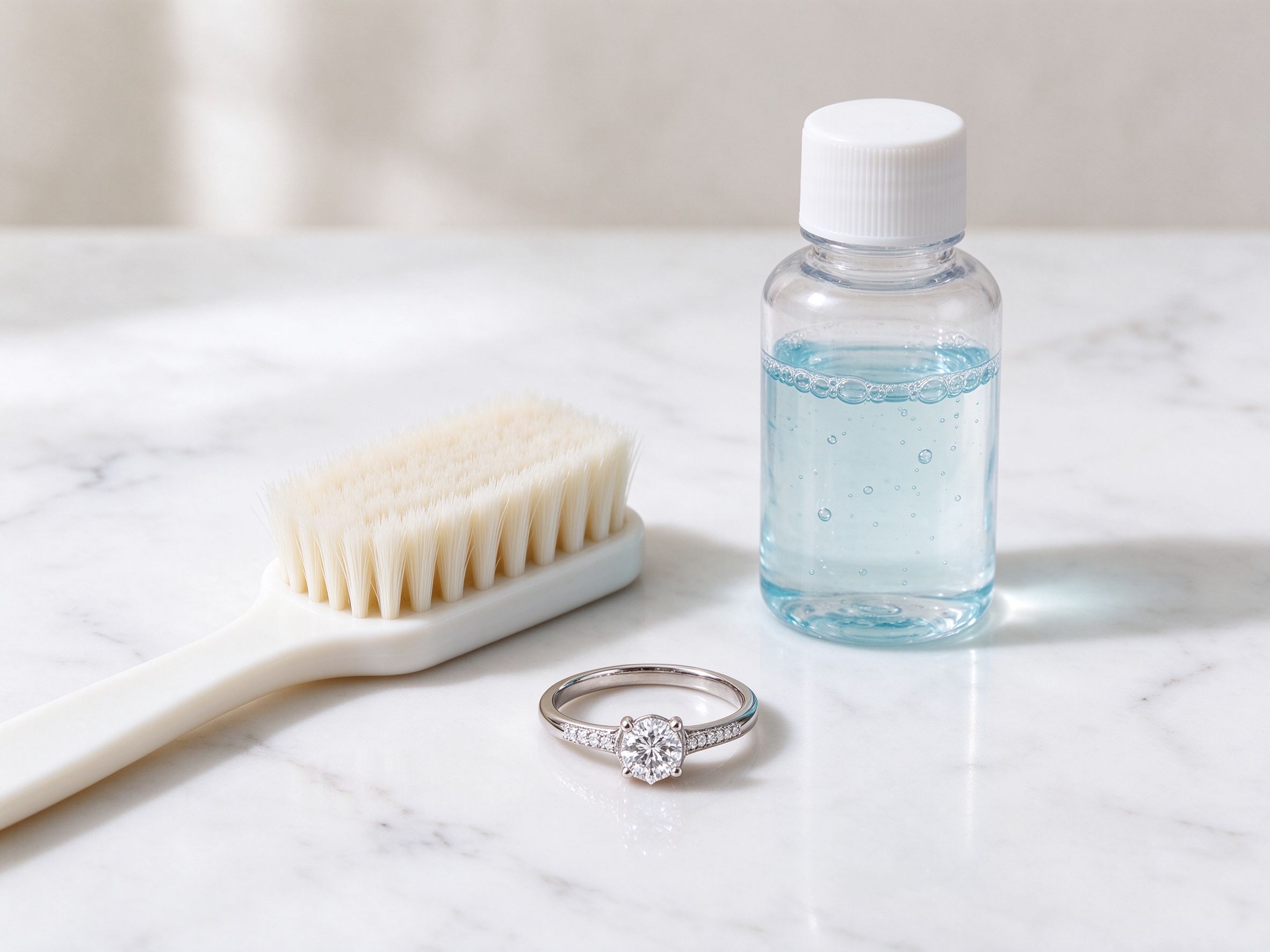
Every piece of jewelry tells a story, but that story fades quickly without proper care. Whether you run a retail boutique, an online store, or buy wholesale for resale, understanding how to maintain jewelry quality is essential for customer satisfaction and repeat business. At Holycome Jewelry, we've spent over a decade crafting moissanite and 925 sterling silver pieces in our Wuzhou factory. In this guide, we share the exact care protocols we recommend to our wholesale partners — protocols that keep jewelry looking factory-fresh for years.
Understanding Jewelry Materials and Their Care Needs
Before diving into cleaning techniques, it's crucial to understand why different materials require different care approaches. Moissanite rates 9.25 on the Mohs hardness scale, making it second only to diamond among gemstones. This exceptional hardness means moissanite resists scratches well, but it doesn't make it invincible — especially when it comes to the metal settings.
925 sterling silver, composed of 92.5% pure silver and 7.5% copper, is prized for its brilliance and affordability. However, the copper content reacts with sulfur compounds in the air, causing tarnish over time. This natural process isn't a defect — it's chemistry — and it's entirely reversible with proper care.
Understanding these material properties helps you recommend the right care products to your customers and maintain your wholesale inventory in pristine condition.
Step-by-Step Cleaning Process
Preparation: Gather your supplies before starting. You'll need a soft-bristled toothbrush, mild dish soap (free of moisturizers and antibacterials), a lint-free microfiber cloth, a bowl of warm water, and optionally a jewelry polishing cloth.
Soaking: Create a solution of warm water and a few drops of mild dish soap. Submerge your jewelry and let it soak for 10-15 minutes. This softens accumulated oils, lotions, and debris without damaging the metal or stone.
Gentle Brushing: Using the soft-bristled toothbrush, gently scrub around the stone settings, underneath the gallery, and along the band. Pay special attention to areas where skin oils and cosmetics accumulate — typically the back of the stone and the crevices of intricate designs.
Rinsing: Rinse thoroughly under warm running water. Use a strainer or plug the drain to prevent accidental loss. Ensure all soap residue is removed, as leftover soap can cause cloudiness.
Drying: Pat dry with the lint-free microfiber cloth. For pieces with intricate settings, use a hair dryer on the cool setting to remove trapped water from crevices.
Polishing: For silver pieces, follow up with a jewelry polishing cloth to restore maximum brilliance. Use gentle, linear motions rather than circular rubbing.
What to Avoid
Harsh Chemicals: Bleach, chlorine, acetone, and alcohol can damage both silver and moissanite. Remove jewelry before swimming in chlorinated pools, cleaning with household chemicals, or applying perfume and hairspray.
Ultrasonic Cleaners: While moissanite can generally withstand ultrasonic cleaning, we recommend caution. The vibrations can loosen prongs over time, especially in pieces with thin settings. If you use an ultrasonic cleaner, inspect settings afterward for any loosening.
Toothpaste: A common misconception is that toothpaste cleans jewelry. In reality, toothpaste contains abrasive particles that can scratch silver settings and dull the polish. Stick to mild dish soap.
Paper Towels: Never use paper towels to dry jewelry. The wood fibers in paper products can scratch soft silver surfaces. Always use microfiber or cotton cloths.
Storage Best Practices
Proper storage is half the battle in jewelry care. Here's what we recommend:
- Individual Compartments: Store each piece separately to prevent scratches from contact with other jewelry.
- Anti-Tarnish Strips: Include anti-tarnish strips or silica gel packets in your jewelry storage to absorb moisture and sulfur compounds.
- Airtight Containers: For long-term storage of silver inventory, use airtight containers or zip-top bags with the air squeezed out.
- Avoid Humidity: Store jewelry in a cool, dry place. Bathrooms are particularly bad due to high humidity.
- Hang Necklaces: Prevent tangling by hanging necklaces rather than coiling them in drawers.
Care Schedule for Wholesale Inventory
For retailers managing inventory, establishing a regular care schedule ensures your stock always looks its best:
- Weekly: Wipe down displayed pieces with a polishing cloth
- Monthly: Deep clean high-traffic display items
- Quarterly: Inspect all settings for loose stones
- Seasonally: Rotate inventory and clean stored pieces before display
- Annually: Professional inspection and re-polishing of showcase pieces
Frequently Asked Questions
Can I wear moissanite jewelry in the shower?
While moissanite itself is water-resistant, repeated exposure to soap and shampoo can cause buildup. We recommend removing jewelry before showering for long-term brilliance.
How often should I clean my jewelry?
For pieces worn daily, clean every 1-2 weeks. For occasional wear, clean after each use before storing.
Will silver tarnish if I don't wear it?
Yes, tarnish is caused by air exposure, not wear. Proper storage with anti-tarnish materials prevents this.
Can I use silver polish on moissanite settings?
Avoid getting liquid silver polish on moissanite stones, as it can leave residue. Use a polishing cloth carefully around the setting.
Conclusion
Proper jewelry care isn't complicated, but it does require consistency. By following these guidelines — gentle cleaning with mild soap, proper storage, and avoiding harsh chemicals — you can keep your moissanite and silver jewelry looking brilliant for decades. At Holycome Jewelry, every piece we manufacture comes with care instructions tailored to its specific materials. Our wholesale partners receive complimentary care cards to include with customer purchases. Contact us at service@holycome.com to learn more about our OEM/ODM services and wholesale pricing.