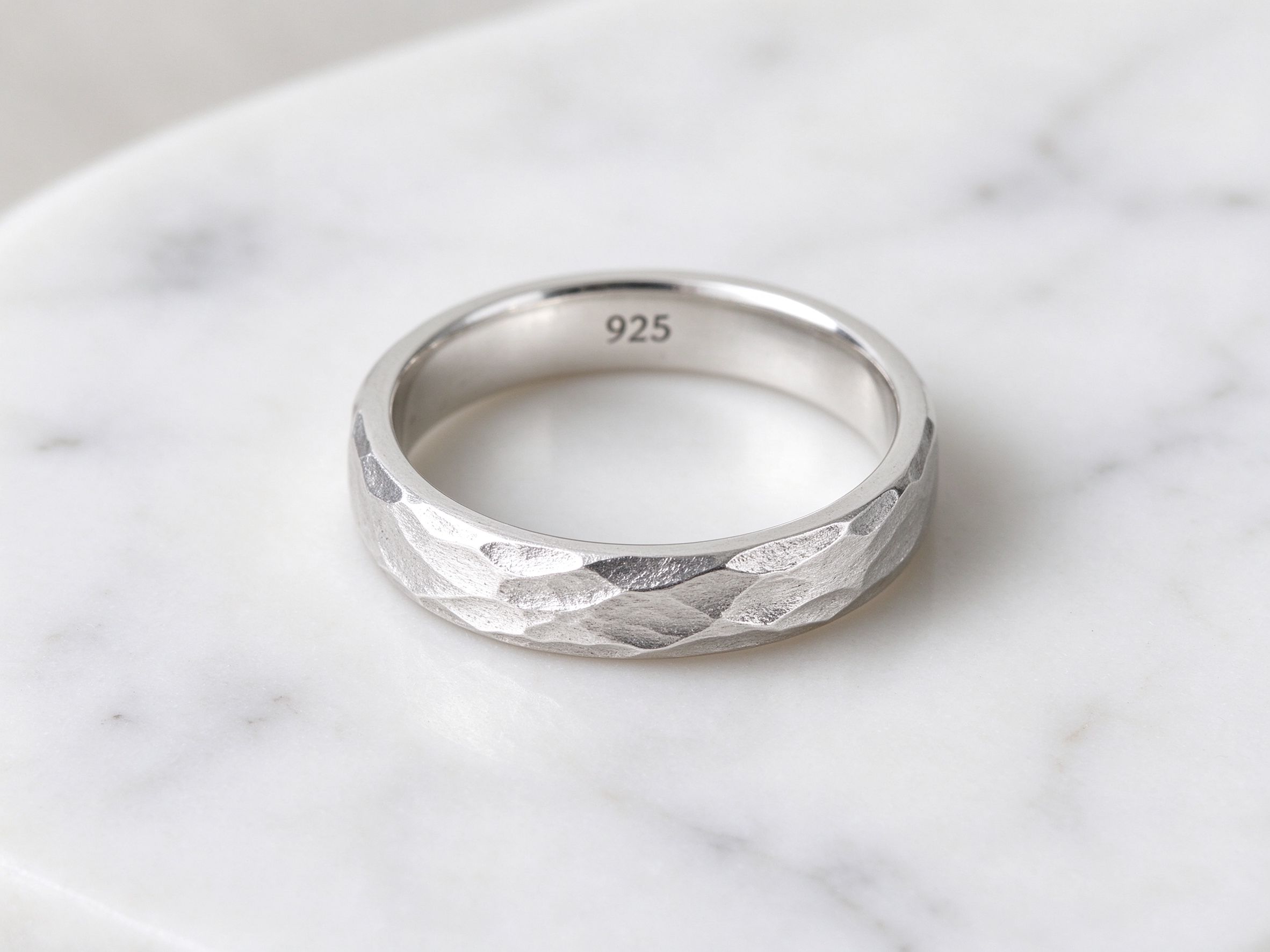
Inside the Factory: How 925 Silver Scrap and Offcuts Get Recycled
When a wholesale buyer prices a piece of sterling silver jewelry, the number on the quote sheet looks like it came from a silver price chart and a guess about labor. In reality, a large share of that number is being quietly trimmed every week by the factory itself, because a working silver shop does not buy new silver for every new order. It recycles the silver it already has. Casting sprues, polishing dust, broken castings, plated rejects, and old customer returns all come back through a scrap loop that most buyers never see, and that loop is one of the reasons a factory can keep quoting competitive prices while the LME silver spot number moves around.
This article walks through that loop the way it actually runs on our production floor in Wuzhou. You will see where silver leaves a finished piece, where it disappears during casting and polishing, how we classify and melt it, what refining costs, why melt loss is the number our production managers watch most closely, and how all of that recycling changes the price we quote you for your next 925 silver order. If you are a brand owner, a boutique buyer, or a sourcing agent trying to understand why two factories quoting the same alloy on the same day can differ by ten or fifteen percent, the answer usually lives somewhere in the scrap room.
Where Silver Leaves a Production Run
A finished ring or a pair of earrings looks like a single clean object. In the factory, it is the survivor of a much larger pile of metal. A lost-wax casting starts with a wax tree. When the tree is invested, burned out, and filled with molten 925 silver, the silver flows not just into the ring cavities but into the central sprue, the runners, and every cup that holds the tree upright. After the casting is knocked out, the sprues and runners are clipped off, and they weigh far more than the actual pieces on the tree. A typical casting run might yield a finished piece weight of 60 to 65 percent of the silver poured, with the rest coming back as sprue metal.
The next leak is cutting. Each casting is sawed away from the runner with a bandsaw or a jeweler's saw blade, and every cut removes a thin kerf of metal. Those sawdust curls are swept up and kept separate. Then comes grinding, filing, and sanding to clean the casting skin off each piece, and the belt grinder throws off a fine slurry that mixes silver dust with water and abrasive. That slurry is the single hardest stream to recover, and it is where the most invisible silver vanishes. A shop that does not capture its polishing slurry is literally sweeping money onto the floor.
Polishing, plating, and rework add more losses. A rejected piece that has already been rhodium plated cannot simply go back into a fresh casting melt, because the plating is a thin layer of a different metal. A piece that fails QC after stone setting comes back with its moissanite still in it, which means the stone has to be removed before the silver can be recycled. And every time a piece is tumbled, burnished, or hand-polished, a few more microns come off into the rag bin. Over a year, a mid-sized silver factory in our cluster typically loses between 8 and 14 percent of the silver it pours to streams that only partly come back.
The Four Scrap Streams Every Silver Factory Tracks
We sort our scrap at the bench, not in a single bin, because different streams go through different recovery routes. The sorting discipline is where most factories either make or lose money, and it is also why a buyer who understands the system can negotiate a fairer scrap credit on returns.
Clean Sprue and Runner Metal
This is the easiest stream. The sprues clipped from a fresh casting tree are the same 925 alloy that went into the mold, they have not been plated, and they have not touched a stone. We melt them in a graphite crucible with a small amount of borax flux, skim the oxide dross off the top, and pour the clean ingot straight back into the production hopper. Recovery on this stream is above 95 percent, and it does not need to go to an external refiner. This is the loop that quietly funds a large part of every reorder, because the metal in your next casting is often the sprue from your last one.
Polishing Dust and Slurry
This stream is the one most shops get wrong. The dust from belt grinders, hand sanding, and tumbling is captured in two ways: dry dust collectors on the grinding benches, and the wet slurry from the polishing line that settles in a trap under the floor. Dry dust is easy to burn and flux back. Wet slurry is a black, smelly mud full of abrasive grit, soap, and water, and it has to be dried, calcined, and sent to a refiner who can cupel it. A good refiner returns about 80 to 88 percent of the silver that was in the dry weight, and the rest leaves as slag and lost oxide. The cost of refining this stream is what makes polishing discipline matter: every gram of dust we can avoid throwing away is a gram we do not have to pay the refiner to recover.
Plated and Stone-Set Rejects
A rejected piece that has already been rhodium plated, or that still has a moissanite or CZ set into it, has to be dismantled before it can be recycled. We pop the stones out, sort them for reuse or disposal, and send the plated silver to a refiner who can strip the rhodium layer before recovering the silver. Recovery here is lower, usually 75 to 82 percent of the alloy weight, because the plating, the solder used in repair, and any glue residue all concentrate in the dross. This stream is why we try to catch defects before plating, not after. A piece that fails QC at the pre-plating stage goes straight back to the sprue bin; the same piece that fails after plating is a refiner's customer, not ours.
Old Inventory and Customer Returns
Sometimes we buy back our own pieces, or a brand sends us unsold stock from a season that flopped. Those pieces get logged, weighed, and recycled exactly like plated rejects, except we already know the alloy because we poured it. The scrap credit we offer on those returns is not a gesture; it is a refund of the silver value we can recover, minus refining loss and the labor of dismantling the stones. A brand that tracks this loop can use it as a bargaining chip at reorder time, because returning dead stock is worth real money to us.
How Melt Loss Changes Your Quote
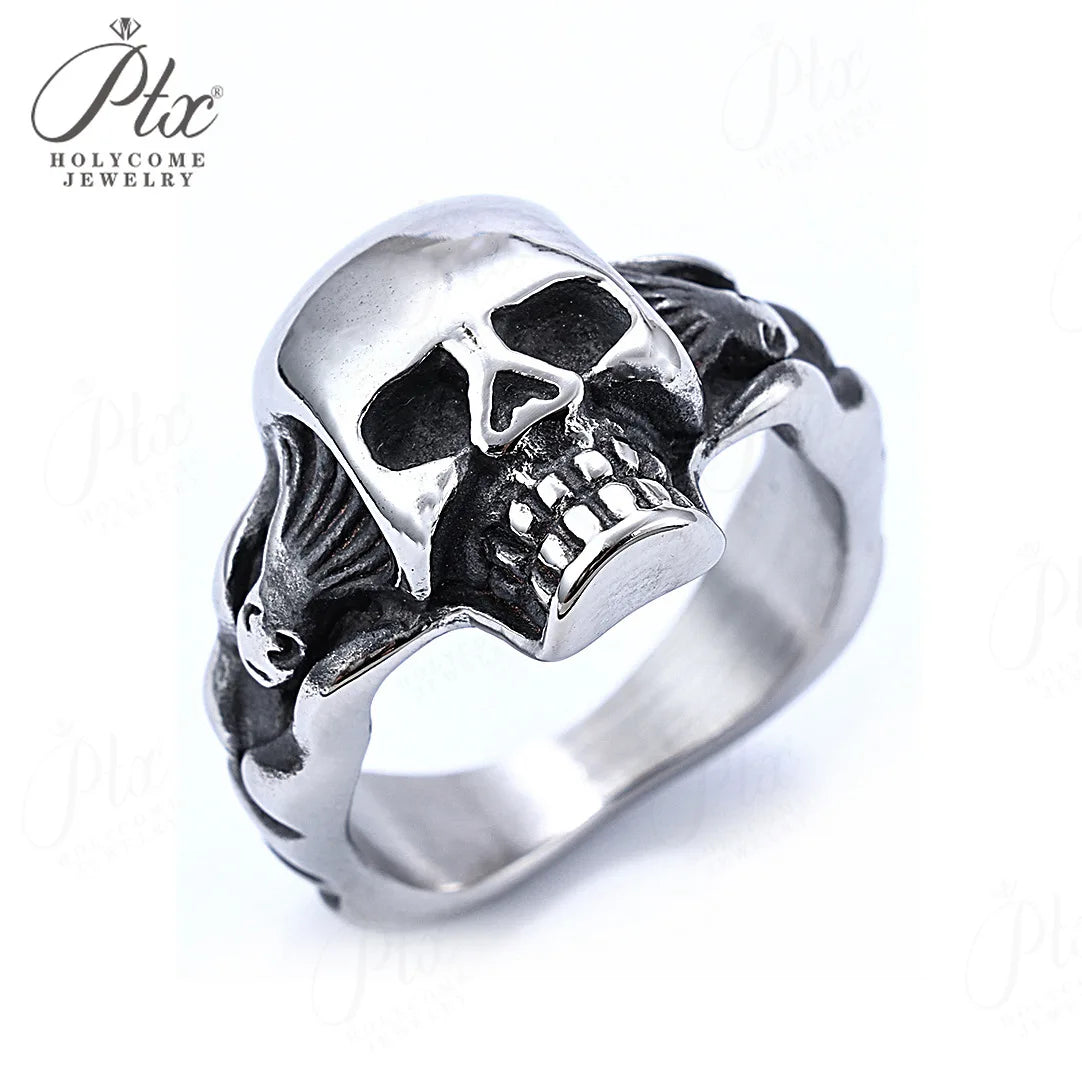
Here is the part that surprises most first-time buyers. When we quote you a sterling silver ring at a weight of 3.2 grams, we are not buying 3.2 grams of silver at spot and adding labor. We are pouring closer to 4.8 grams, because the sprue, the runners, the kerf, the polishing loss, and the reject rate all add up before the finished piece hits your box. The 1.6 grams that do not land in your ring come back through the scrap loop, but not instantly, and not at 100 percent. That delay, and that loss, is what sits between the silver spot price and the price on our quote.
The arithmetic matters. If spot silver is 28 US dollars per troy ounce, a gram of silver costs about 0.90 dollars at spot. On a 3.2-gram finished ring, the raw silver is worth about 2.90 dollars at spot. But we poured 4.8 grams, and we only recovered 4.1 of those grams after melt loss and refining fees. The unrecovered 0.7 grams, plus the refiner's cut, plus the time value of metal sitting in the scrap bin for six weeks, adds roughly 0.60 to 0.90 dollars to the true material cost of that ring. That is why a 925 silver piece that looks like it should cost three dollars of metal costs closer to four when it leaves the factory.
This is also why quote validity is short. When silver spot spikes, our sprue inventory is worth more, and we can absorb the move for a week or two because we are selling metal we already own. When spot falls, we slow down new casting and wait, because pouring new metal at a high price to sell pieces at a falling retail price is how factories lose money. A buyer who watches the LME chart will notice that our quotes move on a one-week lag, not a one-day lag, and that lag is the inventory buffer the scrap loop gives us.
What a Refiner Actually Does to Your Scrap
We are a jewelry factory, not a smelter. The streams we cannot recover in-house go to a licensed refiner in the Pearl River Delta, and the process they run on our polishing mud and plated rejects is the same cupellation process silver workers have used for centuries. The dried slurry is mixed with lead and flux and heated in a bone-ash cupel. The lead oxidizes and absorbs the base metal oxides, leaving a bead of fine silver on the cupel. That bead is weighed, assayed, and credited back to our account against future purchases of new granulated silver.
The assay report is a document we keep, because it tells us what our scrap actually contained. A high lead content in the dross means our solder use is up. A low recovery number means our polishing line is throwing away more metal than it should. Over years, those reports let us tune the casting tree design, the grinding pressure, and the bench habits so that recovery climbs from 80 percent toward 90 percent. Every point of recovery is money that does not have to come out of your quote.
For a brand buyer, the practical takeaway is that recycling is not charity. It is a closed industrial loop, and every gram we avoid losing is a gram we do not have to pass on to you. When we send you a quote that is five percent lower than another factory, the difference is often that we have a tighter scrap loop, not that we are using thinner metal or softer alloy.
Why Alloy Purity Still Matters After Recycling
A fair question at this point is whether recycling dilutes the alloy. If we melt sprue back into a new casting, does the copper percentage drift, and does the piece stop being true 925? The answer is that it can, which is why we do not simply remelt everything blindly. Each melt is assayed before it is poured, and if the silver content has drifted above or below 92.5 percent, we add fine silver or copper to bring it back on target. That adjustment is part of the melting cost, and it is why our castings stamp clean S925 every time instead of showing up at your door as a random alloy.
Plated rejects are the tricky case. Rhodium plating is only a few microns thick, but over many melts it can build up in the alloy and make the silver look greyer than it should. We handle this by keeping plated scrap separate from clean sprue, and by sending the plated stream to the refiner instead of melting it back in-house. The clean 925 in your next order never sees the plating, because we know that mixing the two is how a factory ends up with a melt that fails the hallmark test at customs.
Hallmark compliance is the last reason recycling has to be disciplined. Export pieces stamped S925 can be tested at destination, and a piece that comes back at 91 percent silver is a customs problem, a chargeback, and a damaged brand. The cost of an assay every melt is trivial next to the cost of a container rejected at the border, which is why the scrap room is run by the same people who run the QC lab.
How Scrap Recovery Affects Lead Times
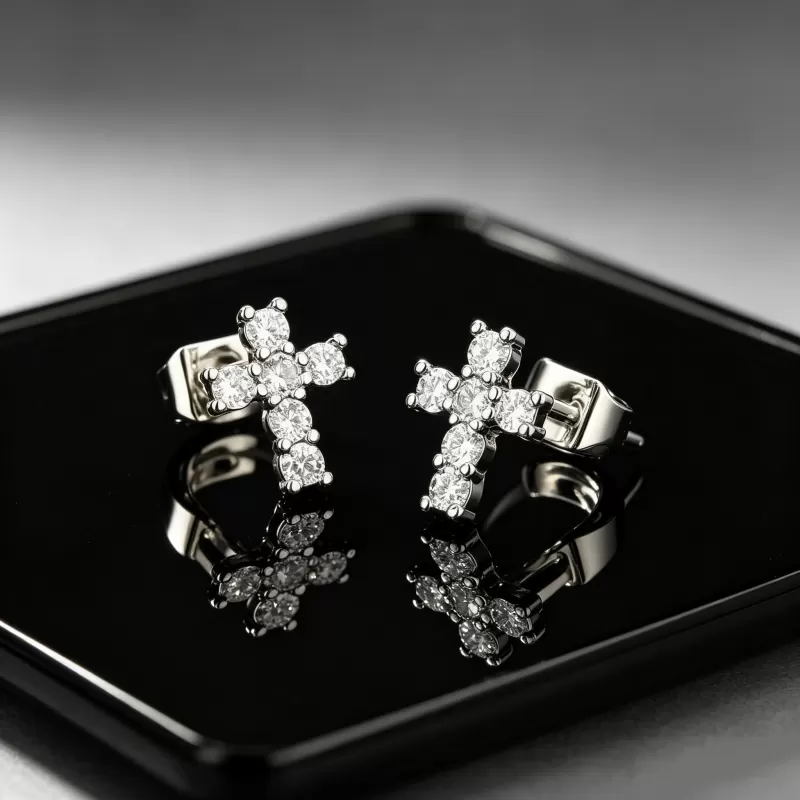
One detail buyers rarely connect to recycling is the production lead time. When we have a healthy inventory of clean sprue ingots on the shelf, we can pour a new casting order within a week of receiving the CAD. When that shelf is empty, we have to order virgin granulated silver from the refiner, wait for it to arrive, assay it, and only then schedule the casting day. The difference is often five to seven working days on a standard reorder, and it becomes even more visible when silver spot is moving sharply, because refiners slow down deliveries when they are themselves scrambling to cover their own positions.
This is why we recommend that brands place repeat orders on a rolling cadence rather than waiting until stock hits zero. A factory that is continuously casting has a continuously replenishing sprue bin, and the metal never has to travel all the way back to the refiner before it is poured again. That shorter loop is what keeps lead times short and quotes stable. A buyer who places a single big order, waits six months, and then comes back for another big order is forcing us through the full virgin-material cycle every time, and the cost and delay show up in the next quote.
We also hold a small buffer of fine silver for emergency pours, which is why we can sometimes turn a rush order around in days instead of weeks. That buffer is not free; it sits on our books as tied-up working capital, and the interest cost on it is one of the quiet line items in our pricing. Brands that understand this will often pre-pay a deposit on a standing reorder, which lets us hold the buffer on their behalf and gives them faster service when they need it.
What This Means for Your Wholesale Sourcing
If you are a brand owner or a sourcing manager, the scrap loop gives you a few concrete levers. The first is weight. The heavier the piece, the more sprue and polishing loss it generates per unit of finished silver, which is why a thin 1.2-gram stud earring often has a higher material multiplier than a heavy 6-gram men's band. We can show you the math on any design before you commit to a production run, and we can design lighter sprues for your tree if the piece shape allows it.
The second lever is finish. A mirror-polished piece takes more belt time than a matte or sandblasted piece, and every minute on the belt is more silver in the slurry. If you are chasing the lowest possible price on a 925 silver line, ask us which finishes cost the least to produce, because the answer will surprise you. A brushed finish is often cheaper than a high polish, and it hides small scratches better in the hands of a customer.
The third lever is reject handling. When you send back unsold stock, we recycle it. When a piece arrives with a manufacturing defect, we recycle the silver and reuse the stone if it is still intact. When you design a custom piece with us, we do not charge you for the sprue on top of the finished weight; we fold it into the per-gram rate because we know most of it comes back. Asking for a scrap credit on old returns is normal industry practice, not an ask.
Common Questions From Buyers About Silver Recycling
Does recycled 925 silver look or feel different from newly mined silver? No. Once it is assayed back to 92.5 percent and re-melted with the right flux, the resulting alloy is chemically identical to virgin granulated silver. The customer cannot tell, and the hallmark test cannot tell either. The only difference is the carbon footprint, which is sharply lower for recycled metal.
Is recycled silver more or less expensive for my order? It is less expensive, but only at the margin. We do not pass refining savings directly to you on every piece, because the loop has costs of its own, but a factory with a tight recovery loop can quote five to ten percent lower on heavy-weight silver lines than a factory that buys virgin metal for every casting.
What happens to the moissanite stones we send back on rejected pieces? We pop them out, grade them, and set aside stones that are still in spec for use on future orders. Damaged or chipped stones go to the stone scrap stream, where they are not recycled into silver but sold back to a stone cutter for industrial use. We never set a previously worn stone into a new piece without logging it.
Can I send my own unsold sterling silver inventory back to be recycled? Yes. We offer a scrap credit program for brands that place regular reorders with us. Send the stock back by insured freight, we will weigh and assay it, and we will credit the silver value against your next PO, minus a small refining and handling fee.
The Bottom Line for Sourcing Sterling Silver
Sterling silver is not a static material. It is a flowing industrial commodity that moves from our crucible to your customer, back to our bench, into the scrap bin, through the refiner, and into the next melt. The price you pay for a 925 silver piece is the price of that whole loop, not just the price of the metal on a chart. Understanding how the loop works lets you negotiate weight, finish, and return terms with more confidence, and it explains why two factories quoting the same alloy can land on different numbers even when the silver spot price is identical.
If you are planning a silver collection for the coming season, we would rather walk you through the math on your own designs than send you a generic price list. Send us the CAD, the target weight, and the finish you want, and we will show you exactly what the sprue, the polishing loss, and the recycling recovery look like on that specific piece. Reach our wholesale team at service@holycome.com, and for more on how we price and finish 925 silver lines, read our guide on silver versus brass versus stainless steel value and our breakdown of casting versus stamping cost.