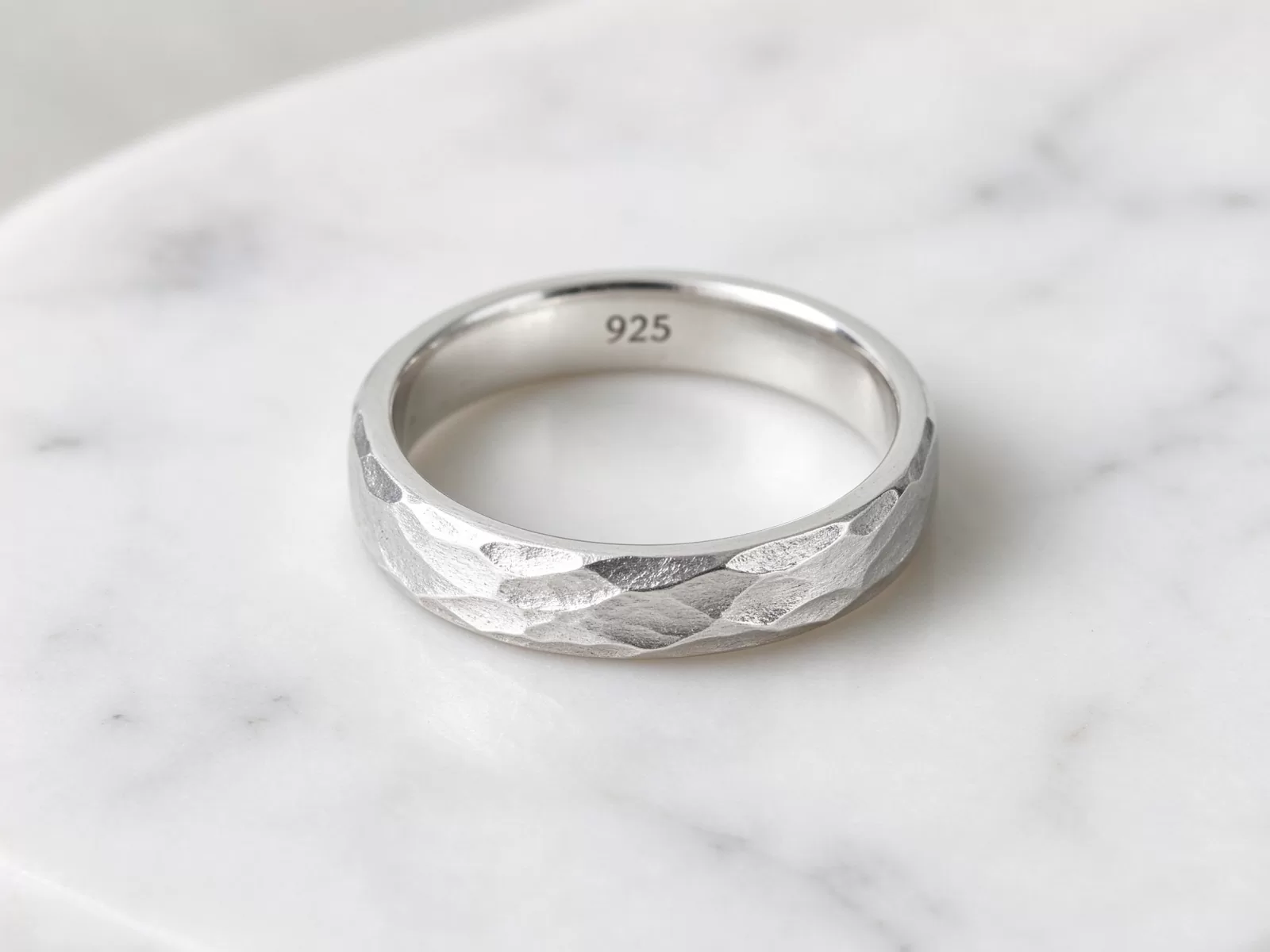
01Why defects show up in 925 sterling silver wholesale orders
Sixteen articles into this series, I have covered sourcing, casting, stone setting and finishing. This one is different. It is the conversation I have most often with buyers after the first container lands: why some pieces fail and what we do on the floor to stop it. Sterling silver is a forgiving metal, but 92.5 percent silver with 7.5 percent copper will punish a sloppy process.
Most defects are not random. They trace back to one of four stages: alloy mixing, casting, assembly or surface finishing. When a buyer sends me a photo of a blackened ring or a stone that fell out, I can usually name the stage before I open the QC log. Below is the list I keep on my desk, with the cause and the prevention for each.
02The five defects that dominate our reject bin
1. Porosity and pitting
Small pits or sponge-like holes on the surface of a cast piece. They show up after polishing as dark specks or rough patches that will not buff out. The root cause is gas trapped during casting, usually from damp investment powder, an overheated melt or a poor vacuum cycle.
We fight this at the incoming stage. Every alloy batch gets a density check, and we keep the melt temperature inside a narrow band rather than chasing speed. Our yield on cast silver runs about 20 percent better than typical trading companies because we cast in-house and control the vacuum cycle ourselves, instead of buying finished castings from a third party and hoping.
2. Fire scale and oxidation staining
Copper in the alloy reacts with oxygen during soldering and annealing. If the piece is not protected, you get a grey or pinkish skin that polishing cannot fully remove. It looks like tarnish but it is under the surface.
Prevention is a flux barrier and a controlled atmosphere. We use anti-fire-scale flux on every joint and keep annealing under a reducing flame. After pickling, each piece goes through a tumbling stage before it reaches the polisher, so any residual scale is caught early rather than after plating.
3. Weak or cold solder joints
A bail that snaps, a prong that lifts, a chain end that pulls off. Nine times out of ten the joint was cold: the solder did not flow fully into the seam. This is a bench skill problem, not a metal problem.
We test solder joints on a sample from every production lot with a simple pull test. If a joint fails, the whole lot goes back to the bench. Our in-process QC checks joints at three points: after assembly, after setting and before polishing.
4. Stone loss and loose settings
For moissanite and lab-grown pieces, a loose stone is the defect buyers hate most because it reaches the end customer. Causes include undersized prongs, wrong burr size and over-polishing around the setting.
Incoming stone check is where we start. Every parcel of moissanite is measured against the spec, and we reject stones that are out of tolerance before they reach a setter. After setting, each piece gets a probe test on every prong. Pre-ship AQL sampling then pulls finished pieces and repeats the probe test.
5. Tarnish in transit and plating adhesion
Silver tarnishes. That is chemistry, not a defect. But a piece that arrives already brown, or a rhodium plate that flakes at the edge, is a process failure. Causes are residual polishing compound, humid packing and poor surface prep before plating.
We ultrasonic-clean every piece after polishing, dry it fully, and pack with anti-tarnish paper in a sealed bag. Plating adhesion is checked with a tape pull on samples from each lot. For buyers shipping to humid markets, we can add a vapor-phase inhibitor at no extra cost on volume orders.
Small pits or sponge-like holes on the surface of a cast piece. They show up after polishing as dark specks or rough patches that will not buff out. The root cause is gas trapped during casting, usually from damp investment powder, an overheated melt or a poor vacuum cycle.
03How the three-stage QC actually runs
Every 925 sterling silver wholesale order at HOLYCOME passes three checkpoints. They are not paperwork exercises; each one has the authority to stop a lot.
- Incoming check: alloy batch density, stone measurement against spec, findings and chain tensile check.
- In-process check: solder joint pull test, prong probe after setting, dimension check against the CAD.
- Pre-ship AQL: finished goods sampled to AQL 2.5 major and 4.0 minor, with tarnish and plating adhesion included.
If a lot fails pre-ship, it does not ship. It goes back to the bench or gets reworked, and the buyer gets a photo report before we re-sample. That is the part trading companies cannot do, because they do not own the bench.
04Defect, cause and prevention at a glance
| Defect | Typical cause | Where we catch it | Prevention |
|---|---|---|---|
| Porosity / pitting | Gas trapped in cast | Incoming alloy check | Controlled vacuum and melt temperature |
| Fire scale | Oxidation during soldering | In-process | Flux barrier and reducing flame |
| Cold solder joint | Solder did not flow | In-process pull test | Bench retraining and lot hold |
| Loose stone | Undersized prong or wrong burr | Incoming and pre-ship | Stone spec check and prong probe |
| Tarnish / plate flake | Residue or humid packing | Pre-ship AQL | Ultrasonic clean and sealed anti-tarnish bag |
Buyers often ask why our reject rate is lower than the trading company they used before. The honest answer is that we see the defect at the bench, not at the port.
05Order terms that keep defect risk down
MOQ is 1 piece for stock items and 30 pieces for custom designs. Production runs 12 to 18 days depending on complexity, and DDP delivery to the US or EU takes 5 to 8 days after dispatch. Payment is T/T with 30 percent deposit, and we accept PayPal for samples.
Certificates matter for the stone side. Moissanite ships with GRA certificates, and lab-grown diamonds ship with IGI. If a buyer needs a specific certificate body for a retail channel, tell us at the quote stage, not after production.
Our cost and speed run about 20 percent better than typical trading companies for one concrete reason: we own the casting, setting and polishing floor. There is no middle layer adding margin or losing a week in handoffs. If you want to verify that, ask for a sample and a factory video of the bench.
06Frequently Asked Questions
What is the MOQ for a 925 sterling silver wholesale order?
Stock designs start at 1 piece, and custom designs start at 30 pieces per style. Custom orders include a CAD review before casting, so the MOQ covers the setup cost of the mold.
How long does production and delivery take?
Production is 12 to 18 days after deposit and CAD approval. DDP delivery adds 5 to 8 days to the US or EU, and we send a pre-ship photo report before dispatch.
How is the price calculated?
Price is based on silver weight, stone grade and size, plating type and order quantity. We quote per piece with the silver rate stated separately, so you can see the metal cost move with the market.
Send your spec or a reference photo to service@holycome.com or WhatsApp +86 133 7744 7107 and ask for a quote and a sample. We will reply with the per-piece price, the MOQ for your design and a production date.