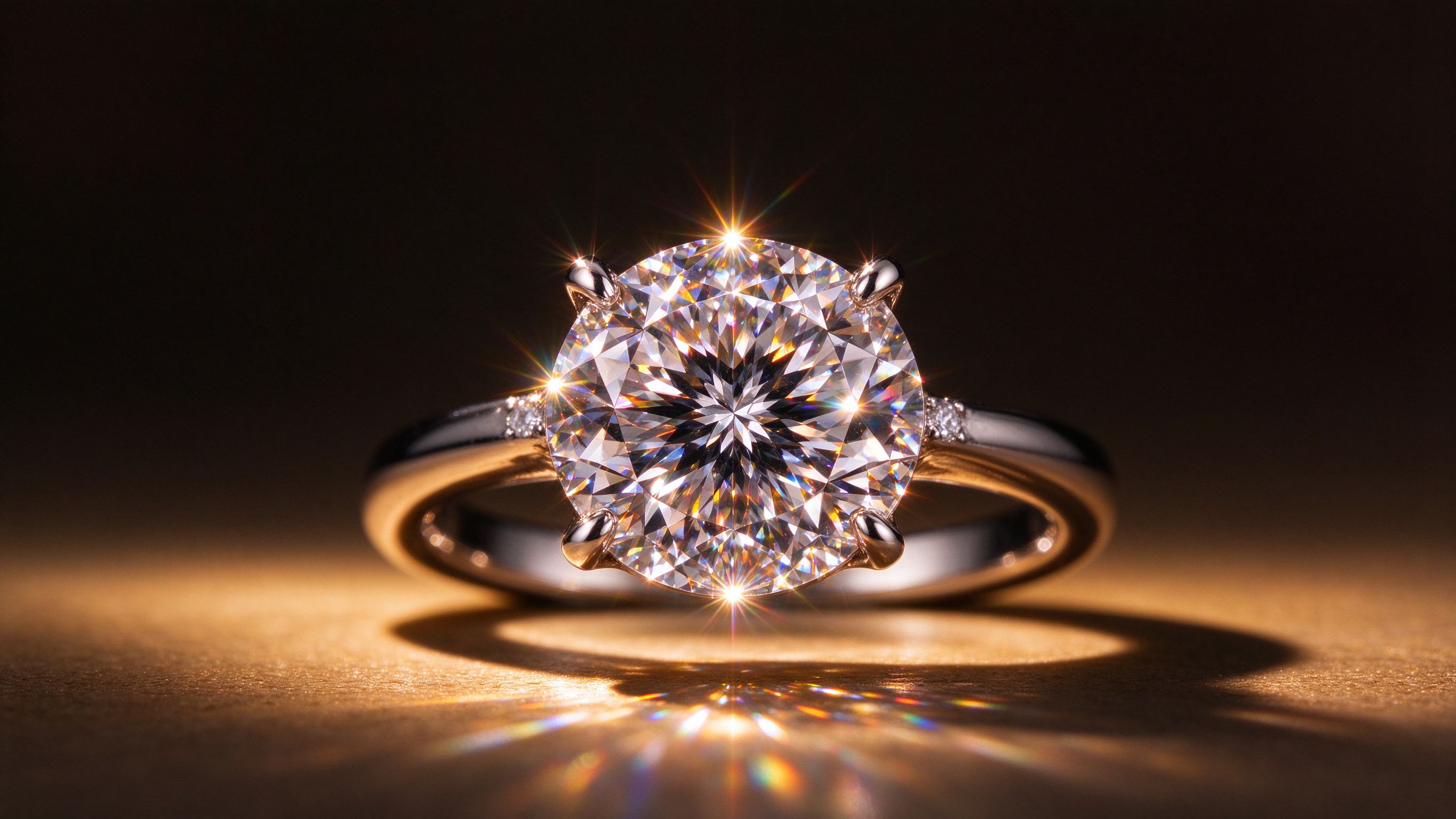
Wedding Ring Sets: How Factories Manufacture Matched Bands Efficiently
A wedding set sells better as a pair, but matching the engagement ring and band is a manufacturing detail. This guide explains how factories produce matched sets, why it matters for sales, and the value of offering coordinated bridal pairs.
Why Matched Sets Matter
When a customer buys an engagement ring and a wedding band separately, the metals may not match - slightly different tones, widths or finishes that become obvious when worn together. A matched set is designed and produced as a pair, so they sit flush and look coordinated. This raises the ticket, because customers buy both pieces together, and it reduces returns caused by mismatched bands. Selling sets is a higher-value, lower-friction bridal sale. Factories that produce matched pairs give retailers a product customers can trust to go together, which is the whole bridal promise.
Pricing logic is transparent once you see the build. Ring price equals silver weight plus stone cost plus setting labour plus finishing and plating plus a share of tooling and overhead. When a buyer understands those five components, negotiating a fair quote becomes a conversation about quantities and processes rather than a haggling contest.
We treat the first sample as the start of a conversation, not a final verdict. Buyers request tweaks, we adjust the model, and we iterate until the design matches the vision. This collaborative loop is why OEM customers end up with rings that feel like their own, not generic catalogue pieces.
Lead times are quoted honestly, including the slowest realistic stage, because a promise the floor cannot keep is worse than a longer but truthful timeline. Buyers plan launches around dates we actually meet. That reliability is a quiet reason brands reorder with the same factory season after season.
Bulk runs are quality-checked in samples from start, middle and end of production, so a buyer does not discover that the final rings drifted from the first. Consistency across a run is what makes a wholesale line dependable. We sample-measure plating and sizing on every batch before it ships.
Private label buyers receive the same production quality as our own brand would, because the manufacturing line does not change when the logo does. The only difference is the mark inside the shank. That consistency lets a new brand sell with confidence from its very first order.
The most successful wholesale partnerships grow by sharing data: what sells, what returns, what customers ask for. We use that feedback to refine grades, sizes and designs with the buyer. A factory that listens becomes a product-development partner, not just a supplier, and the range improves together.
How We Match Engagement and Bands
Producing a matched set means making the engagement ring and band together in the same production run. We use the same silver alloy, the same plating, the same finishing, and design the band to curve or sit flush against the engagement setting. Because both pieces come off the same line with the same treatment, their tone, weight and finish are identical. This is far more reliable than hoping two separately ordered rings happen to match. When a buyer orders a set, we treat it as one coordinated product, ensuring the band complements - not competes with - the engagement ring.
Ring tooling is the entry cost of private label. Developing a new die, model or wax pattern for an OEM design is a fixed one-time charge that only makes sense when the order volume spreads it. For repeat ODM catalogues, tooling already exists, which is why off-the-shelf designs price far below fully custom pieces.
Setting method drives labour cost. Prong settings are quick and stone-friendly; bezel settings use more silver and more hours; micro-pav demands the most skilled bench time per stone. When you see a quote jump between two similar-looking rings, the setting method is usually the reason.
Production lead times are planned backwards. A moulded, stock-design ring can move in days; a custom ODM piece with new tooling needs weeks for sampling, approval and bulk casting. We quote the realistic timeline up front so retailers can plan marketing around stock arrival rather than promising dates the floor cannot meet.
Ring weight and material cost move together. Each gram of 925 silver is accounted for, plus the silver lost in casting and polishing. A bulky cathedral setting costs materially more silver than a slim solitaire, and that difference is visible both in the quote and in how the ring feels in the hand.
Finishing touches are a cost centre retailers forget. Hand polishing, rhodium plating, prong tightening, inspection and anti-tarnish packing are real labour and chemistry steps. A factory quote bundles them; a bargain quote that omits them quietly skips them, and the finish you receive will tell the story.
Minimum order quantities exist because of changeover. Switching a line from one ring to another costs setup, plating bath change and tooling alignment, so small runs carry a high per-unit setup charge. Consolidating designs and colours into a planned run is how wholesale buyers bring unit cost down.
The Design Challenge of Flush Fit
A band designed to sit beside an engagement ring must be shaped to fit against its setting. A plain band may leave a gap next to a cathedral setting; a contoured, curved band sits flush. Our design process creates the band profile to match the specific engagement ring. This coordination is what makes the set look intentional. We also offer interchangeable bands, so a customer can later swap the band without losing the fit. The flush fit is a design detail that customers notice and appreciate, and it is engineered during production rather than improvised at the store.
Matched wedding sets are manufactured as a pair. We cast and finish engagement and band together so the metal tone, width and finish match exactly, rather than hoping two separate orders happen to align. Selling a set raises ticket value and removes the mismatch complaint entirely.
Private label is a workflow, not a sticker. We adapt our existing models to your sizing, plating, engraving and packaging, apply your logo, and produce under your brand name. The moissanite quality and 925 construction stay ours; the customer-facing identity becomes yours.
Quality control on rings is multi-point. Casting inspection for porosity, setting inspection for seat contact, plating thickness by X-ray, and a final prong-tension and polish review. Each gate catches a different defect, and skipping any one gate is how a ring reaches a customer with a stone already working loose.
Pricing logic is transparent once you see the build. Ring price equals silver weight plus stone cost plus setting labour plus finishing and plating plus a share of tooling and overhead. When a buyer understands those five components, negotiating a fair quote becomes a conversation about quantities and processes rather than a haggling contest.
We treat the first sample as the start of a conversation, not a final verdict. Buyers request tweaks, we adjust the model, and we iterate until the design matches the vision. This collaborative loop is why OEM customers end up with rings that feel like their own, not generic catalogue pieces.
Lead times are quoted honestly, including the slowest realistic stage, because a promise the floor cannot keep is worse than a longer but truthful timeline. Buyers plan launches around dates we actually meet. That reliability is a quiet reason brands reorder with the same factory season after season.
Selling Sets Raises the Average Ticket
From a retail perspective, matched sets are highly profitable. A customer who buys an engagement ring often needs a band, and offering a pre-matched set closes that sale immediately rather than losing the band to a later, separate purchase. The set carries a higher combined price than the ring alone, and the coordination justifies it. Retailers who display and sell sets - not just solitaires - raise their average order value. Factories that supply matched sets make this easy: the buyer stocks a coordinated pair, and the customer buys both. The set format is a natural bridal upsell.
Bulk runs are quality-checked in samples from start, middle and end of production, so a buyer does not discover that the final rings drifted from the first. Consistency across a run is what makes a wholesale line dependable. We sample-measure plating and sizing on every batch before it ships.
Private label buyers receive the same production quality as our own brand would, because the manufacturing line does not change when the logo does. The only difference is the mark inside the shank. That consistency lets a new brand sell with confidence from its very first order.
The most successful wholesale partnerships grow by sharing data: what sells, what returns, what customers ask for. We use that feedback to refine grades, sizes and designs with the buyer. A factory that listens becomes a product-development partner, not just a supplier, and the range improves together.
Ring tooling is the entry cost of private label. Developing a new die, model or wax pattern for an OEM design is a fixed one-time charge that only makes sense when the order volume spreads it. For repeat ODM catalogues, tooling already exists, which is why off-the-shelf designs price far below fully custom pieces.
Setting method drives labour cost. Prong settings are quick and stone-friendly; bezel settings use more silver and more hours; micro-pav demands the most skilled bench time per stone. When you see a quote jump between two similar-looking rings, the setting method is usually the reason.
Production lead times are planned backwards. A moulded, stock-design ring can move in days; a custom ODM piece with new tooling needs weeks for sampling, approval and bulk casting. We quote the realistic timeline up front so retailers can plan marketing around stock arrival rather than promising dates the floor cannot meet.
Manufacturing Efficiency of Producing Pairs
Producing a set together is also more efficient than making two separate pieces. Because the ring and band share the same production run - same alloy, plating bath, finishing station - the setup costs are shared. This means matched sets can be priced more reasonably than two separately produced rings. The factory benefits from consolidated production, and the buyer benefits from the coordinated result at a good cost. Efficiency and coordination align: making the pair together is both cheaper to produce and better matched. This is why we encourage buyers to stock sets rather than mismatched singles.
Ring weight and material cost move together. Each gram of 925 silver is accounted for, plus the silver lost in casting and polishing. A bulky cathedral setting costs materially more silver than a slim solitaire, and that difference is visible both in the quote and in how the ring feels in the hand.
Finishing touches are a cost centre retailers forget. Hand polishing, rhodium plating, prong tightening, inspection and anti-tarnish packing are real labour and chemistry steps. A factory quote bundles them; a bargain quote that omits them quietly skips them, and the finish you receive will tell the story.
Minimum order quantities exist because of changeover. Switching a line from one ring to another costs setup, plating bath change and tooling alignment, so small runs carry a high per-unit setup charge. Consolidating designs and colours into a planned run is how wholesale buyers bring unit cost down.
Matched wedding sets are manufactured as a pair. We cast and finish engagement and band together so the metal tone, width and finish match exactly, rather than hoping two separate orders happen to align. Selling a set raises ticket value and removes the mismatch complaint entirely.
Private label is a workflow, not a sticker. We adapt our existing models to your sizing, plating, engraving and packaging, apply your logo, and produce under your brand name. The moissanite quality and 925 construction stay ours; the customer-facing identity becomes yours.
Quality control on rings is multi-point. Casting inspection for porosity, setting inspection for seat contact, plating thickness by X-ray, and a final prong-tension and polish review. Each gate catches a different defect, and skipping any one gate is how a ring reaches a customer with a stone already working loose.
Offering Set Variety for Different Tastes
Not every customer wants the same band. We offer variety: a plain band, a pavé band, a contoured band, each designed to match a given engagement ring. A buyer can stock a few band options per engagement design, letting customers choose their style. This variety within a matched family gives customers choice while preserving the coordination. We help buyers build a set range: a core engagement ring with two or three compatible band options. Customers get to personalise, and the retailer offers a complete, coordinated bridal solution. Variety within a matched family is the ideal bridal assortment.
Pricing logic is transparent once you see the build. Ring price equals silver weight plus stone cost plus setting labour plus finishing and plating plus a share of tooling and overhead. When a buyer understands those five components, negotiating a fair quote becomes a conversation about quantities and processes rather than a haggling contest.
We treat the first sample as the start of a conversation, not a final verdict. Buyers request tweaks, we adjust the model, and we iterate until the design matches the vision. This collaborative loop is why OEM customers end up with rings that feel like their own, not generic catalogue pieces.
Lead times are quoted honestly, including the slowest realistic stage, because a promise the floor cannot keep is worse than a longer but truthful timeline. Buyers plan launches around dates we actually meet. That reliability is a quiet reason brands reorder with the same factory season after season.
Bulk runs are quality-checked in samples from start, middle and end of production, so a buyer does not discover that the final rings drifted from the first. Consistency across a run is what makes a wholesale line dependable. We sample-measure plating and sizing on every batch before it ships.
Private label buyers receive the same production quality as our own brand would, because the manufacturing line does not change when the logo does. The only difference is the mark inside the shank. That consistency lets a new brand sell with confidence from its very first order.
The most successful wholesale partnerships grow by sharing data: what sells, what returns, what customers ask for. We use that feedback to refine grades, sizes and designs with the buyer. A factory that listens becomes a product-development partner, not just a supplier, and the range improves together.
Frequently Asked Questions
Why sell wedding ring sets?
Matched engagement and band pairs sit flush, look coordinated and raise the average ticket. They also reduce returns from bands that don't match the engagement ring.
How do you ensure the ring and band match?
We produce them in the same run from the same alloy and plating, with the band shaped to sit flush against the engagement setting.
What is a contoured or curved band?
A band shaped to fit against the engagement ring's setting, so the pair sits together without a gap. It is engineered during production, not improvised.
Are matched sets more expensive to produce?
No - they share the same production run and plating, so setup costs are split. Producing the pair together is efficient and better matched.
Should I offer multiple band options?
Yes. Stock a plain, pavé and contoured band per engagement design, so customers choose their style while keeping the coordinated fit.
Conclusion
Matched wedding sets are a win-win: coordinated production gives customers a flush, matching pair at a good cost, and retailers raise the ticket by selling the engagement ring and band together. Offer band variety within each matched family, and you give customers a complete, personalised bridal solution.