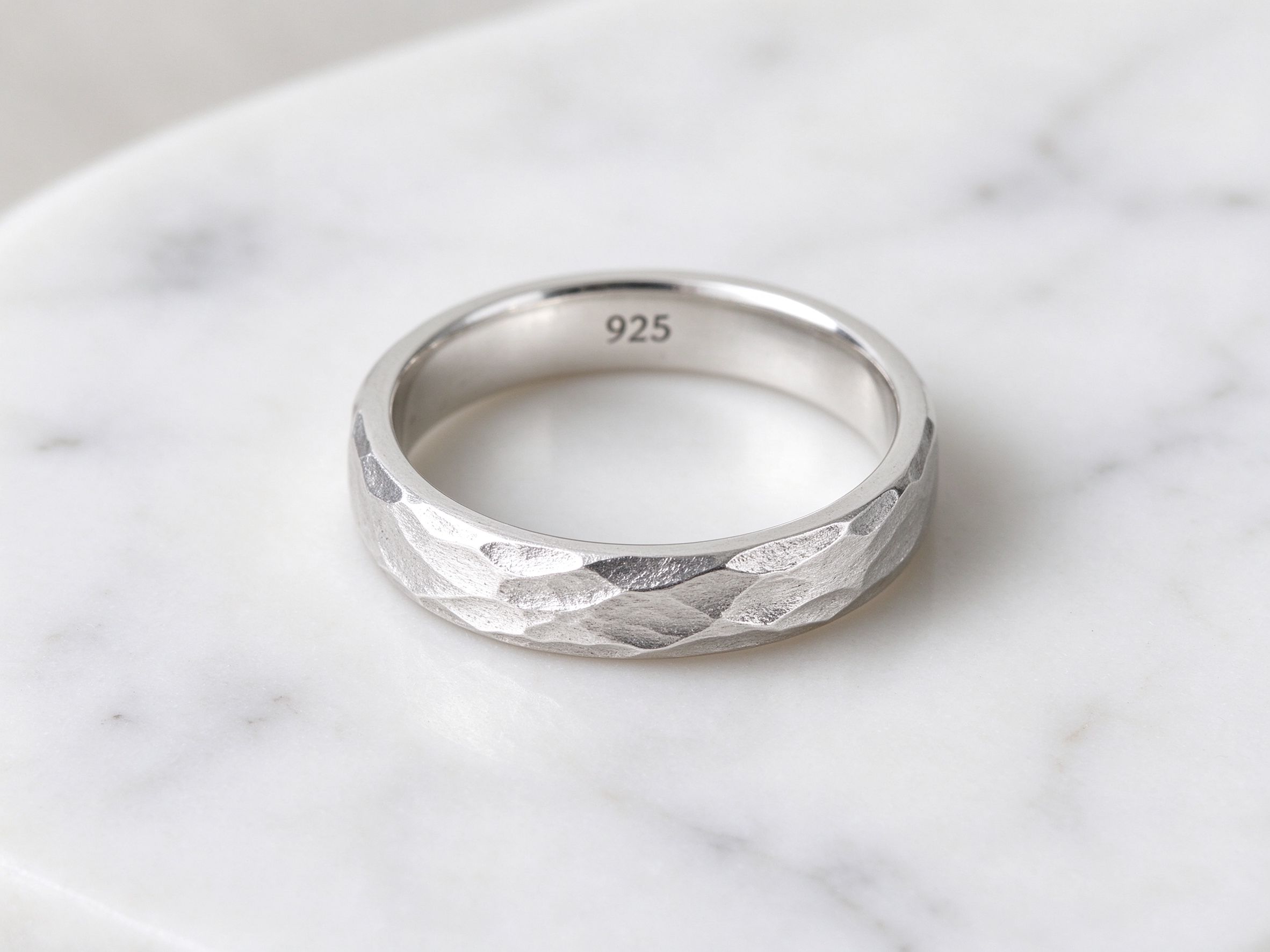
Sterling Silver Jewelry in 2026: Value Retention for Wholesale Buyers
As we move through 2026, the sterling silver jewelry market looks very different from the one we sold into five years ago. Silver prices have climbed, consumer habits have shifted toward durable and sustainable pieces, and the cheap plated fashion jewelry that flooded the market in the 2010s is losing ground to real metal. For wholesale buyers and brand owners, the question is no longer whether sterling silver is worth stocking, but how to position it so that it holds its value for your business over the next several years. This article looks at the current market from the factory side, at what we see moving on our production floor, and at how a brand can build a silver line that retains its value through cycles, rather than one that becomes dead inventory when fashion moves on.
The short version is that sterling silver in 2026 is not a cheap alternative to gold. It is a category of its own, with its own customer, its own price range, and its own value story. Brands that treat it as a cheap substitute for gold will be disappointed, because the customer for silver jewelry is not trying to save money on a gold look. They are buying silver because they want a real metal at an accessible price, because they like the brighter white color, and because they know the piece will last. Brands that understand this are the ones whose silver lines keep selling year after year.
What Has Changed in the Silver Market Since 2020
The silver price itself is the biggest change. Silver traded around 17 to 20 US dollars per ounce for most of the 2010s, and by 2026 it is trading in the high twenties to low thirties. That is a real increase, and it has changed the economics of silver jewelry. A 5-gram ring that cost 1.50 dollars of silver in 2019 now costs around 2.50. The difference sounds small per piece, but on a 5,000-piece run it is five thousand dollars of extra material cost. Brands that built their pricing on 2019 silver prices have had to adjust, and the ones that did not adjust have been squeezed out of the category.
The second change is consumer demand for real metal. After years of cheap plated fashion jewelry turning green, fading, and being thrown away, customers are increasingly willing to pay more for a piece that will not tarnish through. This is visible in our order book: the proportion of our silver business that is 925 solid, rather than plated base metal, has climbed steadily, while the proportion of cheap fashion pieces has dropped. Customers who bought a 10-dollar plated ring in 2019 and threw it away in 2024 are now willing to spend 40 dollars on a 925 silver piece that will last. This shift is the single biggest tailwind for silver brands in 2026.
The third change is the sustainability story. Sterling silver is recyclable, and the recycling loop we described in an earlier article is real. Customers increasingly know this, and they prefer a piece that can be melted and reused over a piece that ends up in a landfill. A brand that tells the sustainability story honestly, with real numbers about recycled content, is winning customers who would otherwise have bought from a fast fashion brand. This is not a passing trend; it is a structural shift in how younger customers choose jewelry, and it favors silver over plated fashion.
Which Silver Styles Are Holding Value in 2026
Not every silver style holds its value equally. The styles that keep selling year after year are the ones that are not tied to a specific fashion moment. Solitaire stud earrings, simple band rings, classic hoop earrings, and small pendants are perennial, because they are not trend-dependent. A 3-millimeter silver band ring will sell in 2026, 2030, and 2035, because it is a classic shape. A wide engraved tribal cuff that was popular in 2022 may not sell in 2026, because it is tied to a specific trend.
For a wholesale buyer, the implication is to build the core of your line around timeless shapes, and to treat trendy pieces as small, experimental additions. The timeless shapes are the ones that will still sell when the trend fades, and they are the ones that will not become dead inventory. The trendy pieces are fun to add, but they should be bought in small quantities, because their lifecycle is short. We see this in our own order data: brands that stock mostly classic shapes have lower inventory write-offs, and brands that stock mostly trendy shapes have to discount heavily every season to clear old stock.
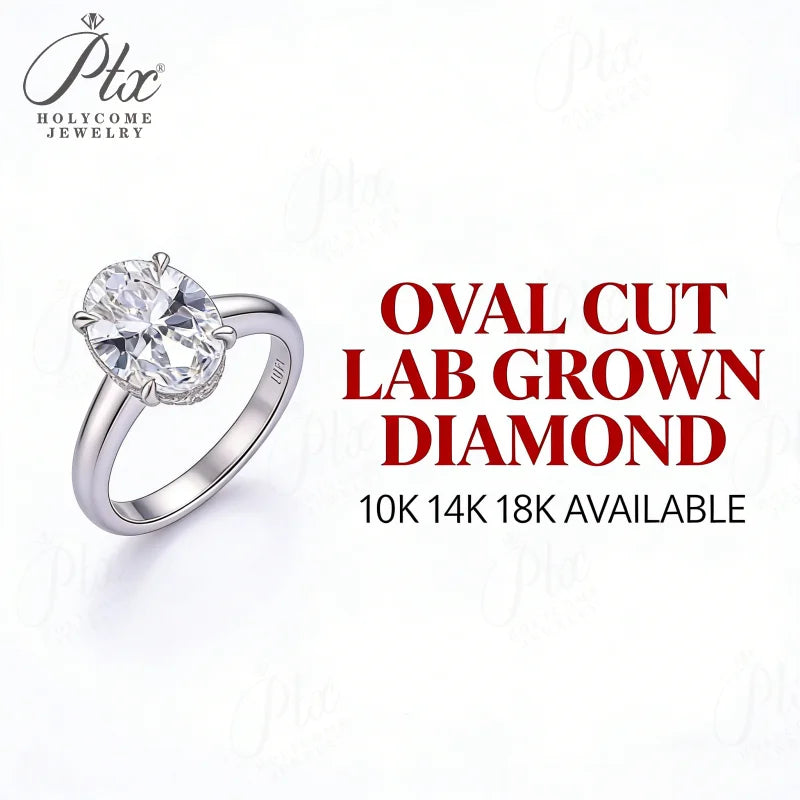
Moissanite-set silver pieces are a growing segment. A 925 silver ring with a moissanite center stone gives customers the look of a diamond engagement ring at a fraction of the price, and the combination of real silver and a durable stone holds up to daily wear. This category has grown steadily for us, and it is likely to keep growing, because customers who cannot afford a gold and diamond ring want a piece that still feels real. The silver band keeps the price accessible, and the moissanite gives the piece the sparkle that customers want.
How Inflation Has Changed the Silver Customer
The customer buying silver jewelry in 2026 is not the same customer who bought it in 2019. Inflation has raised the price of almost everything, and the customer is more careful about where they spend. They are less willing to buy a 30-dollar fashion piece that will fall apart in a year, and more willing to buy a 60-dollar silver piece that will last five years. This shift has been a tailwind for silver, because silver sits in the sweet spot between cheap fashion and fine jewelry. It is real metal, it lasts, and it is still accessible. A customer who would have bought a plated piece in 2019 is now looking at silver, because they have learned that the plated piece was a waste of money.
This customer also cares more about where the piece comes from. They want to know it is real 925, that it is hypoallergenic, that it is recyclable, and that it was made in a factory with reasonable working conditions. A brand that can answer those questions transparently wins this customer, while a brand that cannot loses them to one that can. The days of selling anonymous silver jewelry out of a plain poly bag are ending, and the brands that tell the story of their production are the ones that build loyalty.
For wholesale buyers, the implication is that you can charge more for a silver piece than you could five years ago, because the customer has upgraded their expectations. They are no longer comparing silver to a 10-dollar fashion earring; they are comparing it to a 100-dollar gold vermeil piece. A 60-dollar silver earring looks reasonable next to a 100-dollar gold piece, and the customer will choose silver because it is real metal, not gold-plated base. This price re-rating is the single biggest opportunity in silver jewelry in 2026.
Where the Growth Is in Silver Jewelry
Looking at our order book, the growth areas in silver jewelry are clear. Stud earrings with moissanite centers are growing fast, because they give customers a diamond look at a silver price. Stackable thin band rings are growing, because customers build collections of them. Small hoop earrings in the 20 to 30 millimeter range are steady sellers. Men's silver bands are growing, as men become more comfortable wearing jewelry and as the price point makes silver more accessible than gold. The shrinking areas are large statement pieces that feel dated, and cheap plated fashion that is being displaced by real silver.
For a brand planning a 2026 line, we recommend leaning into the growth areas rather than chasing the shrinking ones. A line built around moissanite studs, stackable bands, small hoops, and men's bands will have a better sell-through than a line built around large statement necklaces and trendy cuffs. We can show you the sales data from our other brands, and we will tell you honestly which shapes are moving and which are not. The goal is to build a line that sells through, not one that looks impressive in a catalog but sits on the shelf.
The export markets are also shifting. North America remains the largest market for silver, but Southeast Asia and the Middle East are growing fast, as the middle class in those markets buys real jewelry rather than fashion. European markets are steady, with a preference for classic designs. If you are a brand selling only in one country, expanding to one of the growing markets is a way to increase volume without changing your product. We export to all of these markets, and we can advise on the specific preferences and regulatory requirements for each.
How to Price Your Silver Line for 2026
Pricing a silver line in 2026 means accepting that the silver component is higher than it used to be, and building your retail price accordingly. The brands that are winning are the ones that have raised retail prices modestly and told the customer why: the piece is real 925 silver, it will last, it is recyclable, and it is not a disposable fashion item. Customers have shown that they will pay 20 to 30 percent more for a piece that is real silver, and they will reject a piece that is priced too low, because they assume it is plated. The old rule that cheap silver sells fast is no longer true; in 2026, cheap silver sells as fake.
The margin structure on silver is healthier than it used to be, because the price increase has been passed through to the customer. A brand that used to wholesale a silver ring at 8 dollars and retail it at 24 dollars might now wholesale it at 11 dollars and retail it at 35 dollars, because the silver cost has climbed and the customer will pay the higher price. The margin in dollars per piece is actually higher than it was in 2019, even though the price is higher. This is why the category is attractive despite the higher silver price.
For brands that are new to silver, we recommend starting with a small range of classic shapes at a mid price point, rather than a large range of trendy pieces at a low price point. The classic shapes will sell steadily, the customer will return for more, and you will not be stuck with dead inventory. We can help you pick the shapes that have the most consistent sell-through across markets, based on the data from our other brands.
How to Build a Silver Line That Lasts Beyond a Season
The brands that build long-lasting silver lines share a few habits. The first is that they reorder the same shapes every season, rather than introducing a whole new range. This lets the customer build a collection, and it lets the factory amortize the tooling. The second is that they invest in the stamp, the packaging, and the quality, so the piece feels like a brand rather than a commodity. The third is that they tell the story of the metal: real 925 silver, recyclable, hypoallergenic, made to last. That story resonates with customers in 2026, and it differentiates the brand from the cheap fashion competitors.
The fourth habit is that they work with a factory that can grow with them. A brand that starts with 100-piece orders and grows to 5,000-piece orders needs a factory that can handle both ends of that growth. We work with many brands that started small with us and now place quarterly orders in the tens of thousands, and the relationship works because we have the capacity to scale, the QC to keep quality consistent, and the pricing that improves as volume grows. A factory that cannot scale will bottleneck your growth, which is why we recommend choosing a partner based on capacity as much as price.
The fifth habit is that they treat silver as a long-term category, not a seasonal trend. They do not pull the line when silver prices spike, and they do not abandon it when fashion moves toward gold. They know that silver customers are loyal, and that a silver line built over years is an asset, not a liability. These are the brands that will still be selling silver jewelry in 2036, and they are the brands we most want to work with.
How the Factory Side Sees the 2026 Market
From our perspective on the production floor, the 2026 market looks healthier than it has in years. Order volumes are up, the mix of orders is shifting toward solid 925 rather than plated base metal, and the customers who are ordering are brands that have been around for a few years rather than new brands chasing a quick trend. This is good for us, because we can plan production with more confidence, and it is good for brands, because the factory capacity is available for serious orders rather than being filled with one-off fashion runs.
We have also invested in better QC, faster plating lines, and more consistent stamping, because the 2026 customer expects a more polished product than the 2019 customer did. A piece that would have been acceptable five years ago would be returned today, because the customer has seen better silver from better brands. We have upgraded our process to meet that expectation, and the brands that work with us benefit from the upgrade without paying more for it. The bar for silver jewelry has been raised, and we have raised ours to meet it.
The one thing we caution brands about is chasing the silver price itself. Some brands see silver moving up and rush to order, trying to beat the next increase. Others see silver move down and wait, trying to catch the bottom. Both approaches usually lose money. The better approach is to order on a steady cadence, using the average pricing tools we offer, and let the market come to you. The brands that do this are the ones whose margins stay stable, even when silver swings.
Common Questions About Silver Value in 2026
Is silver a good category to enter in 2026, given the high price? Yes. The high silver price has actually strengthened the category, because it has pushed out the cheap plated competitors and left the field open for brands selling real metal. Customers who are willing to pay for real silver are loyal, and the margin per piece is healthier than it was when silver was cheap.
Should I expect silver prices to fall back to 2019 levels? We would not plan on it. The structural drivers of silver demand, including solar panels and industrial use, are not going away, and the supply of silver is constrained. Budget for silver at current levels, and treat any price drop as a windfall rather than a baseline.
What is the best price point for a new silver line? Most new brands find the sweet spot at 30 to 60 dollars retail, where the piece is clearly real silver but still accessible. Below 30 dollars, customers assume it is plated. Above 60 dollars, the customer starts comparing to gold alternatives. The mid range is where silver has the strongest positioning.
Can I mix silver and gold in the same line? Yes. Many brands sell a silver line and a gold line side by side, because they serve different customers. The silver line brings in customers who want real metal at an accessible price, and the gold line brings in customers who want the investment feel. The two lines do not cannibalize each other.
What This Means for Your Next Order
If you are a wholesale buyer planning your next silver order, the 2026 market rewards a few specific moves. Order classic shapes that sell year after year. Price your line to reflect real silver, not cheap fashion. Tell the story of the metal in your marketing. Work with a factory that can scale with you and that provides assay records and stamping. And use the average pricing tools to smooth the silver price, rather than trying to time the market. These are not complicated moves, but they are the moves that separate the brands that grow from the brands that stall.
If you are a new brand entering silver for the first time, start small. Pick three classic shapes, order 100 of each, test the market, and reorder what sells. Do not bet the business on a huge first run. The silver market in 2026 is kind to brands that start small and grow with it, and unforgiving to brands that overcommit on a trendy range. We can help you pick the three shapes that have the best chance of selling through, based on the data we see from our other customers.
The Bottom Line
Sterling silver in 2026 is a stronger category than it has been in a decade. The higher silver price has weeded out the cheap competitors, customers are actively choosing real metal over plated fashion, and the sustainability and durability story resonates with the buyers who matter most. The brands that win in this market are the ones that build classic shapes, price honestly, tell the metal story, and work with a factory that can scale. The brands that lose are the ones that still try to sell silver as a cheap substitute for gold. The choice is yours, and the market is rewarding the right approach.
If you are planning a silver line for 2026 and want to see which shapes and price points are selling best, send us your target market and we will share the data from our other brands. Reach our team at service@holycome.com, and for more on how we see the silver market, read our guide to silver jewelry trends and what styles are selling and our breakdown of recycled sterling silver sustainability and cost.