A wholesale buyer looks at two moissanite solitaires with the same 6.5 mm round and very different quotes. One is 925 sterling silver, the other 14K yellow gold. The stone may be identical; the setting metal is what moves the piece from a $39 retail band to a $199 band. If you do not understand those bands, you will over-order in one metal and under-order in another. This guide maps how setting metal positions a moissanite piece at retail and where the margin sits.
01Why the stone is rarely the price driver
In fashion moissanite jewelry, the center stone at 6.5 mm wholesale costs a small fraction of the finished retail price. The metal, the setting labor, plating, packaging and QC dominate the landed cost. That means the same moissanite, set in different metals, addresses entirely different customers. We explain the gem side on Moissanite; here we focus on the metal bands.
02The four metal bands
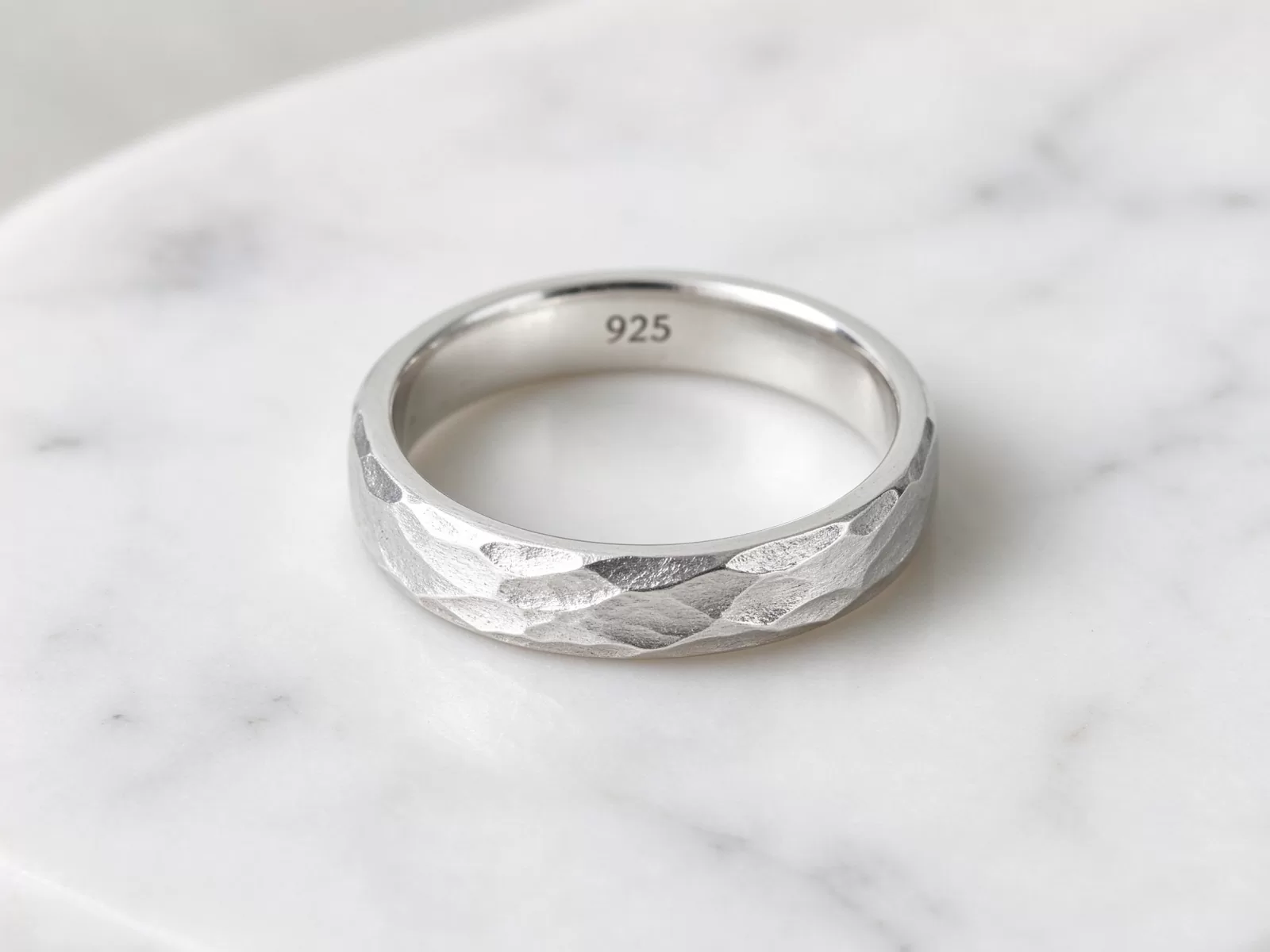
925 sterling silver, rhodium-plated: the entry and mid band. A rhodium-plated silver solitaire reads white and clean at $29-$79 retail. This is the volume workhorse for gift and everyday wear. Silver's alloy definition is on sterling silver. Margin here is competitive; win on finish and packaging rather than on stone specs.
10K gold: the on-ramp to "real gold" positioning. 10K is 41.7% gold, holds prongs firmly and is hard enough for daily wear. It lets a moissanite solitaire sit at roughly $129-$249 retail. This band is where "I want gold, not silver" shoppers land, and it is our fastest-growing gold tier for moissanite.
14K gold: the premium everyday band. 14K (58.3% gold) is the standard for engagement-adjacent moissanite pieces, priced around $249-$499 retail. Buyers who would otherwise consider a lab-grown diamond often land here because the total spend is a fraction. We cover setting logic in our K gold settings buying guide.
18K gold: the luxury tier. 18K (75% gold) is softer and richer in color, priced $499+ retail. It is a lower-volume, higher-margin tier aimed at gifting and special-occasion buyers. The karat definitions are summarized on karat.
925 sterling silver, rhodium-plated: the entry and mid band. A rhodium-plated silver solitaire reads white and clean at $29-$79 retail. This is the volume workhorse for gift and everyday wear. Silver's alloy definition is on sterling silver. Margin here is competitive; win on finish and packaging rather than on stone specs.
03How to stock across bands
We recommend a band split roughly like this for a general moissanite assortment: 50% silver/rhodium for volume, 30% 10K/14K for the upgrade buyer, 15% 14K premium solitaires, and 5% 18K for a curated luxury SKU. The silver tier brings traffic; the gold tiers bring margin. If you only stock silver, you leave the upgrade sale on the table; if you only stock 14K+, your volume is thin. For how this connects to certification expectations, read IGI certification tiers.
04The margin logic
Gold pieces carry a higher absolute margin per unit but move slower; silver pieces carry a lower margin but move quickly and fund the rest of the line. Smart buyers use the silver SKUs as traffic drivers and the 10K/14K SKUs as the profit center. Pricing should also reflect current gold and silver spot, so we quote metal-based pricing with a surcharge clause rather than a fixed number. For finish standards that protect every tier, see silver polishing standards.
05Plating wear, resizing and after-sales
Silver pieces are almost always rhodium-plated to look white; that plating wears off in 6 to 12 months of daily wear and needs replating. Gold pieces are not plated for color, so they age without a "worn" look. This is a real after-sales difference: silver SKUs generate more care questions, gold SKUs generate fewer. Build that customer-service cost into the band split when you plan margin. We can supply extra rhodium thickness on silver pieces for buyers who want a longer first life, at a small per-unit upcharge.
Also plan for resizing: gold rings resize cleanly, while plated silver rings can lose their finish at the resize point, so size-stocking matters more on silver than on gold. If you sell direct, stock silver solitaires across more common sizes and reserve resizing promises for the gold tier.
FAQ
Is 10K gold worth the upcharge over sterling?
Yes if your buyer asks for "real gold." 10K is hard, durable and priced into an accessible premium band; it is the on-ramp to gold moissanite.
Which metal has the best margin per unit?
14K and 18K carry the highest absolute margin per piece; sterling wins on volume and traffic.
Do moissanite pieces need 18K to look premium?
No. 14K with clean rhodium or a polished yellow finish reads premium at a lower price; reserve 18K for a small luxury tier.
Should pricing track gold spot?
We recommend a metal-surcharge clause. Gold and silver prices move, and fixed quotes erode margin fast.
Building a cross-metal moissanite line? Tell us your target retail prices; we will quote silver, 10K, 14K and 18K versions of the same design with metal-surcharge terms. Check MOQs or request a metal-swatch sample today.
06Frequently Asked Questions
Is moissanite a good diamond alternative for retail buyers?
Yes for price-sensitive customers who want brilliance and hardness. Moissanite ranks 9.25 on the Mohs scale, holds up to daily wear and costs a fraction of a natural diamond of the same size, so it resells fast in bridal and fashion lines.
What is the minimum order for wholesale moissanite?
MOQ starts at 50 pieces per design for stock items. Custom cuts and private-label settings usually start at 100–300 pieces depending on the mold.
Do you provide certificates with moissanite stones?
Yes. Every parcel ships with GRA or IGI documentation listing carat weight, color grade and cut. We recommend passing the certificate to your end customer for trust.
How long does sample and bulk production take?
Samples ship in 3–5 days. Bulk runs take 15–20 days under 500 pieces, and 25–30 days for custom work.