A wholesale jewelry order can arrive perfect and still end in a return if it is packed badly. Necklaces tangle, rings scratch against each other, and soft pouches offer almost no protection in a parcel that is thrown around by couriers. Travel jewelry cases are the small item that quietly improves customer satisfaction and lowers your return rate. Here is what factories and buyers should know.
Why travel cases matter in wholesale
When a retailer opens a shipment, the first impression is the packing. A piece that arrives in a sturdy, labeled travel case feels premium, even if the jewelry itself is the same. For online sellers, the unboxing experience is part of the product. A small padded case also protects the goods during the customer's own travels, which means the customer keeps the case and remembers your brand.
Types of travel cases
- Zippered soft cases. Light and cheap, good for earrings and pendants. They prevent tangling but offer little impact protection.
- Hard zippered cases. EVA or faux-leather shells with foam slots. These protect rings and bracelets from crushing.
- Roll-up cases. Fabric sheets with pouches that roll into a cylinder. Ideal for necklaces because each chain lies flat and separate.
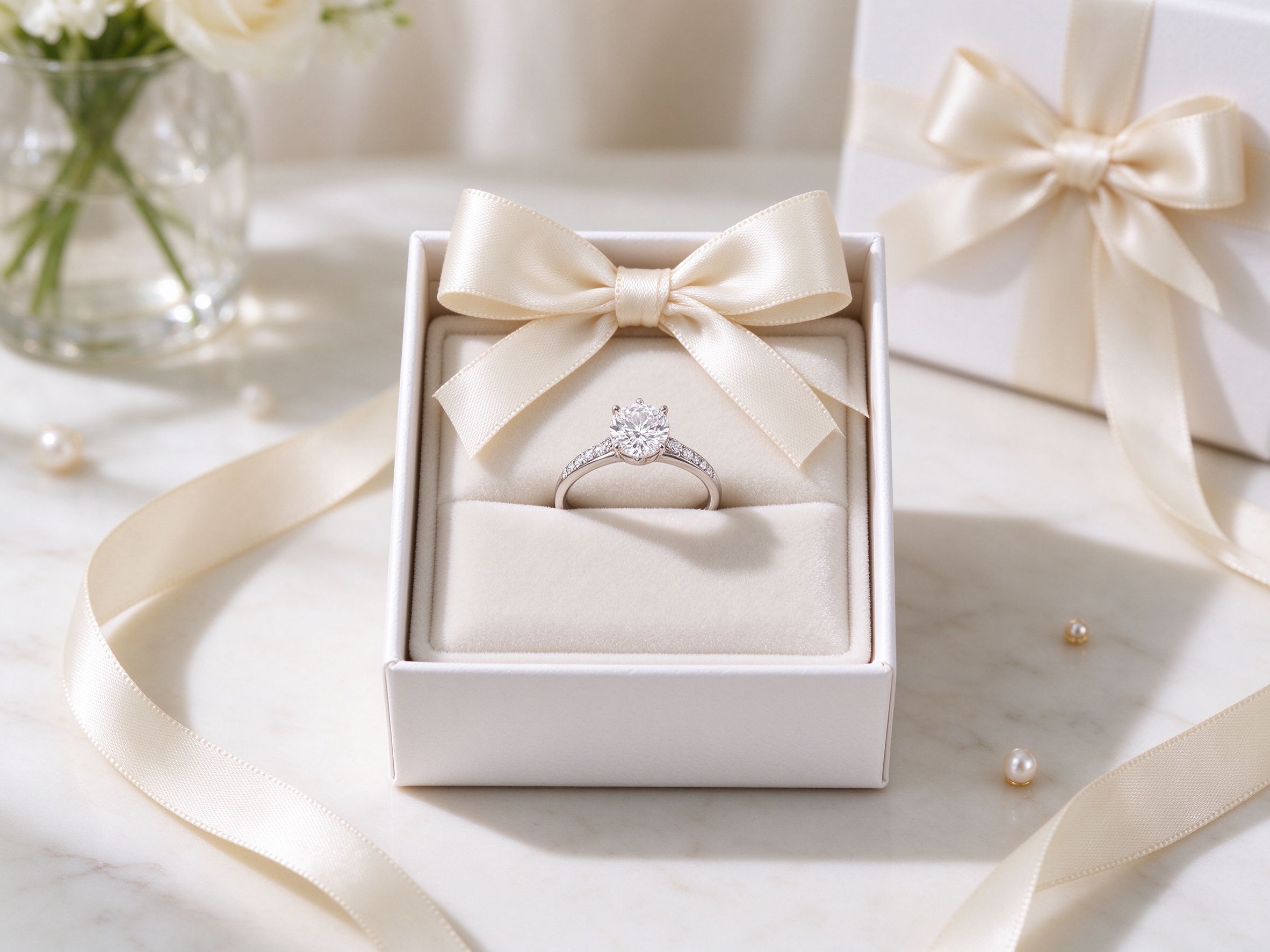
- Single-piece gift boxes. For engagement and higher-value rings, a rigid box doubles as storage and display.
What factories should include
For a private-label program, the case can carry your logo at low cost. Include one small polishing cloth in each case: it costs pennies and customers love it. For sets, add a soft divider so rings do not rub against bracelets. A small card with care instructions turns the case into a marketing tool and reduces careless damage claims.
Cost impact and margin
A basic velvet pouch costs under ten cents, a small hard case around one to two dollars. On a ring that wholesales for twenty dollars, adding a proper case raises the price by a few percent but can lift retail perceived value by much more. Buyers should compare total landed value, not just unit price.
FAQ
Do I need a separate case for each piece?
For rings and earrings, individual pouches inside one outer case are enough. Necklaces should always be separated to avoid knots.
Are travel cases reusable by customers?
Yes. A well-made case is kept for years, which means your brand is seen every time the customer travels.
Should I stock cases myself or ask the factory to include them?
Most factories can add cases at low MOQs. Ask for a sample of the case before ordering at volume.
Packaging is part of the product. To learn how packaging affects perceived value across categories, read about ring value and packaging or browse the Knowledge section.
Packing mistakes that cause returns
Even with a good case, buyers report a handful of recurring problems. The first is necklaces that tangle despite a pouch, usually because the chain was left coiled loosely. Thread chains flat, clasped, and separated. The second is earrings arriving as one piece, because backs slipped off in transit. Bag each earring with its back attached. The third is rings scratched against each other, which happens when several rings share one slot without a divider. These are all cheap to prevent and expensive to explain to a customer who opens a damaged box.
For high-value pieces, consider a small desiccant sachet in the case, especially for shipments crossing humid climates. Moisture in a sealed box can tarnish silver during a long ocean freight. A silica packet costs almost nothing and protects the finish. Labeling the outside of the parcel as fragile also reduces rough handling, though couriers treat all parcels roughly.
How packaging affects repeat orders
Wholesale buyers think about packaging as a cost, but it behaves like marketing. A customer who receives a beautifully packed piece remembers the brand and orders again. A customer who receives a piece in a plain bag doubts the quality, even if the jewelry itself is identical. The small spend on a case and cloth pays back through reviews and repeat purchases. When you compare suppliers, include the packing in the total landed value, not just the unit price. A slightly more expensive piece that arrives protected and presented will outperform a cheaper piece that arrives scuffed.
Bottom line
Packaging is not a detail; it is the first part of the product the customer touches. A padded travel case, a polishing cloth and a care card cost very little, but they raise perceived value, reduce transit damage and encourage repeat orders. When you compare wholesale quotes, judge the whole landed package rather than the bare unit price. The supplier that protects the piece and presents it well will save you money on returns and build your brand faster. Invest a little in the case, and the jewelry inside does the selling.
A worked example: a tangled necklace complaint
A retailer once received a shipment of silver necklaces where every chain was knotted around the next. The factory had wrapped them together in a single sheet of tissue to save space. Untangling delicate chains took the staff hours, and several chains bent in the process. The fix was simple: request that each necklace be clasped and bagged separately, with a soft divider. The next shipment arrived perfectly separated. The lesson is that packing instructions are worth writing down, not assumed. Tell your supplier exactly how you want pieces packed, and inspect the first shipment against those instructions.
Building a packing standard
For a repeat wholesale program, create a one-page packing standard: rings in slots, necklaces clasped and flat, earrings as paired sets, a polishing cloth and anti-tarnish strip in each pouch, and a rigid outer box. Send this to the supplier and ask them to follow it for every order. A written standard removes guesswork and protects your margin. When packing becomes consistent, transit damage and returns fall sharply, and the small extra cost per piece comes back many times over in customer satisfaction.