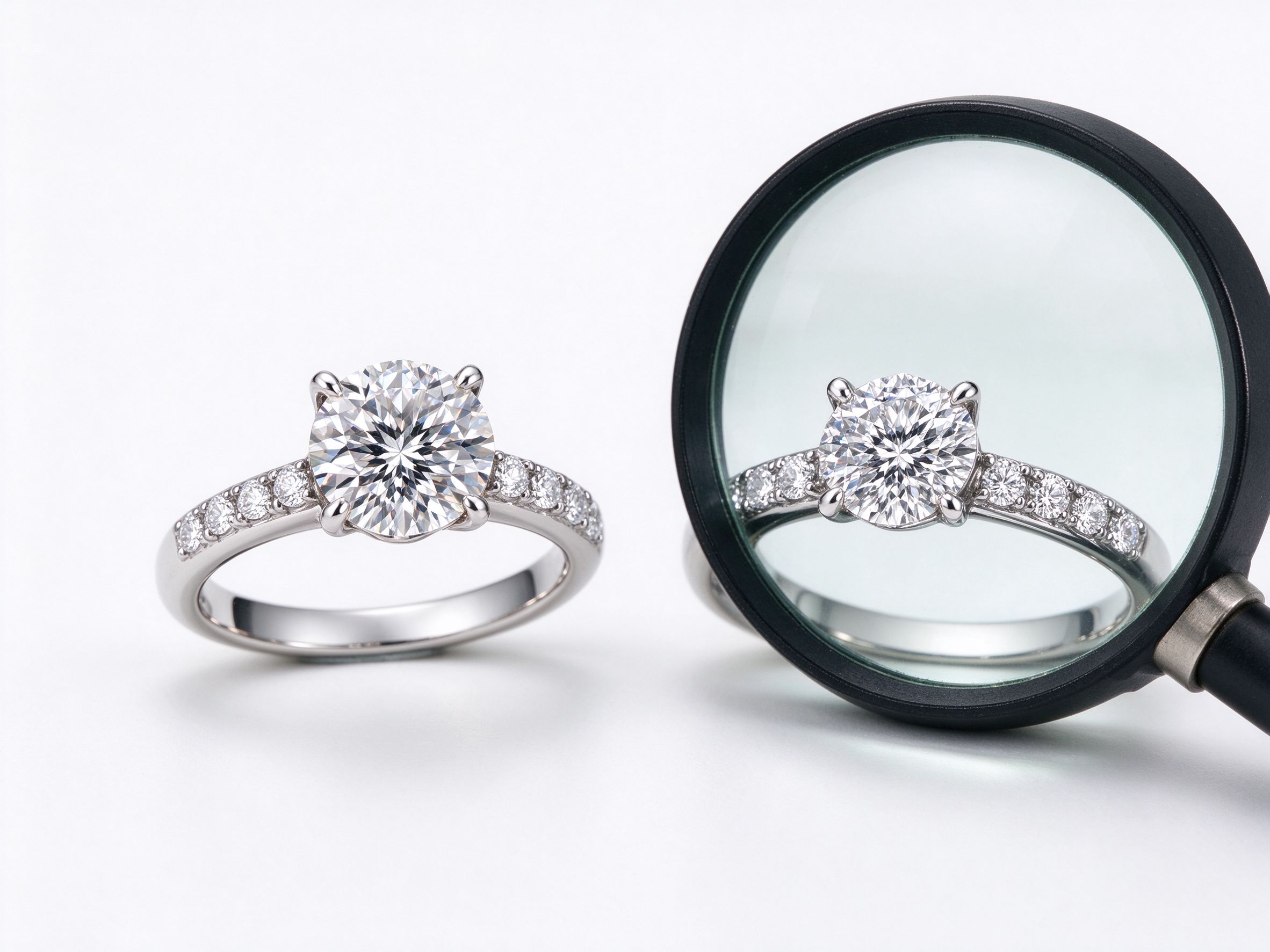
Vacation is when jewelry takes a beating: salt spray, chlorine pools, sunscreen, sweat and hotel soap. Moissanite itself is extremely durable, so the stone is rarely the problem. The risk is the 925 silver setting, the plating and the prongs. Here is how to keep your pieces looking new through a trip.
What saltwater does to jewelry
Salt water is corrosive over long exposure. It can speed up tarnishing on silver and dull the bright finish of rhodium plating. A short swim now and then is unlikely to destroy a ring, but repeated daily exposure on a beach holiday will show. Salt residue also sits behind stones and in prong tips, where it can slowly corrode the metal from inside.
What chlorine does
Chlorine is the more serious threat, especially in heated pools and hot tubs. Chlorine can pit and discolor silver, and it can weaken soldered joints. It is not the stone to worry about: moissanite handles pool water fine. The concern is the setting. Over time, chlorine exposure can make prongs brittle and loosen stones.
The simple rule: take it off
The safest approach is to remove rings, necklaces and bracelets before swimming. Store them in a hotel safe or a travel case. Sunscreen and tanning oil are also enemies: they leave a film on stones that cuts sparkle and clogs prong gaps.
If you wear it in water anyway
If you choose to keep a ring on, rinse it thoroughly in fresh water afterward. Dry it with a soft cloth, paying attention to the area behind the stone. A quick clean with mild soap after the holiday removes salt and sunscreen buildup before it hardens.
What to inspect after the trip
- Check each prong by gently wiggling the stone. It should not move.
- Look for dark spots on silver, which signal tarnish or corrosion.
- Check the clasp on bracelets and necklaces for stiffness.
- Have loose prongs tightened by a jeweler before the next wear.
FAQ
Can moissanite go in the ocean?
The stone can, but the setting should be rinsed after saltwater exposure to avoid long-term corrosion.
Will a pool turn my silver ring black?
Chlorine can discolor silver over time, especially in hot tubs. Removing the ring is the safest habit.
Should I wear my engagement ring on the beach?
Sand is abrasive and can scratch soft metals. Many people leave engagement rings at home during beach trips.
Vacation wear is a common cause of setting damage. For more on protecting pieces, see Jewelry Care and the wider Knowledge library.
What to pack for a beach jewelry trip
Smart packing prevents most vacation damage. Leave the valuable engagement ring in the hotel safe and wear a cheaper travel piece to the beach. Bring a small travel case that closes securely, so rings do not spill into a beach bag. Pack a soft cloth to wipe salt spray off pieces during the day. Bring a small jewelry cleaning pen or cloth for a quick refresh before evenings. These few items weigh nothing and protect the jewelry far better than willpower alone.
Sand is underrated as a danger. Fine sand acts like sandpaper against soft metal. Laying a ring on a beach towel means it gets buried and scratched, or stepped on. Keep rings in the case whenever they are off your hand. Wet sand is even worse because it sticks to prongs and dries into grit that grinds against the metal.
After the holiday inspection routine
When you return home, do not just unpack and forget. Lay every piece out and inspect it under good light. Run a finger along each band to feel for burrs or rough spots. Check each prong by gently wiggling the stone. Test clasps open and closed several times. Look for dark tarnish on silver. Clean everything with mild soap and water. If a stone is loose or a clasp is stiff, book a jeweler visit now, because small problems become lost stones later. Treat this post-trip inspection as normal maintenance, and your vacation jewelry will last for many trips.
Bottom line
The moissanite stone survives any vacation, but the silver setting does not survive repeated chlorine, salt and sunscreen without care. Remove rings for swimming, rinse after salt exposure, inspect prongs after the trip, and store pieces in a dry travel case. Treat these few habits as normal holiday routine and your jewelry comes home looking the way it left. The stone is tough; the setting needs a little respect.
A worked example: a pool-weekend ring
A customer wore her silver moissanite ring in a hotel pool for a long weekend. The stone was fine, but when she came home the band looked slightly dark near the prongs and the plating had dulled. The stone itself needed nothing. A gentle soap clean removed the residue, and the darkened silver was mild chlorine tarnish that a polishing cloth restored. The takeaway is that the stone survives, but repeated chlorine exposure is what to avoid. A single pool weekend rarely causes lasting damage; weeks of daily hot tub exposure is what weakens silver. Know the difference, and do not panic over one accidental swim.
Building a vacation jewelry routine
The smart routine is simple. Leave the valuable ring in the hotel safe. Bring a cheaper travel piece. Remove jewelry before the pool and ocean. Rinse pieces in fresh water after salt exposure. Dry everything with a soft cloth. Inspect prongs when you pack to go home. These habits take minutes and prevent the two common vacation disasters: lost rings down drains and corroded settings. Treat jewelry like sunglasses: something you protect, not something you worry about.
Quick reference checklist
- Take the ring off before pool, hot tub and ocean swims.
- Rinse the setting in fresh water after salt exposure.
- Wipe sunscreen and sweat off with a soft cloth.
- Store pieces in a dry travel case, not a wet beach bag.
- Check prongs on your first night home.
Keep this short list in mind and your vacation jewelry comes home in the same condition it left. The moissanite stone needs nothing; the silver setting just needs a little rinsing and drying. Treat these as automatic habits and you will never come back to a tarnished or loosened piece.